
Introduction
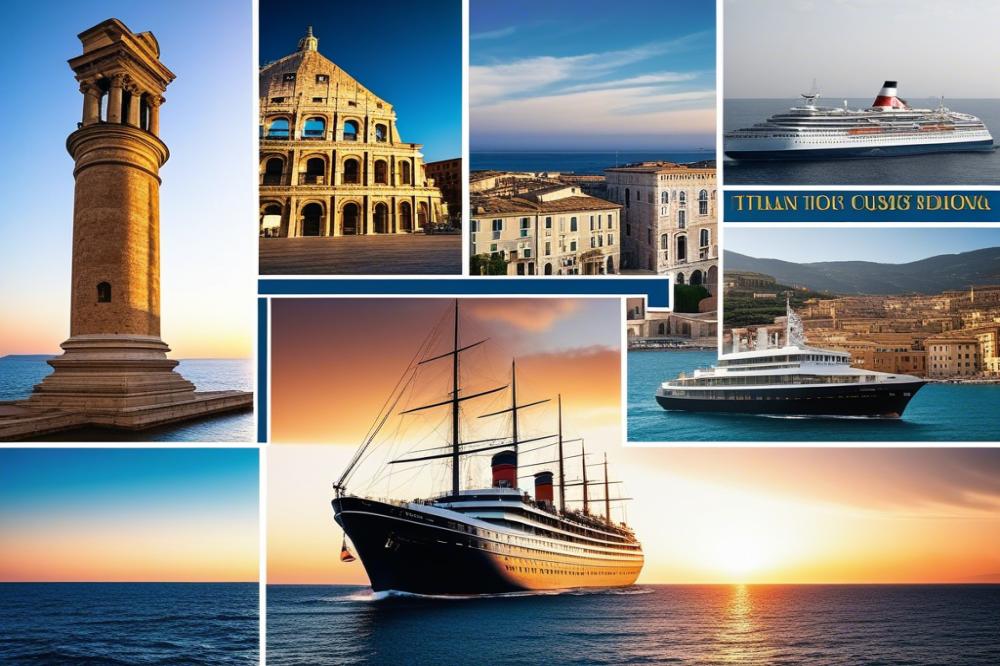
Italy boasts a remarkable maritime heritage that dates back centuries. From the ancient Roman galleys to the majestic Venetian ships, its waters have been a cradle of innovation and adventure. Historic vessels serve as a window into this rich past, providing insights into the evolution of sailing and trade. Today, these magnificent crafts stand as symbols of Italy’s influence on modern cruising experiences.
Understanding the significance of these bygone ships helps us appreciate current sailing practices. They showcase the designs and technologies that continually shape recreational maritime travel. Without a doubt, the legacy of these historic ships sets the stage for contemporary cruising, influencing everything from ship architecture to the experience of on-board leisure.
Italy’s transportation sectors are renowned throughout the world. The country’s airports, railways, and highways are notable, but the waterways tell their own story. Ferries, yachts, and cruise ships contribute to the vibrant tapestry of travel. With their roots deeply embedded in history, these modern modes of transport reflect age-old traditions.
As we delve into this exploration, the connection between the past and present becomes clear. Italy’s maritime legacy continues to inspire both seafarers and travelers alike. To fully grasp this connection, one must consider how #anchor_text_1# has affected the sailing culture. Not only do we gather from history, but we also create new journeys on the water. This blend of tradition and innovation highlights the essence of travel in Italy, especially on the sea. There is an undeniable charm, which many seek in their nautical adventures, through #anchor_text_2#.
The Legacy of Italy’s Historic Ships
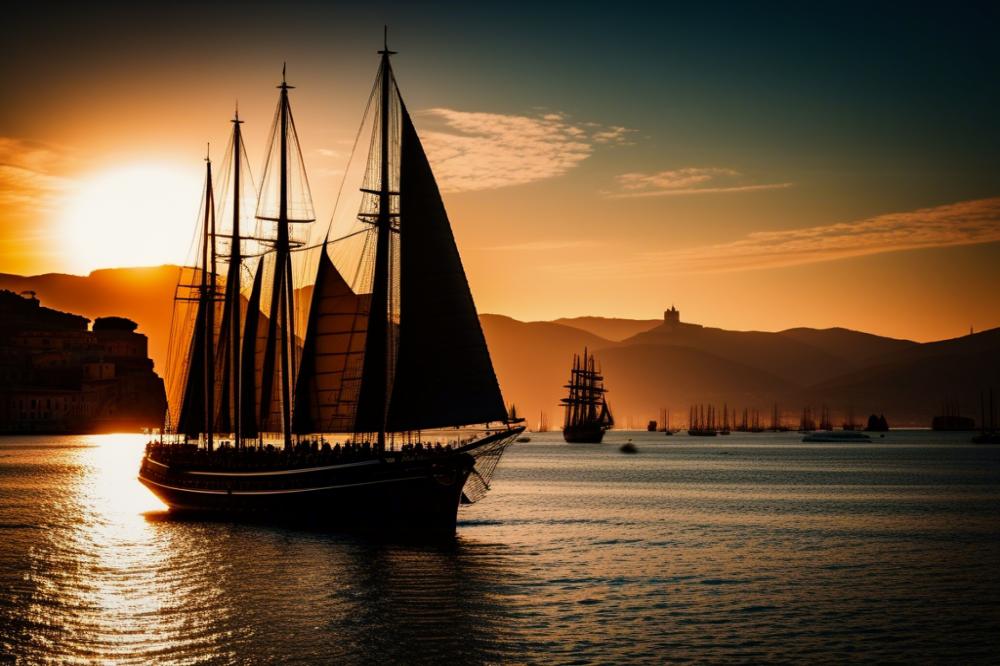
Italy’s maritime history is filled with fascinating tales of ancient and medieval vessels. For centuries, ships played a crucial role in shaping the nation’s culture and economies. Much of Italy’s wealth came from its extensive trade routes across the Mediterranean Sea. In fact, the ancient Romans built impressive vessels that transported goods from distant lands.
One of the most notable ships in Italian history is the galeas. This vessel was essential for trade during the Renaissance. It enabled merchants to transport merchandise like spices, silk, and precious metals. Additionally, the Venetian merchant fleet was a powerhouse in Western trade. These ships allowed Venice to flourish, making it one of the leading trade centers in the world during its peak.
Exploration was also influenced by Italy’s fleet. The expeditions of explorers like Christopher Columbus, who sailed under the Spanish flag, were supported by Italian shipbuilders and navigators. Their knowledge of the sea made these journeys possible. Furthermore, famous navigators like Amerigo Vespucci used his Italian-built ships to chart new territories. His voyages contributed significantly to the understanding of the New World.
Coastal communities in Italy owe much to these historic vessels. Many towns grew around shipyards and trade hubs. The presence of ships brought cultural influences that still resonate today. Festivals celebrating maritime heritage can be found in coastal cities such as Genoa and Naples, showcasing traditional music, foods, and crafts. These events highlight the importance of the sea in the lives of local people.
Moreover, the design and craftsmanship of ancient ships reflect the artistic styles of their time. Artisans and shipbuilders combined functionality with beauty. As the world evolved, these designs paved the way for modern cruising. Contemporary ships still carry hints of their predecessors’ elegance and engineering prowess.
Innovations in Shipbuilding and Maritime Navigation
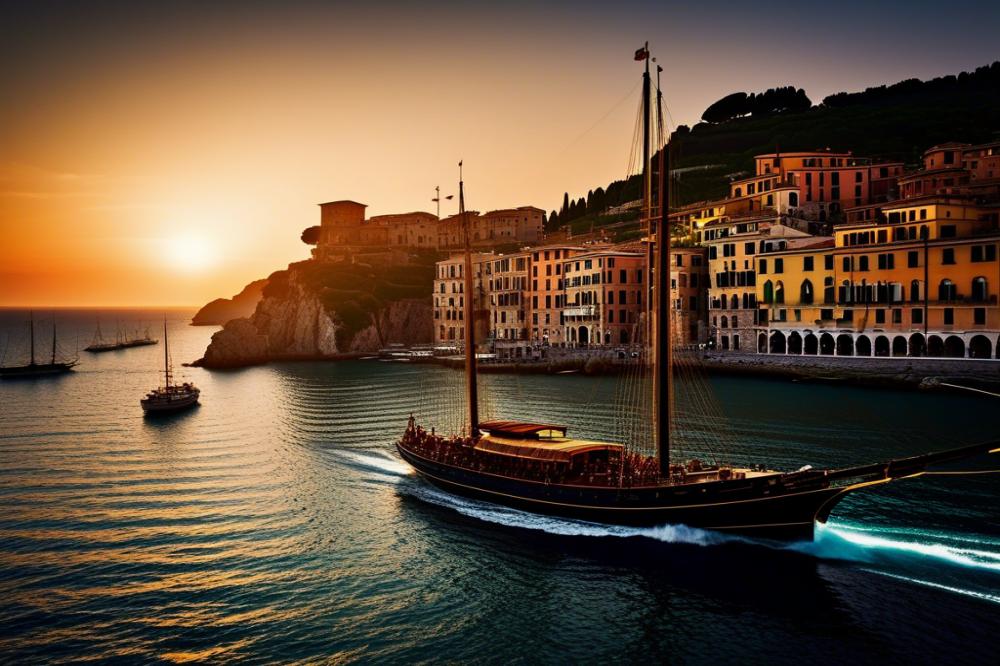
Advances in naval architecture can be traced back to Italy’s rich maritime history. The design of ships has evolved significantly over the centuries. Historic vessels, such as galleons and triremes, laid the groundwork for modern shipbuilding techniques. Their curved hull forms and streamlined designs inspired contemporary architects.
Italy’s maritime heritage has driven many technological developments. For instance, the use of wood in early ships led to the exploration of new materials like steel and fiberglass. These materials have increased efficiency and durability in today’s cruising experiences. Additionally, ancient navigational tools have influenced modern equipment. The astrolabe and compass, once essential to sailors, are precursors to today’s advanced GPS systems.
A Comparison of Designs
Traditional ship designs differ greatly from those of modern cruise liners. For example, older ships relied heavily on sails, while cruise ships depend on powerful engines. The scale of contemporary vessels is remarkable. Many modern ships accommodate thousands of passengers, contrasting starkly with the smaller fleets of the past.
Furthermore, aesthetics have changed. Historical ships were often decorated with intricate carvings and elaborate sails. Today’s liners boast sleek profiles and large glass windows. These designs aim to create an inviting atmosphere for travelers. Comfort and luxury have become paramount in modern cruising.
Efficiency also plays a crucial role in the design evolution. Older ships often had limited hull capacities. In contrast, today’s vessels are engineered for optimal space utilization. Enhanced fuel efficiency helps to support longer voyages with less environmental impact. By analyzing the past, shipbuilders create vessels suited for the future, shaping maritime adventures.
Famous Italian Ships and Their Stories
Italy is home to a rich maritime heritage, exemplified by its iconic vessels. The SS Rex, a legendary liner of the 1930s, held the Blue Riband for the fastest transatlantic crossing. This ship not only represented speed but also a blend of luxury and engineering. Many travelers were captivated by its elegant design and opulent interiors, making it a symbol of pride for Italians.
Another notable ship is the Costa Concordia. While tragedy struck in 2012 when it ran aground off the coast of Giglio, its story is pivotal in understanding cruise safety today. The incident sparked major changes in maritime regulations, reinforcing the importance of passenger safety and emergency protocols on cruise ships.
Shifting to naval history, the Amerigo Vespucci continues to inspire awe. This tall ship, named after the famous explorer, serves as a training vessel for the Italian Navy. It not only educates future seafarers with its rich legacy but also participates in maritime festivals around the world, promoting Italian sailing traditions.
Among the more contemporary examples is the Costa Luminosa. Launched in 2009, this cruise ship emphasizes entertainment and leisure. With its stunning art collection and state-of-the-art amenities, it attracts thousands each year. The ship serves as a microcosm of modern cruising, showcasing how traditional Italian hospitality has evolved into a global attraction.
These storied vessels do much more than carry passengers. They tell tales of adventure, design, and human spirit. Many people dream of sailing on these historic ships, inspired by their legacies. The tales of the SS Rex and Costa Concordia, for instance, illustrate the highs and lows of maritime history. They leave a lasting impact on culture, making Italy a key player in the tourism industry.
Every ship has its anecdotes. For example, the Amerigo Vespucci is often referred to as one of the most beautiful ships in the world. Its wooden hull and distinctive sails create a sight that delights many. In contrast, the Costa Concordia’s sinking led to stories of heroism from crew members and passengers. Survivors frequently recount moments of bravery during a crisis.
These vessels not only shaped maritime culture but also influenced how people perceive cruising today. As the industry continues to evolve, it draws inspiration from these iconic ships, performing an essential role in transporting tourists across the seas. Those who sail on modern cruise ships often carry the echoes of the past with them, celebrating the journey through time.
Influence of Historic Ships on Contemporary Cruising
Italy’s maritime past plays a vital role in shaping modern cruise experiences. Tours today often draw inspiration from the grand vessels that once roamed the seas. Each historic ship carries stories and traditions that resonate with travelers. As tourists set sail on contemporary liners, they witness echoes of these storied vessels in their journeys. The designs, aesthetics, and experiences reflect the rich maritime heritage of Italy.
Italian shipbuilders have been key players in developing industry standards. They have combined craftsmanship with innovation to create safer and more comfortable ships for travelers. Innovations from historic designs have influenced the layouts and functionalities of modern cruise ships. For instance, the spacious decks and elegant dining areas can trace their lineage back to the opulent interiors of early Italian liners. Those early designs set benchmarks that are still admired today.
Heritage shapes cruise offerings and itineraries significantly. Popular routes often highlight the breathtaking coastlines and picturesque ports that have long drawn sailors to Italy. Destinations steeped in history and culture attract more visitors who seek a deeper connection to the past. It is common for modern cruises to include stops at historic sites, providing guests with glimpses of Italy’s nautical legacy. The stories of ancient mariners and bygone adventures create an enriching backdrop for today’s travelers.
As people board their ships, they connect with a venerable tradition. Echoes of past journeys whisper from the decks, inviting guests to embrace the adventure ahead. The blend of old and new on these vessels offers a fresh perspective on maritime exploration. Whether it’s the elegance of design or the charm of itineraries, Italy’s historic ships continue to influence the way we cruise. An understanding of this lineage enhances the overall experience for both seasoned cruisers and newcomers alike.
Italy’s Maritime Tourism Today
Cruise tourism in Italy has flourished over the years. It draws millions of visitors who arrive to experience the country’s rich history and beautiful landscapes. Major ports like Venice, Rome, and Naples serve as gateways to the Mediterranean. These locations attract not only travelers from Europe but also from around the globe.
Popular Cruise Destinations Along the Italian Coastline
The coastline of Italy is dotted with stunning destinations. Places such as the Amalfi Coast, Cinque Terre, and Sardinia are favorites among cruise-goers. Each of these spots offers breathtaking views, charming villages, and delicious local cuisine. Travelers often spend days exploring these unique areas. Onboard activities are also plentiful, providing a mix of relaxation and entertainment.
The Balance Between Historic Preservation and Modern Tourism
Preserving Italy’s historic sites has become increasingly crucial. As tourism grows, it presents challenges for local communities. Cities like Venice face issues with overcrowding. Yet, efforts are in place to maintain these areas while accommodating visitors. This delicate balance is vital for protecting Italy’s cultural heritage. Authorities understand that history and tourism must coexist. Local governments often work with businesses to promote sustainable practices that benefit everyone.
Legacy of Italy’s Maritime Journey
As we reflect on Italy’s rich maritime history, it becomes clear how deeply it has influenced modern cruising. Historic ships tell stories of adventure, trade, and cultural exchange. These vessels have shaped the way we understand seafaring today. The innovation seen in Italy’s past is echoed in the design and experience of contemporary cruise ships. From ancient galleys to luxurious liners, every era contributes to the evolution of nautical travel.
Preserving historic ships is vital for future generations. They are not just wooden structures; they are floating museums. By maintaining these crafts, we provide a tangible connection to our past. Schoolchildren, tourists, and history buffs can learn about Italy’s extraordinary relationship with the sea. Sadly, many of these vessels are at risk of fading away. Organizations dedicated to conservation play a crucial role here. They strive to restore and protect these unique artifacts of our maritime heritage.
In conclusion, the journey from historic vessels to modern cruising experiences is fascinating. Advances in technology and design have transformed nautical journeys, yet the essence remains rooted in our history. Cruise travelers today can enjoy comforts that past sailors could scarcely imagine. However, every trip should remind us of where it all began. A true appreciation for the sea starts with understanding its storied past. Italy’s legacy continues to inspire, reminding us to cherish both the present and what came before. As we sail onward, let us also harbor thoughts on how we can protect these maritime treasures. Initiatives aimed at promoting awareness are essential steps in this endeavor. The tales carried by these ships must not be lost to time. After all, it’s these stories that enrich our experiences and shape our journeys. The connection to #anchor_text_3# reinforces our purpose, encouraging a deeper exploration of maritime history. We journey ahead, with a commitment to honor our sea-bound heritage, while navigating towards the future.

