
Introduction
Italy stands as a favorite among travelers from around the world. Its rich history, stunning landscapes, and mouthwatering cuisine draw millions each year. From the canals of Venice to the ruins of Rome, there is no shortage of sights to explore.
Understanding seasonal travel holds significant importance for anyone planning a trip. Different times of the year can greatly affect travel costs, transportation options, and overall experience. Knowing when to visit can either enhance the adventure or make it a challenge.
This article delves into the topic of Seasonal Travel Italy, exploring the best and worst times for flights, trains, and ferries. Travel Timing can determine how easy it is to get around, especially during peak tourist seasons like summer travel. In winter, fewer crowds can mean a different atmosphere, but also limited ferry services.
This guide aims to provide valuable travel tips, helping you navigate Italy’s different travel seasons effectively. Make the most of your journey by understanding what each season has to offer and the unique challenges that come with it.
Understanding Italy Travel Seasons

Italy features four main seasons, each with its own distinct characteristics. Spring brings mild temperatures and blooming flowers, making it a lovely time for exploration. Summer is known for hot weather and bustling tourist crowds in popular destinations. Autumn offers cooler air and colorful foliage, while winter can be quite cold, especially in the northern regions.
Regional variations significantly impact travel experiences across the country. The north experiences colder winters and has stunning mountain landscapes, ideal for winter travel activities. In contrast, the southern regions enjoy a Mediterranean climate, with warm summers perfect for beachgoers. Cities like Florence and Venice can be crowded during summer but much quieter in the shoulder seasons of spring and fall.
Climate plays a crucial role in choosing the right time to visit. Travelers should consider local events as well. Festivals, such as Venice’s Carnival in winter or the Palio horse race in Siena during summer, can attract many visitors. Each season offers unique opportunities, influencing flight prices and transportation options like trains and ferries.
Travel costs also fluctuate significantly with seasons. Off-peak travel can yield savings on flights and accommodations. Booking flights well in advance or using trains can help avoid price spikes. Many prefer to visit during spring or autumn to balance pleasant weather and fewer tourists. Always consider the best seasons while planning your Italy travel seasons. This will enhance your overall experience.
Best Times for Flights, Trains, and Ferries
Italy experiences distinct peak travel seasons. Summer stands out as the busiest time for both locals and tourists. Cities brim with crowds and popular attractions often get overwhelming. Hotel prices soar along with travel costs, especially in July and August. In contrast to summer travel, off-peak periods, like spring and fall, offer a different experience. During these seasons, one can enjoy milder weather and fewer tourists, which translates to more enjoyment.
When booking flights, a few specific months are ideal. March through June and then September to October typically offer more favorable rates. Search for airfare between these periods to keep travel expenses lower. As travel tips go, flying on weekdays can also lead to significant savings. Consider early morning or late evening flights for better deals.
Train Travel Advantages
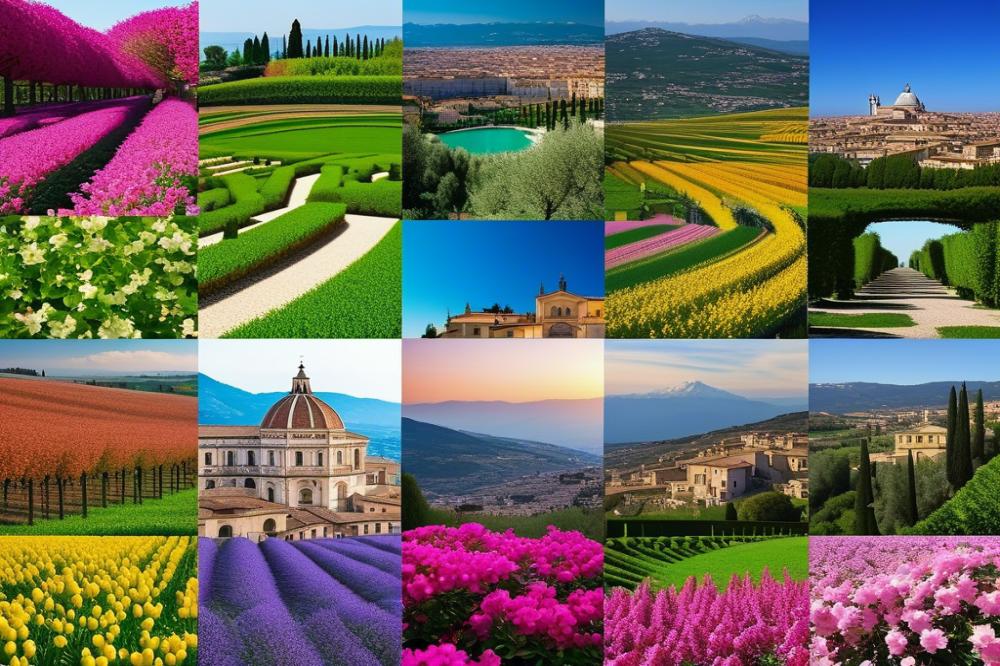
Traveling by train provides unique advantages throughout the different seasons. Springtime journeys can showcase Italy’s stunning landscapes bursting with blooms. Fall travel allows for picturesque views of autumn foliage. Trains run frequently, connecting major cities like Rome, Florence, and Milan seamlessly. In winter travel, however, schedules may have variations due to weather conditions while certain scenic routes remain closed.
Ferry Schedules and Coastal Travel
Ferries offer an incredible way to explore Italy’s coastal beauty. The best times for ferry travel are in late spring and early fall. The water is still warm, but tourists have thinned out. Summer remains busy, especially on popular routes to the islands of Capri and Sardinia. Timing becomes essential for coastal adventures, as many ferry services operate less frequently in winter. Always check schedules in advance, as they can change depending on the season and demand.
Worst Times for Seasonal Travel in Italy
Italy is a beautiful country with amazing sights, but some times of the year are not ideal for visiting. Crowded tourist seasons make summer travel particularly challenging. Major cities like Rome, Florence, and Venice become jam-packed with visitors. Long lines at popular attractions drain time and patience. Finding a quiet spot becomes nearly impossible.
Winter travel also presents its own set of difficulties. Snow and rain can disrupt plans, especially in the northern areas. Roads might become treacherous, leading to delays in transportation options. Trains can slow down due to weather conditions, affecting travel schedules. While some may enjoy the snow-covered landscapes, others find the chill uncomfortable.
Travel costs rise sharply during peak times. Flights can become expensive, forcing travelers to consider alternative routes. Accommodation prices climb as demand surges. Booking hotels far in advance may be the only way to secure reasonable rates. Last-minute trips can strain the budget significantly.
Local holidays and events impact travel plans as well. Festivals draw large crowds and create a festive atmosphere, yet they can make getting around difficult. Many attractions may close to celebrate special days, leaving travelers without options. Understanding the Italy travel seasons helps in planning memorable trips.
For those hoping to avoid the crowds, off-peak travel is a smarter choice. Visiting during spring or fall can lead to more enjoyable experiences. Fewer tourists mean easier access to attractions and lower stress. It also allows for a more authentic Italian experience, free from the hustle and bustle.
Travel Tips for Seasonal Travel Italy
Finding the best travel deals can save you significant money. Start by using flight comparison websites. These platforms allow you to see different prices across various airlines. Check them regularly for price drops on flights. Signing up for fare alerts can also give you a helpful edge. When booking trains or ferries, think about buying tickets in advance. Often, early purchases lead to lower travel costs.
Flexible travel planning is a smart approach. You might want to avoid peak travel times during summer travel. Choosing midweek dates often leads to cheaper flights and accommodations. If you can be adaptable with your dates, it opens up more options. Consider traveling during shoulder seasons, too. These times often offer pleasant weather and fewer crowds.
Transportation options vary based on seasons. In winter travel, trains may face delays due to snow. Ferries could be less frequent along the coast. Research local transportation schedules ahead of time. In contrast, summer usually brings more tourists. Both flights and trains can fill up quickly during this period. Plan ahead to secure your preferred mode of transport.
Seek out local experiences to enhance your journey. Festivals often occur during specific months, showcasing regional traditions. Participating in these events can deepen your understanding of Italian culture. Visiting local markets is another great way to engage with the community. Taste homemade foods and interact with friendly locals. Explore beyond tourist hotspots for a richer experience.
Transportation Options throughout Italy
The Italian transportation system is extensive and well-connected. Air travel might be a top choice for long distances. However, trains serve as a convenient alternative for many regions. Ferries are essential for traveling between islands and coastal destinations.
Comparison of Flights, Trains, and Ferries
Summer travel sees a spike in flight availability. Many airlines increase their routes to popular cities like Rome and Florence. Expect higher travel costs during this peak season. In contrast, winter travel offers a different perspective. Flights tend to be less crowded, and prices often decrease.
Trains generally provide a reliable means of getting around. They operate frequently and are generally punctual. High-speed trains, like the Frecciarossa, connect major cities quickly. In winter, train journeys can be a scenic way to see snowy landscapes.
By comparison, ferries are crucial in regions like Campania or Sicily. During the summer, ferries face high demand due to tourists wanting to visit islands. Reservations become necessary, especially for trips to Capri or Ischia. Alternatively, in the winter months, ferry schedules typically reduce, affecting accessibility.
Insights into Convenience and Efficiency
Opting for trains can enhance the overall travel experience. They are often faster and less hassle than flying, especially for short distances. Buying tickets in advance helps save money and time. For summer journeys, be prepared for crowded trains and make seat reservations.
Flights provide speed for long distances, but they lack flexibility. Airports can be far from city centers, requiring additional time and costs. Ferries, while offering stunning views, can be influenced by weather conditions. This can lead to delays, especially in winter weeks when storms are more common.
Travel tips for moving around Italy emphasize using public transport. Buses and trams link places that trains and ferries might miss. Choosing off-peak travel times can save both time and money. Visiting during shoulder seasons may lead to a smoother experience and less stress.
In summary, each mode of transport has benefits and drawbacks. Evaluating personal preferences can help determine the best option. Understanding Italy travel seasons can guide choices in transportation efficiently. Options are plentiful, and every traveler can find a way to see this beautiful country.
Final Thoughts on Seasonal Travel in Italy
Considering the seasonal aspects of your travel plans can make a significant difference. Each time of year offers its own charm. Flights, trains, and ferries operate differently depending on the season.
Spring reveals blooming landscapes and moderate weather. Summers come alive with crowds, especially in tourist hotspots. Autumn showcases vibrant colors and grape harvests, making it a favored time for many. Winter brings a serene beauty but can limit certain travel options.
Aligning your itinerary with personal preferences is essential. Do you enjoy the hustle and bustle of summer, or do you prefer the quiet of winter? Planning according to these insights can lead to a more fulfilling experience.
Italy should not just be on your bucket list for one season. Each season invites travelers to witness its diverse beauty. Embrace the culture, history, and traditions that shine throughout the year. With thoughtful planning and awareness of seasonal dynamics, your Italian adventure will undoubtedly be memorable.

