
Introduction
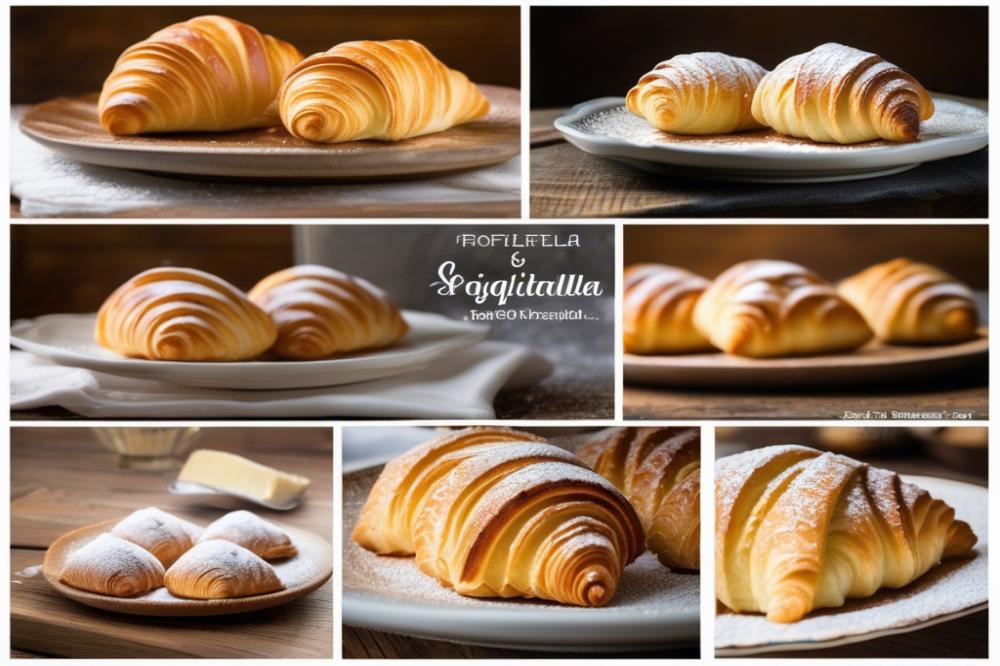
When it comes to classic Italian desserts, few can match the charm of Sfogliatella. This delightful pastry hails from Naples and has captured the hearts of dessert lovers around the world. Rooted deeply in Neapolitan food culture, it embodies the spirit of Italian baking with its intricate layers and flavorful fillings.
The flaky exterior sets the stage for what lies within. A perfect balance of texture greets anyone who takes a bite. Filled with a rich, sweet mixture of ricotta and often enhanced with citrus notes, this traditional dessert offers a taste of Italy in each mouthful. Its classic recipe has persisted through generations, making it not just a treat, but a symbol of culinary heritage.
Each bite provides a delightful contrast between the crisp, flaky pastry and the creamy filling. Many enjoy it as a gourmet snack, showcasing the artistry that goes into making such a beloved Neapolitan pastry. The flavors and textures come together to create an experience that resonates with anyone exploring the delights of Italian cuisine.
The Origins of Sfogliatella
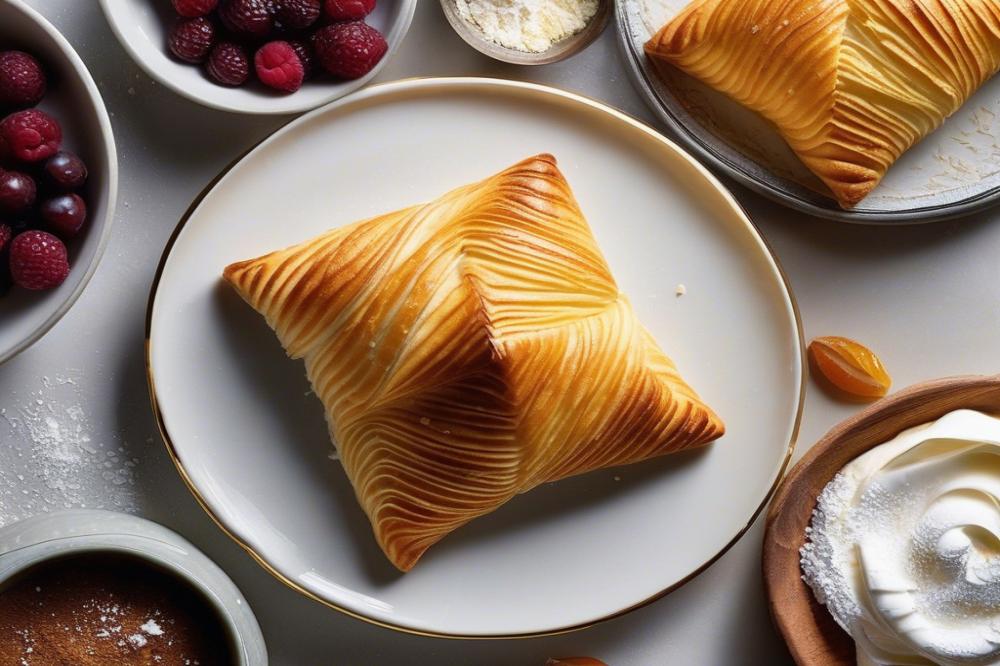
The rich history of sfogliatella traces back to Naples, a city famous for its vibrant food culture. This delectable Italian dessert is believed to have roots dating back to the 17th century. Originally, it may have been created by nuns at the Convent of Santa Rosa. They aimed to craft a pastry that was both satisfying and delightful.
As time passed, the sweet filling evolved. Initially filled with a simple mixture of ricotta and sugar, the recipe later included candied fruit and spices. Each twist added depth and variety. The flaky pastry shell, a hallmark of this treat, showcases expert craftsmanship in pastry making.
Today, this popular gourmet snack can be found in bakeries throughout Italy and beyond. It has transformed into a symbol of Neapolitan tradition, cherished by locals and visitors alike. Enjoyment of this classic recipe reflects the community’s love for rich culinary heritage.
When you bite into this traditional dessert, you experience not just flavors but also a connection to Naples’ past. It represents the city’s artistic spirit and passion for quality food. Over the years, sfogliatella has become more than just a pastry; it embodies the essence of Italian cuisine.
Ingredients and Preparation
Key Ingredients: Flaky Pastry and Ricotta
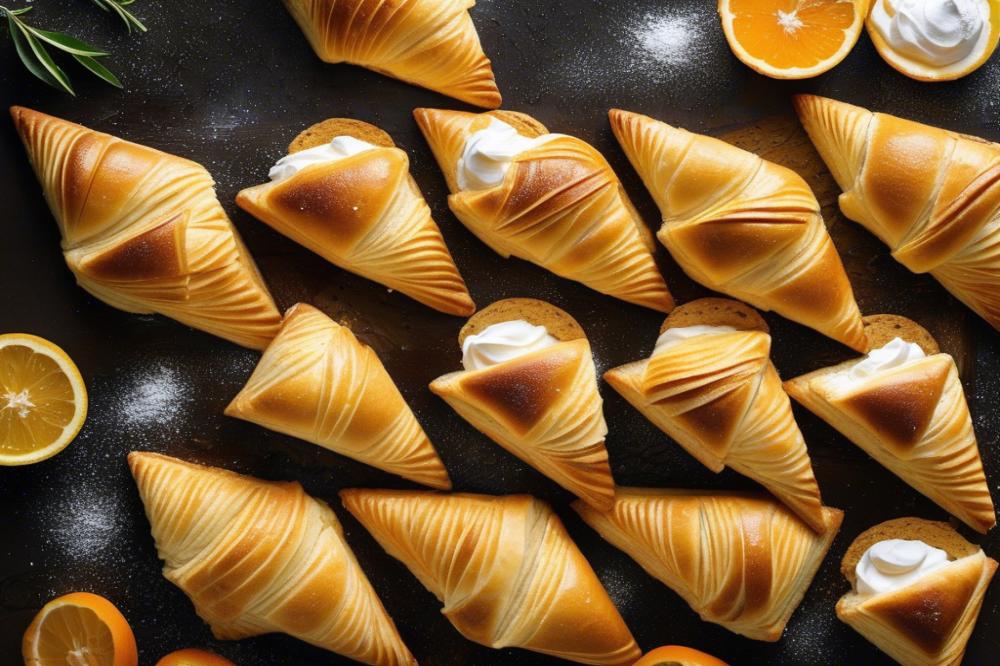
The base of this Italian dessert relies on two main ingredients: flaky pastry and rich ricotta. This combination leads to a delightful experience. In Naples, bakers have perfected these elements over generations. The buttery layers melt in your mouth, while the creamy filling adds sweetness. Starter recipes often include flour, butter, sugar, and a pinch of salt for the pastry. For the filling, gather fresh ricotta, powdered sugar, vanilla extract, and candied citrus peel. Together, these create a balance between savory and sweet that defines this classic recipe.
Detailed Steps for Preparing the Sweet Filling
To prepare the sweet filling, start by draining the ricotta to remove extra moisture. This step is crucial; it prevents the filling from becoming too runny. Blend the ricotta with powdered sugar until smooth in texture. Next, add vanilla extract and mix well. For a burst of flavor, toss in finely chopped candied citruses. Some variations include chocolate chips or cinnamon for added depth. Make sure all ingredients are well incorporated. Let the mixture rest in the refrigerator for a bit. Chilling helps the flavors meld beautifully.
Techniques for Creating the Perfect Flaky Layers
Creating the ideal flaky layers takes some practice. Begin by combining flour and cold butter to create a crumbly mixture. Adding ice water gradually helps form a cohesive dough. Rolling out the dough is where the magic begins. Use a lot of flour to prevent sticking. Roll until it’s thin and even. Fold the dough multiple times to build layers. After that, cut it into circles for shaping. Each layer contributes to the final texture. An expert tip: allowing the dough to rest helps produce a wonderful crispiness. When baked, these layers create an unforgettable crunch, making the sfogliatella a gourmet snack everyone will cherish.
Types of Sfogliatella
Varieties: Riccia and Frolla
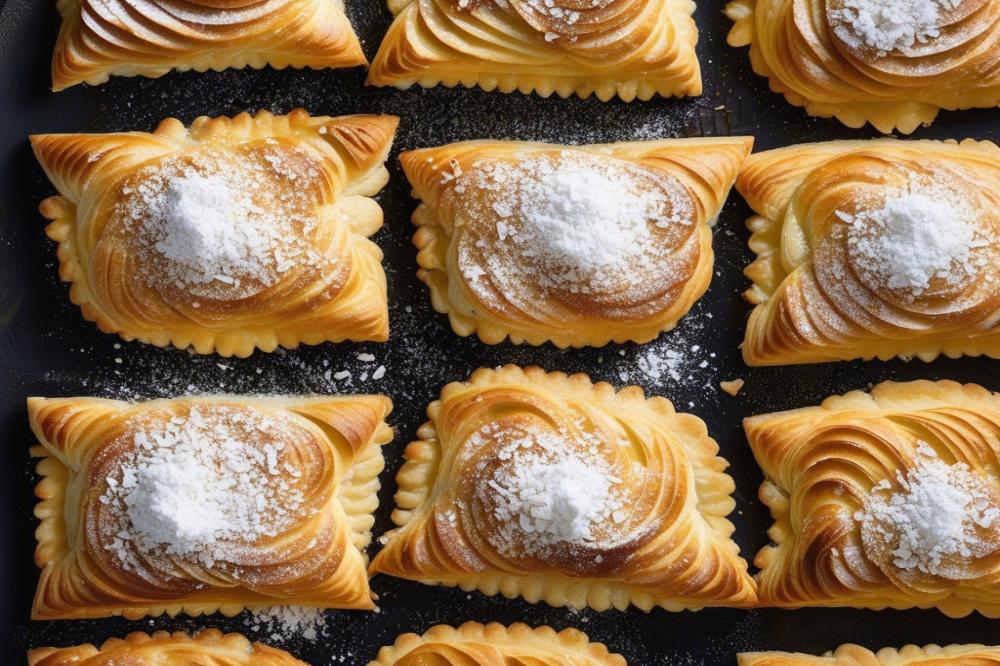
Two popular variations of this beloved Italian dessert are riccia and frolla. The riccia has a signature flaky texture. This type boasts many thin layers that create a crunchy feel. The outer shell is crispy, while the inner filling is often rich and creamy. Traditionally, the sweet filling contains ricotta mixed with sugar and flavored with citrus.
On the other hand, frolla presents a different experience. This version features a softer, more cookie-like base. The pastry is smoother and more tender to the bite. The filling remains similar but can include different flavors like almond or vanilla. Each of these pastries tells the story of Naples through its ingredients and preparation, reflecting the region’s food culture.
Unique Characteristics of Each Type
The riccia stands out with its textural contrast. Eating one can feel like a delightful crunch followed by a creamy burst of flavor. Its appealing layers show off the skill involved in making this traditional dessert.
Meanwhile, the frolla attracts those who prefer a softer pastry. Its ease of eating makes it a favorite for casual snacking. While still delicious, it brings a more mellow flavor profile, allowing the sweet filling to shine independently. Each type offers a distinct gourmet snack experience, making them both deserving of attention.
Pairing Options and Serving Suggestions
When enjoying these pastries, consider a few pairing options. A rich espresso complements the sweetness perfectly. Alternatively, pairing with a robust cappuccino can enhance breakfast or snack time.
Serving sfogliatella at a gathering adds an elegant touch. Many people enjoy these pastries during celebrations or special occasions. They can be presented on a beautiful platter, inviting guests to indulge. Guests might appreciate having fresh fruit or a scoop of gelato alongside. Whether indulging alone or sharing with loved ones, these varieties remain true icons of Neapolitan cuisine.
Sfogliatella in Contemporary Cuisine
Sfogliatella’s Role in Modern Italian Gastronomy
Many enjoy this Italian dessert not just as a treat, but as a part of food culture. The pastry has firmly lodged itself in the hearts of dessert lovers around the globe. In cities like New York and London, people embrace its rich flavors. Chefs take pride in serving this classic recipe, offering a taste of Naples right in their own cafes. The flaky pastry shell, filled with sweet ricotta, embodies a history that connects many to their heritage.
Gourmet Twists on the Classic Recipe
Not all sfogliatella stick strictly to tradition. Modern chefs are creating gourmet snacks that push the boundaries of this beloved pastry. Some blend flavors like pistachio or chocolate into the sweet filling. Others even add a hint of citrus for an unexpected zing. These variations offer something fresh while still honoring the original. The balance between new ideas and traditional techniques makes each bite exciting.
Where to Find Authentic Sfogliatella Today
Locating true sfogliatella requires a bit of exploration. Italian bakeries across the world often strive to recreate this pastry exactly as it is in Naples. Look for shops that emphasize artisanal methods and fresh ingredients. Popular neighborhoods usually showcase hidden gems that carry this delightful pastry. Many cafes now feature the dessert, especially in areas with a rich Italian history. Every bite can transport you to a bustling bakery in Southern Italy.
Final Thoughts on a Neapolitan Treasure
Sfogliatella holds a special place in the heart of Neapolitan cuisine. This traditional Italian dessert brings together flavors and textures that excite the senses. Each bite transports you to the bustling streets of Naples, where the aroma of freshly baked pastries fills the air.
Many options exist to experience this treat. You could venture into your kitchen and craft your own version, whipping together dough and sweet filling. Alternatively, local bakeries might offer their own takes on this pastry, often inspired by the authentic recipes passed down through generations. Sampling both homemade and locally made versions can enhance your appreciation for the craft behind this delightful delicacy.
Enjoyment of sfogliatella goes beyond just taste. It offers a glimpse into the rich cultural heritage of Italy and the joy of sharing food. Discovering this classic brings not only pleasure to the palate but also a connection to its history and traditions. So, indulge your sweet tooth and take the time to savor every flaky layer. You deserve it!

