
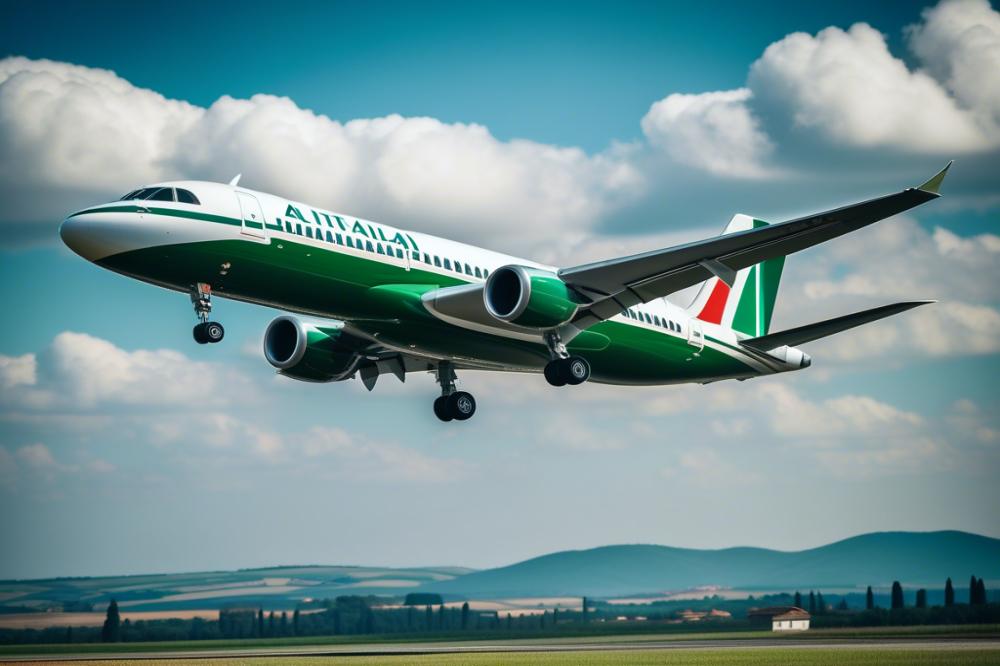
Skyward Elegance: A Journey Through the Rise and Legacy of Alitalia
Alitalia has long been a cornerstone of Italian transportation. Representing national pride, it played a crucial role in connecting people both within the country and around the globe. More than just an airline, it has been a symbol of Italy’s rich culture and its aspirations in the aviation industry.
Founded in 1946, Alitalia quickly grew to be a prominent player in the world of air travel. Its legacy is marked by innovation and a commitment to quality service. Throughout the decades, the airline adapted to an ever-changing market, reflecting shifts in technology and consumer desires. The airline’s impact goes beyond just flights; it has influenced travel trends, business relations, and tourism in Italy.
This airline also has connections with other sectors of the Italian travel landscape. Its operations have supported hotels, restaurants, and local attractions, forming a tight-knit web of interdependence. In many ways, Alitalia helped to shape the modern Italian travel experience, enhancing the country’s reputation as a premier destination. Understanding its journey provides insights into how air travel evolved in Italy, as well as its continuing relevance in the tourism industry.
As travelers venture across the globe, they carry memories formed through the skies. Alitalia’s story remains an integral part of that narrative. Through ups and downs, it continues to represent a blend of tradition and modernity. Therefore, the tale of Alitalia is not just about an airline; it is a reflection of Italy itself. Embracing change while holding onto its roots, the airline symbolizes a commitment to progress. Let us explore this fascinating story, highlighting the airline’s significance in shaping travel culture and its lasting legacy.
From its early beginnings to its status today, Alitalia has served a pivotal role. The journey showcases resilience and transformation, marking its rightful place in aviation history. With a closer look, we can appreciate the airline’s profound impact on Italy’s place in the world of travel. For many, it stands as an icon, a gateway to adventure and exploration, inviting travelers to experience the beauty of Italy from above.
A deep dive into its legacy reveals layers of history and influence. The story of Alitalia invites us to consider how one airline can transform a nation’s approach to global connectivity and tourism. Understanding this narrative is essential for exploring Italy’s travel sectors and the way they continue to adapt and thrive in the modern world. Discovering the full picture of Alitalia helps to grasp the broader significance of air travel in shaping the way people explore and connect.
Join us as we delve into this remarkable tale, illustrating how Alitalia soared through challenges, leaving an indelible mark on air travel.
#anchor_text_1# serves as a reminder of the airline’s impact, while #anchor_text_2# highlights the ongoing dialogue between legacy and progress in the aviation sector.
Skyward Elegance: A Legacy of Alitalia
Alitalia was founded in 1946, emerging in the aftermath of World War II. The initial goal of the airline was to connect Italy with the rest of the world. This ambition was not just about air travel; it aimed to foster tourism and international business. The company set out to provide excellent service with a touch of Italian culture.
Over the decades, Alitalia grew rapidly. In the 1950s, they introduced jet service, cutting travel times dramatically. The 1960s brought further expansion into new routes, flying to destinations across Europe and beyond. By the 1970s, it had established itself as a major player in the aviation industry. Significant investments in modernizing its fleet took place during this time.
Key milestones in its history
The first Boeing 727 joined Alitalia’s fleet in 1964, marking a significant upgrade in passenger comfort. In 1980, the airline was privatized, changing its structure and operations. The late 1990s saw Alitalia merge with Air One, aiming to strengthen its position in the market.
The new millennium brought challenges. Economic downturns and rising fuel costs began to strain operations. Nonetheless, Alitalia worked hard to maintain its reputation for quality service, even amidst the turbulence. The company focused on enhancing passenger experiences through innovative services.
In 2009, Alitalia underwent another major transformation by merging with Air One fully. This move aimed to streamline the business and simplify operations. As a result, the airline began to carve its niche in the competitive aviation landscape. Throughout its journey, Alitalia became synonymous with Italian elegance in the sky.
Alitalia’s Role in Italian Transportation
Alitalia played a significant part in the transportation landscape of Italy. It was not just an airline; it connected air travel with rail and maritime options. This integration made travel across the country more efficient. Many passengers opted for seamless journeys, moving between flights, trains, and ferries. Such connections were vital for both locals and tourists.
The synergy created by Alitalia helped form a holistic transport network. Airports served as hubs where travelers could easily switch from flying to using rail services. For instance, passengers arriving in Rome could hop on a train to Florence with ease. This created a smoother experience for everyone involved. Efficient transport options encouraged people to explore every part of Italy.
Tourism thrived as a direct result of these coordinated services. International visitors found it easy to access Italy’s renowned cities. The convenience of flying with Alitalia then boarding a train heightened the attractiveness of various destinations. As a result, economic growth surged. Local businesses benefited from increased foot traffic, and services thrived due to new visitors.
In many ways, Alitalia shaped how people thought about travel in Italy. Its emphasis on connection added layers to the travel experience. While strong competition existed among various forms of transport, the airline’s efforts created a unique value. This legacy remains a testament to the importance of integration in modern travel.
Iconic Fleet and Services
Alitalia has a rich history of notable aircraft that have graced the skies. The Boeing 777 was known for its long-haul capabilities, while the Airbus A330 offered modern comfort. Each plane in the fleet showcased Alitalia’s commitment to quality. The MD-80 series, a staple of their operations, became recognizable for its reliability.
Passengers had various experiences aboard Alitalia flights. Gourmet meals were often served, showcasing Italian cuisine. Each flight aimed to create a feeling of home, even at 30,000 feet. The staff often maintained a high level of attentiveness, ensuring travelers felt welcome. Seat selection was generous, catering to those who desired extra legroom.
Alitalia’s Branding and Marketing Strategies
Branding played a significant role in Alitalia’s identity. The green, white, and red colors reflected Italy’s national pride. Advertisements frequently featured stunning landscapes and famous landmarks, evoking a sense of travel and adventure. Alitalia promoted itself as the gateway to Italy, connecting people with the heart of the country.
Social media campaigns reached younger audiences effectively. They launched initiatives that highlighted fun travel experiences and cultural aspects of Italy. By engaging with travelers directly, Alitalia fostered a sense of community among its visitors. Brand ambassadors, including famous chefs and artists, added flair to their marketing efforts.
Challenges and Transformations
Economic hurdles faced by Alitalia have been significant. In the early 2000s, the airline struggled with mounting debt. Financial instability became a constant worry. Passenger numbers began to decline, impacting revenue streams. Rising fuel prices added to the strain
The Legacy and Future of Alitalia
Alitalia has left a significant mark on aviation standards across Europe and beyond. Over the decades, the airline set benchmarks for service quality and flight safety. Its commitment to excellence often influenced regulations adopted by other carriers. As a pioneer, Alitalia contributed insights that shaped the industry’s best practices.
This airline not only served as a transport service but also played a crucial role in developing Italy’s cultural identity. Through its flights, it connected regions and people, creating a weave of shared experiences. Many Italians view Alitalia as part of their national character. Its presence in the skies mirrored Italy’s rich history and traditions.
Looking ahead, the future of air travel in Italy may take new forms. Various companies are emerging and expanding, raising questions about Alitalia’s place in this evolving market. Speculation surrounds what direction the airline might take after its rebranding efforts. Will it reclaim its status as a national symbol, or will it become just one of many options for travelers?
Competing airlines are increasing competition in the Italian skies. Travelers today demand more than ever. With low-cost carriers flourishing, Alitalia must adapt to changing preferences. Potential partnerships and innovative services may be essential for survival. The landscape of air travel is shifting, and Alitalia’s legacy may guide its next steps.
As the world moves towards more sustainable practices, the aviation industry is not left behind. Environmental challenges push airlines to reevaluate their strategies. Will Alitalia lead the way in reducing carbon footprints for Italian air travel? The vision for a greener future could intertwine with its historical commitment to innovation.
Ultimately, what lies ahead for Alitalia remains uncertain. The airline’s future will depend on its ability to navigate changing regulations, market dynamics, and cultural shifts. Through its storied past, the essence of Alitalia continues to resonate, but its evolution in the modern era holds fresh promises and challenges.
Reflections on Alitalia’s Impact and the Importance of Aviation Heritage
Alitalia’s story is a remarkable one, marked by triumphs and challenges that mirror the evolution of Italy’s travel industry. From its humble beginnings in 1946 to becoming a symbol of Italian culture, this airline has always been more than just a mode of transport. It was a gateway connecting people to diverse destinations, embodying the spirit of Italian hospitality and innovation.
Notably, the legacy of Alitalia serves as a reminder of the vital role that airlines play in shaping a nation’s identity. The airline’s influence extended beyond borders, contributing to Italy’s tourism economy and fostering international connections. With its closure, a piece of Italy’s travel history fades away, but its imprint remains. Those who flew with Alitalia carry stories of adventure and nostalgia that enrich the collective memory of air travel.
Preserving historical airlines is significant. Each one tells a story of ambition, progress, and cultural exchange. They remind us of how far we’ve come in aviation while inspiring future generations to explore the skies. As we reflect on Alitalia’s journey, it’s essential to appreciate the importance of remembering these aviation pioneers. Their legacies can spark interest in the how and why of travel unfolding over decades.
Continuing to explore Italy’s transportation heritage fosters appreciation and understanding of its development. History is woven into every train line, bus route, and airport terminal. Places where memories were made should not be forgotten. Travelers should embrace this rich history, learning from the past to appreciate how travel can unite us. As we look to the future, let us carry forward the stories of airlines like Alitalia and celebrate their contributions. Indeed, the world of aviation has much to offer, and we are all invited on this ongoing journey.
So, let curiosity guide your exploration. Whether it’s visiting museums, or experiencing significant aviation sites, there’s always something new to discover in Italy’s transport narrative. Exciting adventures await those who seek to learn about #anchor_text_3# and the heritage that shaped modern air travel. For many, a passion for aviation runs deep, urging us to embrace the stories that fly through the skies. Keep this journey alive, for Alitalia’s spirit endures in the hearts of many.
In conclusion, while Alitalia may no longer operate flights, its legacy is far from over. Remembering its achievements and contributions ensures that future generations can appreciate the art of air travel. After all, every takeoff and landing carries with it the stories of the past, shaping the journeys of tomorrow. Let us honor that legacy by recognizing the value of #anchor_text_4# and the journeys that bring us together.

