
Introduction
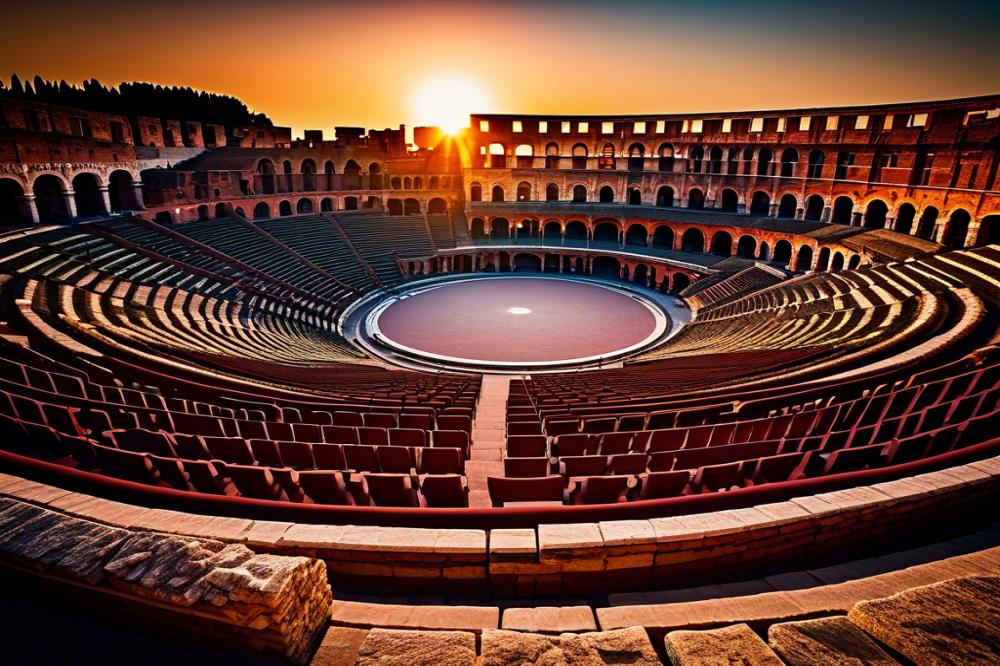
Italy is home to some of the most remarkable archaeological sites in the world. Among them are the Roman theatres that showcase the genius of ancient architecture. These structures are not just venues for entertainment; they hold stories of a civilization that valued culture and artistic expression. Each theatre tells a tale that connects people to the vibrant history of the Roman Empire.
Roman architecture plays a vital role in understanding the cultural heritage of Italy. These ancient theatres illustrate the innovative design and engineering skills of their time. Structures built over two thousand years ago continue to capture the imagination of visitors. They serve as a bridge linking modern viewers with the past. The preservation of these historical landmarks highlights the significance of maintaining Italy’s rich history.
This article will spotlight two notable locations: Verona and Ostia Antica. Verona is celebrated for its stunning amphitheater, the Arena, which remains a powerful symbol of the city. In contrast, Ostia Antica showcases the ruins of a bustling port town, rich in its own history and character. Both locations offer valuable insights into theater design and the role of performance in Roman life.
Tourism thrives around these sites, drawing countless visitors eager to explore the depths of Roman history. Travelers uncover the layers of civilization that shaped not only Italy but also the broader world. Whether you’re an art lover, a history buff, or simply curious, these awe-inspiring theatres are worth experiencing.
Roman theatres: Architectural Marvels
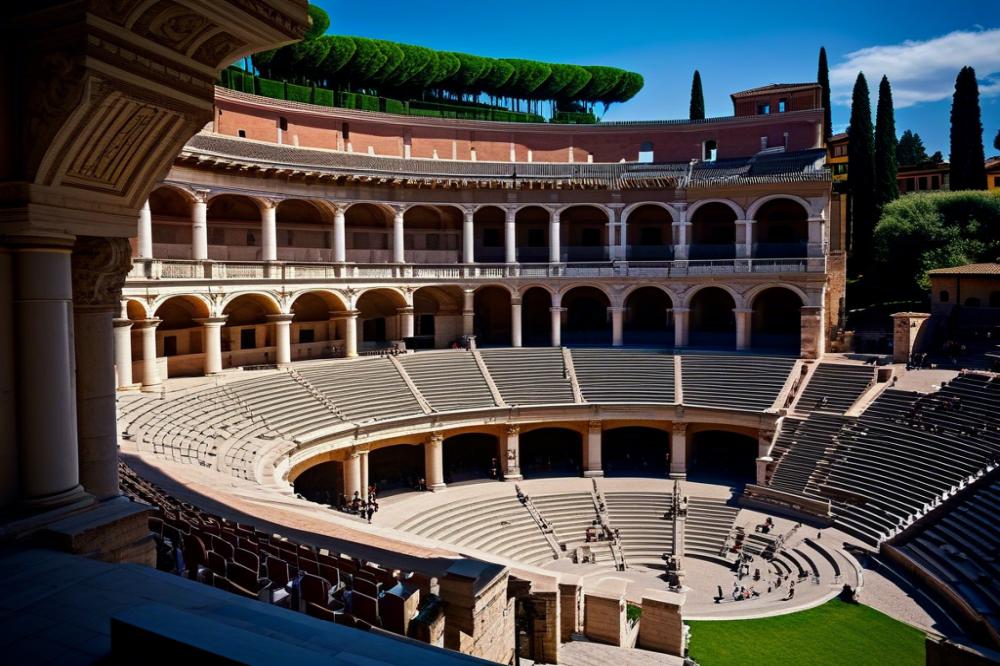
The architecture of ancient Rome showcases creativity and innovation. Auditorium design was significant for both entertainment and social gatherings. These theatres were built with a keen understanding of acoustics, ensuring that even whispers could be heard at a distance. The use of arches and concrete allowed for larger structures that still stand today.
Central to the design of these theatres was the circular or semi-circular shape. This layout provided great views from every seat, maximizing the audience’s experience. In cities like Verona, remnants of such structures reveal their grandeur. The combination of functionality and aesthetic appeal was truly impressive.
Aside from their shape, several elements demonstrate the skill of Roman craftsmen. Columns, intricate frescoes, and elaborate stage designs adorned these venues. Many had a backdrop called the scaenae frons, decorated to enhance performances. Each piece served a purpose, both practical and decorative, showing a deep respect for cultural heritage.
When comparing these ancient structures to modern theatres, differences become clear. Contemporary venues may prioritize technology over design, while ancient designs emphasized natural beauty. Current architectural endeavors often focus on climate control and accessibility. However, the emotional connection audiences felt in Roman theatres remains unmatched.
Italy travel offers a chance to witness these historical landmarks firsthand. Sites like Ostia Antica captivate visitors with their preserved ruins. Here, tourists can imagine the lively performances that once entertained thousands. The experience of walking through these archaeological sites allows for a deep appreciation of Roman history.
In recent years, the popularity of these venues has surged. As interest in cultural heritage grows, so does tourism around ancient architecture. People from all over flock to explore the remnants of a civilization that valued arts and entertainment. Each visit to these marvels furthers the understanding of ancient Roman life.
The Roman Theatre of Verona
Historical significance of the Verona theatre
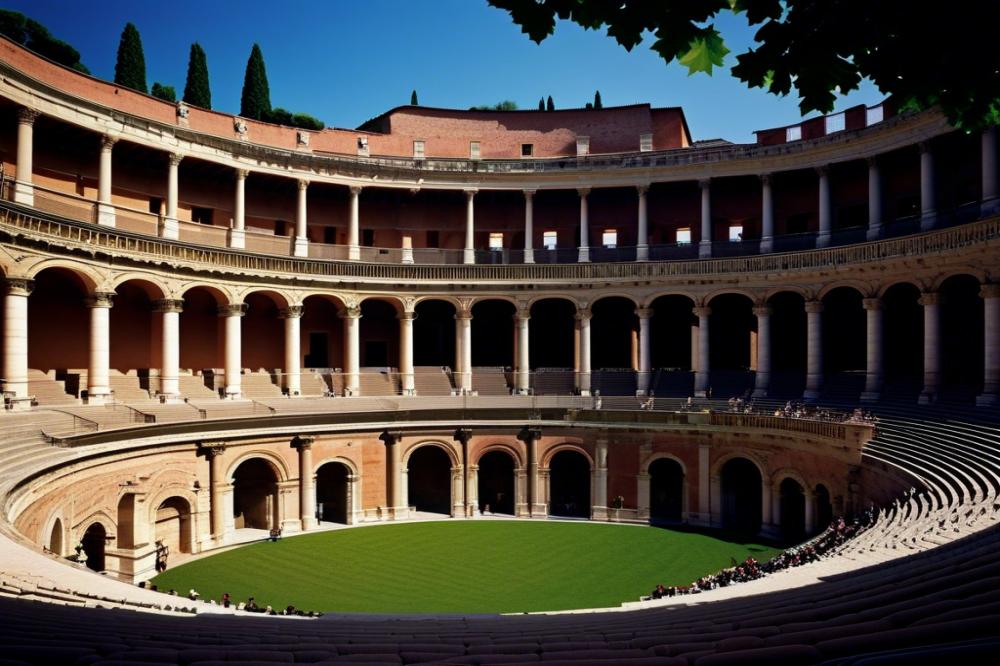
The Roman Theatre of Verona dates back to the 1st century AD. Built during the reign of Emperor Augustus, this theater showcases the early development of theater design in ancient Rome. It played a crucial role in the cultural life of Verona, hosting various performances. Visitors can sense the echoes of history as they walk through this architectural marvel. As a part of the Roman history, it connects modern visitors to the past, revealing insights into daily entertainment of that era. Located near the city’s river, it reflects the ancient connection between nature and art.
Architectural features and layout
Remarkable aspects of the Verona theatre include its semi-circular shape and tiered seating. This design allows for excellent acoustics, which enhances the audience’s experience. Stone and bricks from the region contribute to its durability and charm. The backdrop, known as the Skene, originally featured elaborate decorations that added to its visual appeal. Today, remnants of these structures can still be admired. Despite the passage of time, the theater retains its grand essence. Fragments of ancient architecture can be seen, giving a glimpse into the artistry of that period.
Current status as a tourist attraction and cultural site
Today, the Roman Theatre of Verona stands as a key tourist attraction. It draws visitors from around the world keen on exploring Italy travel options. Events such as concerts and performances are occasionally held here, making it a vibrant cultural site. Local initiatives promote the monument’s preservation, safeguarding its cultural heritage. Tourists often take guided tours to learn how the theatre influenced the region’s history. This archaeological site remains a celebrated historical landmark that enriches Verona’s cultural landscape.
Ostia Antica and its Theatrical Heritage
Exploration of the Ostia Antica Theatre
The Ostia Antica theatre is one of Italy’s most fascinating remnants of the past. Built in the 1st century BC, it showcases impressive ancient architecture. The structure could once seat about 3,500 spectators. Its semi-circular design follows typical theater design of the Roman period. Today, visitors find intricate details like the stage decorations and seating areas. Walking through this site feels like traveling back in time. You can almost hear the echoes of performances that once entertained the crowds.
The Role of Ostia Antica in Roman History
Ostia Antica served as the main port of ancient Rome. This strategic location was significant for trade and military operations. Its flourishing population made it an essential part of Roman life. As the city expanded, it became a melting pot of cultures. The theatre reflects this vibrant history, acting as a center for entertainment and social gatherings. Many historical landmarks tell stories of daily life and the city’s importance in the wider context of Roman history.
Preservation Efforts and Archaeological Significance
Preservation efforts at Ostia Antica are crucial for understanding its rich cultural heritage. Archaeologists have studied the site for decades, revealing layers of history buried beneath the earth. Tours often highlight the ongoing work to maintain the ruins. Such efforts attract tourists and history enthusiasts alike. The site also influences Italy travel, drawing visitors interested in archaeology. Experts are keen on protecting this archaeological site for future generations to appreciate. Stunning details from the past create an atmosphere of discovery and awe for all who visit.
Other Notable Roman Theatres in Italy
Italy boasts several significant theatres beyond the well-known examples like those in Verona and Ostia Antica. One prominent site is the Teatro Romano in Fiesole, located just outside Florence. This theater, built in the 1st century BC, reflects the influence of ancient architecture. Visitors can explore its breathtaking hilltop views and well-preserved ruins.
Another remarkable theatre is the Teatro di Marcello in Rome. This structure once hosted performances for thousands. Today, it stands as a symbol of Roman history, showcasing its impressive theater design. The site blends seamlessly into the surrounding urban landscape, making it a must-see for those interested in cultural heritage.
In the coastal town of Taormina, the Greco-Romano Theatre offers a wonderful experience. Its stunning backdrop of Mount Etna and the sea makes it visually striking. This historical landmark has hosted famous artists over the years. Travelers flock here for both its history and its breathtaking scenery.
Moreover, the ancient site of Sabratha in Libya, though outside Italy’s borders, deserves mention for its connection to Italian heritage. This theatre highlights the vast expanse of Roman influence in the Mediterranean. As an archaeological site, Sabratha competes with Italy’s own, attracting history enthusiasts and tourists alike.
Visiting these theatres enriches the travel experience in Italy. Tourists benefit from the chance to step back in time. They witness the grandeur of Roman civilization through architecture and performances that echo through the ages. These landmarks do more than draw in visitors; they preserve the legacy of an ancient culture.
The Influence of Roman Theatres in Modern Culture
The stage design and layout of ancient performance venues continue to resonate in today’s world. Historical landmarks like the famous amphitheater in Verona inspire modern architects and theater designers. Artists draw from the past, crafting performances that reflect themes from Roman history. Their rich storytelling connects audiences to a world that feels both distant and familiar.
Connections to contemporary venues are evident across the globe. Many modern theaters adopt the semi-circular structures that maximize sightlines. Open-air concerts often mimic the ambiance of these ancient spaces. Outdoor performances recreate the experience once felt by ancient audiences lounging in the sun. Popular festivals held in Italy, such as in Ostia Antica, showcase the timeless appeal of live shows.
Preserving archaeological sites is crucial for education and tourism. Visitors from around the world flock to Italy travel destinations to witness these remnants of cultural heritage. Exploring ancient architecture helps people understand historical contexts. Students and researchers study these sites to learn about the evolution of performance art. Such exploration promotes a deeper appreciation for the past.
As we hold onto our historical landmarks, we also foster innovation in art. The influence of ancient drama can be seen in modern film, theater, and even digital performances. Engaging with this legacy enriches contemporary culture. By understanding where we came from, we can better appreciate what we create today.
Final Thoughts
Italian theatres from the Roman era hold immense significance for understanding the past. These structures offer a glimpse into the entertainment, values, and daily life of ancient Romans. Each site speaks volumes about the culture’s appreciation for art, drama, and community engagement.
Visiting places like Verona or Ostia Antica provides a unique connection to history. Tourists can immerse themselves in the remnants of a world long gone. The architectural design and acoustics of these theatres showcase advanced engineering skills, which can still impress modern visitors. Beyond their grandeur, these sites tell stories of audiences who gathered to watch performances centuries ago.
Exploring these ancient ruins can ignite a sense of wonder and curiosity. Each visit encourages appreciation for the rich tapestry of human experience. Travelers are invited to rediscover the faded yet enduring relevance of these cultural landmarks. In a world filled with distractions, taking time to engage with history can be both meaningful and fulfilling.
The call to visit Italy’s historical sites becomes clearer with each story they tell. The allure of ancient stages invites exploration. This journey through time connects us to our shared heritage. So, whether one finds themselves in Verona or wandering through Ostia Antica, the experience is bound to leave a lasting impression.

