

Taking Flight: The Story of Italy’s Famous Airlines and Their Global Legacy
Italy has a rich tapestry woven into the fabric of global aviation. With a focus on travel, the country has produced notable airlines that became prominent during the 20th century. Alitalia stands out as the flag carrier, representing the spirit and culture of Italy. This airline not only connected major cities within Italy but also established routes to far-reaching destinations. Meridiana and Air Italy joined the roster, contributing to a network that spanned Europe and beyond.
These Italian Airlines have played a significant role in shaping the airline industry. Their presence has influenced travel patterns and set standards for flight experience. As tourism blossomed in Italy, airlines adapted to meet the rising demand, making air travel accessible to millions. Their achievements extend beyond borders, showcasing Italy’s capacity for innovation in aviation. Many passengers today still reminisce about their journeys with these carriers.
The legacy of these airlines endures as a testament to Italy’s contribution to Aviation History. Not only did they provide essential services, but they also reflected the lifestyle and elegance that Italy embodies. Even as the industry evolves, the essence of what these airlines represented remains significant. It is impossible to overlook their influence on modern air travel, as well as their role in connecting cultures worldwide.
Through the years, Italian Airlines have transformed the way we think about flying. Their stories intertwine with the growth of destinations, business opportunities, and leisure travel. While the challenges of the airline industry persist, the impact of Italy’s leading airlines on global travel will always be remembered. They took flight, and with them, countless dreams of adventure soared, creating a lasting impression on international air travel.
The Rise of Italian Airlines
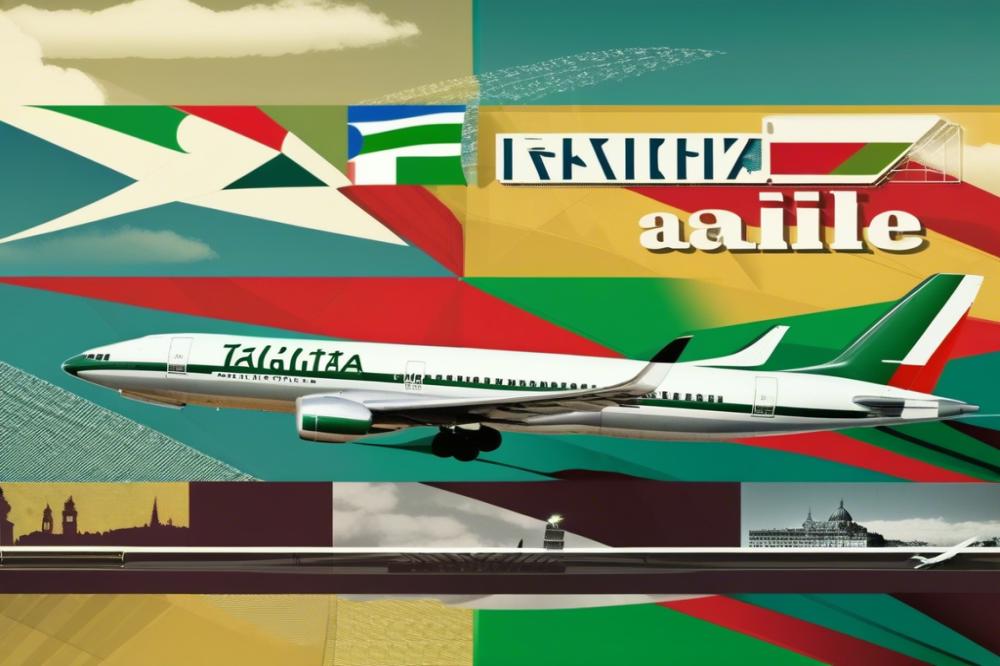
The history of aviation in Italy is rich and diverse. In the early 20th century, pioneering aviators began experimenting with flight. By the 1920s, the country saw the emergence of commercial services. This marked the start of a journey that would greatly connect Italy to the world.
Alitalia emerged as Italy’s flagship carrier in 1946. Its formation came after World War II, during a time of rebuilding and growth. As the primary airline of Italy, Alitalia played a significant role in linking global destinations. Passengers could travel to major cities like New York, Paris, and Tokyo, all with one airline. The brand quickly became synonymous with Italian hospitality and quality, contributing to the country’s global legacy.
Meridiana also entered the scene in 1963. It started as a regional airline but quickly expanded its reach. Over the years, Meridiana merged with other smaller carriers to grow its presence in the travel market. This allowed them to offer more domestic and international routes. The airline became known for its quality service during flights, enhancing the overall flight experience for travelers.
In more recent years, Air Italy was established in 2018. It was a reincarnation of the old Meridiana and focused on both Europe and North America. Although it aimed to compete with bigger players, the airline faced challenges in a competitive airline industry. Mergers and partnerships often create stronger competitors, but Air Italy struggled to find the right fit.
Despite the ups and downs, these airlines contributed significantly to the aviation landscape in Italy. Their collective efforts helped shape the travel industry and offered unique experiences to passengers. The impact of Alitalia, Meridiana, and Air Italy is evident in the connections they created between Italy and the rest of the world.
The Flight Experience with Italian Airlines
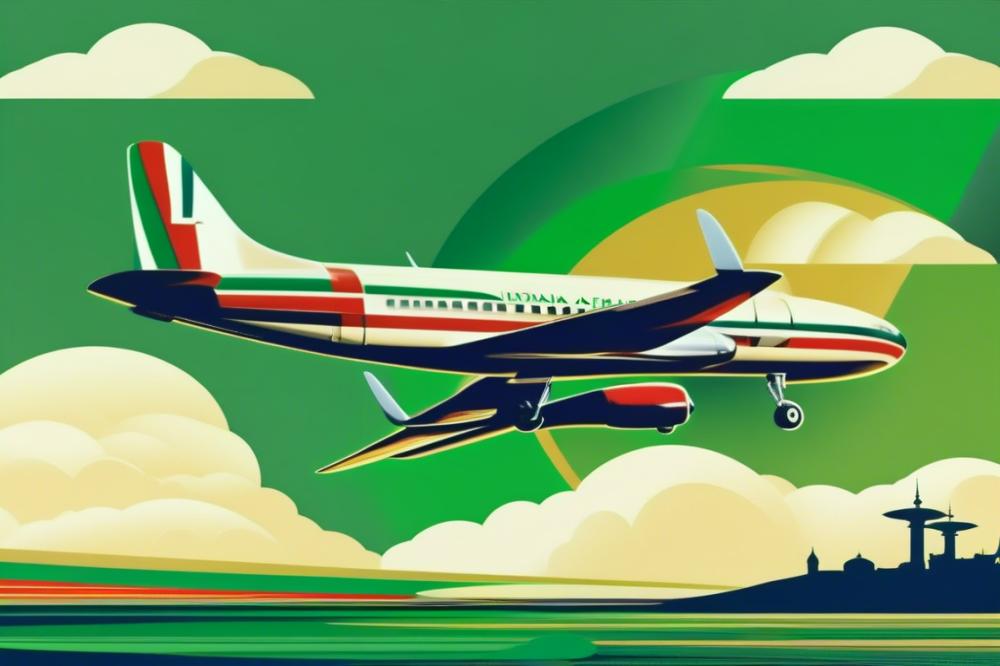
Traveling with Italian airlines provides a mix of comfort and tradition. Alitalia, once the flag carrier, set standards in customer service. Friendly staff greeted passengers with a warm smile and a genuine welcome. Meridiana, another notable airline, also focused on passenger comfort. The seating arrangements are decent, allowing for a pleasant journey even on long-haul flights.
In-flight amenities play a crucial role in the overall travel experience. Meals served on board feature regional dishes, celebrating Italy’s rich culinary heritage. Travelers often enjoy a selection of wines, showcasing the country’s famous vineyards. Snacks and drinks are readily available throughout the flight. Air Italy aimed to enhance its meal options by introducing Mediterranean-inspired menus, appealing to travelers’ tastes.
Comfort remains paramount. Many airlines offer options to upgrade seating for added space. The introduction of new aircraft by various airlines contributes to a smoother ride. Noise-reducing technology and improved cabin designs enhance the travel experience. With cozy lighting and modern entertainment systems, passengers can relax better.
Innovation isn’t just limited to comfort. The airline industry has seen technological advancements in booking and check-in processes. Mobile apps now allow passengers to manage their flights with ease. This greater accessibility helps reduce travel stress. Airlines continuously strive to improve efficiency and customer satisfaction.
Travelers share their experiences. Compliments often highlight the courteous nature of the flight attendants. Feedback indicates a consistent commitment to quality service across airlines. Long-standing traditions blend with modern practices to create a distinctive air travel adventure. The overall journey comfort leaves a lasting impression.
Italy’s airlines carry a global legacy, influencing standards worldwide. Their approach to service sets a benchmark for other countries. As travel grows in this connected world, Italian airlines are adapting. They embrace innovation while holding onto the essence of Italian hospitality. This combination makes each flight a memorable experience.
The Global Impact of Italian Airlines
The influence of Alitalia, Meridiana, and Air Italy goes well beyond Italy’s borders. These carriers have shaped the international airline industry for decades. Their extensive route networks connect Europe, Asia, Africa, and the Americas. This reach has helped promote Italy as a destination for both business and leisure travelers.
Partnerships play a crucial role in expanding the flight experience offered by these airlines. Alitalia built strong alliances with global leaders in aviation, enhancing its ability to serve customers worldwide. Codeshare agreements allowed passengers to book flights on multiple carriers with ease. This practice simplified travel plans while also providing more choices for destinations and schedules.
Tourism flourishes due to flights from these companies. Many travelers choose to explore Italy’s rich culture and history, thanks to affordable air travel. Business travel also experiences a boost. Executives and entrepreneurs can easily commute to Italy for meetings or conferences. Such activities create beneficial economic links between Italy and the rest of the world.
Air Italy, although a newer name in the industry, made strides in its international presence. It focused on routes linking major U.S. cities to beautiful Italian destinations. This focus helped capture the attention of travelers eager to experience Italy’s charm. Meridiana also contributed by connecting lesser-known regions with popular tourist spots. Their unique routes enhance visitor access to hidden gems throughout the country.
Through their efforts, these airlines have significantly impacted global aviation networks. Their contributions facilitate a flow of tourists and business professionals alike. Many travelers rely on these air carriers to journey into and out of Italy. Connections forged through air travel nurture business relationships and cultural exchanges.
In summary, the collective efforts of Alitalia, Meridiana, and Air Italy demonstrate the importance of Italian airlines. They have not only fostered tourism but also strengthened global ties through aviation. As these companies evolve, they will continue to play a vital role in connecting Italy with the world.
Challenges and Transformations in the Airline Industry
The airline industry in Italy has faced significant economic challenges, especially during global crises. One of the most notable events was the COVID-19 pandemic, which severely impacted travel worldwide. Alitalia, once the flagship carrier, struggled with reduced passenger numbers. Many travelers were hesitant to book flights due to health concerns and restrictions.
Meridiana and Air Italy also dealt with similar problems. Airlines across the board had to make tough decisions. Layoffs and bankruptcy became common as companies sought to stay afloat. The urgency to adapt to changing market conditions was high. Some airlines turned to government support to survive this tough period.
Restructuring efforts began as the industry sought a way forward. With financial aid from the Italian government, Alitalia attempted to reinvent itself. Modernization was crucial as well. Updating fleets and improving technology helped airlines respond better to passenger needs. Adapting to the demands of today’s travelers became a priority for all carriers.
The push towards efficiency transformed the flight experience. New health and safety measures were adopted to build traveler confidence. Increased focus on online bookings and customer service sought to bring back previous passengers. Digital solutions emerged, catering to the need for flexibility and convenience.
Innovation was key during these transformations. Emerging trends showed a shift in travel preferences, prompting airlines to rethink their strategies. Short-haul and long-haul services had to align with changing consumer behavior. Italy’s famous airlines worked diligently to establish a more resilient future in aviation.
Exploring the global legacy of these companies highlights their importance. They have not only shaped Italy’s travel landscape but also influenced connections worldwide. Adapting to new economic realities remains critical for their survival. As the industry recovers, lessons from the past will guide future decisions.
The Future of Italian Airlines
The airline industry in Italy is on the brink of change. Predictions suggest that sustainability will play a central role in this evolution. Travelers are increasingly concerned about their carbon footprint. Airlines must adapt to this new mindset.
Alitalia and other legacy carriers face challenges as they try to modernize. Innovative ideas will be crucial for survival. Emerging technologies could reshape the flight experience. Electric aircraft are no longer just a dream; they are becoming a reality.
Customer preferences are also shifting. Many passengers want more than just a ticket. They seek experiences that resonate with their values. Travelers appreciate companies that prioritize eco-friendly practices. Airlines in Italy must listen closely to these demands.
Meridiana and Air Italy are examples of carriers that might pivot towards greener solutions. New regulations about emissions will compel companies to act. This is not just about compliance; it’s about leadership in the aviation sector.
Moreover, technological advancements are not limited to aircraft design. Digital transformations are changing how people book travel. Online platforms allow consumers to make informed choices quickly. Social media influences decisions, from airlines to destinations. Companies that embrace these changes will likely succeed.
Flight safety remains a top priority as well. Enhanced measures for health and security will be essential as travel resumes post-pandemic. Trust is everything in the airline industry, and protecting passengers must be a focus moving forward.
Furthermore, Italy’s unique landscape offers opportunities for niche markets. Regional routes could attract more tourists to less visited areas. As the travel sector rebounds, this could energize local economies, fostering job creation.
The global legacy of Italian airlines hangs in the balance. They will need to evolve to remain relevant. Balancing profitability with sustainability poses a significant challenge. However, the potential rewards are immense.
Reflecting on a Legacy
Italian airlines have played a vital role in shaping the global aviation landscape. Their contributions extend beyond flying passengers from one city to another. Alitalia, for example, introduced many innovative practices that set standards in the industry. Through their efforts, they elevated customer service and in-flight experience, paving the way for others to follow.
Meridiana, another significant player, expanded regional connectivity. They opened up routes that brought smaller cities into the global travel conversation. This expansion allowed passengers to explore parts of Italy that were once overlooked. Connectivity is essential in today’s world, and their work has left a lasting impact.
The legacy of these carriers is not just about transportation; it encompasses culture and tourism as well. Travelers seeking authentic Italian experiences often owe those journeys to the airlines that made them accessible. Their influence is felt in the arts, cuisine, and ways of life of the regions they served.
As the aviation industry evolves, the lessons learned from Italian airlines remain relevant. Adapting to changes, whether in technology or passenger needs, is crucial for growth. Modern travelers look for comfort, efficiency, and enhanced experiences—values that these airlines have long championed.
In summary, the global aviation landscape owes much to these pioneers. Their commitment to innovation and service shaped the way people fly today. Future generations will continue to benefit from their groundwork, ensuring that the spirit of Italian aviation lives on.

