
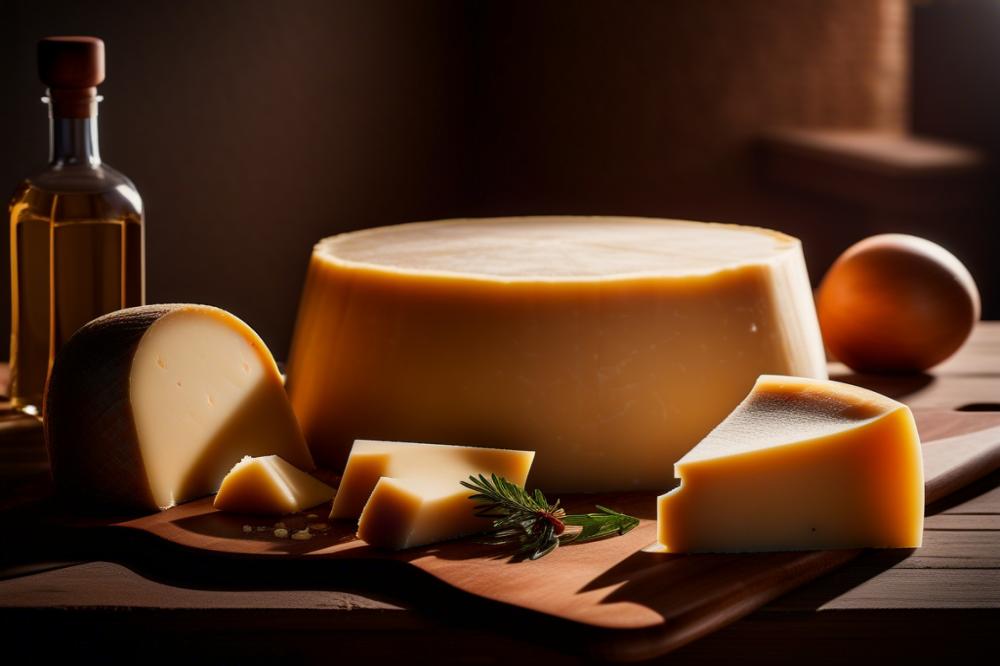
Exploring the Culinary Delights of Italy
Culinary adventure holidays in Italy continue to attract food lovers from around the globe. Traveling through this beautiful country often includes a deep dive into its rich culinary traditions. Each region offers its own specialties, contributing to the diverse tapestry of Italian cuisine. One such delight, known worldwide, is Parmigiano Reggiano. This exquisite cheese is not just a staple ingredient; it embodies the heart and soul of Italian gastronomy.
Emilia-Romagna stands out as a premier destination for anyone passionate about dairy products and artisanal cheese. Renowned for its exceptional cheese-making process, this area fascinates travelers with its authentic flavors and age-old traditions. Tourists flock to local cheese factories to witness the care that goes into crafting these iconic cheeses. A typical tasting experience allows visitors to savor rich flavors while learning about the meticulous steps that artisans follow to bring these products to life.
Food tourism in this region provides an opportunity to explore beyond mere tasting. Focusing on regional specialties adds an exciting element to gourmet travel. As you walk through the picturesque landscapes, countless culinary treasures await. Engaging with local producers offers insights into the passion and dedication behind each artisan’s work. Every bite of Parmigiano Reggiano tells a story, connecting those who taste it to the lush fields and time-honored practices that made it possible.
Traveling to Emilia-Romagna for a cheese adventure is sure to enhance any traveler’s culinary repertoire. The joy of tasting cheese fresh from the factory while surrounded by the region’s stunning scenery creates lasting memories. With every fragment of cheese, visitors get a taste of Italian culture, craftsmanship, and history, all beautifully integrated into one incredible experience.
Exploring the cheese factory

Description of a typical cheese factory in Emilia-Romagna
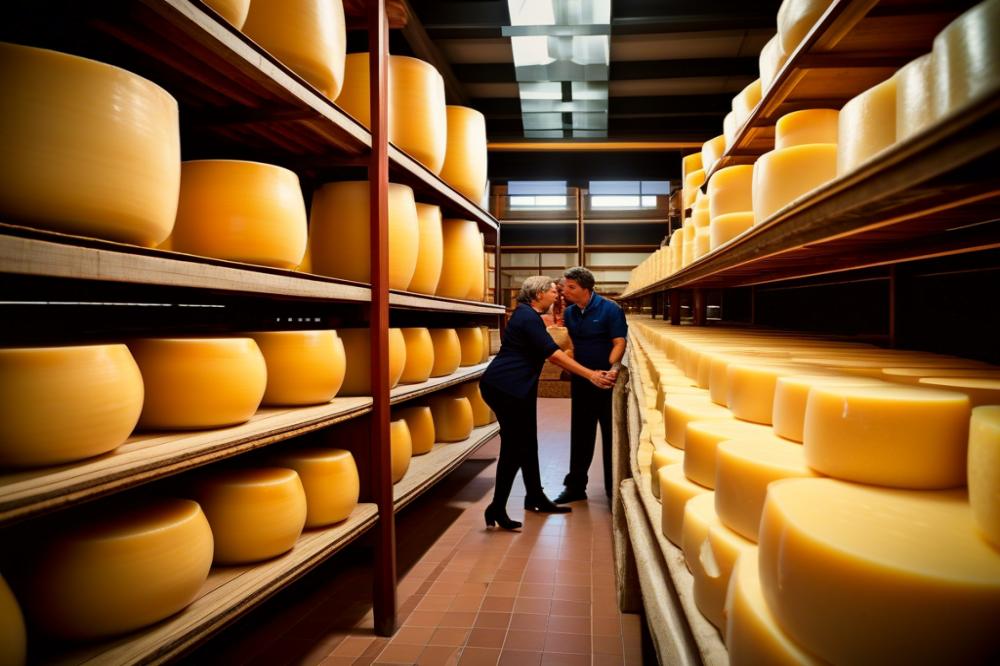
Visiting a cheese factory in Emilia-Romagna is a fascinating experience. The factories often have a rustic charm, with wooden beams and large copper vats. These buildings may appear simple, but they are filled with the rich history of Italian cheese-making. Inside, the air is filled with the distinct aroma of aging cheese. Visitors can often see cheese wheels lined up in rows, waiting to be enjoyed. Each step of the cheese-making process is carefully guarded, as it contributes to the final product’s quality.
Role of family-owned businesses in cheese production
Many cheese factories in the region are family-owned. This tradition of passing down knowledge is crucial in maintaining high standards. Families involved in production often take pride in their craft. Generations of experience allow them to produce exceptional dairy products. These small businesses play a vital role in the local economy. They contribute to the authenticity of Italian cuisine, offering products that are deeply rooted in local culture.
Overview of artisanal cheese-making techniques
Artisanal cheese-making techniques are essential for creating high-quality Parmigiano Reggiano. The entire cheese-making process is intricate and requires attention to detail. It starts with fresh milk, typically sourced from local farms. Craftsmen skillfully transform the milk by heating and curdling it. This method enhances flavors and textures unique to the region. Aging is also critical; cheese can mature for months or even years. During this time, flavors develop complexity that elevates the tasting experience. For those who indulge in food tourism, firsthand knowledge of these techniques adds a special layer to any culinary adventure.
The Cheese-Making Process
Understanding how Parmigiano Reggiano is made is an essential part of the tasting experience. Visitors to a cheese factory in Emilia-Romagna often witness this captivating procedure. It begins with selecting the right ingredients. Fresh cow’s milk is the star of the show. Milk from the region’s local farms is preferred for its quality. The consistency of the milk is crucial for cheese-making.
The process starts early in the morning. Milk from the previous evening is warmed up in large copper vats. Rennet and starter cultures are added next. These ingredients help in coagulating the milk, forming curds. Once the curds form, they are cut into tiny pieces. This step is vital. The smaller curds allow for efficient whey separation, leading to that rich texture known and loved in Italian cuisine.
After cutting, the curds are heated and stirred. Heating the mixture enhances moisture loss. Eventually, the curds sink to the bottom. They form a solid mass, which is then drained of excess whey. The resulting product is placed into molds. These molds dictate the final shape of the cheese. The wheel of cheese takes its form, ready to be salted.
Salting is another critical step. The wheels are immersed in brine, or saltwater, for weeks. This enhances flavor and acts as a preservative. Salting also ensures the cheese develops its distinctive taste over time. At this point, a young wheel of cheese begins its aging journey.
Age is an essential factor in the cheese-making process. Typically, Parmigiano Reggiano ages for 12 to 36 months, but some wheels develop for much longer. During this time, cheese makers monitor the product closely. They check for irregularities and examine its texture and aroma. Traditional methods, such as turning the wheels regularly, are still practiced. Generations of cheese makers have passed down these skills, preserving the art of artisanal cheese.
Today, modern technology also plays a role. However, many cheese factories respect and adhere to traditional practices. Elements of the region’s culture and history influence every step. The result is a delightful product that stands as a symbol of gourmet travel and food tourism.
Visitors exploring Emilia-Romagna can appreciate these regional specialties. By experiencing firsthand the flavors and textures, they engage in a culinary adventure. Tasting the finished Parmigiano Reggiano allows people to savor the fruit of careful work. It showcases the dedication of dairy farmers and cheese makers alike.
The Tasting Experience
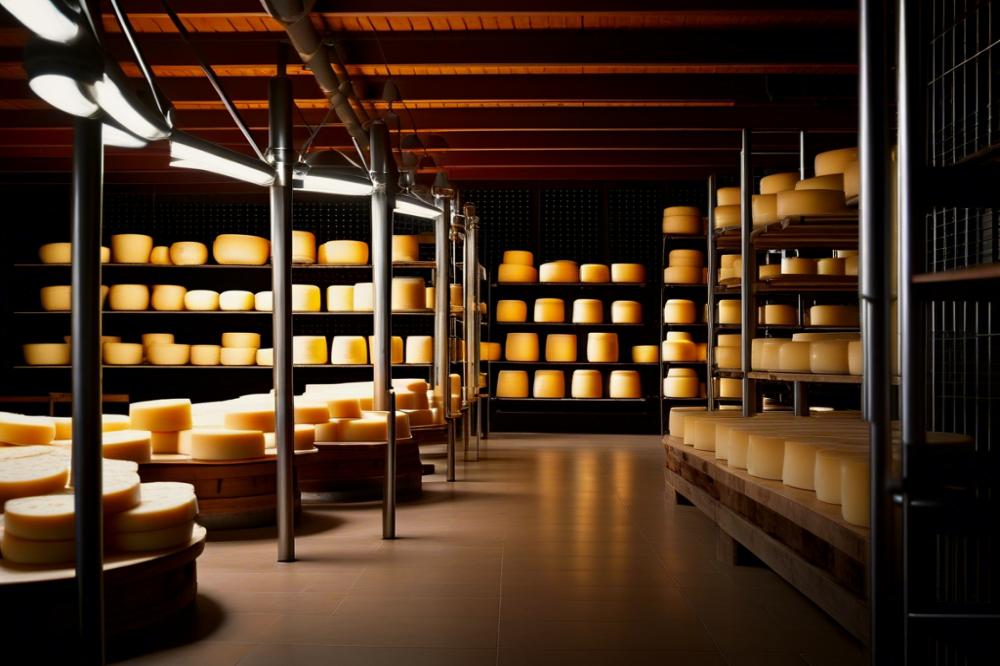
What can visitors expect during a tasting tour at the cheese factory? Upon arrival, guests are greeted by the warm atmosphere of the facility. The guides often share stories about the rich history of cheese-making in Emilia-Romagna. The experience typically begins with a brief overview of how the famous cheese is crafted from fresh milk. Observing the cheese-making process can be fascinating. Visitors watch as skilled artisans transform ordinary ingredients into an extraordinary dairy product.
Pairing with Local Wines and Regional Specialties
Next, attendees have the opportunity to taste the cheese alongside local wines. Wines from nearby vineyards enhance the flavors of the dairy product. Different types of cheese pair wonderfully with various regional specialties. For example, a sweet balsamic vinegar complements its savory notes nicely. Guests may also sample bread, honey, and cured meats that showcase the best of Italian cuisine. This culinary adventure allows for a deeper understanding of how Parmigiano Reggiano fits into the broader context of food tourism.
Personal Anecdotes from Visitors
Many visitors share memorable moments from their tastings. One traveler recalled the first bite of aged cheese paired with a crisp white wine. The flavors exploded in their mouth, creating a delightful experience. Another guest spoke about chatting with locals and learning their secrets for enjoying the cheese at home. These shared stories enrich the tasting experience, highlighting how artisanal cheese connects people. Often, participants leave the factory with newfound appreciation for the craft of cheese-making and a longing to recreate their experience back home.
The Role of Parmigiano Reggiano in Italian Cuisine
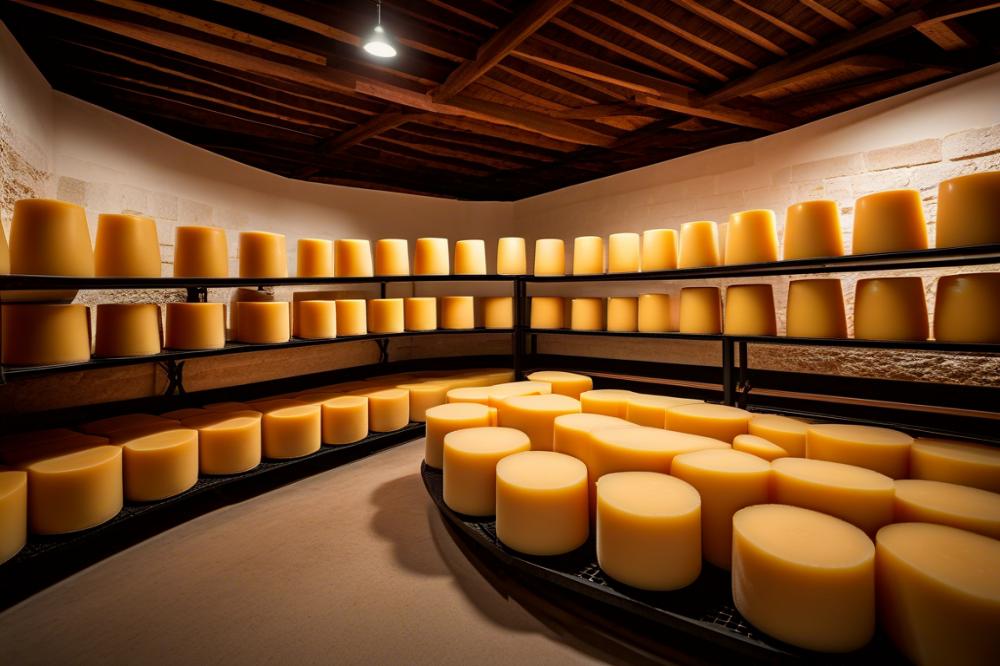
In traditional Italian cuisine, Parmigiano Reggiano serves as more than just a topping. It enriches numerous dishes with its rich flavor and hard texture. Commonly found in risottos, its grated form enhances the creaminess of the dish. Pasta is another staple where this cheese shines, adding depth to sauces. Small shavings can also be used in a simple salad, showcasing its versatility.
During your culinary adventure in Emilia-Romagna, the cheese factory tasting experience is essential for understanding the role this cheese plays in gourmet travel. Visitors can sample various dairy products that highlight the artistry behind cheese-making. Each bite reveals the labor-intensive process that crafts the cheese into something extraordinary. This not only demonstrates its centrality in local cuisine but also illustrates the passion of artisanal cheese makers.
Food tourism flourishes in this region partly due to the emphasis placed on regional specialties. Tourists flock here to immerse themselves in the culture that celebrates rich flavors and traditional methods. The connection between the cheese and the land around it becomes evident during visits to local producers. Attending tastings in the heart of Emilia-Romagna offers insights into its importance in the broader culinary landscape.
Cheese lovers and cooking enthusiasts alike often seek out this experience. Sampling authentic flavors elevates their understanding of Italian cuisine while promoting a greater appreciation for quality ingredients. Each aspect of the tasting—texture, aroma, and taste—contributes to an unforgettable experience for visitors. Parmigiano Reggiano is indeed a cornerstone of Italian gastronomical heritage.
Exploring Other Dairy Products
Emilia-Romagna is renowned for its broad range of dairy products. Beyond Parmigiano Reggiano, you can find other famous cheeses that contribute to the region’s culinary identity. For instance, Gorgonzola offers a rich and creamy blue cheese experience, while Squacquerone is known for its soft texture and mild flavor. Both of these cheeses showcase the diversity of dairy production in this part of Italy.
Pairing cheese with local foods creates a delicious combination that enhances the overall tasting experience. Olive oil from nearby hills can perfectly complement these cheeses, adding richness to any dish. Additionally, local meats, like Prosciutto di Parma, work harmoniously with cheese. These pairings reflect the region’s dedication to high-quality ingredients and traditional methods.
Food tourism thrives in Emilia-Romagna, especially for those eager to explore artisanal cheese. Many cheese factories invite visitors to sample various products and learn about the cheese-making process. Guests have opportunities to taste different textures and flavors. These tastings create a culinary adventure that showcases the region’s diverse specialties.
Sampling artisanal cheese in this area is not just about individual enjoyment. It also supports local producers who craft these distinctive products with passion. Visitors can appreciate not only the taste but also the history and tradition behind each bite. A trip through Emilia-Romagna promises delightful surprises for cheese lovers and food enthusiasts alike.
Final Thoughts
What an incredible journey it is to taste one of the world’s most celebrated cheeses. Visiting a cheese factory in Emilia-Romagna offers more than just a chance to savor finely aged cheese. This adventure immerses you in rich traditions and artisan techniques handed down through generations. Each bite reveals a story, a history that speaks to the craftsmanship behind this beloved culinary product.
Traveling through Italy not only satisfies your palate but also feeds your desire for adventure. Culinary vacations in this stunning country open doors to flavors, cultures, and experiences that remain etched in memory. Many travelers find joy in attending local markets, cooking classes, and food festivals. Imagine the satisfaction of pairing fresh pasta with a sprinkle of cheese you sampled just days earlier!
The legacy of this renowned cheese extends far beyond its original region. It influences countless recipes worldwide and enhances various dishes with its remarkable depth of flavor. As you explore your own culinary interests, remember that food connects people and cultures. The joy of savoring authentic flavors can inspire anyone to create lasting memories, one cheese board at a time.
Consider the beauty of Italy and the experiences it offers. Embrace the opportunity to discover, learn, and appreciate the art of cheesemaking. With each encounter, your understanding of this artisan cheese and its role in global cuisine deepens. This tasting experience is a reminder of the rich tapestry of flavors that unite us all.

