
The Architectural Beauty of Teatro Carlo Felice in Genoa
The Teatro Carlo Felice stands as an iconic opera house nestled in the heart of Genoa. This historical building captures the essence of Italian culture and artistic expression. As a performance venue, it has hosted countless theatrical performances, enchanting audiences with its charm and grandeur.
Situated in a city rich with a vibrant past, Genoa holds a special place in Italian architecture and music history. Its stunning landmarks reflect a blend of styles and influences. The city has been a cradle for artistic endeavors, nurturing musicians and architects alike. This opulence of culture enhances the significance of the Teatro Carlo Felice.
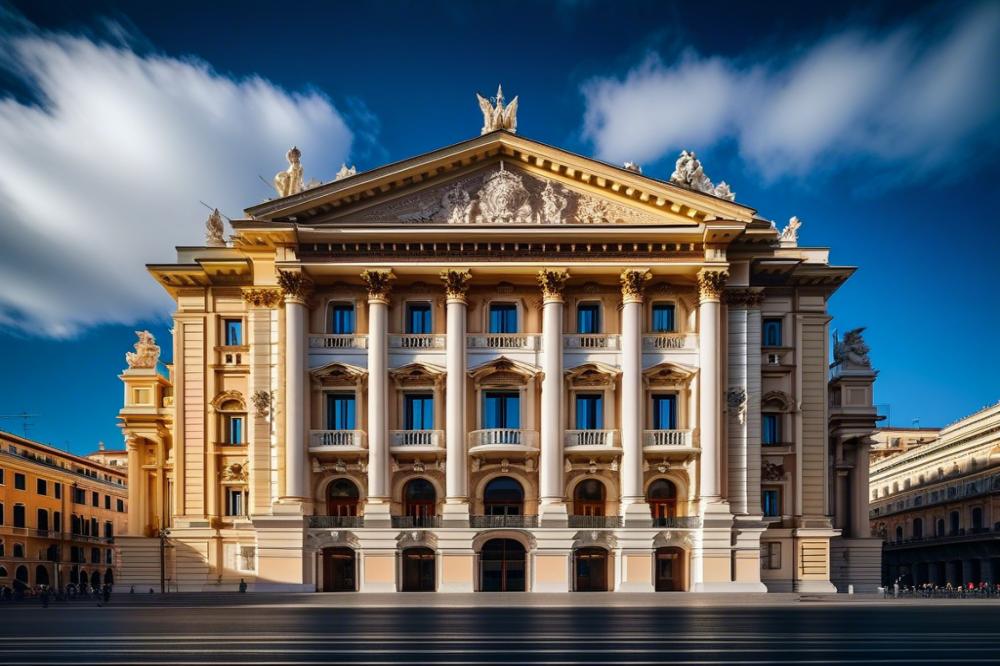
The architectural marvel features a neoclassical design that embodies the cultural heritage of its era. Statues and intricate details adorn its facade, inviting admiration from passersby. This design doesn’t just showcase beauty; it tells stories of the past. Visitors often find themselves captivated by the aesthetic that defines the opera house.
In summary, the Teatro Carlo Felice is more than just a building. It represents a milestone in Genoa architecture and acts as a beacon for the performing arts. Understanding its importance illuminates the rich tapestry of cultural narratives that shapes this remarkable city.
The History of Teatro Carlo Felice
Genoa’s opera house began its journey in the 19th century. It was inaugurated in 1828, named after King Charles Felix of Sardinia. This establishment was built to replace an earlier theater that was destroyed by fire. The original vision blended elements of Italian architecture with ornate neoclassical design.
Several key historical events have shaped this remarkable building. In 1944, during World War II, the opera house suffered severe damage from bombings. Later, restoration efforts took place, reviving the structure’s elegance. The reopening occurred in 1986, marking a new era for this cultural heritage site.
The Teatro Carlo Felice has evolved beyond just a performance venue. Today, it stands as a focal point in Genoa’s artistic and cultural landscape. Generations of music lovers have flocked here for operatic productions and theatrical performances. The theater not only showcases local talent but also attracts international artists, enriching the city’s music history.
As one of the city’s most treasured Genoa landmarks, it embodies the artistic significance of its community. Visitors often admire its stunning façade and opulent interiors. It serves as a testament to the city’s commitment to the arts, providing a space where tradition meets innovation.
Architectural Features and Design
The Teatro Carlo Felice in Genoa stands as a magnificent example of neoclassical design in the realm of opera houses. This historical building exudes a sense of grandeur that reflects the artistic significance of its time. Elements of symmetry and proportion dominate the exterior, typical of neoclassical architecture.
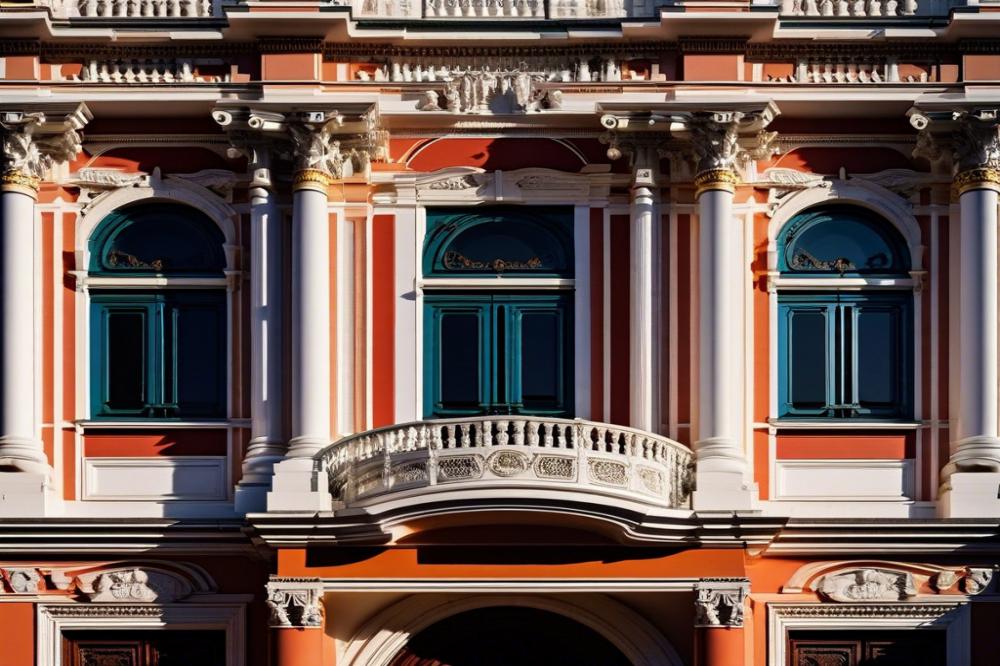
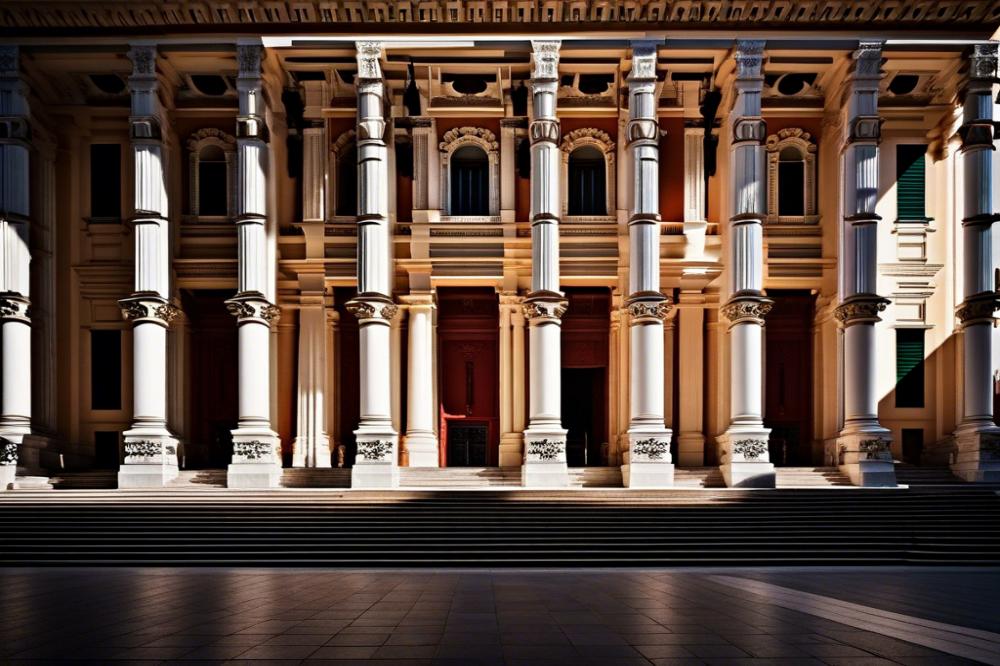
Details such as intricate cornices and grand columns enhance its beauty. These features draw the eyes upward, emphasizing the height of the facade. The use of white stone creates a striking contrast with the blue sky, making this venue one of the standout Genoa landmarks. Visitors often admire the beautifully crafted balconies that invite patrons to experience performances in style.
Comparing the Teatro Carlo Felice to other Italian opera houses reveals a rich tradition of architectural elegance. While many structures boast ornate decorations, this particular venue focuses on clean lines and a refined aesthetic. It has been argued that the balance of simplicity and detail gives it a unique character among its peers.
Nearby, other venues like La Scala in Milan showcase a different approach, with their lavish interiors and opulent decor. The Teatro Carlo Felice prioritizes not only visual impact but also functionality as a performance venue. Its design aims to support exceptional acoustics, contributing to a memorable experience for everyone who attends a show.
This focus on both beauty and utility demonstrates the blend of historical significance and modern needs in Italian architecture. Throughout music history, places like this have fostered a vibrant cultural heritage, serving as a stage for some of the greatest theatrical performances in the country. The neoclassical elements underscore a legacy that continues to resonate within Italy’s artistic community.
Performance Venue and Cultural Importance
As a premier performance venue, the Teatro Carlo Felice stands out in the vibrant landscape of Genoa. This opera house attracts audiences from all around, drawn by its stunning neoclassical design and rich programming. Many people cherish it not only for its aesthetic appeal but also for the artistic experiences it offers.
Noteworthy theatrical performances have graced its stage over the years, captivating local and international audiences alike. Renowned operas, modern plays, and innovative musical productions showcase the diversity of talent that the venue supports. Each season brings a roster filled with exciting offerings, from classic standards to contemporary works that challenge artistic boundaries.
More than just a stage for entertainment, the historical building serves as an essential part of Italy’s cultural heritage. It plays a vital role in preserving music history and the arts, ensuring that the legacies of Italian composers and performers continue to thrive. Through its various initiatives and productions, the opera house promotes deep appreciation for Italian architecture and local craftsmanship.
Genoa landmarks like this one hold a special place in the heart of the city. Additionally, it fosters a sense of community by engaging residents and visitors alike. This commitment to promoting artistic significance enriches the overall cultural fabric of the area. Enthusiasts flock to the theater not just to witness performances but to become a part of its ongoing story.
Teatro Carlo Felice in the Context of Genoa Landmarks
The opera house holds a vital place in the fabric of Genoa’s landmarks. It stands as a testament to the city’s rich history and cultural heritage. This historical building showcases neoclassical design, which reflects the artistic trends of its time. As a significant performance venue, it attracts visitors from far and wide, eager to experience its charm and grandeur.
Interaction with other cultural institutions enhances the vibrancy of the area. Nearby museums and galleries contribute to a lively artistic scene. These connections foster a sense of community, drawing people to enjoy not only opera but also a variety of theatrical performances. Such collaborations bolster the impact of music history in the region.
Artistic significance resonates throughout the exterior and interior of the opera house. It embodies the spirit of Italian architecture, inspiring local artists and performers. As a symbol of Genoa’s artistic identity, it stands out among its peers, offering a glimpse into the city’s dedication to the arts. People visiting often feel the connection this building has with the city’s cultural narrative.
Surrounding landmarks also play a role in framing the importance of this site. Historical sites help tell the story of Genoa’s evolution over the centuries. Every stroll through the area reveals layers of artistic creation and rich experiences. This continuous dialogue between buildings and their artistic contents makes the city a fascinating destination.
Final Thoughts on Teatro Carlo Felice
Architecturally, this opera house stands as a beacon of cultural significance in Genoa. Visitors marvel at its neoclassical design, which captures the essence of grandeur and elegance. This historic venue not only hosts stunning performances but also reflects the artistic spirit of its time. It has become a cornerstone of the city’s identity, drawing both locals and tourists.
Culturally, Teatro Carlo Felice has played a pivotal role in shaping the landscape of Italian performing arts. Over the years, it has supported countless artists and showcased a wide range of performances, from opera to ballet. Its acoustics and intimate setting contribute to an unforgettable experience for audiences. The stories woven into its walls echo throughout the ages, creating a rich legacy that inspires future generations.
In reflecting on its enduring legacy, one realizes that this building is more than just bricks and mortar. It represents the passion and creativity of the past while paving the way for contemporary artists. Most importantly, it invites everyone to appreciate the beauty of live performance in a space designed for such expression.
A visit to this landmark is not just a trip to a building; it is a journey through history and artistry. By exploring its halls and attending a show, visitors can immerse themselves in the charm of Genoa’s heritage. Therefore, make plans to experience this monumental treasure firsthand. It is a venue worthy of admiration and a key part of the city’s cultural fabric.

