
Overview of Italy’s Population Statistics
Italy is experiencing significant changes in its demographic landscape. As of 2023, the population is around 58 million. However, this figure hides deeper issues. The country faces a demographic decline, characterized by a low birth rate and a rising number of elderly citizens. An aging population, where over 20% are aged 65 or older, puts pressure on social services and healthcare systems.
Migration patterns also play a crucial role in shaping Italy’s demographics. Many people from North Africa and the Middle East seek refuge or better opportunities in Europe, including Italy. While immigration can help mitigate some population loss, it also raises questions about integration and national identity. Urbanization trends have transformed cities, posing challenges related to housing, infrastructure, and public health.
Importance of Addressing Population Challenges
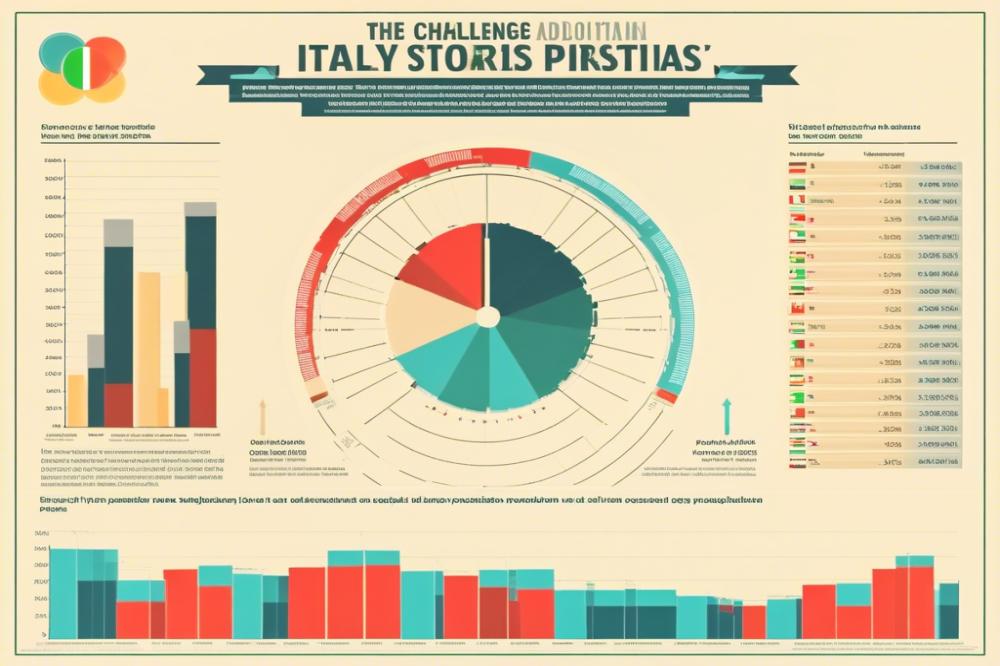
Addressing Italy’s population challenges is vital for its future. unemployment rates remain stubbornly high, especially among the youth. Economic inequality is another pressing concern, leaving many Italians struggling to make ends meet. Social and economic pressures can lead to political instability, causing further complications in policy-making.
Additionally, the effects of climate change are becoming increasingly evident. Rising sea levels and extreme weather events can threaten livelihoods and force populations to migrate. Balancing economic growth with environmental sustainability presents a significant challenge. Italy’s path forward must consider these interconnected problems. The social economic environmental landscape is complex. Solutions require thoughtful dialogue and cooperation among communities, governments, and businesses.
In conclusion, Italy stands at a crossroads. The next few years will be critical in shaping its demographic future. Without proactive measures, population trends could lead to profound challenges that affect every aspect of Italian life.
Italy’s population challenges
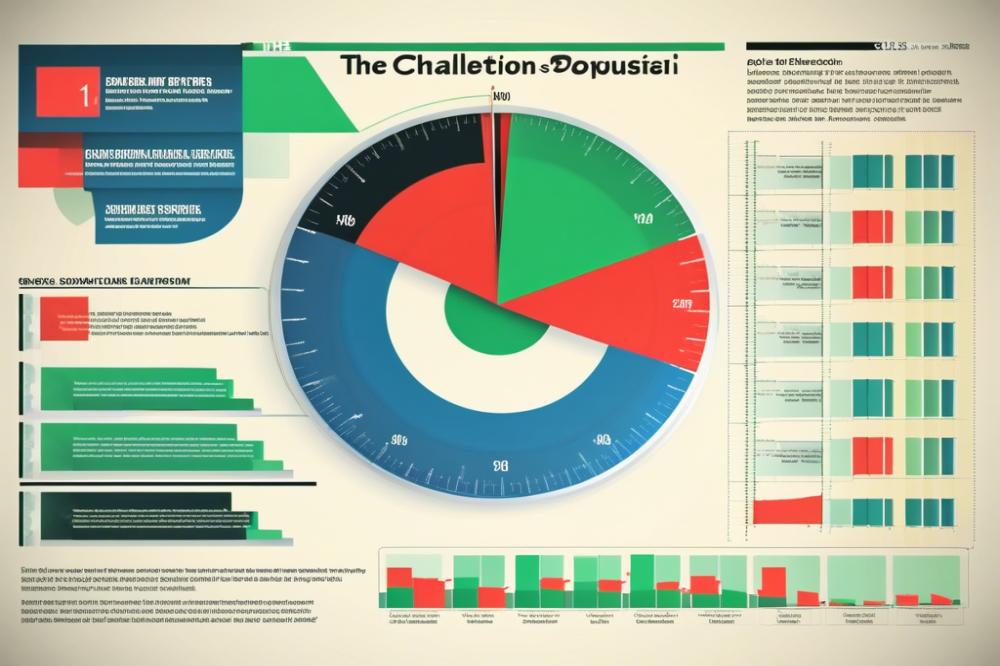
Italy is facing several population challenges that affect its society, economy, and environment. These issues stem from a variety of sources, including demographic decline, aging citizens, and significant social pressures. The country grapples with fewer born citizens, causing concerns about future labor markets and social services. These overlapping problems create an environment that is difficult to navigate for many Italians.
Current Demographic Decline Trends
Current trends indicate that Italy’s population is shrinking. Birth rates have plummeted, leading to a demographic decline that alarms experts. Young people often seek opportunities abroad, driven away by limited job prospects and high unemployment rates at home. Migration can mitigate some of these issues, but it also introduces new challenges, including social integration and political instability. As cities grow more crowded due to urbanization, the strain on resources becomes apparent.
Impact of Aging Population on Society
The aging population poses another significant concern. With longer life expectancy, more citizens are entering later stages of life. This shift puts tremendous pressure on public health systems. Many elderly individuals require specialized care, which can strain social services. Younger generations may find themselves burdened with the responsibility of supporting their aging relatives, intensifying feelings of economic inequality. Moreover, this trend impacts the workforce, as fewer young people enter the job market. Economic growth slows, and the need for innovative solutions grows ever more pressing.
These demographic changes align with broader global issues. Climate change poses environmental pressures, impacting agriculture and infrastructure. Italy must balance these challenges against its rich cultural heritage. Addressing the complex interplay of demographic decline and an aging population will require thoughtful policies and community engagement.
Economic Pressures
Italy faces significant economic pressures that impact its population in many ways. One of the most pressing issues is unemployment. Recent statistics reveal that the jobless rate remains stubbornly high, especially among young people. Many graduates struggle to find work, which often leads to migration. They move to other countries in search of better opportunities. This phenomenon contributes to a demographic decline, as talented individuals leave the country.
Another critical aspect of the economic landscape is the growing economic inequality. The gap between the wealthy and the poor widens with each passing year. This disparity affects access to social services, education, and health care. People from lower-income backgrounds find it increasingly hard to improve their situations. They often remain trapped in a cycle of poverty, while those at the top benefit from the current system.
Public Health Challenges Related to the Economy
The economy directly influences public health in Italy. Reduced funds for health services appear as the country faces budget cuts and political instability. Many communities suffer from lack of adequate medical care, especially in rural areas. Climate change adds to these concerns, as rising temperatures lead to health issues like heat stroke and respiratory problems. Urbanization also plays a role; crowded cities can exacerbate health risks due to pollution and inadequate infrastructure.
Meanwhile, the aging population complicates matters further. Older citizens often require more medical attention, straining an already burdened system. Public health services are expected to cater to a growing number of elderly individuals. However, funding for such services rarely matches the demand. As the economic pressure mounts, the capacity to respond to these challenges diminishes.
Social Pressures
Impact of Migration on Communities
Migration has become a significant aspect of Italian life. Many newcomers bring diverse cultures and traditions. This diversity can enrich communities but may also lead to tension. Locals might feel overwhelmed by the changes. Some fear job competition, especially in areas with high unemployment. The differences in languages and customs can create divisions. Support from local governments is crucial to help integrate migrants. Community programs can foster understanding and cooperation. However, political instability often hampers these efforts, leaving many without the support they need.
Urbanization and Its Social Implications
Italy’s cities are growing rapidly. Urbanization can drive economic growth, but it also brings challenges. Crowded cities face increased pressure on housing and public services. As more people move to urban areas, the demand for jobs rises. Unfortunately, economic inequality often makes it harder for everyone to succeed. This can lead to social isolation and disconnection. Young people, in particular, may struggle to find affordable living. Additionally, climate change threatens urban areas with rising temperatures and extreme weather. Efforts to make cities more sustainable are essential, but they can be slow to implement.
Challenges in Social Services Provision
Social services in Italy often struggle to keep up with demand. An aging population requires more healthcare, yet resources are limited. Public health systems face budget cuts, putting strain on those needing care. Economic inequality complicates access to quality services. Lower-income families often receive less support. Schools and hospitals in underserved areas may lack necessary resources. Rural regions experience a shortage of services, as many professionals migrate to urban centers. These disparities create a challenging environment for many Italians. Addressing these social pressures is vital to maintain community cohesion and improve quality of life.
Environmental Pressures
Effects of climate change on population
Climate change presents a profound challenge to Italy’s population. Rising temperatures lead to more frequent heatwaves. This trend especially affects vulnerable groups, such as the elderly. These extreme weather conditions contribute to health issues, putting strain on public health systems. Additionally, agriculture faces risks from unpredictable weather. Crop failures could worsen economic inequality. As food security becomes a concern, more individuals will struggle to meet basic needs. Migration may increase as people flee from affected regions. Entire communities could disperse due to environmental changes.
Urbanization and environmental sustainability
Urbanization is transforming Italy’s cities. More people are moving from rural areas in search of work. This surge in population density often leads to environmental stress. Public services struggle to keep up with the rapid growth. Significant challenges arise in managing waste, transportation, and housing. Many areas experience pollution and pressure on green spaces. The aging population requires additional resources, which adds to the burden. Sustainable practices are crucial to counteract these effects, but they often clash with economic priorities. Balancing growth and sustainability remains a complex task.
Strategies for mitigating environmental impact
Various strategies can help address these pressing issues. First, improving public transportation can reduce emissions and alleviate traffic congestion. Implementing green building standards is also important for energy efficiency. Communities should prioritize renewable energy sources to lessen dependence on fossil fuels. Furthermore, promoting urban green spaces can enhance air quality and provide recreational areas. Alongside these efforts, education plays a vital role. Citizens need to understand their environmental impact and ways to reduce it. Policies addressing climate change require strong political support. Only then can Italy tackle these intertwined challenges effectively.
Political and Governance Issues
Political Instability Affecting Population Policies
Italy has faced ongoing political instability, which has made it difficult to create effective population policies. Frequent changes in government disrupt the continuity needed for long-term solutions. As a result, demographic decline continues. The challenges posed by an aging population and rising unemployment are frequently sidelined. Political parties often focus on immediate issues rather than long-term strategies. This scenario leaves many citizens feeling abandoned.
Government Response to Demographic Challenges
In recent years, the Italian government has tried to respond to demographic challenges. Policies aimed at boosting birth rates have emerged, although they lack enough impact. Migration has also become a focal point. Many see it as a way to address labor shortages, but it sparks debates over integration. Uneven distribution of social services complicates the situation, especially in urban areas. As climate change threatens livelihoods, younger generations seek opportunities elsewhere, deepening the crisis.
Role of Political Stability in Addressing Economic and Social Pressures
Political stability is crucial for addressing the intertwined economic and social pressures. Stability allows for the implementation of long-term strategies that tackle issues like economic inequality and public health. With a consistent government, policies can be refined and adjusted over time. Unemployment rates remain high, especially among the youth. Without a stable political landscape, initiatives to combat these issues may falter. Consequently, trust in government wanes, and people feel less engaged in the political process. Urbanization continues, too, drawing people to cities while leaving rural areas struggling.
The complex interplay between governance and population challenges continues to evolve. Local communities face pressure to adapt to changing demographics and economic realities. Long-term planning must become a priority, but achieving consensus in a fragmented political environment proves difficult. Increased collaboration between various levels of government may be the key to addressing these pressing issues effectively.
Final Thoughts on Italy’s Population Challenges
Summary of Key Challenges
Italy faces significant hurdles that affect its society and future growth. An aging population creates a demographic decline that compounds issues like healthcare costs and workforce shortages. Young people struggle to find stable jobs, leading to high unemployment rates, especially in southern regions. Economic stagnation further stresses families, making it difficult for many to envision a secure future. On the environmental front, urbanization and pollution threaten the country’s natural beauty and public health.
Call to Action for Policymakers
Policymakers must prioritize comprehensive strategies to tackle these intersecting issues. Investing in education and job training is essential to empower the youth. Additionally, promoting sustainable practices can help safeguard the environment while stimulating the economy. It is vital that decision-makers collaborate with local communities. Such teamwork can lead to solutions that resonate with the diverse needs of the population.
Future Outlook for Italy’s Population
Looking ahead, the path is challenging but not without hope. By addressing economic and social disparities, Italy has the potential to revitalize its workforce and improve quality of life. Innovations in technology and green initiatives can pave the way for a brighter future. If substantial changes occur, a more vibrant and inclusive society could emerge. The time to act is now. Italy’s resilience may well define its future landscape.