

Introduction
Italy is known for its enchanting castles, which tell the story of a rich medieval history. These monuments stand as symbols of power, culture, and artistry from centuries past. Each structure is a reminder of the nations’ heritage and the architectural wonders that have withstood the test of time. Tourists often flock to these sites, drawn by their beauty and the stories they hold.
Preservation of these sites is crucial for maintaining cultural heritage. Restoring castles not only keeps history alive but also enhances architecture’s appreciation. It allows future generations to experience the grandeur and historical significance that these buildings represent. By protecting these landmarks, we ensure that their stories and the lessons from the past remain intact.
However, challenges are mounting. Weathering and neglect pose significant threats to the structural integrity of many castles. Additionally, modern development can sometimes overshadow these treasures. historic preservation efforts have become vital to combat these issues. Communities and organizations are stepping up, recognizing the need to advocate for restoration and conservation. Balancing tourism with the necessity for upkeep is a continuous struggle, but it’s one that many are passionate about.
The Historical Significance of Italy’s castles

Castles hold a deep-rooted place in medieval history. They served not only for defense but also as symbols of power and wealth. Feudal lords used these structures to control the land and protect their territories. Their presence indicates the social and political atmosphere of their time.
Various architectural styles can be observed among these monuments. Some structures feature Roman influences, while others display Gothic or Renaissance characteristics. Regional differences also shape their designs. For instance, northern castles tend to be heavily fortified, while southern ones often reflect a blend of local artistry and utilitarian purposes.
Numerous castles stand out due to their rich histories. Castel del Monte in Puglia, for example, is known for its unique octagonal shape. It represents the merging of cultures during the 13th century. Similarly, Neuschwanstein is another fascinating site, though it is often misidentified as an Italian castle due to its romantic style and popularity in tourism.
Preserving these historic buildings offers challenges and rewards. Restoration projects aim to maintain their integrity while allowing public access. Conservation initiatives focus on protecting the delicate structural elements from the effects of time. Efforts in cultural heritage management strive to keep these sites relevant in today’s world.
Tourism plays a significant role in funding preservation projects. Many visitors flock to see these ancient sites, bringing much-needed revenue. Programs surrounding education and awareness help deepen the appreciation for their historical significance. By engaging the public, authorities hope to instill a sense of pride and responsibility towards these monumental legacies.
The Decline of Italy’s castles
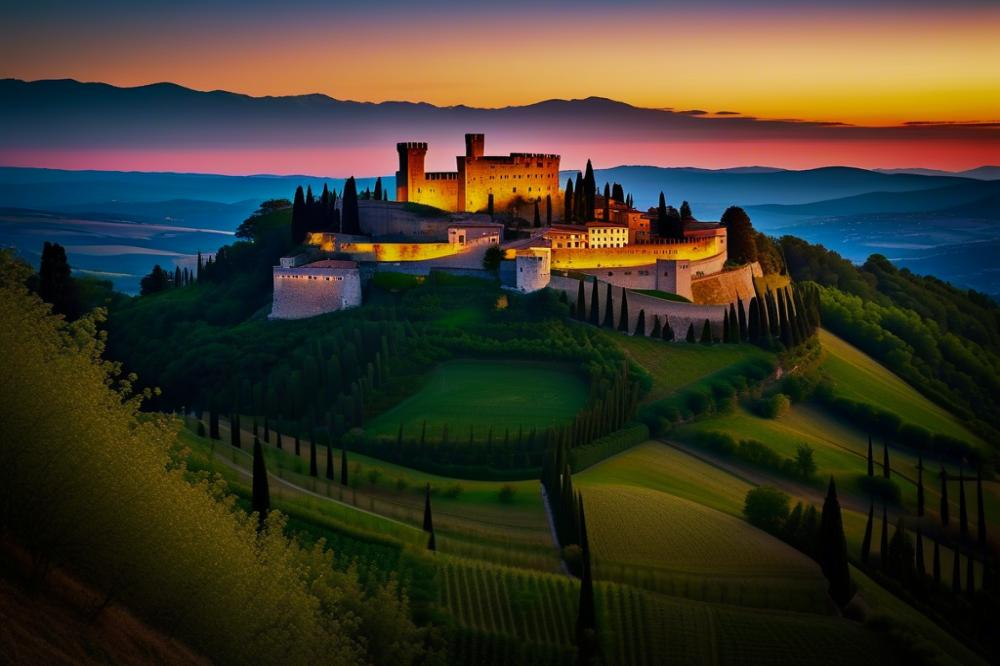
Numerous factors are contributing to the gradual deterioration of historic castles across Italy. Heavy pollution from nearby urban areas is one major issue. Chemicals in the air corrode ancient stone and intricate architecture over time. Climate change adds to the problem through extreme weather events like heavy rain and harsh winds. These conditions lead to erosion and water damage, threatening the very structure of these vital heritage sites.
Neglect is another significant factor in this decline. Many castles fall into disrepair due to a lack of maintenance. Local governments and organizations often struggle to prioritize restoration projects. Without regular upkeep, crumbling walls and broken roofs become common sights. Over time, this neglect erodes not just the physical structures but also the connection to Italy’s medieval history.
Economic challenges compound these issues. Funding for conservation efforts frequently falls short. Many areas struggle to balance budgets while supporting tourism, education, and public services. This means fewer resources are available for restoring these monumental treasures. As a result, cultural heritage suffers, and pieces of history may be forever lost.
It is essential to understand how these various factors affect each other. The decline of these beautiful monuments impacts tourism. Visitors often seek opportunities to discover the richness of Italy’s past, including its castles. However, when these landmarks face neglect, it can deter tourists, leading to a cycle of diminished interest and fewer funds for needed repairs.
Addressing these issues requires collaboration among various stakeholders. Local communities, government agencies, and cultural organizations must unite to find solutions. Education and awareness about the importance of preserving these sites can foster a sense of responsibility. Only then can Italy hope to maintain its majestic castles and their legacy for future generations.
Conservation Efforts and Restoration Projects

Many organizations actively work to preserve historical castles across Italy. Funded by both public and private sources, these groups play a vital role in protecting the country’s rich architectural heritage. The Italian Ministry of Culture often leads initiatives, collaborating with local governments and international agencies. Additionally, non-profit organizations such as FAI (Fondo Ambiente Italiano) contribute their support through awareness campaigns and fundraising efforts. Their approach helps to highlight the importance of these monuments as key parts of Italy’s cultural history.
One notable success story is the restoration of the Castello di Fénis in Aosta Valley. This beautiful medieval structure faced serious decay but underwent a comprehensive renovation that respected its original design. Another impressive project took place at the Castello di Montebello in Ticino. Here, modern conservation techniques combined with traditional methods helped secure the castle’s future. These examples demonstrate how investment in restoration can revive historical sites, ensuring visitors appreciate both their beauty and significance.
Tourism serves as a double-edged sword in conservation. On one hand, it generates funding for preservation projects. On the other, increased foot traffic can damage delicate structures. To balance this issue, many sites now implement strategies for sustainable tourism. Guidelines for visitor numbers protect at-risk locations. Eco-friendly facilities enhance the visitor experience while also safeguarding the surrounding environment. Educational programs further inform tourists about the importance of preservation, encouraging them to respect the sites they visit. These strategies promote responsible tourism that aligns with conservation goals.
The Role of Tourism in Preservation
Tourism plays a crucial role in funding efforts to restore Italy’s castles. Visitors flock to these historic sites, bringing money that can be directed towards conservation projects. Entrance fees, gift shop sales, and tourist packages contribute significantly to the financial resources needed for preservation. The more tourists that visit, the more funds are generated to maintain these medieval monuments.
Finding a balance is necessary when it comes to visitor access and preservation needs. Large crowds can lead to wear and tear on delicate architecture. While tourism is vital, it is important to manage visitor numbers and behaviors. Proper signage, guided tours, and designated pathways can help protect these sites from damage. Responsible tourism is key to safeguarding cultural heritage.
Educational Initiatives
Educating tourists about the importance of these monuments is essential. Many programs exist to teach visitors about medieval history and the role of castles in Italy’s past. Workshops, guided tours, and informational brochures ensure that guests leave with a deeper appreciation for the sites. Knowledge about the history and significance of these structures has the potential to foster a sense of stewardship. When people understand what is at stake, they are more likely to support conservation efforts.
In conclusion, tourism serves as both a funding source and an awareness tool. By promoting responsible visitor practices and educational initiatives, Italy can protect its rich architectural heritage for future generations. A focus on preservation alongside tourism will help sustain these historical landmarks.
Government and Community Initiatives
The Italian government has made strides in protecting its cultural heritage. Policies aim to conserve architectural sites like castles. Financial support comes from various programs targeted at restoration. Such initiatives allow for the maintenance and development of important monuments.
Local communities play a significant role in these efforts. Residents often band together to promote heritage events. Engaging the public raises awareness about the value of these structures. Volunteers come forward to help preserve and maintain local castles. Their dedication adds to the sense of ownership over the community’s history.
Collaborative Projects
Case studies highlight successful partnerships in conservation. One project involves the collaboration of regional governments and nonprofit organizations. They work together to restore a castle in Tuscany. This collaboration not only preserves medieval history but also boosts local tourism. The castle becomes a source of pride and a teaching tool for future generations.
Another notable instance is in Sicily, where locals and officials launched a campaign to restore a forgotten fortress. Workshops were organized to educate people on preservation techniques. This project resulted in increased community engagement and understanding of cultural significance.
The Bigger Picture
These initiatives illustrate a broader commitment to safeguarding heritage across Italy. By fostering community involvement, they create a sense of shared responsibility. Partnerships are crucial in achieving these aims. Together, they enhance the efforts to keep vital architecture alive for all to enjoy.
Future Prospects for Italy’s Castles
Emerging trends in conservation and architecture focus on blending modern techniques with traditional methods. Museums and historical societies are leading this charge. They emphasize sustainable practices in restoration. Many castles now adopt eco-friendly materials and innovative designs. This approach not only preserves but also enhances the integrity of these structures.
The Importance of Public Awareness and Engagement
Public involvement plays a crucial role in the fate of these historic monuments. Communities are encouraged to participate in preservation efforts. Educational programs about cultural heritage create a sense of ownership among residents. Social media campaigns also raise awareness about local castles, igniting interest among younger generations.
Potential Challenges and Opportunities Ahead
Challenges remain for the conservation of medieval history. Funding is often limited, and bureaucratic hurdles can slow down restoration projects. Natural disasters and climate change further threaten these aging structures. Yet, opportunities arise from increased tourism. More visitors mean heightened appreciation for these sites, leading to greater investment in their maintenance.
Collaboration between private entities and the government could unlock new resources for preservation. Innovative partnerships might yield funding for conservation projects. Building awareness and tourism around Italy’s castles ultimately strengthens their future.
Final Thoughts
Italy’s rich history is mirrored in its majestic castles, which stand as monuments to the past. Throughout the article, we explored the factors contributing to their decline, including environmental challenges and neglect. Strategies for preservation, such as increased funding and local community involvement, offer hope for safeguarding these structures. Many organizations are tirelessly working to restore and maintain them, but much more support is needed.
It is vital for everyone to appreciate these landmarks. Visiting their ruins or learning about their stories can foster a sense of connection to the past. Engaging with local preservation efforts can also help contribute to their future. Each stone tells a story, and every castle is a thread in the rich tapestry of Italy’s heritage.
Looking ahead, the future of these structures rests in our hands. By acknowledging their significance and taking steps to protect them, we can ensure they remain part of Italy’s cultural landscape. Let us unite in our commitment to these historic sites. Their essence enriches our lives and reminds us of the shared history we all cherish.

