
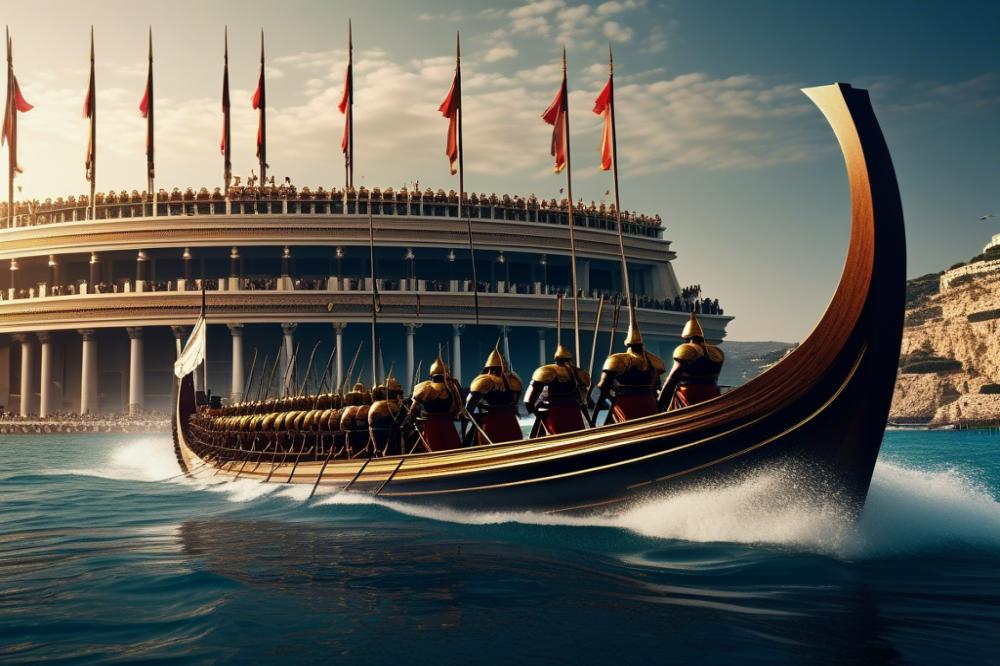
The engineering marvels of Roman Warships: Innovation and Shipbuilding Techniques
Within the vast expanse of the Roman Empire’s legacy, Roman Warships hold a pivotal role. These ancient ships played a crucial part in naval dominance and territorial expansion. The empire’s ability to project power across the Mediterranean relied heavily on innovative maritime practices.
Naval innovation transformed the landscape of maritime warfare in ancient times. Engineers and craftsmen pushed the boundaries of existing technology, creating ships that were not only formidable but also advanced for their era. With a keen focus on ship design, Roman naval architects crafted vessels that could navigate the waves and deliver troops effectively.
A significant feature of these maritime marvels was their impressive galley construction. Many warships, including the trireme, incorporated advanced hull designs and propulsion methods. Rowers powered the vessels with synchronized strokes, allowing for greater speed and agility in combat. This unique approach to ship propulsion gave Rome the edge against rivals.
Roman technology in shipbuilding included various materials and innovative techniques. The use of lightweight wood and reinforced structures offered remarkable durability. Moreover, the strategic design of these warships allowed for more effective naval tactics.
Focusing on the advanced Shipbuilding Techniques, we see how the Romans adapted and improved previous designs. They incorporated features that responded to the demands of warfare, ensuring their fleet’s success. This remarkable blend of naval architecture and engineering marvels defined an era and reshaped the way civilizations approached naval combat.
History of Roman Naval Warfare
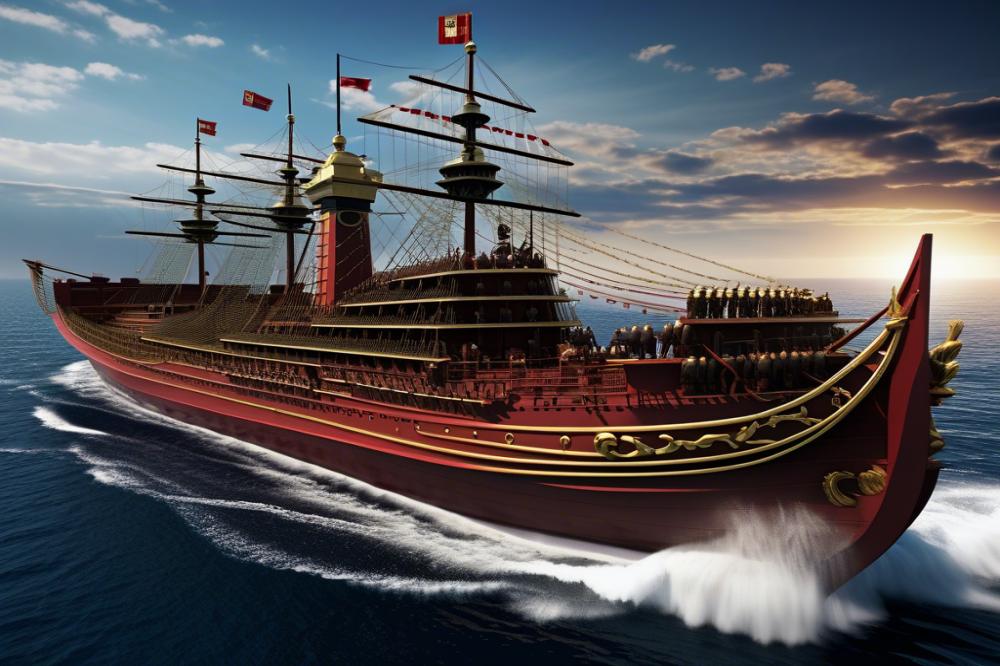
Early Roman naval capabilities were not particularly strong. The Romans were primarily a land power. Their initial ships were simple and used mainly for trading and transport. Over time, they realized the importance of controlling the seas.
A significant change occurred during the First Punic War. Faced with the superior naval forces of Carthage, Rome had to innovate quickly. They borrowed ideas from the design of ancient ships while also focusing on efficient ship construction methods. Galley construction became a priority as the need for a strong maritime presence grew.
Key historical events shaped Roman naval strategies dramatically. The battle of Mylae in 260 BCE marked a turning point. Here, the Romans employed the boarding tactic with their innovative ships. This aggressive approach to maritime warfare allowed them to turn the tide against the Carthaginian fleet.
As wars continued, naval architecture evolved significantly. Roman technology improved, and ships became faster and more powerful. The introduction of the trireme offered enhanced functionality. Ships were now propelled by multiple rows of oarsmen, greatly increasing their maneuverability in battle.
Furthermore, the influence of Mediterranean trade cannot be underestimated. As trade expanded, so did the need for robust naval forces. Coastal cities relied on naval innovation to protect their trade routes. The Romans understood that control of the seas was vital for economic and military success.
The integration of maritime considerations into military planning was crucial. Trade ships evolved alongside warships, leading to a better understanding of ship design. Efficient transport of goods required strong vessels, which in turn improved military capabilities. This relationship between commercial shipping and naval power became a foundation for the Roman Empire’s dominance.
Design and Construction of Roman Warships
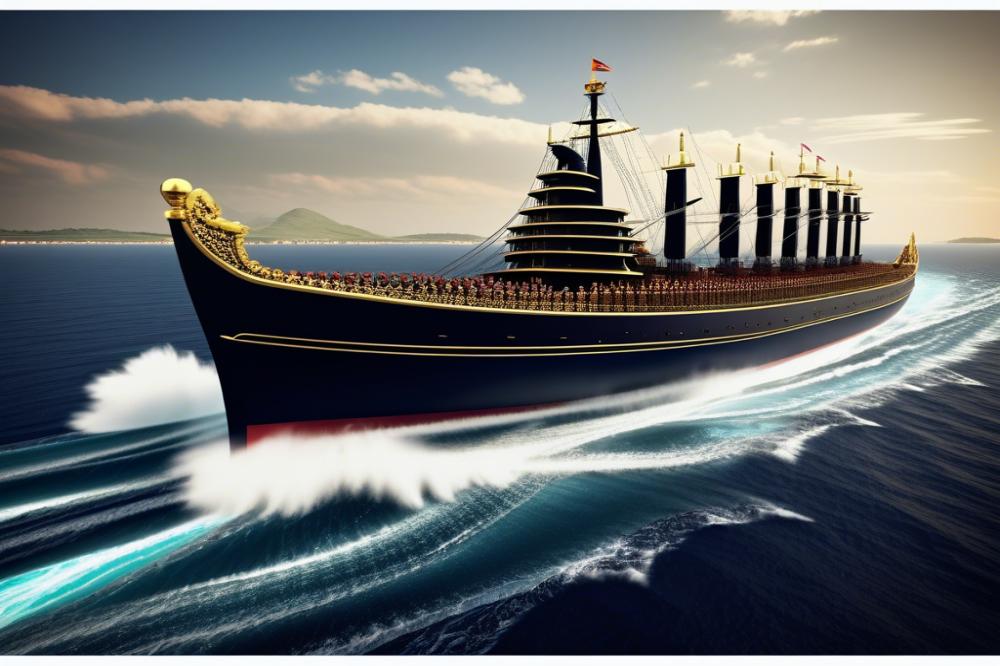
Roman warships were a remarkable reflection of their engineering marvels and naval innovation. Understanding ship design principles was essential in Roman technology. Designers needed to consider stability, speed, and maneuverability. Crafting vessels that could win battles required a blend of skill and creativity.
The evolution of ancient ships saw several milestones. Early designs paved the way for more sophisticated models. A significant focus in Roman times was galley construction. Galleys utilized oars alongside sails for propulsion, enhancing their speed and control. This hybrid method allowed ships to be effective in various weather conditions.
Several characteristics defined the Roman warships. Most vessels were long and narrow, allowing for quick navigation through waters. They used timber as a primary building material. Hull design featured a pointed bow, which helped cut through waves. Such designs contributed to improved performance during naval battles.
The Trireme as a Prominent Vessel Type
The trireme became a standout type in Roman fleets. With three rows of oars, it could move swiftly and powerfully. This design was revolutionary for its time, shaping how maritime warfare was conducted. With an effective combination of oars and sails, the trireme could outmaneuver many adversaries.
Naval architecture at that time was quite advanced. Each trireme was built to have an impressive cargo capacity and speed. This versatility allowed for effective troop transport and naval engagements. Various designs reflected the ingenuity of shipbuilders in ancient Rome.
In their battles, these warships played a crucial role. Their design promoted both offensive and defensive tactics. The dedication to naval innovation ensured that Rome’s navy remained formidable on the seas. Overall, the unique features of Roman ships cemented their status in history.
Ship Propulsion and Maneuverability
Innovations in Propulsion Techniques of Roman Warships
The propulsion of ancient ships, particularly those used in battle, was revolutionary for its time. Roman technology brought together oars and sails to achieve optimal efficiency. Large crews powered the vessels with synchronized rowing, allowing for remarkable speed during combat. Triremes, a type of galley construction, exemplified this innovation. With three rows of oars on each side, these ships could swiftly cut through water, creating an imposing presence on the battlefield.
The Role of Oars and Sail in Maritime Warfare
Oars played a crucial role in maneuvering ships in tight situations. While sails could harness wind to cover long distances, oars offered greater control during battles. Naval innovation also meant that captains could adjust their strategy based on weather. In many cases, sailors relied on oars to outsmart larger enemy vessels. The combination of these two propulsion methods made Roman warships formidable.
Importance of Speed and Agility in Naval Battles
Speed is essential in maritime warfare. A faster ship could intercept enemies, catch escaping foes, or retreat when necessary. Roman warships were designed with agility in mind. The sharp hulls and lightweight materials contributed to quick movements. Furthermore, the ability to navigate difficult waters gave Romans an advantage in encounters. The right blend of engineering marvels meant that they could launch surprise attacks or evade larger fleets effectively.
Naval Architecture and Engineering Techniques
The Roman Empire advanced shipbuilding significantly. Architects and engineers worked together to create large and efficient vessels. Roman technology played a crucial role in enhancing the performance of ancient ships. An example is the development of the trireme, which became essential in maritime warfare. These ships featured three rows of oars on each side, enabling faster propulsion.
Innovation in ship design stemmed from the need for better navigation and combat readiness. Galley construction included a hull designed for speed, which was crucial during naval battles. This allowed Roman warships to outmaneuver their enemies effectively. Additionally, the incorporation of sails provided wind power, supplementing the oarsmen’s efforts.
Comparing Roman techniques to those of other ancient civilizations reveals key differences. The Greeks, known for their own advancements, focused heavily on the trireme as well. However, Roman strategies included combining various technologies to produce superior vessels. They integrated heavier hulls and enhanced bow designs, which improved overall durability.
Furthermore, the Romans embraced naval innovation, blending style with functionality. Their approach to naval architecture involved meticulous planning and resource management. Craftsmen used local materials, which often reflected the geographic features of the empire’s vast territories. This adaptability made Roman warships adaptable to diverse conditions.
Engineering marvels did not stop at design; they included rigorous testing methods. Ships underwent trials before deployment, ensuring they met operational demands. Crew training also played an essential role. Skilled rowers and sailors made great use of these advanced ships, maximizing their effectiveness in battle.
Impact of Roman Warships on Maritime Warfare
Strategies Employed by the Roman Navy in Naval Engagements
Naval battles in ancient times required skill and strategy. The Roman navy famously used the trireme, a ship powered by rows of oars. This design allowed for impressive speed and maneuverability. Commanders focused on ramming enemy vessels with their prows. They often engaged in boarding actions to capture opposing crews. Employing formations became essential during these clashes. The tightly packed structure of ships maximized their effectiveness in direct confrontations. Cohesion and discipline within the fleet were vital elements. The naval tactics of the Romans often mirrored their land strategies.
The Significance of Roman Warships in Expanding and Protecting the Empire
Roman warships played a crucial role in expanding the empire. Control of the Mediterranean Sea meant dominance over trade routes and resources. Ships ensured secure passage for goods and troops. They protected coastal borders against piracy and foreign invasion. As a result, stability allowed for economic growth across the empire. Innovations in ship design contributed to the swift transport of armies. Civilizations dependent upon maritime trade found a partner in Rome. Control of shipping lanes greatly influenced Roman power.
Legacy of Roman Naval Innovation on Subsequent Naval Powers
The engineering marvels of Roman technology set a standard for future navies. Later powers admired the galley construction principles established by the Romans. Their advancements in naval architecture influenced Mediterranean shipbuilding for centuries. Many techniques, such as ship propulsion through oars, were adopted by successor states. This legacy is evident in the design of medieval and Renaissance vessels. Nations that followed understood the importance of a strong navy. Roman naval innovation changed how governments approached maritime warfare. Its impact is still felt in modern naval strategies today.
Final Thoughts on Roman Warfare at Sea
The engineering marvels of ancient warships reflect an impressive blend of creativity and practicality. Roman shipbuilders utilized various techniques to create vessels that transformed naval warfare. Their designs included sturdy hulls, efficient oars, and specialized adaptations for combat. These innovations allowed Roman fleets to dominate the Mediterranean Sea for centuries.
Modern shipbuilding owes much to the principles established by the Romans. Features such as the use of keels and streamlined shapes can trace their origins back to ancient designs. Although technology has advanced significantly, the core concepts have remained relevant. Many naval innovations from that time laid the groundwork for contemporary maritime engineering.
Understanding the importance of Roman technology provides insight into the evolution of naval tactics and warfare. Their advancements in shipbuilding enabled strategic control over vital trade routes and led to expansion of their empire. As we reflect on this history, it becomes clear that these maritime developments shaped not only warfare but also commerce and exploration.
In summary, the legacy of Roman warships endures. Remarkable engineering feats from the past continue to influence how we design and construct vessels today. The effectiveness and efficiency of these ancient ships remind us of the power of innovation in reshaping the world at sea.

