
Overview of Italian Fashion
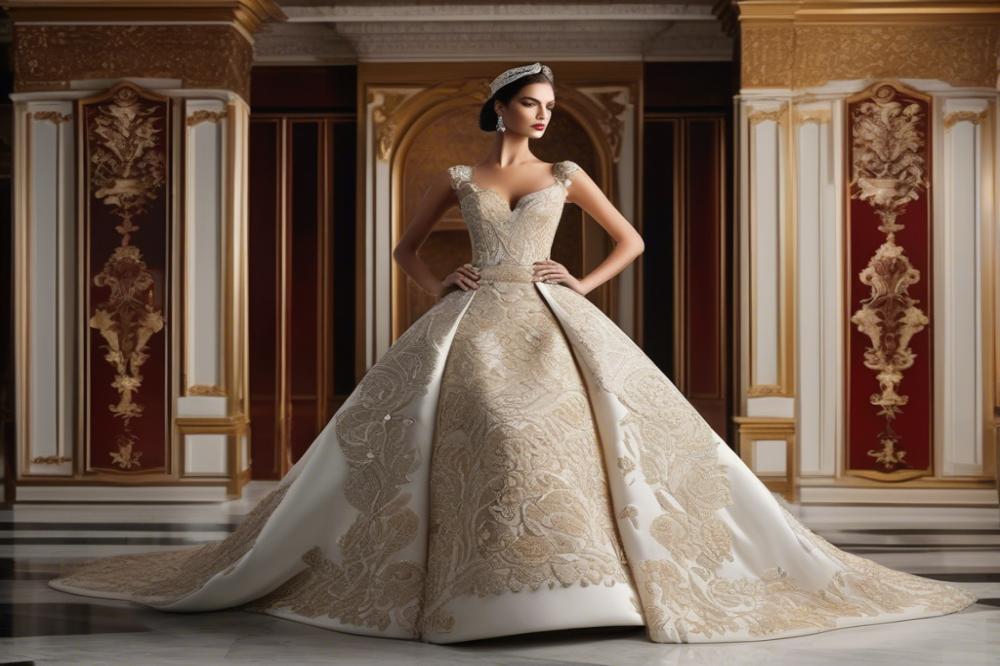
Italian Fashion is a realm where history meets creativity. It stands out due to its rich heritage and impact on the global stage. Over the years, this industry has shaped trends all around the world. designers from Italy have led the charge in luxury and haute couture, drawing attention from fashion enthusiasts everywhere.
When people think of fashion, names like Milan often come to mind. Milan fashion is not just a city; it’s a phenomenon that showcases the best of style. It is home to Fashion Week, an event watched by millions. This gathering draws attention to new collections and the latest designs, confirming Italy’s place as a key player in the global fashion industry.
Cultural influence plays a major role in the development of Italian style. Throughout history, various movements have shaped the artistry seen today. The Renaissance, for instance, left a mark on craftsmanship and textile innovation. Iconic historical trends often inspire contemporary designs, highlighting a depth that goes beyond mere aesthetics.
Events like Fashion Week in Milan represent the climax of Fashion Evolution. The fusion of traditional methods with modern techniques creates an exciting landscape. Today’s designers are not only preserving heritage but also pushing boundaries. Their work resonates with individuals who appreciate elegance and quality. Fashion lovers may find that each piece tells a story, connecting them to Italy’s illustrious past.
Historical Trends in Italian Fashion
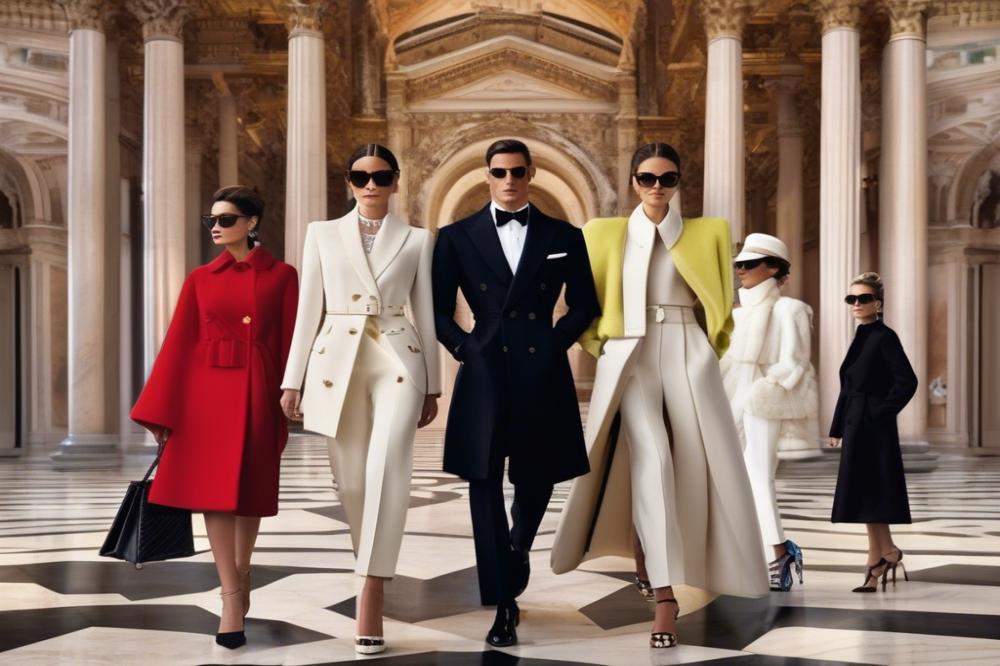
Exploring traditional Italian fashion reveals a rich tapestry woven from centuries of craftsmanship and luxury. Historical trends offer insights into the styles that have shaped modern design. Aspects like tailoring from the Renaissance period exhibit an appreciation for detail and artistry. Designers from this era laid the groundwork for what we now recognize as haute couture.
Major events throughout history have significantly influenced the evolution of fashion. The Unification of Italy in the 19th century marked a turning point. It inspired a new sense of national identity, impacting textile innovation and the types of garments produced. Following World War II, Italy experienced a fashion renaissance as creativity flourished in the chaos that followed.
Cultural influences also play a crucial role in shaping fashion styles. The Mediterranean climate led to lighter fabrics suited for warmer days, while the Italian love for art and architecture influenced patterns and cuts. Fashion Week events in Milan showcase this blend of traditional aesthetics and modern ideas, attracting attention from around the globe. Designers continually draw from their rich heritage while pushing boundaries on modern runways.
Fashion statements often reflect societal changes. For instance, the 1960s brought about a shift towards more casual, youthful styles, prompted by cultural movements. Vibrant prints and bold colors became symbols of freedom and expression. This transition illustrates how cultural currents can redefine what is considered stylish.
Even today, the essence of Italian fashion remains a delicate balance between form and function. Designers innovate while preserving the utmost quality in materials and craftsmanship. Each thread of history weaves into the fabric of contemporary fashion, leading to a dynamic and ever-evolving landscape. From rustic heritage to the glamor of high-end runways, this journey reflects not just clothes, but a story rich with tradition.
Craftsmanship and Luxury in Italian Fashion
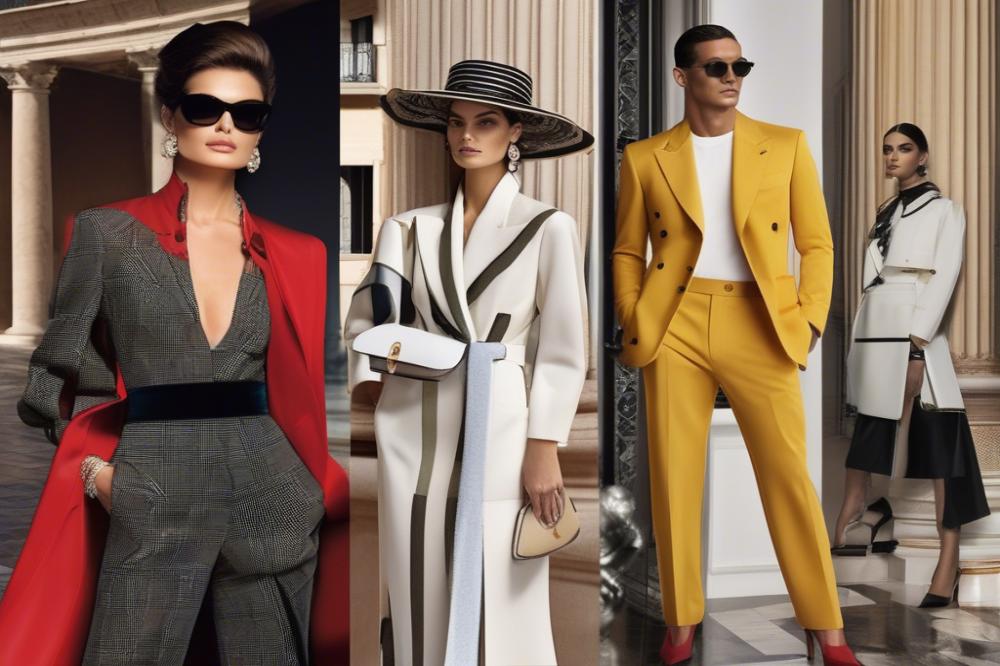
Exceptional craftsmanship plays a vital role in the world of Italian design. Skilled artisans pour their heart and soul into every piece, creating garments that are more than just clothing; they are works of art. This deep-rooted tradition of quality manifests in the rich details and impeccable finishing. Each stitch tells a story, reflecting years of expertise and dedication.
Luxury brands maintain strong connections with artisanship. They often collaborate with these talented creators to ensure their designs meet high standards. The result is an unparalleled fusion of artistry and luxury. Italian craftsmanship has become synonymous with prestige, making these brands sought after worldwide. Many top designers find inspiration in historical trends, blending the old with the new.
Several iconic Italian luxury fashion houses have come to define this essence. Take Gucci, for instance. Their bold designs and rich heritage showcase artistry at every turn. Prada also stands out, known for its innovative textiles and cutting-edge styles. Milan fashion continues to shine as a global capital, hosting spectacular fashion weeks that highlight this craftsmanship.
Luxury doesn’t just mean high prices. It also speaks to the quality and durability of the pieces produced. Haute couture is a perfect example of this philosophy, where the level of detail is paramount. Events like Milan Fashion Week serve as a platform for these brands, showcasing their commitment to excellence and craftsmanship. The spotlight shines brightly on them, allowing the world to witness their ongoing cultural influence.
The Rise of Milan as a Fashion Capital
Development of Milan as a Fashion Hub
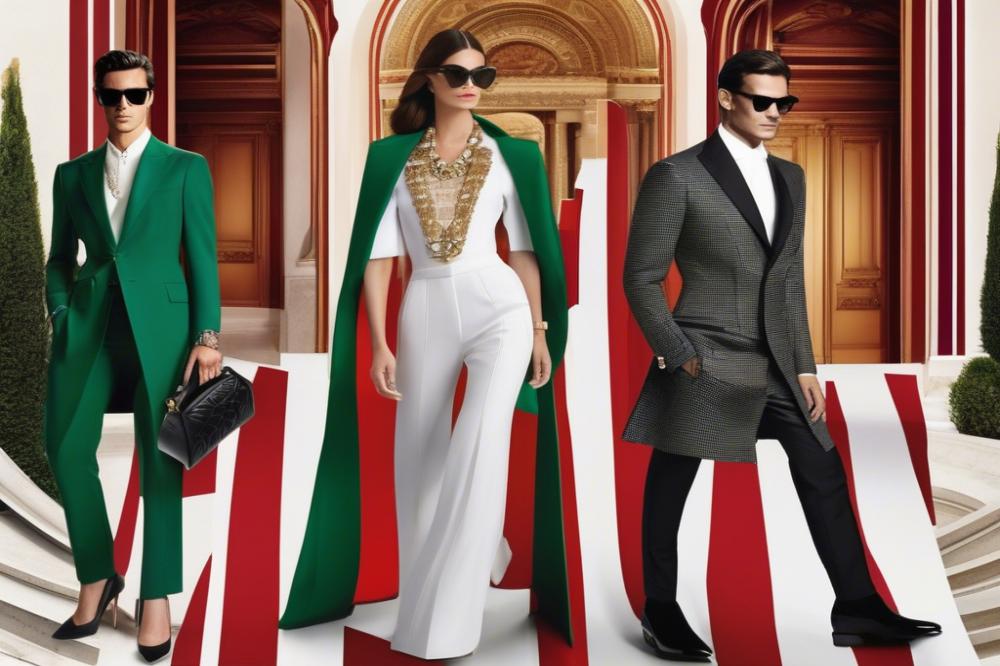
Milan transformed into a fashion epicenter during the 20th century. Luxury brands started to emerge, featuring exquisite craftsmanship. Textile innovation played a crucial role in this development. Over the years, the city became synonymous with style and elegance. Historical trends in Italian culture found a modern expression in Milan. As a result, it drew international attention, captivating fashion enthusiasts worldwide.
Role of Milan Fashion Week in Global Fashion
Milan Fashion Week serves as a spotlight for designers and brands. It showcases the latest collections and influences styles globally. Each season, this event attracts significant media coverage. Designers use this platform to present their haute couture creations. Buyers, journalists, and influencers flock to Milan to experience the innovation. The event has solidified the city’s reputation in modern runways.
Key Designers and Collections that Emerged in Milan
Numerous designers have made their mark in Milan. Labels like Gucci and Prada became leaders in luxury fashion. Each collection reveals unique perspectives on style and culture. This city nurtures talent, and emerging designers often showcase fresh ideas. Renowned names have set historical benchmarks with their iconic collections. Milan continues to shape the concept of fashion on a global scale. Their influence resonates in runway shows and retail spaces alike.
Haute Couture and Its Influence on Italian Design
Haute couture represents the highest level of fashion design. Defined as custom-made clothing that showcases exceptional artistry, it signifies luxury in the fashion world. Each piece is made with meticulous attention to detail and reflects personal style. This form of fashion embodies not just clothing, but also an elaborate cultural influence, merging art and function.
Italian craftsmanship shines through in haute couture garments. Tailors and designers often use exquisite fabrics and techniques passed down through generations. The work reflects a deep understanding of both tradition and contemporary fashion. Milan fashion, for example, is synonymous with precision and elegance. This city is a heartbeat of haute couture, where interior world influences blend beautifully in each creation.
Many notable designers have made significant impacts on haute couture, placing Italy on the global fashion map. For instance, Valentino is celebrated for romantic silhouettes and bold colors. His designs often tell a story, woven into luxury fabrics. Similarly, Giorgio Armani has revolutionized the concept of elegance with his relaxed yet sophisticated style. Alongside them, Dolce & Gabbana embrace cultural heritage, transforming historical trends into modern aesthetics.
Fashion week in Milan showcases this blend of talent and artistry. Here, innovation meets tradition, highlighting how elements of haute couture have evolved. Every season, designers push the boundaries further, incorporating textile innovation that captivates audiences. This remarkable fusion continues to resonate worldwide, making Italian haute couture a phenomenon that persists through time.
Modern Runways: Textile Innovation and Future Trends
The advent of textile innovations has revolutionized Italian fashion. Designers are now able to create materials that reflect both creativity and functionality. Advanced fabrics offer qualities like water resistance, breathability, and even sustainability. These innovations redefine how clothing interacts with the wearer while emphasizing comfort and style.
Technology impacts every stage of design and manufacturing. From 3D printing to computer-aided design, these tools streamline the creative process. Fashion houses can experiment with styles and patterns quicker than ever before. This enhances the fantastic craftsmanship that Italy is renowned for. As a result, each piece produced embodies a blend of tradition and forward-thinking.
Milan fashion week showcases how cultural influence shapes modern runways. Designers draw inspiration from various sources, turning to historical trends for fresh ideas. Haute couture takes on a new meaning with the inclusion of technology. The artistry seen on the runway reflects the melting pot of influences that define contemporary society.
Emerging trends signal exciting changes in the industry. Streetwear continues to break into luxury segments, attracting younger demographics. Sustainability is no longer just a buzzword; it’s becoming a standard expectation. Consumers are demanding transparency and eco-friendliness from brands, influencing how collections are crafted.
As fashion evolves, so do the expectations of the audience. Modern runways depict a mix of classic elegance and bold experimentation. More than just clothing, each collection tells a story. It reflects the desires and values of a fast-changing world. Staying attuned to these shifts is vital for anyone involved in the fashion economy.
Final Thoughts on Italian Fashion
Recap of the Evolution
This journey from traditional attire to modern runways has been remarkable. In the past, fashion focused heavily on craftsmanship and regional identity. Styles were often defined by local materials and traditions. As time progressed, these roots influenced global trends. Now, designers are blending heritage with contemporary elements in exciting ways.
Reflection on Ongoing Influence
Italian fashion remains a beacon of excellence in the industry. It captivates with both bold and subtle statements. Global markets look to Italy not just for luxury but for style innovation. Creative minds in Milan and Florence inspire countless others. Vintage pieces often resurface, reminding us of the power of history in fashion.
Future Prospects
Looking ahead, the landscape of Italian fashion appears bright. Sustainability is becoming a vital consideration for many brands. This shift may lead to unique collaborations between tradition and eco-friendly practices. Technology will play a role too, potentially transforming how we experience fashion. Bold moves by new designers could shape a new era, one where tradition and modernity coexist gracefully. Exciting times lie ahead for those passionate about fashion!

