

The Flora of Italy’s Historical Vineyards
Italy boasts some of the most enchanting vineyards in the world. These lands, shaped by centuries of cultivation, tell stories of tradition and heritage. Each vineyard serves not only as a source of wine but also as a sanctuary for a rich variety of plants and wildlife. Historical vineyards provide a glimpse into the agricultural practices of the past while flourishing with biodiversity.
The flora within these vineyards is essential to the ecosystem. A diverse array of plant life contributes to soil health and supports local fauna. Many grape varieties depend on specific plants nearby to enhance their growth. This relationship between flora and fauna is vital for maintaining ecological balance. The interaction between different species creates a thriving environment, which ultimately affects the quality of wine produced.
Scholars and enthusiasts often speak of these landscapes with admiration. They capture the sense of place so uniquely tied to Italian culture. The connection between people, their environment, and agriculture cannot be overstated. As we explore the historical vineyards, it is important to understand the role of biodiversity not just for the vineyards, but for the entire region’s natural heritage.
This article will delve into the unique characteristics of Italy’s historical vineyards and examine the flora that inhabits these cherished sites. By studying these ecosystems, we can appreciate their importance not only to vineyards but also to the landscape overall. Let us embark on a journey through Italy’s diverse and vibrant vineyards. We will uncover how this rich tapestry of nature entwines with the grape-growing traditions of Italy, celebrating their distinct roles in forming the heart of Italian identity.
For those interested in sustainable practices, #anchor_text_1# unveils the intricate balance maintained in these regions. Additionally, the importance of protecting this biodiversity is highlighted through various efforts now underway. Ultimately, understanding Italy’s historical vineyards broadens our perspective on agriculture and nature.
The Ecosystem of Italy’s Historical Vineyards
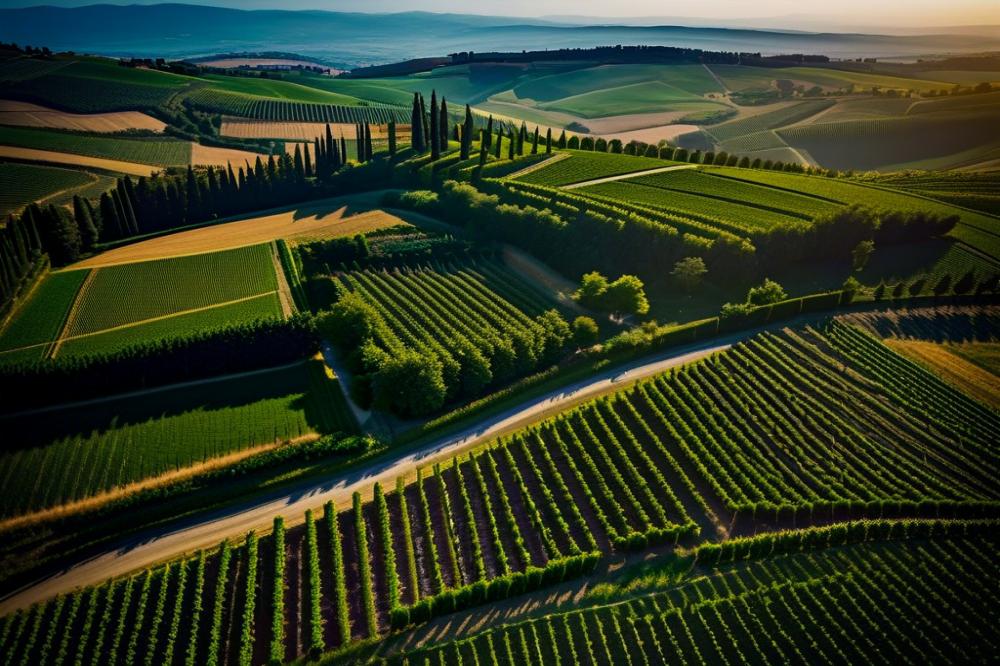
A vineyard ecosystem is a complex network of living organisms, including plants, animals, and microorganisms. This environment supports various species that interact with one another. Within these ecosystems, the cultivation of grapes plays a vital role. As the vines grow, they create a habitat for various life forms. Understanding how these elements coalesce is essential for appreciating the value of Italy’s historical vineyards.
flora and fauna within vineyards share a significant relationship. Insects, birds, and other animals often pollinate the flowering plants, while the vines provide shelter and food. Certain birds feast on pests that may harm the grapevines, acting as natural pest controllers. Ground covers and wildflowers add to the beauty of the landscape while nourishing the soil. These interactions help maintain a balanced environment.
Biodiversity within these regions contributes greatly to their health. A varied plant life can improve soil structure and prevent erosion. Diverse ecosystems also enhance resilience, allowing vineyards to withstand diseases and extreme weather conditions. Moreover, local plants provide native fauna with necessary resources. This rich tapestry of life increases the overall productivity of the land.
Moreover, the historical significance of these vineyards adds another layer of value. Many of them have been cultivated for centuries, shaping local culture and traditions. Understanding the complex ecosystem enhances the appreciation of both the wine and the land. Protecting these unique landscapes ensures a thriving environment for future generations.
Native Plant Species Found in Italy’s Vineyards

Overview of Indigenous Flora
Italy’s vineyards host a diverse array of native plant species. These plants thrive in the Mediterranean climate of the region. Varied soil types and elevations support different types of flora. Many of these species have adapted to this environment over centuries. This adaptation showcases the resilience and richness of Italy’s ecosystem.
Key Vine Species and Their Characteristics
The primary vine species cultivated in these vineyards is Vitis vinifera. This hardy plant produces high-quality grapes used in winemaking. Its fruit varies in flavor, color, and size, influencing the wines produced. Additionally, some lesser-known varieties like Trebbiano and Sangiovese contribute to local wine traditions. Each vine has particular characteristics that reflect the land where it grows, giving wines their distinct identity.
Associated Plant Species and Their Ecological Roles
Several plant species coexist with the vineyards. Many of these are flowering plants that provide nectar for pollinators. Others are shrubs that help prevent soil erosion. Cover crops, such as clover, enrich the soil with nutrients. They play an essential role in maintaining soil health. Additionally, wild herbs, like thyme and rosemary, thrive in the vineyard environment. This biodiversity supports a balanced ecosystem, which is crucial for sustainable viticulture.
The Role of Flora in Viticulture

Native plants play a crucial role in shaping the quality and flavor of grapes in Italy’s historical vineyards. When the right flora thrives alongside grapevines, it imparts subtle characteristics to the fruit. For instance, herbs and wildflowers can influence the aroma of grapes, leading to more complex flavors in the wines produced.
Interactions between vineyard flora and grapevine health are noteworthy. Biodiversity within vineyards helps create a balanced ecosystem. Beneficial insects, drawn by native plants, can keep harmful pests in check. This natural form of pest control supports grapevines, reducing the need for chemical treatments.
Another aspect to consider is how maintaining native plant species provides ecological benefits. Diverse plant life can prevent soil erosion and promote healthy soil. This enhances not only the grapevines’ growth but also the surrounding environment. By fostering a variety of plants, vineyards can create habitats for birds and small mammals, further enriching local ecosystems.
What’s more, the roots of native plants can improve water retention, which is vital during dry spells. This variability in flora helps vineyards adapt to changing weather patterns. Farmers often notice that resilience against diseases increases when they nurture native species in their fields.
In summary, the flora surrounding the vineyards acts in many ways. It influences grape quality while promoting a healthy environment for grapevines. The importance of maintaining these native plants cannot be understated, as they contribute significantly to the overall vitality of Italy’s renowned wine-producing regions.
Conservation Efforts for Flora in Historical Vineyards

Challenges faced by Italy’s vineyard ecosystems
Italy’s historical vineyards encounter various challenges. Climate change impacts many aspects of agriculture. Rising temperatures can lead to changes in plant growth and health. Invasive species threaten local flora, disrupting the natural balance. Soil degradation from heavy farming practices also poses a significant risk. These factors combined can lead to the loss of native plants and their habitats. When a plant species vanishes, other organisms relying on it may also suffer. Preservation of these ecosystems is critical.
Best practices for preserving biodiversity
Farmers can adopt a range of strategies to safeguard local plants. Crop rotation diversifies the soil, allowing different plants to thrive. Utilizing organic farming methods helps maintain soil health and reduces harmful chemicals. Another effective method is planting cover crops that protect the soil from erosion and attract beneficial insects. Collaboration among vineyard owners can yield greater success in conservation efforts. Sharing knowledge and resources enriches their respective practices, fostering a community committed to biodiversity. Continuous education about local ecosystems also plays an important role in conservation efforts.
Case studies of successful conservation initiatives
Several initiatives across Italy showcase effective conservation strategies. One notable example is the restoration project in Tuscany. By reintroducing native plant species, this effort improved local biodiversity. Farmers, local experts, and organizations worked together to implement sustainable practices. Monitoring these changes helps fine-tune their efforts for better results. A similar project in the Veneto region has focused on creating wildlife corridors. These corridors allow plant and animal species to move freely, enhancing genetic diversity. Such innovative actions demonstrate how communities can come together for the environment’s sake.
Cultural Significance of Flora in Italy’s Vineyards
Historical Use of Plants in Vineyard Management
For centuries, Italians have relied on various plant species to maintain their vineyards. These plants play crucial roles in supporting grapevines, managing pests, and enriching the soil. Traditionally, farmers planted legumes among the vines. This helped fix nitrogen in the ground, promoting healthier grape growth. Other herbs were used to attract beneficial insects, which protected the grapes from harmful pests. Such methods are not just old customs; they form the backbone of sustainable agricultural practices in Italy.
Flora’s Influence on Italian Cuisine and Wine Industries
The connection between the plants in the vineyards and Italian cuisine is profound. Many local herbs and vegetables find their way to the dinner table, often pairing beautifully with regional wines. The utilization of fresh basil, rosemary, and sage enhances dishes, echoing the flavors found in the surrounding vineyards. Additionally, varietals of grapes, such as Sangiovese and Barbera, reflect the terroir shaped by local flora. This relationship highlights how the landscape creates distinct culinary experiences across Italy.
Folklore and Traditions Associated with Native Plants
Many native plants boast rich legends that have shaped local cultures. One popular story involves the vine and the olive tree. It reflects the balance of life, where both plants receive reverence in ceremonies. Cultures surrounding these plants have inspired local festivals, filled with music and joy. Rituals often include offerings of flowers and herbs to honor the land. Such traditions remain vibrant, passing from one generation to the next. Families share these stories, ensuring that the bond with the earth persists.
Final Thoughts on the Flora of Italy’s Historical Vineyards
The significance of flora in Italy’s historical vineyards cannot be overstated. These ecosystems are not just beautiful; they support a complex web of life. Diverse plant species contribute to soil health and enhance the flavors of the grapes. The relationship between the local plants and the vineyards is a testament to nature’s interconnectedness.
Looking forward, efforts in conservation are more crucial than ever. Many vineyards are beginning to recognize the value of biodiversity. Protecting these habitats will ensure that traditional practices are maintained. It will also help safeguard local flora from the effects of climate change. Fostering a balance between agriculture and nature remains a priority for producers and environmentalists alike.
Moreover, the collective responsibility to preserve these precious ecosystems lies with everyone. Each of us can play a part in advocating for sustainable practices. Supporting local farmers who prioritize ecological health is essential. Consider engaging in community efforts aimed at protecting vineyards and their unique surroundings. Share the knowledge and spread awareness about the importance of biodiversity. Together, we can make a difference for the ecological health of Italy’s vineyards and beyond.
By taking action today, we can ensure the future of these #anchor_text_3#. The health and beauty of the land will continue to thrive for future generations to appreciate and enjoy #anchor_text_4#.

