
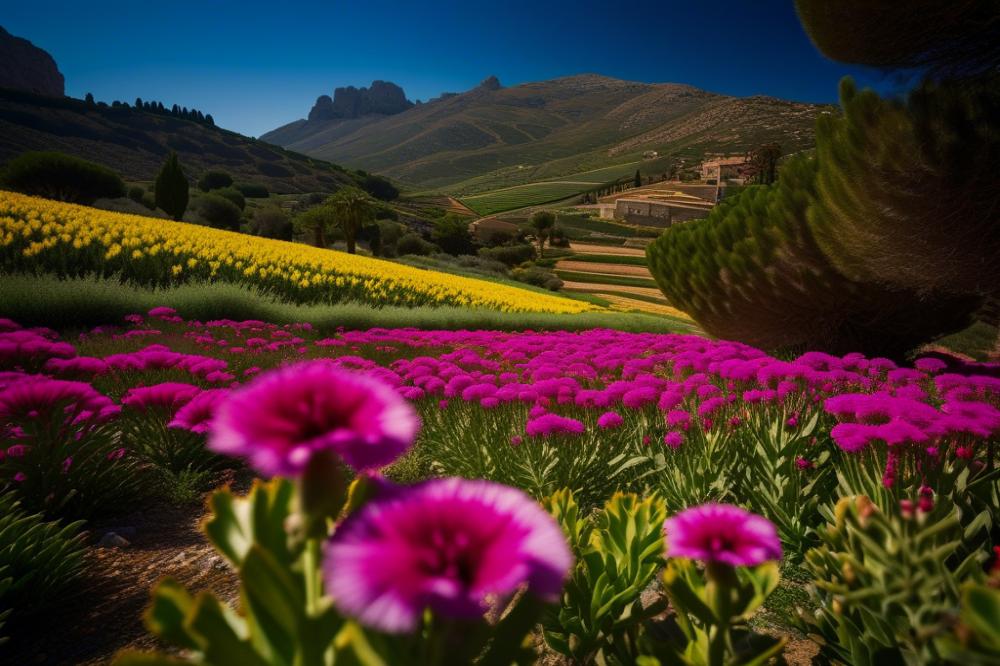
Overview of Sicily as a Mediterranean Island
Sicily stands as a captivating Mediterranean island, celebrated for its stunning landscapes and rich heritage. The island is surrounded by clear waters and boasts a variety of terrains, from towering mountains to sun-drenched coasts. This geographic diversity creates different ecological zones that contribute significantly to the region’s plant communities.
Sicily presents an intriguing mix of flora, shaped by its Mediterranean climate. Warm summers and mild winters create ideal conditions for growth. Rich soils further enhance its potential as a habitat for numerous species. Various habitats arise across the island, supporting diverse types of vegetation, which together form intricate ecosystems.
Importance of Studying the Unique Flora of Sicily

Exploring the flora of Sicily offers valuable insights into the island’s natural history. Scientists and researchers can identify patterns of evolution and adaptation among the various species. Studying the diverse plant life also informs conservation efforts that are crucial for safeguarding these natural treasures.
biodiversity plays a vital role in maintaining healthy ecosystems. The island is home to numerous endemic species that cannot be found anywhere else. These special plants, along with Sicilian herbs, are essential for local culture and cuisine.
Brief Mention of biodiversity and endemic species

Sicily’s landscapes showcase an impressive range of rare plants. This biodiversity is not just important for ecological balance; it also enriches human experience. The island hosts many plant communities that thrive due to its unique conditions. Understanding these ecosystems enhances appreciation for our natural world.
Throughout history, the Therian flora of the island has evolved alongside local habitats. Studying these systems helps to illuminate the relationship between humans and nature. The conservation of these plants and their environments is necessary for future generations. Thus, a deep dive into Sicilian flora not only uncovers the beauty of Mediterranean plants but also emphasizes the need for sustainable practices to protect this precious biodiversity.
Sicily flora: An Overview

Sicily boasts remarkable biodiversity. This island hosts various plant communities that thrive in different environments. From coastal areas to mountainous regions, each setting features unique species. Particularly noteworthy are the endemic species. These plants are found nowhere else on the planet, making them a vital part of Sicilian heritage.
The Mediterranean climate plays a crucial role in shaping the island’s flora. Hot, dry summers and mild, wet winters create ideal conditions for numerous plant forms. Such a climate facilitates the growth of Sicilian herbs. These plants are not only beautiful but also serve culinary and medicinal purposes. Rainfall patterns influence their distribution and abundance throughout the island.
Ecological zones break down the diverse ecosystems of Sicily. Different areas can be classified based on climate, topography, and soil types. For example, coastal scrublands host numerous shrubs that thrive in salty air. In higher altitudes, you can find forests filled with oak and other trees. Rare plants often inhabit these zones, adapted to specific conditions.
The Therian flora of Sicily is fascinating. It includes various plant types that are specially adapted to survive in this environment. Conservation efforts focus on protecting these ecosystems from human impact. Preserving these areas will help maintain the rich biodiversity that characterizes Sicilian landscapes.
Endemic Species and Rare Plants

Sicily holds a treasure of endemic species, a gift from its isolated position in the Mediterranean. One standout is the Sicilian broom, a vibrant plant flourishing in the sunlit hills. Its bright yellow flowers attract both bees and curious hikers. Another notable example is the endangered Sicilian honey-suckle, known for its sweet scent and delicate blooms. Various Sicilian herbs also embody the island’s unique character, enriching local cuisine and tradition.
Rare plants populate the diverse Sicilian landscapes. Endemic herbs like the Sicilian wild fennel offer a taste of local culture and flavor. They thrive in a Mediterranean climate, where warm, dry summers meet mild winters. The numerous ecological zones support many plant communities, each with its own charm. However, some plants face threats due to habitat loss and climate change. Conservation efforts are necessary to protect these rare species.
Biodiversity on the island is astonishing. It contributes to the overall health of the ecosystem. The rich mix of flora sustains other forms of life and plays a role in maintaining ecological balance. Protecting endemic species like the Sicilian dwarf palm ensures that future generations can experience this beauty. Understanding the importance of these plants fosters respect for the precious natural world surrounding us. Without such efforts, parts of the island’s heritage could vanish forever. The stories contained within Sicilian flora deserve our attention and care.
Sicilian Herbs and Their Uses
Several commonly found Sicilian herbs contribute to the island’s rich biodiversity. These plants thrive in various ecological zones, benefiting from the Mediterranean climate. Thyme, rosemary, and oregano are some of the main culinary staples. These herbs add flavor to traditional dishes, becoming vital in Sicilian cooking. People often use them fresh or dried to enhance their meals. Other notable herbs include basil, sage, and wild fennel. Culinary experts often praise these herbs for their distinct tastes and aromas.
In addition to culinary uses, Sicilian herbs have significant medicinal properties. They have been employed in traditional remedies for centuries. For example, thyme is known for its antiseptic qualities. Rosemary is often used to improve memory and circulation. Many locals rely on these natural treatments as part of their health routine. The use of these plants reflects a deep connection to the Therian flora that defines the island’s landscapes.
The importance of Sicilian herbs extends beyond food and medicine. Local culture celebrates these plants in festivals and markets. Residents take pride in their culinary heritage, where these herbs play a central role. Economic activities also benefit from the sale of these products. Tourists often seek out local herbs as souvenirs, supporting the local economy. Small farms cultivate various endemic species, showcasing the unique plant communities found across the island.
Conservation efforts aim to protect rare plants and habitats. Many organizations work to preserve the fragile balance of Sicilian landscapes. This ensures that future generations will continue to enjoy the benefits of these herbs. As more people recognize their value, the push for sustainable practices grows stronger. Protecting these natural resources will allow Sicilian traditions to thrive.
Therian Flora and Plant Communities
Therian flora refers to the plant life that thrives in a specific region, particularly relating to a Mediterranean environment like Sicily. This island boasts a rich tapestry of biodiversity, making it a remarkable location for numerous plant communities. The unique characteristics of its landscapes support many endemic species, which are plants that exist nowhere else on Earth.
Diverse ecological zones exist across Sicily, each supporting a variety of plant species. For example, the coastal areas are often home to various Mediterranean herbs, while the inland regions may feature forests and scrublands. Each community plays a vital role in maintaining the ecological health of the island. Rare plants find their home in these different environments, showcasing nature’s resilience.
Fragrant Sicilian herbs, such as oregano and thyme, flourish in the warm Mediterranean climate. The rugged mountains meet sweeping valleys, creating microclimates that allow distinct plant communities to thrive. This variety of habitats is crucial in promoting interdependence among species, providing food and shelter to countless organisms.
Conservation efforts are important to protect these fragile ecosystems. Understanding how the Therian flora interacts with other species helps researchers develop better strategies for preserving biodiversity. Proactive measures can help sustain not only the plants but also the wildlife that depend on them.
Sicilian landscapes are not just beautiful; they signify a vital part of the planet’s natural heritage. The work of scientists and conservationists is key in ensuring these ecosystems endure for generations to come. Each step taken towards safeguarding the flora translates to a healthier environment, supporting both the soil and air.
Exploring the complexities of plant communities reveals a system intricately woven together. The balance of each species impacts the overall integrity of the island’s ecosystems. As awareness grows, so does the opportunity for communities to engage in conservation initiatives, reinforcing the need to protect Sicily’s natural treasures.
Conservation Efforts and Challenges
Overview of Conservation Initiatives for Sicilian Flora
Efforts to protect the flora of Sicily involve various initiatives aimed at preserving its rich biodiversity. Numerous organizations focus on safeguarding endemic species found only on the island. These groups work tirelessly to create protected areas where plants can thrive without human interference. Many local parks and reserves have been established, providing a sanctuary for rare plants and unique ecosystems.
Research plays a crucial role in these conservation efforts. Scientists study the various plant communities to gain a better understanding of their needs. Preservation of Sicilian herbs is also a significant focus, as many of them have cultural and culinary importance. Public awareness campaigns encourage the local population to appreciate their natural heritage while highlighting the Mediterranean climate’s key role in supporting diverse plant species.
Challenges Faced in Preserving Biodiversity
Despite the ongoing conservation work, many challenges threaten Sicily’s biodiversity. Urbanization poses a significant risk. As cities expand, natural habitats often become fragmented or destroyed. Pollution from industrial processes can also damage delicate ecosystems, making it harder for plant communities to thrive.
Climate change adds another layer of complexity. Shifts in weather patterns may affect the growth and reproduction of various plants. Some rare plants might not adapt quickly enough to these changes. Invasive species present another hurdle. They often outcompete native flora, leading to declines in local populations.
The Role of Local Communities in Conservation Efforts
Local communities are vital in the fight for conservation. Educating residents about the importance of rich Sicilian landscapes is essential. Many people participate in conservation programs, volunteering their time to support reforestation or restoration projects. Engagement helps foster a sense of ownership and responsibility toward local ecosystems.
Cultural practices often intertwine with conservation. For example, traditional uses of Sicilian herbs reinforce the need to protect these plant species. Collaborative efforts between locals and scientific organizations improve the chances of success in safeguarding the region’s unique flora. When community members understand the impact of their actions, they become active defenders of the land.
Grassroots movements are emerging to address these pressing issues. They highlight the importance of sustainable practices and appreciate the interconnectedness of ecological zones. With support from both local citizens and organizations, Sicily can continue to be a haven for its native plant life.
Wrapping Up: The Significance of Sicily’s Flora
The richness of Sicily’s flora plays a vital role in the island’s identity. Not only does it contribute to the stunning landscapes, but it also supports a vibrant ecosystem. Many plants here are endemic species, meaning they are found nowhere else in the world. This biological diversity enhances the ecological balance and serves as a living library, showcasing the evolutionary history of the Mediterranean region.
As we look to the future, conserving this unique environment is imperative. Protecting habitats ensures that our children and generations to come can enjoy the beauty and benefits of this natural heritage. Engaging with local communities and visitors is essential to foster appreciation for Sicilian biodiversity. Initiatives aimed at educating the public about plant life can inspire action in preservation efforts.
Additionally, future research should focus on understanding how climate change impacts these ecosystems. Studies will provide insights into how various species adapt or struggle under such pressures. Insights gleaned could have wider implications for conservation strategies across the Mediterranean region. In essence, the survival of these plants is not just about Sicily; it resonates with our understanding of nature as a whole.
Encouraging more exploration will also shed light on lesser-known species. This can replenish our understanding of natural medicine and sustainable practices. As we celebrate the treasures of this island, let us remain committed to safeguarding its invaluable flora. Together, we can cultivate a deeper respect for the natural world around us.

