

Overview of Italian olive oil’s Importance in Global and Local Markets
In the world of culinary delights, few products stand out like Italian olive oil. It is not only a staple in kitchens across the globe but also a vital component of Italy’s economy. This golden liquid plays a crucial role in the country’s cultural heritage. Local farmers depend on this crop for their livelihoods. Around the world, it has become synonymous with quality, often seen as a symbol of luxury and health.
climate change poses significant challenges for agriculture. Temperatures are rising, rainfall patterns are shifting, and extreme weather events are becoming more frequent. These changes threaten the delicate balance needed for olive cultivation. As a result, farmers face potential losses in yield and quality. The industry must adapt to these realities to protect both the environment and local traditions.
sustainability has come to the forefront of discussions surrounding food production. Many growers are turning to organic farming methods. These practices help maintain soil health and contribute to biodiversity. Enhanced water management techniques are essential as well. They play a crucial role in ensuring that crops can withstand droughts and other climate-related stresses. Innovation is key to meeting these challenges. Each advancement could lead to improved crop resilience and better market trends for this popular product.
This article aims to explore the future of Italian olive oil, focusing on the intertwined issues of climate change and innovation. Our goal is to understand how the industry will navigate these challenges while embracing new technologies. By highlighting both obstacles and opportunities, we hope to shed light on the path forward for this beloved culinary staple.
The Current State of Italian Olive Oil
Historical Significance and Cultural Relevance
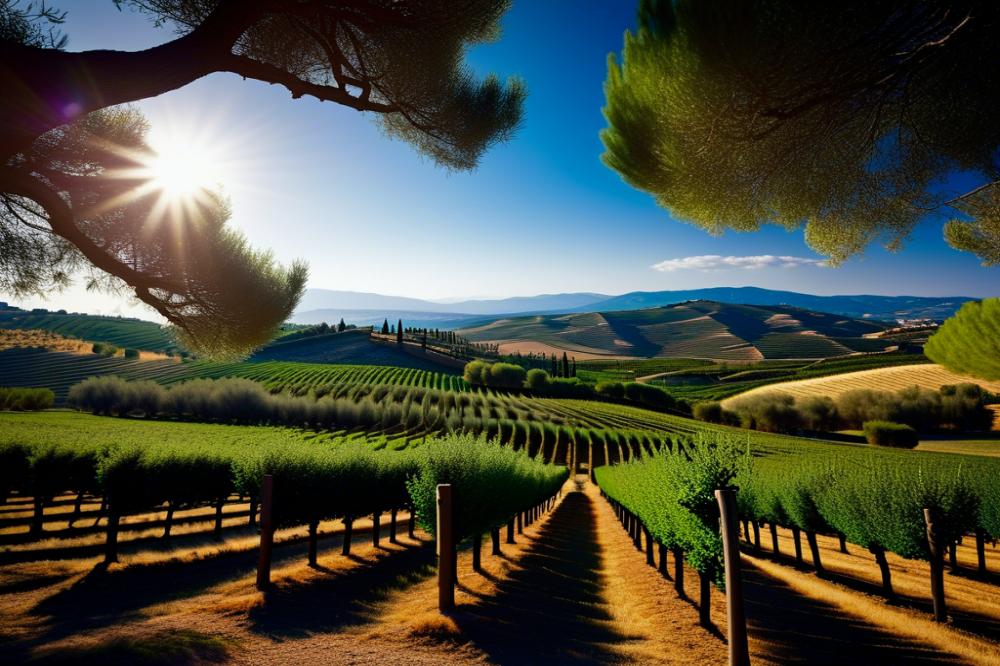
Italian olive oil has deep roots in the culture and history of Italy. For centuries, it has played a role in cooking, health, and local traditions. Many families have passed down olive-growing practices through generations. This oil is more than just a kitchen staple; it’s tied to regional identity. From Tuscany to Sicily, each region produces oils with distinct flavors, reflecting local soil and climate conditions. Such diversity showcases the agricultural heritage of Italy.
Overview of Production Regions in Italy
Italy is home to several key production regions for olive oil. The famous Tuscan hills are known for robust oils, while the Mediterranean climate of Apulia yields many light and fruity options. Liguria is renowned for its mild and grassy varieties. Each area contributes to the country’s reputation as a top producer. The geographical differences lead to varying tastes, aromas, and culinary uses. Understanding these regions helps consumers appreciate the flavors in each bottle of oil.
Market Trends and Economic Contributions
The global demand for Italian olive oil continues to rise. Consumers increasingly favor high-quality, authentic products. This trend has spurred both competition and innovation within the industry. Economic contributions are significant, providing jobs and supporting rural communities. Organic farming practices are gaining traction, appealing to health-conscious buyers. Many producers are focusing on sustainability in order to meet these market demands. Adapting to trends is crucial for maintaining relevance in the global marketplace.
Challenges Faced by the Industry Today
Italian olive oil faces several harsh challenges today. Climate change is impacting crop resilience, with rising temperatures and shifting rainfall patterns disrupt production. Water management has become a pressing concern for farmers. Addressing issues of soil health is vital for future yields. Many growers are turning to technology to help overcome these obstacles. Innovative practices may lead to more sustainable agriculture and better management of natural resources. The industry must also tackle threats from pests and diseases that threaten production. These factors create a complicated landscape for producers trying to maintain quality and heritage.
Challenges Posed by Climate Change
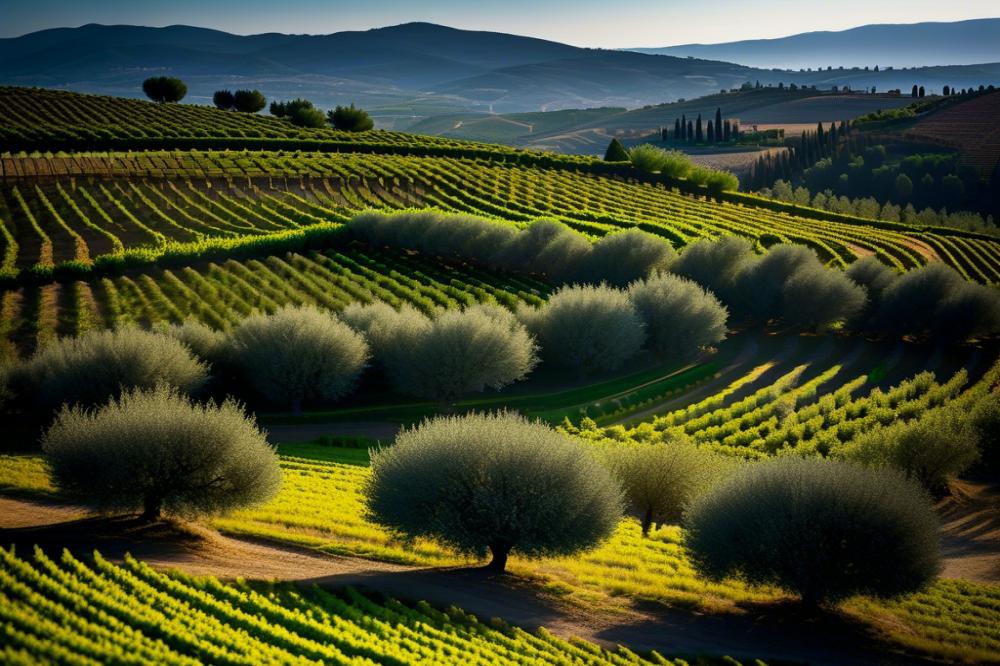
The olive tree, a symbol of Mediterranean agriculture, faces serious threats because of climate change. Rising temperatures directly affect the health and yield of these trees. Heat stress can lead to poor fruit development, reducing the amount of oil produced. Many farmers worry that traditional cultivation methods may not cope well with such increasing challenges.
Soil health is another major concern. Intensive farming and climate fluctuations can degrade the earth where olive trees thrive. Healthy soil supports nutrient cycling and promotes biodiversity. Without it, the ecosystem surrounding olive groves could suffer. This loss of biodiversity might mean fewer natural pollinators and beneficial organisms that usually protect crops.
Water management has turned into a pressing issue. Olive trees need consistent moisture, but erratic weather patterns can disrupt their water supply. Growers must adapt by implementing more efficient irrigation systems. Innovations in water conservation technologies could provide much-needed relief in arid regions. Organizations promoting organic farming are also looking for sustainable practices in managing water resources.
Climate fluctuations have led to an uptick in pests and diseases. Warmer temperatures can create environments where harmful insects thrive. As pests become more resilient, they pose a greater risk to olive groves. Farmers may need to explore integrated pest management strategies to mitigate this threat. Understanding market trends will be crucial as they seek to maintain their crops’ health.
Innovations in Italian Olive Oil Production
Technological advancements are making a significant impact on crop resilience. Farmers are increasingly using sensors and data analysis to monitor olive tree health. These tools help detect diseases early, allowing for timely interventions. Drones and satellites are also being employed to assess soil conditions and optimize irrigation schedules. Such technology not only improves yields but also contributes to the overall sustainability of farming practices.
As climate change continues to pose threats to agriculture, innovative approaches are essential. Many producers are adopting sustainable agriculture practices that prioritize soil health and biodiversity. Cover cropping and crop rotation are gaining popularity. These methods enrich the soil and promote a healthier ecosystem. When producers consider the long-term impacts of their practices, the results can be significant.
Market trends show a growing demand for high-quality products. Consumers are more conscious of where their food comes from. They appreciate transparency in production methods. Innovation plays a crucial role in maintaining quality while reducing environmental impact. Techniques such as precision agriculture allow growers to use resources more efficiently. This means less water is wasted, and chemical inputs are reduced.
The integration of organic farming is another step forward. More producers are adopting organic methods, which focus on natural processes and avoid synthetic chemicals. This shift not only benefits human health but also improves soil biodiversity. Healthy soil leads to robust plants that can withstand pests and diseases better. Organic farming aligns well with consumer desires for sustainable products.
Water management is increasingly important in olive cultivation. Efficient irrigation systems are being developed to maximize water use. Collecting rainwater and recycling greywater are strategies gaining traction. Producers aim to minimize water waste, especially in areas facing droughts. Innovations in this area can provide a buffer against climate-related challenges.
Strategies for Enhancing Sustainability
Soil health plays a pivotal role in effective olive cultivation. Healthy soil promotes strong root systems, which contribute to overall crop resilience. Farmers can utilize techniques such as cover cropping and crop rotation to enhance nutrient levels naturally. Implementing organic farming methods further nurtures soil and reduces chemical dependency.
Water management is crucial in an era of changing climate conditions. Efficient irrigation techniques can dramatically lower water consumption. Drip irrigation systems, for example, deliver water directly to plant roots, minimizing waste. Rainwater harvesting systems also provide an alternative source of irrigation. Both methods help ensure that olive trees receive adequate moisture without depleting local water resources.
Promoting biodiversity in olive groves is essential to creating a healthier ecosystem. Introducing different plant species can attract beneficial insects and pollinators. This variety strengthens the resilience of the agricultural landscape. Farmers showing interest in companion planting can enhance soil quality and reduce pests. A diverse environment supports both the trees and the surrounding wildlife.
Collaboration among local farmers can lead to innovative sustainable practices. Sharing knowledge and resources allows for the development of collective solutions to address challenges. Community initiatives can foster a culture of sustainability while responding to market trends. Working together can amplify the benefits of organic farming and conservation efforts. By forming cooperatives, farmers can support shared goals and improve overall productivity.
The Role of Policy and Community in Shaping the Future
Government support for sustainable practices is essential for the future of agriculture. Recent programs promote organic farming, encouraging farmers to adopt eco-friendly methods. Such initiatives often provide financial assistance, making the transition easier. Without this support, many farmers might struggle to implement necessary changes. Policies that focus on water management also play a crucial role. Efficient irrigation systems can greatly enhance soil health, leading to better crop resilience.
Communities throughout Italy are stepping up to preserve traditional olive oil production techniques. Local cooperatives foster collaboration and share knowledge among farmers. These initiatives create a sense of belonging and empower small-scale producers. New generations of farmers learn from the past while embracing innovation. Events showcasing local products help establish connections between producers and consumers. Such gatherings highlight the importance of biodiversity, ensuring that different olive varieties thrive.
Education and training programs are vital for preparing the next generation of olive growers. Workshops on sustainable practices can provide hands-on experience. Understanding market trends is equally critical as young farmers must adapt to changing consumer demands. Technology is also transforming the industry with tools that monitor soil health and optimize water usage. Young farmers now have access to data that older generations lacked, giving them a competitive edge.
The collaboration between government, communities, and future farmers will shape a resilient industry. Together, they can face challenges presented by a changing climate. A commitment to sustainability will not only help protect the environment but also support local economies. Building on tradition while embracing innovation ensures that Italy’s olive oil sector remains strong for years to come.
Looking Ahead: Challenges and Innovations
The landscape of olive production in Italy faces numerous challenges. Climate change, pests, and market fluctuations threaten the quality and quantity of this beloved product. Rising temperatures may alter traditional growing regions, making it harder for farmers to maintain their harvests. Additionally, water scarcity presents a pressing issue, as olive trees require specific conditions to thrive. Farmers are losing crops to unpredictable weather and environmental stresses, which can feel overwhelming.
Yet, amidst these obstacles, there are glimpses of hope. Innovative practices in agriculture are emerging to tackle these issues head-on. Techniques such as drip irrigation and resilient crop varieties can help mitigate the strain on olive groves. Some farmers are even experimenting with agroforestry, blending olive cultivation with other crops to enhance biodiversity and soil health. Collaboration within the industry also promotes knowledge sharing, creating a network of support among producers.
The future outlook remains uncertain. However, the commitment to sustainability across the olive oil sector is becoming more pronounced. Stakeholders now have an opportunity to rethink traditional practices. By investing in research and new technologies, they can not only adapt to changing conditions but also thrive in them. This collective push towards innovation will benefit not just farmers but consumers too, ensuring the longevity of a cherished culinary staple.
It is essential for everyone in the industry to come together. Producers, suppliers, and consumers must prioritize sustainable practices. Supporting local farmers and choosing environmentally friendly products can create a ripple effect. By embracing this change, stakeholders secure a brighter future for Italian olive oil. Together, they can preserve this vital component of Mediterranean culture while navigating the challenges that lie ahead.

