
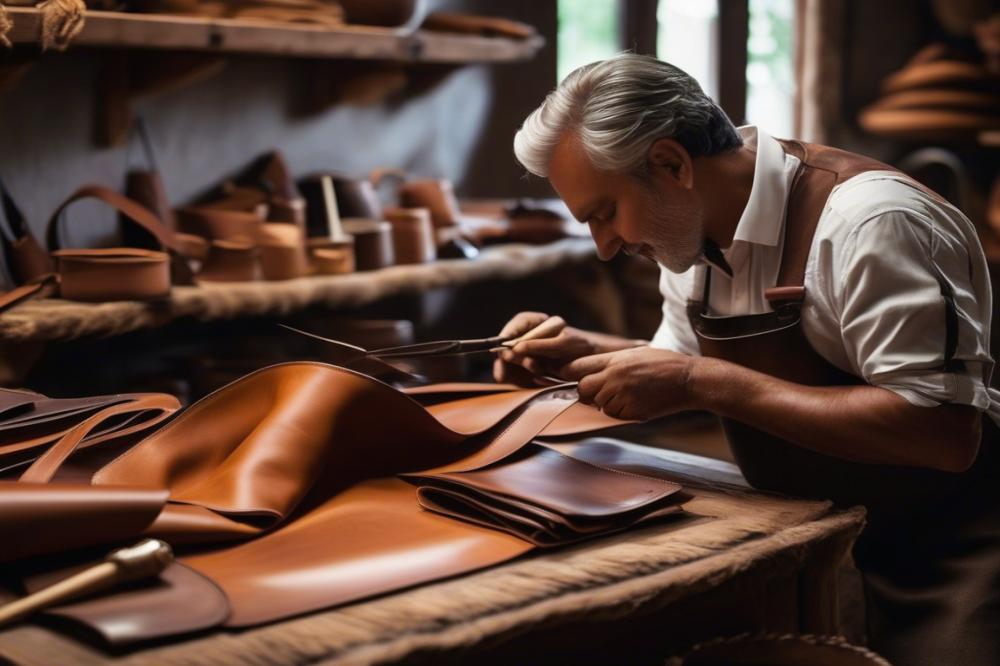
Overview of Italian leather craftsmanship
Italy is famous for its exceptional leather work. The nation has a rich history in handmade leather, combining artistry with practicality. Leather goods such as bags, shoes, and jackets are not just items; they are pieces of art.
Importance in Italian Fashion and Design

The significance of Italian leather craftsmanship in luxury fashion cannot be overstated. Designers often choose Italian materials for their collections because they convey elegance and sophistication. High-end brands rely on the skills of expert artisans who use traditional techniques passed down through generations.
Connection to Luxury and Quality

People associate Italian leather with quality leather that stands the test of time. The intricate tanning process plays a key role in producing durable and luxurious materials. Consumers often seek out Italian leather goods for their unrivaled durability and style.
In learning about leather manufacturing, one can appreciate the meticulous attention to detail involved in the craft. Each item tells a story of craftsmanship history that reflects Italy’s dedication to perfection. Investing in these leather products not only enhances your wardrobe but also showcases a piece of Italian heritage.
Historical Roots of Italian Leather Craftsmanship
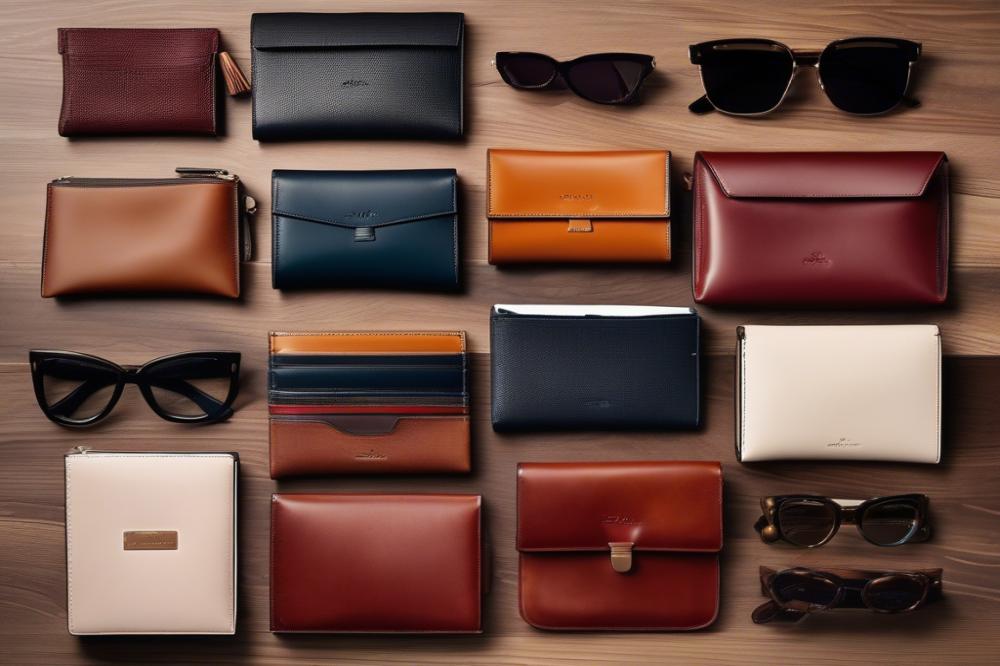
The origins of leatherworking in Italy stretch back to ancient times. Early Italians recognized the value of animal hides. They fashioned durable goods, which served practical purposes. From ancient Romans to modern artisans, this craft has deep roots.
During the Roman era, leather became an essential material. The Empire used it for armor, shoes, and bags. Techniques flourished in these times, laying the groundwork for future craftsmanship. Romans also introduced advanced tanning processes, enhancing the quality of leather. As the empire expanded, so did their style and methods.
The Renaissance marked a significant turning point for artisanship in Italy. This period celebrated art and culture, leading to a surge in luxury fashion. High-quality leather goods became symbols of wealth and status. Cities like Florence became hubs of creativity. Here, skilled craftsmen developed traditional techniques that are still admired today.
Over time, these artisans honed their skills. They transformed leather from mere material into a form of art. Whether creating bags or shoes, each piece reflected dedication. This legacy lives on in the heart of Italy’s leather industry.
As centuries passed, innovation continued to shape the craft. New technologies emerged, but the essence remained the same. handmade leather goods still echo the methods of the past. Craftsmanship experiences a resurgence, appealing to those who appreciate quality and authenticity. Each product carries a story, connecting the present to history.
Today, Italian leather craftsmanship stands apart. It symbolizes excellence, artistry, and heritage. The leather community values its history while embracing modern trends. Artisans blend traditional techniques with contemporary needs, ensuring timeless beauty. In every piece, luxury meets functionality, showcasing the remarkable journey of Italian leather.
The Tanning Process
The tanning process is the heart of Italian leather craftsmanship. In Italy, artisans value techniques that have been passed down for generations. Quality leather doesn’t come from just anywhere. It stems from a deep understanding of various tanning methods.
Overview of Tanning Methods Used in Italy
Two prominent methods dominate the leather industry: vegetable tanning and chrome tanning. Each method has its own characteristics. Vegetable tanning relies on natural tannins found in plants. It takes longer but results in a durable and rich finish. On the other hand, chrome tanning is faster and allows for vibrant colors. It uses chemicals to treat the hides, giving a different texture.
Vegetable Tanning vs. Chrome Tanning
Choosing between vegetable and chrome tanning often comes down to the desired final product. Luxury fashion brands frequently favor vegetable tanning for its eco-friendliness. In contrast, chrome-tanned leather is popular for its affordability and rapid production. Both methods produce quality leather, but their characteristics vary widely. Artisans must decide which method aligns best with their vision.
Role of Natural Materials in Preserving Quality Leather
Natural materials play a critical role in the tanning landscape. They contribute not only to the final look but also to the longevity of the product. Handmade leather goods crafted through traditional techniques often utilize these natural ingredients. This dedication to quality helps maintain the leather’s integrity over time. By embracing natural materials, Italian leather artisans create pieces that age beautifully. Their focus on sustainability reflects a commitment to craftsmanship history.
artisanship and Handmade Leather
Skilled artisans play a crucial role in the leather industry. Their expertise transforms raw materials into exquisite products. Each craftsman brings their own style and skill to leather goods. This individual craftsmanship significantly enhances the overall quality leather buyers receive. When you purchase handmade leather, you’re not just buying a product; you’re investing in a piece of art.
The tanning process is vital in shaping the final outcome of leather. Artisans use traditional techniques passed down through generations. These methods have been refined over centuries in Italy, ensuring leather maintains its integrity. New technologies may be tempting, but they can’t replicate the depth of knowledge found in traditional practices.
Many luxury fashion brands rely on the talents of these craftsmen. Quality leather crafted by hand often outlasts mass-produced items. Consumers have a unique appreciation for the feel and design of handmade leather. Each item tells a story of dedication and hard work. Artisans dedicate themselves to their craft, resulting in timeless pieces that reflect their passion and commitment.
Preservation of traditional techniques is essential in today’s fast-paced world. As styles evolve, maintaining a connection to craftsmanship history becomes even more important. Buyers benefit from products that honor this rich legacy while meeting modern demands. Investing in handmade leather supports not just quality but also the artisans behind the scenes.
Luxury Fashion and Italian Leather Goods
Leather plays a vital role in high-end fashion brands. Many luxury fashion houses in Italy have built their reputations on exceptional leather craftsmanship. Handcrafted pieces made from quality leather are often seen as the pinnacle of style and elegance. Artisans dedicate countless hours to perfect their work, ensuring each detail is impeccable.
Iconic leather items from Italian designers include handbags, shoes, and belts. Brands like Gucci, Prada, and Fendi have become synonymous with luxury. They offer products that are not just beautiful but also practical. The rich colors and soft textures make these items desirable to fashion lovers worldwide. Each piece tells a story, reflecting the heritage of Italian craftsmanship.
The market demand for these leather goods remains strong. Shoppers around the globe seek out products that represent luxury and quality. As a result, the leather industry thrives, continuously evolving to meet consumer preferences. Many buyers are searching for authentic, handmade leather items that showcase traditional techniques. This desire drives designers to innovate while respecting their craftsmanship history.
Global influence cannot be overlooked. Italian leather goods dominate the luxury fashion market. Their reputation for durability and style appeals to customers everywhere. People are willing to invest in these products because they signify sophistication and taste. In an ever-changing fashion landscape, Italian leather maintains its status at the forefront.
Challenges Facing Italian Leather Craftsmanship
Impact of Globalization on Traditional Craftsmanship
Globalization has changed how goods are made and sold. Many companies now favor mass production. This has made it difficult for small artisans in Italy to compete. Traditional techniques often require time and care. Fast fashion brands provide cheaper alternatives, which attracts consumers. As a result, some consumers overlook the uniqueness of handmade leather goods. The artistry that goes into each piece suffers as demand shifts. Artisan workshops struggle to maintain their heritage amidst this changing landscape.
Sustainability Concerns in the Leather Industry
Sustainability has become a pressing issue for many industries, including leather. The tanning process can produce harmful chemicals, and this can have lasting effects on the environment. Additionally, concerns arise regarding the sourcing of raw materials. Many people are interested in knowing where their leather comes from. However, eco-friendly practices are not always easy to implement. As awareness grows, the need for ethical production becomes critical. Consumers are now more educated and prefer quality leather that supports sustainable practices.
Efforts to Maintain Quality and Tradition
Craftsmanship history is rich in Italy, and many artisans strive to protect it. Some organizations promote traditional techniques and education for upcoming generations. Workshops often implement training programs to pass down essential skills. These initiatives help keep Italian craftsmanship alive. Consumers play a vital role by appreciating and purchasing these high-quality leather goods. Luxury fashion brands are starting to embrace this shift. By prioritizing artisan work, they affirm the value of true craftsmanship. The legacy of handmade leather should not only survive but thrive in modern fashion.
Reflecting on Italy’s Leather Heritage
Italian leather craftsmanship holds a significant place in the world of fashion and design. Its rich traditions are more than just about creating products; they represent a cultural heritage passed down through generations. The meticulous techniques used by artisans reflect a commitment to quality that is hard to find elsewhere. Every piece tells a story of creativity and meticulous care in crafting handmade leather goods.
The future of artisanship in this industry is bright, but it faces challenges. As global demand for fast production grows, the importance of maintaining high standards can’t be overlooked. Rising awareness among consumers about sustainability could shift attention back to the slow, thoughtful creation that characterizes Italian leather. This might inspire a new generation of artisans who respect traditional methods while also innovating.
Italy’s legacy in quality leather continues to inspire. This expertise not only highlights the beauty of every product but also reinforces the value of staying true to exceptional craftsmanship. Genuine passion fuels artisans working passionately to create pieces that resonate with customers worldwide. Remarkably, even in our modern world, the allure of well-made leather remains timeless. It’s a testament to the dedication that goes into every stitch, every design, and every finished product.

