
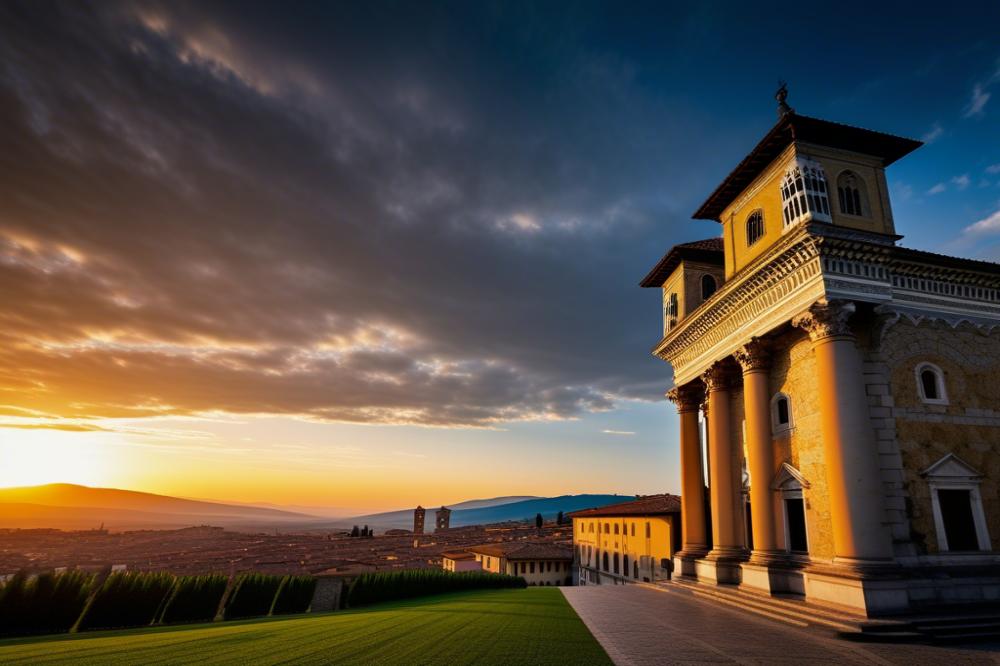
The Legacy of the Medici: Exploring Historic Prato
The Medici family played a crucial role in shaping the history of Tuscany. Their influence extended far beyond their wealth and power, impacting the artistic and cultural landscape of this remarkable region. As patrons of the arts, they supported countless artists and thinkers during the Renaissance, sparking an era of creativity that left a lasting mark on the world.
Prato, a historic town near Florence, stands as a testament to this era of transformation. Many of its structures and cultural landmarks reflect the Medici’s legacy. This town’s vibrant history weaves together threads of art, architecture, and textiles, narrating stories from centuries past. Visitors often marvel at Prato’s unique blend of charm and historical significance.
The Renaissance period was marked by an explosion of creativity in various fields. Artistic expression flourished, leading to unforgettable masterpieces. Notable figures such as Leonardo da Vinci and Michelangelo contributed to the rich tapestry of culture that defined this time. In addition to art, architecture underwent a remarkable evolution, with stunning buildings designed to reflect the ideals of the age.
Exploring the historic sites of Prato provides a glimpse into this extraordinary chapter of history. Each corner of the town whispers tales of the past, revealing how the Medici’s influence helped shape the region. As we delve deeper into the legacy left behind, we uncover the remarkable interplay of art, history, and culture that continues to resonate today.
The Medici Family and Their Impact
The Medici family rose from humble beginnings in the 13th century to become one of the most powerful dynasties in Italy. Their roots were in banking, and they used this wealth to gain influence in Florence and beyond. By the 15th century, they had secured their position as the leading family of the region.
Cosimo de’ Medici, also called the Elder, played a pivotal role in establishing the family’s prominence. His leadership transformed Florence into a cultural hub. Under his guidance, the city became an epicenter for artists, intellectuals, and thinkers. He was the mastermind behind many important projects that still resonate today.
Lorenzo de’ Medici, known as Lorenzo the Magnificent, further advanced the family’s legacy. He was not only a diplomat but also a great patron of the arts. His support brought forth talents like Michelangelo and Botticelli, whose works continue to define Renaissance culture. During his rule, Florence blossomed in creativity and artistic expression.
The influence of the Medici extended well into the surrounding areas, including Prato. Situated just a short distance from Florence, Prato benefited from the family’s attention. Historic sites such as the Prato Cathedral display the architectural innovations that took root during this time. The Medici’s investment in textiles also helped Prato become a major center for this industry.
The family’s dedication to the arts created a ripple effect. Artists flourished due to their generous patronage, enriching Renaissance culture. Public artworks and sculptures began to transform not only Florence but also smaller towns like Prato. This passion for art left an indelible mark on the landscape and on the people of Tuscany.
Many scholars regard the Medici as cultural pioneers. Their vision for a vibrant, artistic society changed the course of history. Museums, libraries, and schools owe much to their commitment to education and enlightenment. The family’s legacy is a reminder of how an influential group can shape the world around them.
Historic Sites in Prato
Prato, a city near Florence, is steeped in history and culture. Many notable historic sites showcase its rich past and connections to the Medici family. Visitors can explore these places to feel the legacy of the Renaissance.
Prato Cathedral and its Architectural Significance
The Prato Cathedral, or Cattedrale di Santo Stefano, stands as a landmark in the city. Its construction began in the 12th century, showcasing Romanesque and Gothic elements. This blend creates a striking visual that captivates onlookers. The façade gleams with intricate carvings, while the interior boasts stunning frescoes. Especially notable is the artwork by Paolo Uccello, which reflects the era’s cultural depth.
The Castello dell’Imperatore and Its Role in History
The Castello dell’Imperatore, or Castle of the Emperor, plays a significant part in Prato’s history. Built in the 13th century, this fortress served as a defensive structure for the city. Its imposing walls tell tales of battles and power struggles. Over the years, the castle has evolved in function but remains a symbol of strength. Visitors can walk through its historic gates and imagine the past it has witnessed.
Textile Museum and Its Connection to the Medici Legacy
The Textile Museum represents another important site within Prato. This museum highlights the city’s rich textile industry, which flourished under the influence of the Medici family. Exhibits showcase the production techniques and products that made Prato famous for its fabrics. Here, you can learn about the art of weaving that shaped local culture. Additionally, the museum sheds light on how textiles played a vital role in trade during the Renaissance.
Art and Culture in Prato
Prato, a vibrant city nestled in Tuscany, has a rich history that intertwines with the Renaissance. This period, marked by a revival in art and learning, left an indelible mark on the area. The influence of the powerful family from Florence transformed Prato into a center for artistic achievements. Local artisans flourished, producing remarkable textiles and innovative works that reflected the spirit of the time.
The Duomo di Prato is a key landmark showcasing this era’s architecture. Its stunning facade, adorned with intricate details, stands as a testament to the skill of its builders. Within its walls, visitors find paintings and sculptures that tell the story of Prato’s artistic journey. Many of these artworks bear the hallmark of well-known Renaissance artists, adding a layer of historical significance.
One notable figure connected to Prato is the painter Filippo Lippi. His works, characterized by vivid colors and emotive figures, are essential to understanding this city’s art scene. Lippi’s time in Prato produced masterpieces that displayed not only his talent but also the cultural environment fostered by the family from Florence. Additionally, the city boasts various galleries and museums that showcase local talent and the enduring legacy of Renaissance art.
Cultural festivals in Prato capture this historical essence. Events like the Prato Fair celebrate the city’s textile history and artistic heritage. Such gatherings bring together artisans and performers, allowing the community to honor their past while embracing creativity in the present. Locals and tourists alike enjoy the rich tapestry of tradition blended with modern influences.
The echoes of Renaissance art continue to resonate today. Modern artists are inspired by the works and ideals of their predecessors. Many explore themes of history and culture through contemporary means, reflecting on how ancient legacies shape current expressions. Art in Prato is not stagnant. It evolves, creating a dynamic environment where history and modernity coexist.
In summary, Prato stands as an incredible witness to the Renaissance’s art and culture. Its historic sites, vibrant festivals, and connections to prominent figures offer a unique glimpse into a past that still influences today’s artistic endeavors.
Textiles and Economic Development
Historical Importance of Textiles in Prato
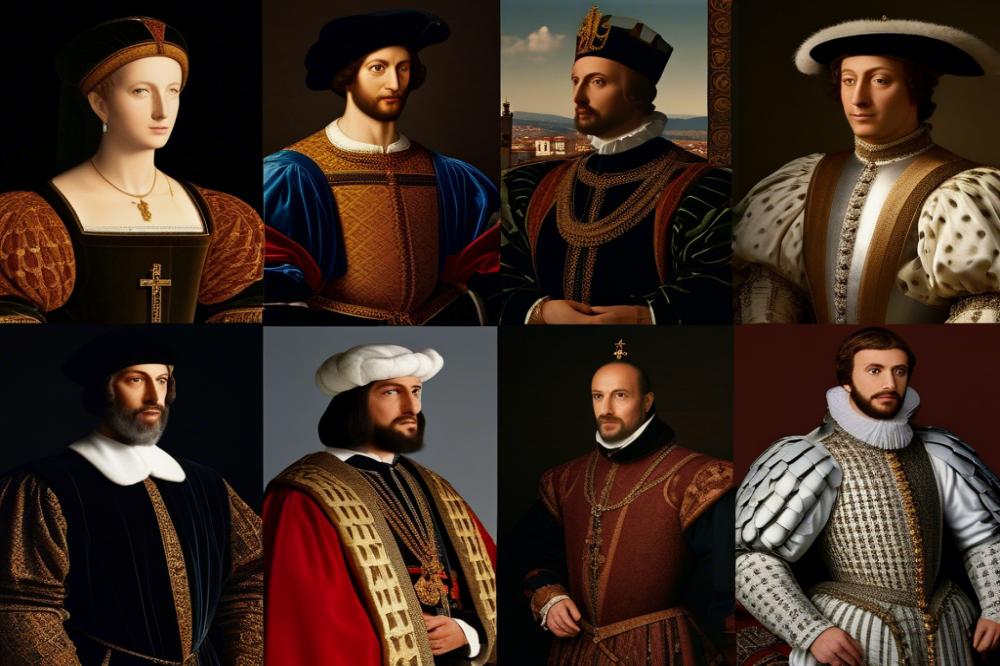
Prato has a rich history tied to textiles. The city flourished during the Renaissance, becoming a hub for fabric production. Artisans crafted beautiful woolen goods that were sought after in markets far and wide. This industry helped define the local culture and economy, placing Prato on the map within Tuscany. Each thread woven in the workshops added to the city’s vibrancy. Historic sites around Prato still tell the story of this textile legacy.
Medici Contributions to the Textile Industry
The Medici family played a significant role in boosting the textile sector. They provided financial support, establishing workshops and guilds that trained skilled workers. Their influence increased the demand for high-quality fabrics, allowing local businesses to thrive. The family’s patronage enabled artists to explore new techniques in textile design. Innovations emerged, making Prato a leader in the production of unique fabrics. It became a center where art and textile work merged seamlessly.
Impact on Local Economy and Trade
A vibrant economy grew around the textile industry in Prato. Jobs were created, and the population increased as people flocked to the city for work. Trade networks expanded, connecting Prato with other regions. Merchants exported woolen goods across Europe, showcasing local craftsmanship. This influx of commerce brought wealth and prosperity. The local economy became interwoven with threads of trade, highlighting the importance of textiles in everyday life.
Preservation of Textile Heritage and Its Modern Implications
Today, preserving the textile heritage remains a priority for Prato. Museums and cultural institutions work diligently to showcase this unique history. Events celebrating textile arts draw visitors from around the world. Local craftsmen continue to create beautiful products, linking past to present. The city’s identity is deeply rooted in its textile traditions. As modern technology advances, the principles established centuries ago continue to influence current practices. This connection enriches the cultural fabric of the area while attracting interest in its storied past.
The Renaissance Legacy Today
Modern Prato continues to feel the influence of its past, shaped significantly by the Medici family’s reign during the Renaissance. This era brought forth a flourishing of art, architecture, and culture that remains visible today. Historic sites abound, each telling stories of a grander time. Visitors often marvel at the remarkable buildings that echo the artistic expression of that age.
Tourism plays a critical role in the life of Prato. Many come to explore its rich history and vibrant culture. Local officials understand the importance of attracting these visitors. They work diligently to maintain landmarks while promoting the city as a prime destination. This balance is essential, as tourism can directly impact the preservation of historic locations across Tuscany.
Challenges arise when trying to keep the past intact. With increasing visitor numbers, the wear on ancient structures grows. Funding for restoration projects often falls short, complicating efforts to preserve significant sites. Residents sometimes oppose developments that threaten the character of their neighborhoods. They cherish the unique atmosphere and dread losing parts of their heritage.
Looking forward, the prospects for Prato as a cultural destination seem bright. Initiatives focused on sustainability and heritage conservation are gaining momentum. There is hope that new investments will breathe life into forgotten areas. Engaging younger generations in local history can foster pride in their identity. Prato’s place in the world of art and textiles, rooted in its Renaissance past, remains a cornerstone for future growth.
Reflecting on the Legacy and Heritage of Prato
The influence of a powerful family resonates through Prato’s streets and buildings. Their support of the arts and culture during the Renaissance helped mold this city into a vibrant hub of creativity. Many local landmarks still bear the scars and beauty of that impactful era. From the stunning Palazzo Datini to the magnificent Prato Cathedral, history seems alive in every corner.
Prato holds a special place in the broader narrative of Tuscany. This town’s dynamic mix of history and tradition showcases the region’s rich tapestry. While Florence often steals the spotlight, Prato deserves attention too. Its history tells tales of commerce, art, and community that reflect the spirit of Tuscany.
Visitors are encouraged to explore this charming town. Each cobblestone and alleyway invites discovery. Local museums, festivals, and delectable cuisine provide a glimpse into the past. With every step taken, the essence of Prato reveals itself. The heritage is not just a relic; it’s a living story.
Preserving history and culture is vital for future generations. Understanding the past builds a bridge to new perspectives. That connection fosters appreciation for the diversity of experiences. As we gaze upon Prato’s historic skyline, let us remember the importance of safeguarding our shared legacy.

