
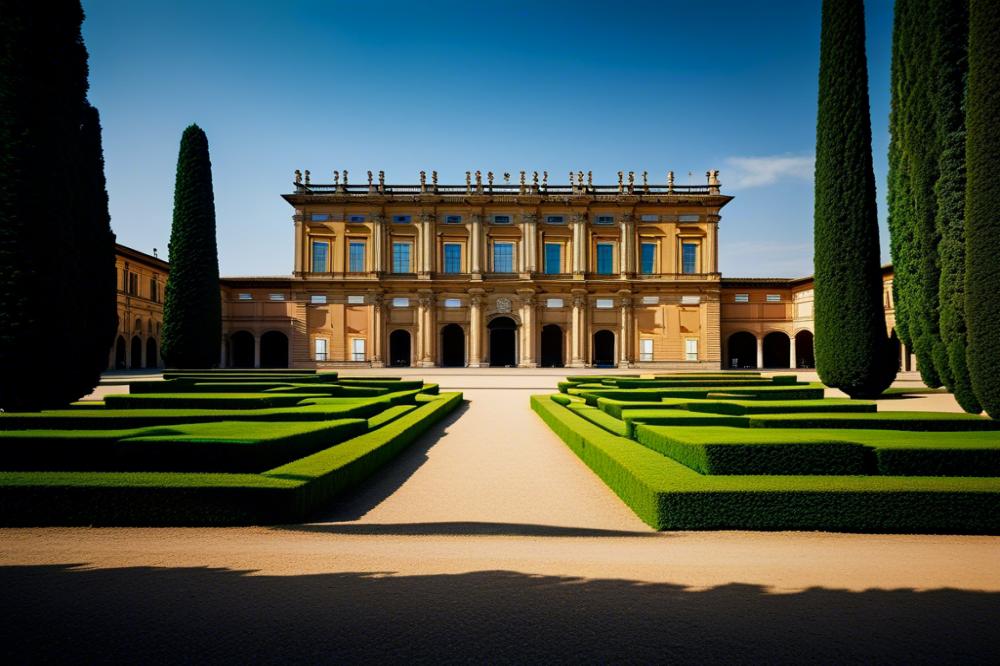
The Majesty of Palazzo Pitti: Florence’s Grand Renaissance Treasure
Overview of Palazzo Pitti as a significant architectural and cultural treasure in Florence
Florence stands as a beacon of art and history, and at its heart lies a marvel of architecture. The Palazzo Pitti is one of the most significant treasures of this beautiful city. This grand structure showcases the heights of Renaissance design, reflecting the ambitions of the powerful Medici family. Constructed in the 15th century, its monumental facade invites visitors to explore the world within.
The cultural importance of this palace expands beyond mere brick and mortar. It serves as a symbol of Florence’s illustrious past. Here, art flows freely, with museums that house masterpieces from renowned artists. Its galleries tell the story of Tuscany’s rich heritage and the evolution of Italian Renaissance art.
Importance within the context of Renaissance art and history
In the context of Renaissance art and history, Palazzo Pitti holds a special place. The Medici cultivated a rich artistic environment, commissioning works that changed the face of European art. Within these walls, one can find works by legendary figures such as Raphael and Titian. Each brushstroke captures the essence of a period that celebrated humanism and beauty.
Gardens surround the palace, adding to its scenic splendor. The Boboli Gardens, located just behind it, offer an outdoor gallery that complements the interior collections. Together, they create a harmonious blend of nature and art, inviting visitors to stroll through history.
Understanding the significance of this site allows a deeper appreciation of Florence’s culture. It is not merely a location; it embodies a legacy, a testament to the creativity and innovation of the Renaissance era. The Palazzo Pitti continues to be a vital part of Florence, drawing attention from around the globe.
Palazzo Pitti: A Testament to Renaissance architecture
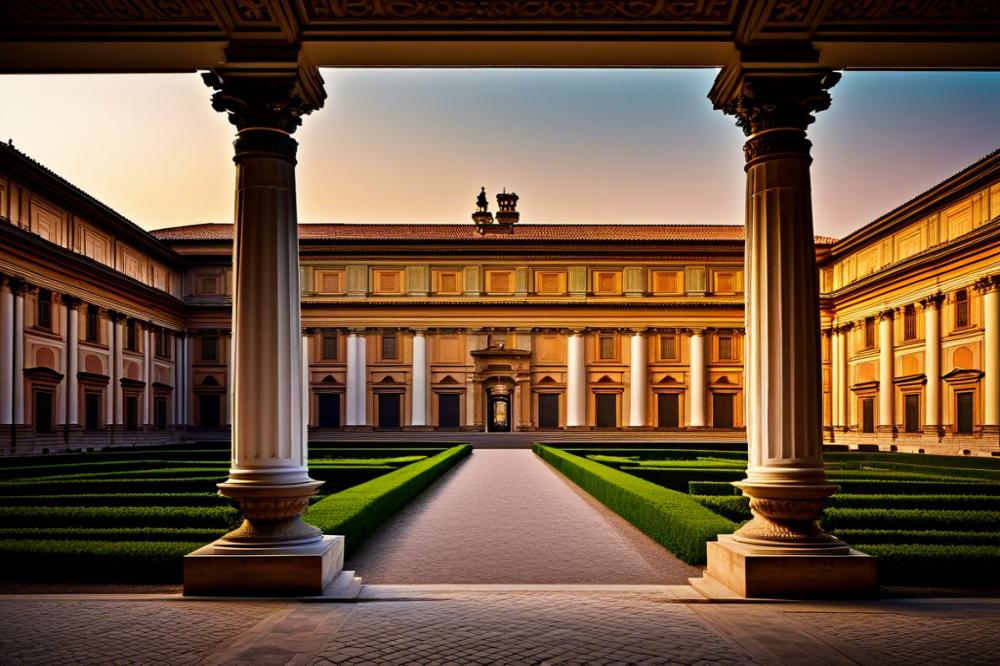
The grandeur of the Palazzo Pitti stands as a striking example of Renaissance architecture. Located in Florence, this impressive structure showcases elements that clearly reflect the period’s style. Its façade, crafted from rusticated stone, offers a sense of strength and permanence. Large windows allow bright light to illuminate the interior spaces, creating an inviting atmosphere. Characteristic arches enhance its elegance, making each entrance a visual delight. The design exemplifies symmetry, guiding the eye and inviting admiration from all visitors.
Constructed in the 15th century, this architectural marvel has a rich history. Originally built for the Pitti family, its purpose shifted dramatically over the years. The Medici family later acquired the palace, marking a significant turning point. Their influence can be seen throughout the structure. As patrons of art and culture, they transformed it into a royal residence filled with elegance and opulence. Beyond its mere function, the Palazzo also served as a symbol of power within Tuscany, showcasing the Medici’s prominence in Florentine society.
The gardens surrounding the palace are just as remarkable. Known as the Boboli Gardens, they offer a lush retreat amidst the vibrant city. Pathways winding through the gardens reveal sculptures, fountains, and a variety of plant life. These outdoor spaces reflect not only the beauty of nature but also the refined tastes of the ruling family. The integration of art and landscape adds to the cultural heritage of Florence, reinforcing the palace’s significance as a nexus of leisure and art.
Art also plays a vital role in the palace’s appeal. It houses several museums that display masterpieces from various artists, many of whom were favored by the Medici. Each room tells a story of history through paintings, sculptures, and decorative arts. Visitors can appreciate the craftsmanship and creativity that flourished during this pivotal era. The combination of architecture, art, and gardens creates a holistic experience, drawing tourists from all over the world.
Throughout its existence, the Pitti has served multiple purposes beyond a royal residence. Its evolution reflects the changing dynamics of power, art, and culture in Florence. While it began as a family home, it transformed into a seat of governance and a center for the arts. This transition marks an important chapter in the history of Florence, showcasing the significant influence of the Medici family on both architecture and social life.
Art and Heritage within Palazzo Pitti
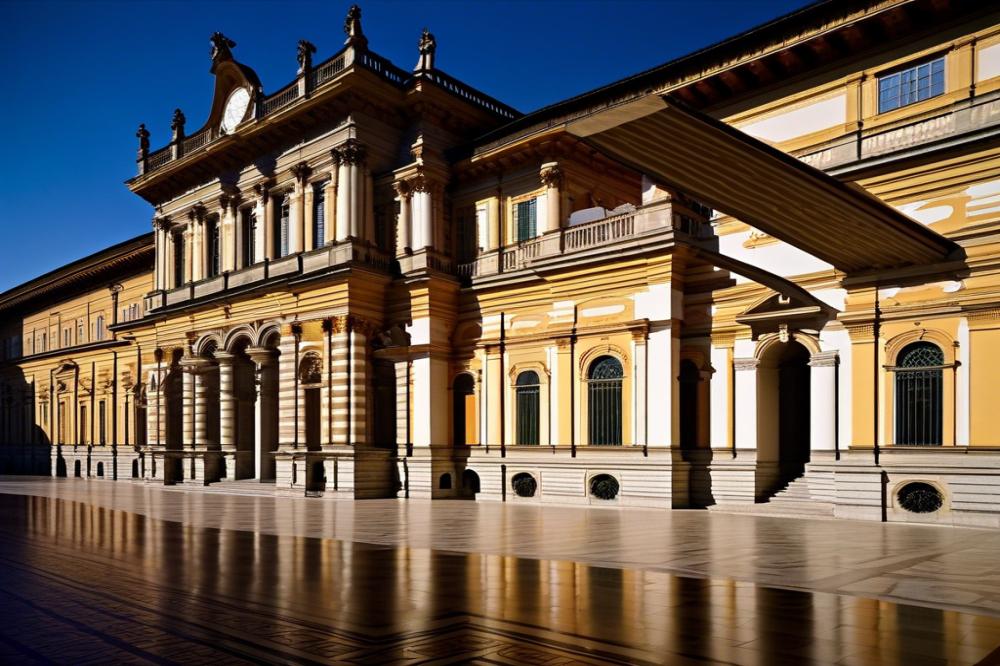
The Palazzo Pitti stands as a monumental representation of Florence’s rich history. Inside, various museums tell the stories of art and heritage that have shaped Tuscany. These institutions showcase a wide array of artworks, attracting visitors from around the globe. Each room has its own unique appeal, drawing on the grandeur of the Renaissance period.
The Boboli Gardens are an extension of the palace. They provide a lush escape, complementing the artistic treasures inside with stunning landscaping. Visitors can walk along the tree-lined paths while enjoying beautiful sculptures and fountains. This combination of art and nature reflects the Medici family’s vision of creating a harmonious space.
Highlights of the Art Collections
Among the notable collections, the Palatine Gallery features masterpieces by renowned artists. The works of Raphael, Titian, and Rubens create an impressive showcase of Renaissance artistry. Each piece invites viewers to delve deeper into a world of creativity and beauty. Furthermore, the Gallery of Modern Art highlights contemporary pieces, bridging the past with the present.
Many paintings serve as more than just decoration; they tell stories from a time long gone. Portraits showcase powerful figures from the Medici dynasty, providing insight into their influence over Florence. Sculptures and decorative arts further enrich the collections found within the palace.
Significance as a Cultural Center
This grand palace is not merely a venue for displaying art. It stands as an important center for culture and heritage in Tuscany. Engaging exhibitions and educational programs attract art lovers and history enthusiasts alike. They inspire the next generation to appreciate the artistic achievements of the past.
Events hosted here, including concerts and lectures, further enhance its role within the community. The interplay of architecture and art creates a vibrant atmosphere. Within these walls, history comes alive, reminding us of the rich tapestry that defines Florence.
The Boboli Gardens: An Extension of Palazzo Pitti
The Boboli Gardens stretch behind the grand palace, showcasing the splendor of Renaissance landscaping. Designed in the 16th century, these gardens blend art and nature. They are a stunning example of Italian garden architecture. Paths wind through the greenery, leading visitors on a journey through various sculptures and fountains that capture the imagination.
Connection to the palace runs deep. The Medici family envisioned these gardens as both a private retreat and a public display of their wealth. Strolling through the gardens, one can almost feel the presence of past nobility. They would have gathered here, enjoying leisure time away from the city. This space was not just a garden; it was an extension of their lifestyle and a canvas to showcase their power.
Historically, these gardens transformed Florence into a city that celebrated culture and beauty. They symbolize the heart of the Renaissance, merging art with landscapes in a way that still inspires today. Many visitors explore the pathways not only for their beauty but also for the stories that resonate through the centuries. The gardens played a vital role in shaping Tuscany’s cultural identity, drawing attention from artists and historians alike.
Art and nature coexist beautifully in this vast space. Sculptures from ancient Rome create a unique ambiance, while the design reflects the Medici’s appreciation for the arts. Every corner reveals a new surprise, whether it’s a statue or a blooming flower. They illustrate the family’s artistic vision and their commitment to preserving Tuscany’s rich heritage.
As you wander through the foliage, think about the impact of this landscape on Florence’s development. The Boboli Gardens did not merely serve as a backdrop; they were instrumental in the city’s cultural evolution. They became a prototype for gardens throughout Europe. This place is more than a garden; it is a testament to the ingenuity and spirit of the Renaissance era.
Palazzo Pitti in Contemporary Context
Role in Modern Florence as a Tourist Attraction
The grandeur of this historic palace draws millions of visitors each year. Tourists flock to Florence, eager to experience its majestic architecture and rich history. Many come specifically to explore the vibrant art collections housed within. People often find themselves enchanted by the ornate rooms and splendid gardens that surround the building. Each visit provides a glimpse into the opulence of the Medici era. Locals also take pride in the palace as a symbol of their city’s cultural significance and beauty.
Preservation Efforts and Its Place in Current Cultural Heritage
Active efforts to preserve the Palazzo aim to maintain its status as a key cultural site. Various restoration projects focus on the delicate frescoes and historic decor. Funding often comes from both government and private sectors. These initiatives help safeguard the structure’s historical essence for future generations. Despite modern challenges, groups dedicated to conservation work tirelessly to highlight Tuscany’s artistic legacy. Such commitments reinforce the importance of heritage in Florence’s identity.
Impact on Contemporary Art and Architecture in the Region
Influence from the Palazzo extends beyond its walls and into the surrounding community. Contemporary artists often draw inspiration from its aesthetic and historical significance. Local architects may incorporate elements reminiscent of Renaissance styles in their designs. This connection fosters a dialogue between past and present. Public events and exhibitions in the area further promote an appreciation for both history and modern creativity. Artists celebrate the enduring legacy of the Medici through their work, merging history with contemporary themes.
Final Thoughts
The legacy of Palazzo Pitti stretches beyond its magnificent walls. This architectural gem stands as a testament to the opulence of the Renaissance and the artistic spirit of Florence. Visitors can feel the weight of history within each room. Its impressive collections and beautiful gardens contribute to a rich cultural tapestry.
Exploration of this treasure reveals not only art but also the stories of the powerful families who once inhabited it. As you wander through its halls, a sense of connection to the past becomes tangible. Every piece of art and every detailed fresco invites reflection on the grandeur of Tuscany’s history.
A visit offers a chance to appreciate the crossroads of art, history, and architecture. By stepping through its gates, you are part of a narrative that has shaped one of the world’s most celebrated cities. This experience enhances understanding of both Florence and the evolution of Renaissance ideals.
Consider taking the time to explore this magnificent site. Whether a local or a traveler, each person can find something inspiring within its walls. The beauty and history waiting to be uncovered is simply too significant to overlook. Embrace the opportunity to connect with Florence’s grand past at this remarkable landmark.

