
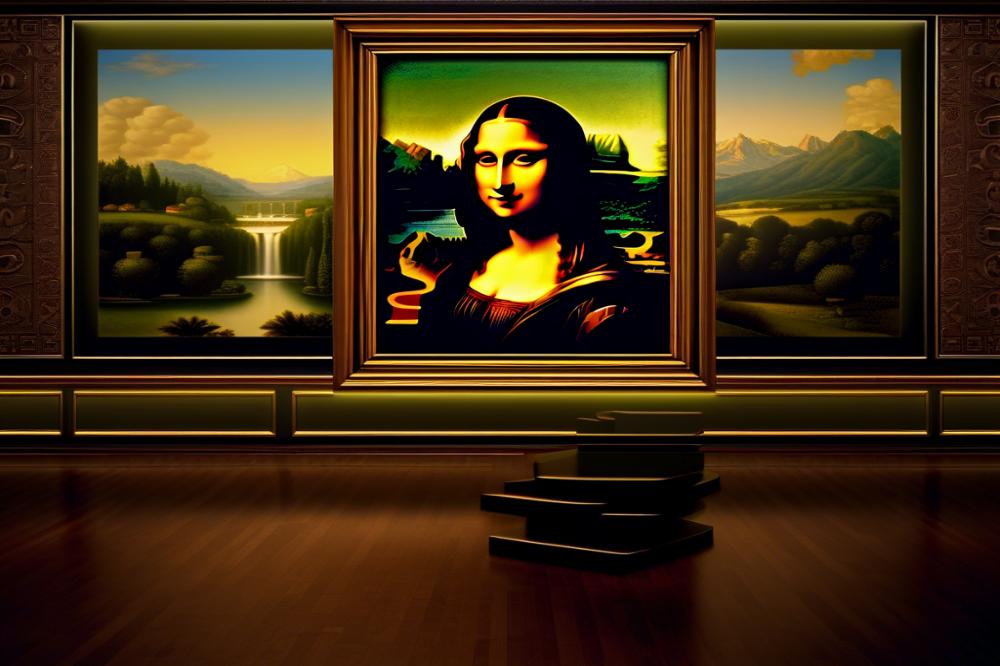
Overview of Leonardo da Vinci as a Pivotal Figure in the Renaissance
Leonardo da Vinci stands out as an extraordinary individual from the Renaissance era. This period was a time of rebirth in art, science, and learning. His contributions helped to shape the course of Western art and thought. Through his paintings and drawings, he captured the imagination of many. The Mona Lisa and The Last Supper are just a couple of examples of his breathtaking works that have enthralled audiences for centuries.
Influence stretches beyond mere aesthetics; it encompasses anatomy and inventions as well. Da Vinci meticulously studied the human body, revealing inner workings like few before him. His sketches on anatomy showcase a deep understanding that blended art and science. By exploring various subjects, he pushed the boundaries of creativity, inspiring generations of artists and thinkers.
The importance of studying these Masterpieces cannot be overstated. Each work is a window into the mind of a genius. Studying them allows us to appreciate not only the beauty but also the historical significance behind each stroke of the brush. Understanding da Vinci’s methods and ideas enriches our knowledge of art and its evolution. He left behind a legacy that challenges us to explore our own creativity and curiosity. In a world where both art and science constantly evolve, his work remains a beacon of inspiration.
Leonardo da Vinci: A Brilliant Mind and Artist
Leonardo da Vinci was born in 1452 in a small town in Italy called Vinci. From an early age, he exhibited remarkable talent. His passions extended far beyond art; he was curious about everything around him. This curiosity shaped his incredible journey as an artist and thinker during the Renaissance.
Throughout his life, he explored various fields, including art, anatomy, and inventions. His fascination with the human body led him to study anatomy in depth. Drawings of muscles and organs showcased his understanding of how everything worked. This knowledge didn’t just inform his art; it helped him create Masterpieces filled with realism and emotion.
His paintings, including the famous Mona Lisa and The Last Supper, display his extraordinary skill. Each brushstroke reveals his profound attention to detail. In these works, figures convey expression and emotion, drawing viewers into their world. Historical significance surrounds each piece, influencing countless artists who followed him.
In addition to painting, his inventive mind produced sketches of machines that were ahead of his time. Leonardo envisioned flying machines and armored vehicles. These ideas reflected a blend of creativity and scientific inquiry, characteristics essential to the Renaissance spirit. This blend of disciplines showed that art and science could coexist harmoniously.
Interestingly, his background played a crucial role in his achievements. Growing up in Tuscany, he was exposed to vibrant artistic traditions. This environment nurtured his talents and encouraged his exploration of diverse subjects. Inspiration came from nature, mechanics, and the human experience around him.
The combination of all these elements made Leonardo da Vinci a unique figure in history. His ability to intertwine multiple interests allowed him to push boundaries in both art and science. Each masterpiece serves as a testament to his intellectual depth and artistic vision.
The Iconic Paintings of Leonardo da Vinci
When we think of extraordinary art, two masterpieces come to mind: the Mona Lisa and The Last Supper. These paintings are more than just images; they represent the heights of creativity during the Renaissance period. Examining these works reveals deep emotional connections and novel techniques that have influenced countless artists.
The Mona Lisa captivates viewers with her enigmatic smile. Every detail in this portrait is crafted with precision. Da Vinci’s use of sfumato—a technique that blends colors and tones—creates a lifelike representation. This innovative style adds a soft quality to her features. The background, with its distant landscapes, draws attention away from the subject yet enhances her presence.
In contrast, The Last Supper portrays a dramatic scene filled with emotion. This mural captures the moment right after Jesus reveals that one of his disciples will betray him. Each figure displays distinct emotions, allowing viewers to connect with their expressions. The use of perspective directs our gaze toward the central figure of Christ, reinforcing his significance. This technique was groundbreaking for its time, creating a sense of depth and realism.
Historical significance is woven into both paintings. The Mona Lisa has become a cultural icon, attracting admirers from all around the world. Art enthusiasts often debate her emotions and the identity of the sitter. The Last Supper, meanwhile, serves as a powerful example of religious art. It offers insight into both spiritual themes and human reactions to profound moments. Da Vinci’s understanding of anatomy gives the figures a sense of liveliness that continues to astound audiences today.
Innovation shrouds Leonardo’s approach to art. His attention to detail shines through not only in paintings but also in drawings and inventions. He explored various subjects, blending knowledge of anatomy with artistic expression. This combination allowed him to push the boundaries of what art could achieve. Each brushstroke and each line demonstrates a commitment to excellence that remains unmatched.
These masterpieces left a legacy that endures over centuries. Art inspired by the Mona Lisa and The Last Supper shapes contemporary works. Artists continually reference Da Vinci’s methods, striving to capture similar emotional depth. The influence of his techniques can be seen across many genres today. Such impact solidifies these paintings as not merely art, but as vital components of our cultural heritage.
Masterful Drawings and Sketches
Leonardo’s drawings and sketches are more than just preliminary works. They serve as windows into his intricate thought processes. Each piece highlights his relentless pursuit of knowledge during the Renaissance. The significance of these illustrations extends far beyond mere art; they reveal profound insights into anatomy and the human condition.
Many of his sketches document an unparalleled understanding of the human body. Artists, scientists, and medical professionals have studied them for centuries. By meticulously capturing muscles and bone structures, he created a foundation for future studies. His detailed observations have aided countless individuals in grasping the complexities of human anatomy.
Exploring the notebooks shows a remarkable blend of art and science. These volumes brim with ideas, inventions, and illustrations, showcasing creativity in its purest form. Some pages even contain notes on the principles of flight, anatomy, and geometry. This convergence of disciplines illustrates how his artistic vision influenced numerous fields beyond painting.
Throughout the Renaissance, artists often relied on sketches to develop ideas for major works. In his case, drawings acted as essential tools leading to masterpieces like the Mona Lisa and The Last Supper. Each preliminary study provided a solid base for these iconic paintings. Such preparatory work represents the careful thinking behind his famous creations.
The historical significance of his sketches is immense. They not only inform the art world but also reflect the innovative spirit of the time. They illuminate how creativity can drive scientific inquiry. Observing his intricate lines transports us to a period where art blossomed in new and exciting ways.
In essence, these drawings encapsulate the multifaceted genius of Leonardo. They showcase a man who was not just an artist but also a thinker. By examining this body of work, we can understand a remarkable intersection of creativity and knowledge. This exploration unveils a deeper appreciation for artistic expression and its impact on humanity.
The Intersection of Art and Science
Art and science often seem like separate worlds. However, during the Renaissance, they blended together beautifully through the work of one great mind. This connection is evident in countless paintings and drawings. One artist stands out for his deep curiosity about both fields. His scientific inquiries greatly influenced his artistic creations.
Anatomy studies played a crucial role in enhancing his artwork. By dissecting the human body, he learned how muscles and bones work. This knowledge allowed him to portray figures in a more realistic manner. The expressions and poses in works like the Mona Lisa and The Last Supper reflect his profound understanding of human anatomy. Observing the mechanics of movement, he brought lifelike qualities to his subjects.
Inventions also display his creative genius. His sketches for flying machines and war devices show an imaginative spirit. This spirit crossed over into his paintings. Merging creativity with scientific observation sets him apart from many of his contemporaries. It is this unique blend that gives his works historical significance.
Exploration did not stop with just the human body. He studied nature, light, and perspective. These studies informed the backgrounds of his paintings, making them more dimensional. The vibrant landscapes seen in his works carry his personal observations from the world around him.
Ultimately, creativity fuels both art and science. Innovation comes from asking questions and seeking answers. By examining the intricacies of life, he transformed how art was viewed. His journey shows that understanding the world can lead to profound artistic expression.
Legacy of Leonardo da Vinci
The enduring influence of da Vinci on future generations is remarkable. His art, particularly masterpieces like the Mona Lisa and The Last Supper, captivates many. Each painting tells a story, inviting viewers to explore deeper meanings. Artists and thinkers alike still draw inspiration from these works. For centuries, people have studied his techniques, absorbing lessons on composition and light.
During the Renaissance, da Vinci pushed boundaries. His creativity extended beyond paintings and drawings; he also envisioned inventions that were far ahead of their time. This combination of art and science fascinates modern audiences. Many find his detailed studies of anatomy particularly compelling. It is as if he understood the human body in a way few did before him.
Students and professionals in art admire his unique approach. They seek to understand how he blended observation with creativity. His techniques encourage countless artists to explore their styles. Each brushstroke in the Mona Lisa reveals his meticulous attention to detail. Such mastery keeps his legacy alive in art communities around the world.
Discussions about his works often highlight their historical significance. Scholars continue to analyze the themes portrayed in The Last Supper. Debates over interpretations lead to new insights, demonstrating how relevant his art remains. Many exhibitions and classes focus on his innovative methods. This ongoing exploration reveals the depth of his genius and ensures his presence in contemporary discussions about creativity.
The impact of da Vinci transcends the art world. Thinkers from various fields admire his interdisciplinary approach. Innovations inspired by his ideas emerge in technology, health, and design. His ability to connect various disciplines serves as a model for future innovators. Art and science indeed share a special bond, one that he exemplified beautifully.
Exhibitions often highlight how his masterpieces continue to inspire. Modern artists frequently reference his work, reinterpreting it in their unique styles. This connection across time illustrates an important aspect of creativity. Da Vinci’s vision and talents encourage everyone to push their limits. Even today, his masterpieces beckon us to look closer and dream bigger.
Final Thoughts
As we reflect on the extraordinary life of this multifaceted genius, it becomes clear that his contributions extend far beyond the realm of art. He was not just a painter; he was a scientist, an inventor, and a thinker who bridged the gap between disciplines. The paintings and sketches created during the Renaissance reveal his unmatched ability to blend beauty with deep understanding. Each piece serves as a testament to his relentless pursuit of knowledge and perfection.
The masterpieces left behind continue to inspire countless artists, scientists, and dreamers. They challenge us to think critically about our own pursuits. With works like the “Mona Lisa” and “The Last Supper,” the emotional depth and innovative techniques remain relevant today. His exploration of human emotion and anatomy showcases a profound understanding often unparalleled in art history.
Furthermore, preserving these remarkable creations is vital for future generations. As society evolves, the lessons drawn from this legacy can guide us. By protecting these works, we honor the spirit of curiosity and innovation that he embodied. The importance of keeping his vision alive cannot be understated. It is our responsibility to ensure that the mastery of this unique artist continues to spark inspiration.
In conclusion, the impact of his work transcends time. The intersections of art and science demonstrated in his creations provide a roadmap for future discovery. His legacy urges us to pursue our passions with the same vigor and curiosity. Such dedication to both art and science is what cements his status as a true master.

