
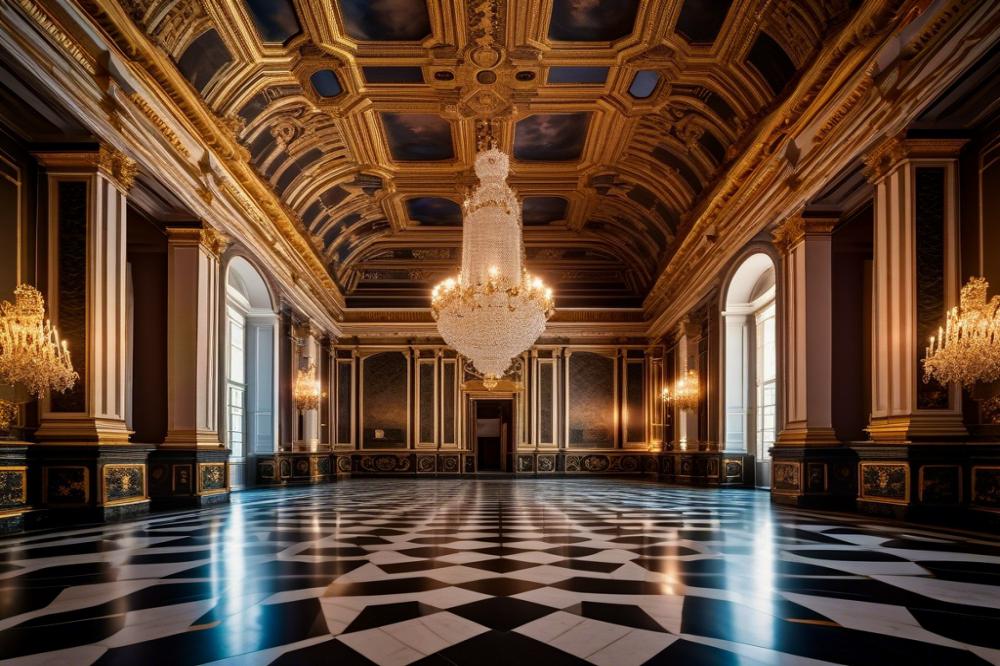
Opulence of Palazzo Barberini: Rome’s Home of Rome-a-renaissance-architectural-marvel”>Baroque Art
Overview of Palazzo Barberini
The Palazzo Barberini stands as a testament to the grandeur of the Italian Baroque period. Located in the heart of Rome, it showcases magnificent architecture and an impressive collection of artwork. The building itself exudes opulence with its ornate façade and spacious interiors. Visitors cannot help but be captivated by the palace’s historical significance and artistic treasures.
Importance of Baroque Art in Rome
Baroque art holds a special place in Rome’s cultural heritage. This influential style emerged in the 17th century, characterized by dramatic expression and elaborate detail. Artists sought to evoke emotions and awe through their work. In Rome, Baroque art flourished alongside the architectural marvels of the time. It remains vital to understanding the evolution of art history in Italy. This style illustrates not only skill but also the spirit of an era that sought to impress and inspire.
Notable Artists Associated with the Palace
Many renowned artists contributed to the collection at Palazzo Barberini. Bernini is perhaps the most celebrated, known for his mastery in sculpture and his dynamic designs. Caravaggio’s captivating paintings also grace its walls, bringing life to this remarkable museum. Their innovative techniques influence generations of artists and continue to be studied today. Each piece embodies the essence of Baroque art, making the palace a vital location for art enthusiasts and historians alike.
Palazzo Barberini: A Historical Overview
Construction and Architectural Significance
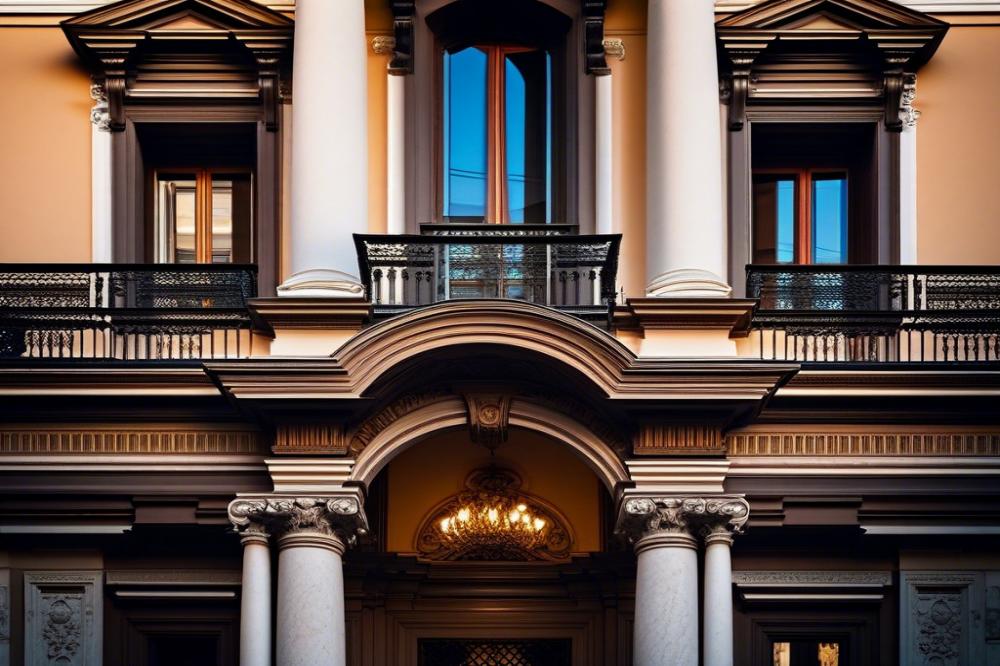
Palazzo Barberini stands as a remarkable example of Italian Baroque architecture. Construction began in 1625 under the patronage of the Barberini family. Its grand design reflects the wealth and power of this influential family. The building’s impressive façade features a blend of curves and striking proportions, typical of Baroque style. Visitors can see how the structure embodies both grandeur and elegance, showcasing the era’s artistic ideals. The interplay of light and shadow across its surfaces adds to the beauty, creating a stunning visual experience.
Key Architects Involved: Carlo Maderno and Gian Lorenzo Bernini
Two prominent figures contributed to the design of the palace. Carlo Maderno, known for his work on St. Peter’s Basilica, initially oversaw the project. His vision laid the foundation for what would become a significant architectural site. Later, Gian Lorenzo Bernini, a master of Baroque sculpture, also played a key role in its design. His influence can be seen in the lavish details and theatrical elements. Both architects infused the palace with artistic innovation, marking a significant point in Rome’s architectural history.
Transformation from Palace to art museum
Initially, Palazzo Barberini served as a private residence for the Barberini family. Over time, the palace transitioned to an art museum, showcasing an impressive collection of masterpieces. Visitors now find works by Caravaggio and other renowned artists housed within its walls. The conversion reflects a shift in cultural priorities, emphasizing the importance of art in Italian heritage. Today, people from all over the globe visit to explore its remarkable art history. Each room reveals stunning frescoes and grand ceilings, inviting guests to step back into a vibrant past.
Artistic Treasures of Palazzo Barberini
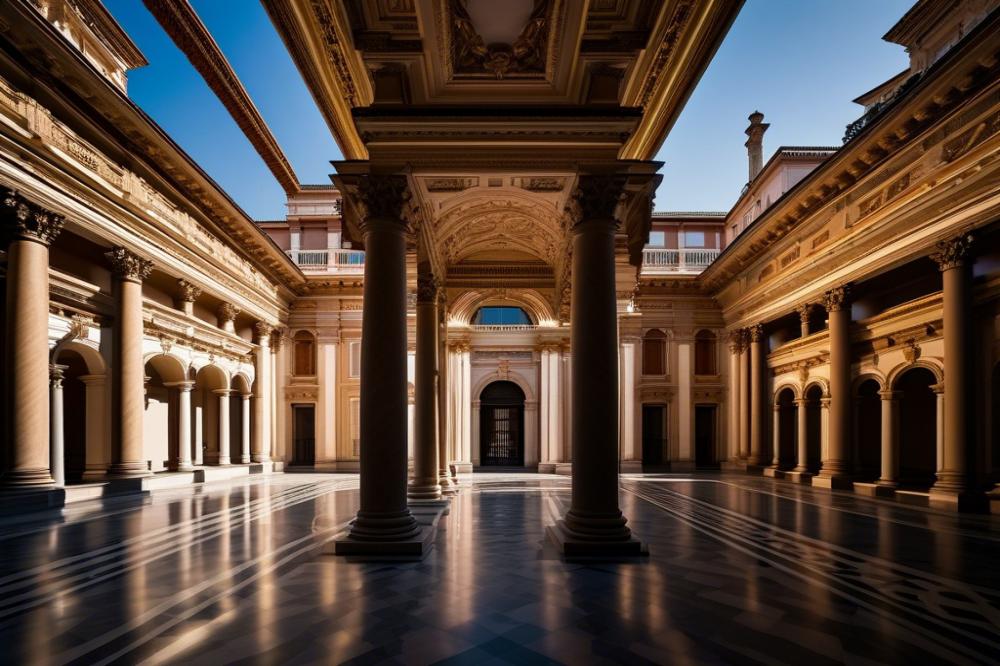
This art museum is filled with extraordinary pieces that epitomize the essence of Italian Baroque. One cannot talk about the collections without mentioning the famous painting, “Judith Beheading Holofernes,” by Caravaggio. This masterpiece dramatizes the moment of triumph. The stark contrasts of light and shadow create an intense atmosphere, drawing viewers into the narrative.
Caravaggio’s influence is ever-present in the works displayed. His use of chiaroscuro set a new standard for emotion and realism in painting. Other artists of his time followed his lead. They aimed to evoke similar feelings in their own creations. Each brushstroke tells a story rooted in raw human emotion, a hallmark of his style.
Bernini’s contributions to the Palazzo are equally remarkable. As an architect and sculptor, he brought innovation to his creations. His stunning sculptures, such as “Apollo and Daphne,” capture movement and emotion frozen in time. They stand as a testament to his genius in blending sculpture with theatricality. Such elements elevate the viewer’s experience beyond mere observation.
The frescoes adorning the ceilings are also significant. These large-scale artworks embody the grandeur of Italian Baroque. Artists like Pietro da Cortona filled the spaces with swirling figures and heavenly scenes. This elaborate decoration serves a dual purpose: beautifying the architecture and conveying deep spiritual themes. Visitors often find themselves mesmerized by the intricate details and vibrant colors.
Within the walls, the interplay of light and architecture creates a captivating dialogue. Each room reveals more about the rich cultural heritage of Rome. The art pieces narrate tales from various periods, showcasing the evolution of style from the Italian Renaissance to later movements. This blend of history and artistry enriches the visitor’s experience.
Architectural Marvels of Palazzo Barberini
The Palazzo Barberini stands as a stunning example of Italian Baroque architecture. Its design radiates an impressive grandeur that captures the essence of the period. Visitors are often struck by its symmetry and elaborate detailing. Key features include the splendid façade adorned with intricate pilasters and magnificent sculptures.
Baroque elements weave through the architecture, emphasizing movement and drama. Curvilinear forms and expansive spaces draw the eye upwards. Notably, Bernini, a master of this style, contributed to the palace’s design. His influence is evident in the dynamic shapes that flow throughout the structure.
The impact of the Italian Renaissance on this masterpiece is undeniable. While Baroque style is dramatic, it pays homage to Renaissance ideals. Classical proportions and harmony remain central to the palace’s overall appearance. Artists like Caravaggio left their mark on the interiors, enhancing the historical significance. Visitors appreciate the beautiful frescoes that cover the ceilings, inviting guests to explore the lavishness of art history.
Beyond visual appeal, this palace represents a vital piece of cultural heritage. Each room tells a story, revealing layers of artistic innovation. The combination of Renaissance and Baroque elements creates a dialogue between two influential periods. As one moves through the spaces, an appreciation for Italy’s artistic evolution blossoms.
Cultural Heritage and Preservation
The Palazzo Barberini plays an essential role in safeguarding Italian art history. It houses masterpieces from the Italian Baroque period, showcasing the talents of renowned artists like Caravaggio and Bernini. These works are not just paintings; they represent significant cultural milestones that reflect the spirit of their times.
This art museum serves as a crucial cultural heritage site in Rome. Visitors experience the beauty of not only the artwork but also the stunning architecture that surrounds them. The building itself is a work of art, designed to complement the incredible frescoes adorning its ceilings and walls. Each brushstroke tells a story, capturing moments from the Italian Renaissance.
Efforts to maintain and preserve the site are ongoing. Restoration projects ensure that the artworks remain in fantastic condition for future generations. Fundraising activities and public events enhance community involvement, making art more accessible. Engaging the public helps raise awareness of the importance of cultural preservation.
Education plays a part in these initiatives. Guided tours advocate for understanding the historical context of each piece. Schools can arrange visits, allowing students to explore Italy’s rich artistic heritage firsthand. By fostering a love for art, the Palazzo Barberini contributes to a deeper appreciation of cultural history.
Moreover, collaborations with local and international organizations enhance preservation efforts. These partnerships bring expertise and resources necessary for meticulous conservation. Many art lovers worldwide recognize the need to protect such an important cultural site.
Visiting Palazzo Barberini
Practical information for visitors
The Palazzo Barberini sits in the heart of Rome, making it easily accessible. Visitors can reach it by public transport, with various bus routes and metro lines nearby. The art museum is open daily, but it’s important to check for holiday hours. Ticket prices vary, with discounts available for students and seniors. Guided tours offer an enriching experience and can be booked in advance online or at the venue. For ease, it’s advisable to arrive early to avoid long lines, especially during peak tourist seasons.
What to expect during a visit
Entering the museum, guests are greeted by the grandeur of Italian Baroque architecture and stunning frescoes. Masterpieces by Bernini, Caravaggio, and other renowned artists adorn the walls. A guided tour can illuminate the rich history behind each artwork. Expect to learn about the cultural heritage of the Italian Renaissance as you stroll through expertly curated exhibitions. Many visitors find the storytelling aspect of guided tours adds depth to their understanding of art history. Space within the museum allows for quiet reflection, making it a perfect setting to absorb the beauty around you.
Significance of the location
Palazzo Barberini’s location is strategic, sitting near other historical sites in Rome. The Trevi Fountain and the Spanish Steps are just a short walk away. This proximity makes it convenient for those on a cultural pilgrimage through the city. The area is known for its blend of modern vibrancy and ancient charm, allowing visitors to immerse themselves in the essence of Roman history. Being close to other museums enhances the experience, as visitors can explore various periods of art and architecture within a short distance. Overall, you can enjoy a full day of artistic discovery when visiting this remarkable venue.
Final Thoughts on the Opulence of Palazzo Barberini
The grandeur of Palazzo Barberini stands out in the landscape of Baroque art and architecture. This art museum serves as a testament to Italy’s rich artistic history. Its splendid rooms are filled with masterpieces that showcase the talent and vision of the Baroque masters. Visitors can marvel at works by Caravaggio, Raphael, and countless others, each piece telling its own story.
Rome is a city steeped in culture. The palace contributes immensely to this cultural wealth. Beyond its stunning visuals, Palazzo Barberini also invites discussions about the evolution of art in Western history. It offers a unique glimpse into the lives and times of the artists who shaped an era.
Exploring this magnificent house is more than just appreciating art. It’s about experiencing the creativity that thrives in such a setting. Each corner of the palace holds something special, beckoning art enthusiasts and casual visitors alike. Don’t miss the opportunity to dive into this rich world of Baroque artistry. Take the time to visit and discover the treasures that await inside.

