
Introduction
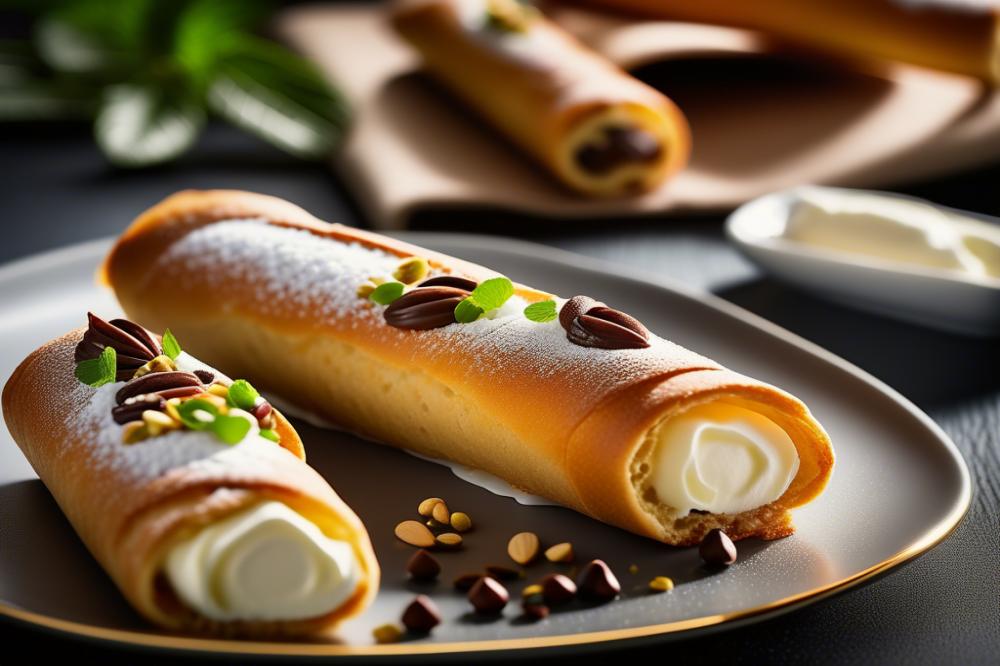
The classic pastry known for its delightful crunch and creamy sweetness occupies a prominent place in Italian cuisine. This dessert, made of a crispy shell filled with a luscious sweet filling, is especially treasured in Sicily. Its origins can be traced back to rich traditions and celebrations throughout the region’s history.
In many Sicilian households, the making of this delicacy is not just about the flavors; it reflects a deep cultural significance. Families often prepare it during festive occasions, honoring generations of recipes passed down through the years. Each bite tells a story, connecting individuals to their culinary heritage.
Beyond the shores of Sicily, this beloved treat has gained popularity worldwide. pastry lovers everywhere have embraced its creamy ricotta filling and the satisfying crunch of the shell. Cannoli have transcended regional boundaries, becoming a symbol of Italian dessert culture recognized far and wide.
History of Cannoli
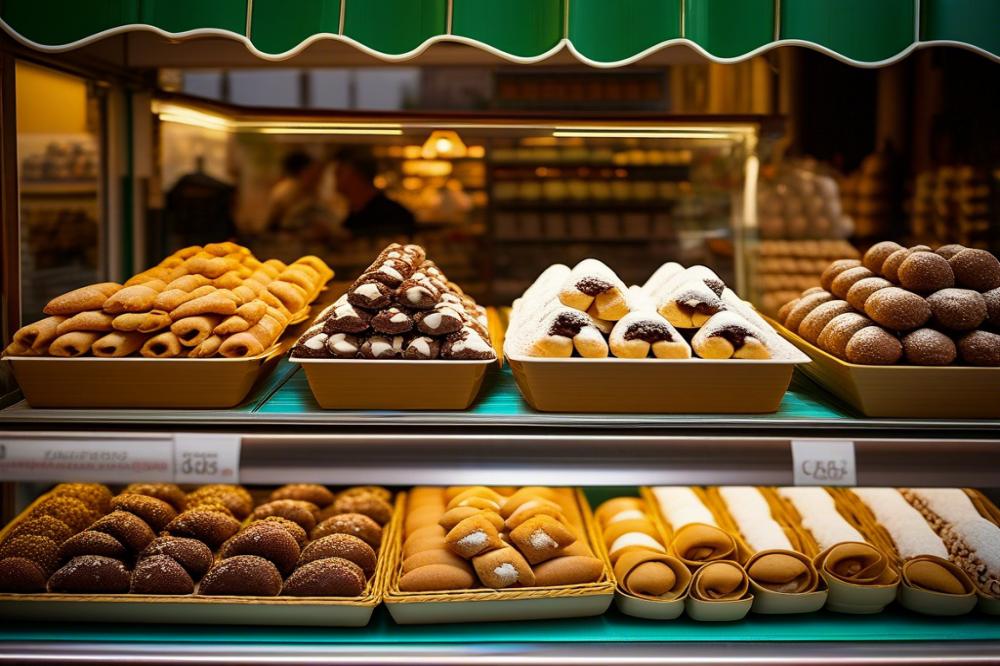
Tracing the roots of this famous dessert brings us deep into Sicilian history. Its origins can be linked back to the Arab rule on the island during the 9th century. For centuries, Sicily was a melting pot of cultures, and the Arabs introduced many ingredients that shaped local cuisine. Among these, the use of ricotta caught on quickly, becoming a key component of what would evolve into the beloved pastry.
The initial versions of this shell and sweet filling were quite different from what we know today. Over time, local cooks began adapting recipes, infusing new flavors and textures. This evolution showcased Sicily’s ability to absorb influences while maintaining its unique culinary identity. Layering flavors from the region, the dessert became more refined. It transitioned from a simple treat to a symbol of Sicilian tradition.
In addition to ricotta, other ingredients found their way into the mix. Citrus peel, vanilla, and Chocolate became popular additions. Each variation told a story of local resources and cultural influences. Today, these creations reflect both the island’s agricultural bounty and a rich tapestry of experiences that shaped its cuisines.
The pastry gained immense popularity at special occasions like weddings and festivals. Families would compete to make their recipes the most delicious. This friendly rivalry helped solidify its place in Italian cuisine. As new generations took up the craft, the art of making this dessert thrived, showcasing an important piece of the region’s culinary heritage.
The Anatomy of Cannoli
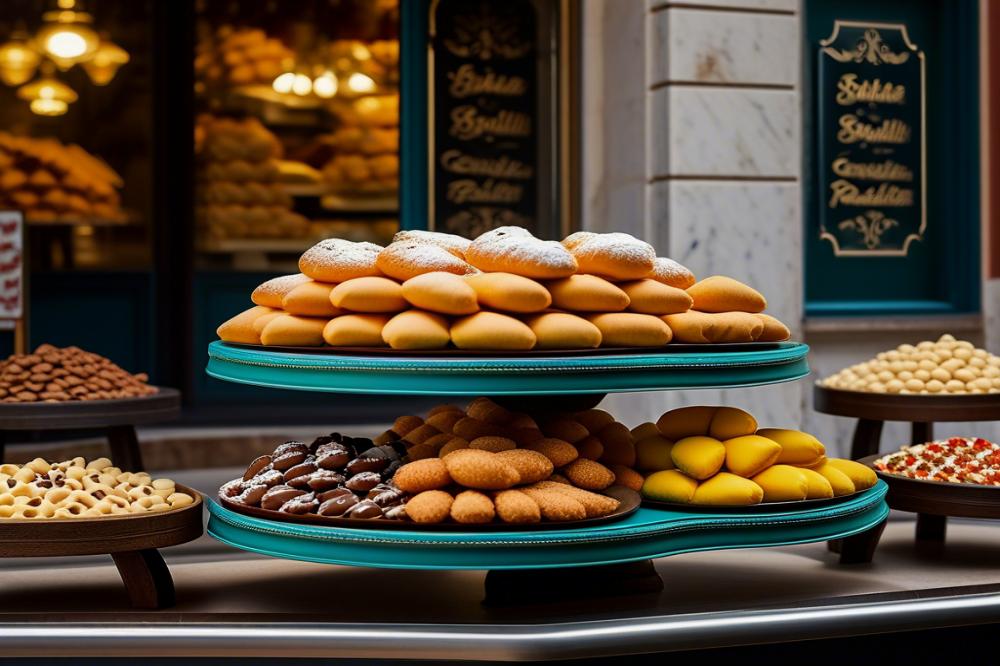
The outer part of this beloved pastry is its shell. Traditionally, the shell is made from flour, sugar, and a bit of wine or vinegar. These ingredients come together to create a crispy texture that is the perfect vessel for the filling. To prepare, the dough is rolled thin, then wrapped around metal tubes and fried until golden brown. The frying gives it that familiar crunch. Cooling the shells protects their crispness until they’re filled.
Inside, the sweet filling is often made from fresh ricotta cheese. This ingredient brings a creamy texture and a mild flavor to the dessert. Sometimes, sugar and vanilla are mixed in to enhance the natural taste of the ricotta. Many people enjoy adding candied fruit or Chocolate chips to the filling. This adds a bit of texture and a burst of flavor with each bite.
Across different regions of Italy, variations of the filling emerge. In some areas, pistachios or hazelnuts might be used to create a nutty twist. Others opt for flavored ricotta, infusing it with lemon or orange zest. Each region puts its own spin on the dish, reflecting local ingredients and culinary heritage. These adaptations show how the dessert has evolved while paying homage to its Sicilian origins.
Cultural Significance of Cannoli
Cannoli in Sicilian Celebrations and Holidays
Throughout the island, this pastry plays a vital role in festive occasions. During Carnival, families and friends gather to enjoy these treats. Festivals often feature stalls filled with these desserts, attracting locals and tourists alike. Religious holidays also embrace this delicacy, highlighting its connection to Sicilian tradition. Weddings and holidays like Christmas are not complete without these creamy delights on the dessert table.
Role of Cannoli in Italian Culinary Heritage
Moving beyond just a sweet treat, cannoli epitomizes Italian cuisine’s rich past. This delightful dessert showcases the creativity of Sicilian bakers who have passed down recipes for generations. The careful preparation of the crisp shell, filled with ricotta and sugar, speaks to a deep respect for culinary methods. Each bite tells a story of history and skill. Many families still cherish the art of making this dish, deepening its ties to cultural identity.
Modern Popularity and Global Adaptations
Recently, cannoli has gained recognition far beyond Italy. Many cafes and restaurants around the world now offer their version of this amazing dessert. Some places even experiment with flavors, filling the shells with chocolate or fruity alternatives. Despite these changes, the essence of the original recipe remains cherished. Such adaptations show how this sweet filling can transcend borders, appealing to diverse tastes while preserving its delicious roots.
How to Enjoy Cannoli
To experience this traditional pastry at its best, consider serving them chilled. The crispy shell pairs wonderfully with the rich, sweet filling made primarily from ricotta. Enjoying them fresh from the bakery truly embraces the origins of this beloved dessert.
Serving Suggestions for the Perfect Experience
Enhance the enjoyment of this treat by sprinkling powdered sugar on top before serving. This adds a touch of elegance and sweetness. Some people prefer to garnish with chocolate chips or candied fruit for extra flavor and texture. A drizzle of melted chocolate can elevate the dessert even more.
Pairing Cannoli with Beverages or Other Desserts
Pairing these pastries with beverages can create a delightful experience. Consider serving them alongside a strong espresso. The bitterness of coffee complements the sweetness remarkably well. For something lighter, a glass of sweet dessert wine from Sicily will also enhance the flavors. Those who enjoy exploring flavors might try pairing cannoli with a scoop of gelato on the side.
Tips for Making Homemade Cannoli
Making your own version requires some planning but is rewarding. Start by preparing the shell dough, ensuring it is rolled thin to achieve the perfect crispiness. Frying the shells just right becomes essential; too much time in the oil can lead to greasy results. Meanwhile, create the filling by mixing ricotta with powdered sugar and your favorite flavors, like vanilla or citrus zest. It’s crucial to let the shells cool before filling them, as warm shells can cause the filling to become runny.
Ultimately, understanding these details encourages a deeper appreciation of this dessert. Embracing the Sicilian tradition of cannoli not only honors Italian cuisine but also connects you to its rich culinary heritage. Enjoy each bite, and savor the unique experience it brings to your palate.
Final Thoughts on Sicily’s Iconic Pastry
The cannoli holds a special place in Italian confectionery. Its rich flavors and delightful textures make it a beloved dessert. Originating from Sicily, this pastry represents the cultural heritage of the region. Over the years, it has evolved into a symbol of Italian cuisine worldwide. Each bite tells a story, blending history with tradition.
Reflecting on its enduring legacy, one can see how this treat has crossed borders. Today, variations of the classic recipe appear in bakeries far beyond Italy. As culinary enthusiasts experiment with different fillings and techniques, the cannoli continues to inspire creativity. This adaptability may be the secret to its success. Each version offers a taste of the culture from which it stems.
Exploring this iconic dessert allows people to appreciate its origins. Savoring a cannoli is not merely about enjoying a sweet treat; it also involves connecting with history. When you bite into one, think of the artisans who first crafted it. Their influence reaches modern kitchens, inspiring the chefs of today.
In conclusion, the cannoli is so much more than a pastry. It is a celebration of the Italian spirit and a testament to the beauty of cultural exchange. Dive into this delightful dessert whenever you can. Experience its flavors and embrace its journey from a small island to the tables of the world. Your taste buds will thank you.

