
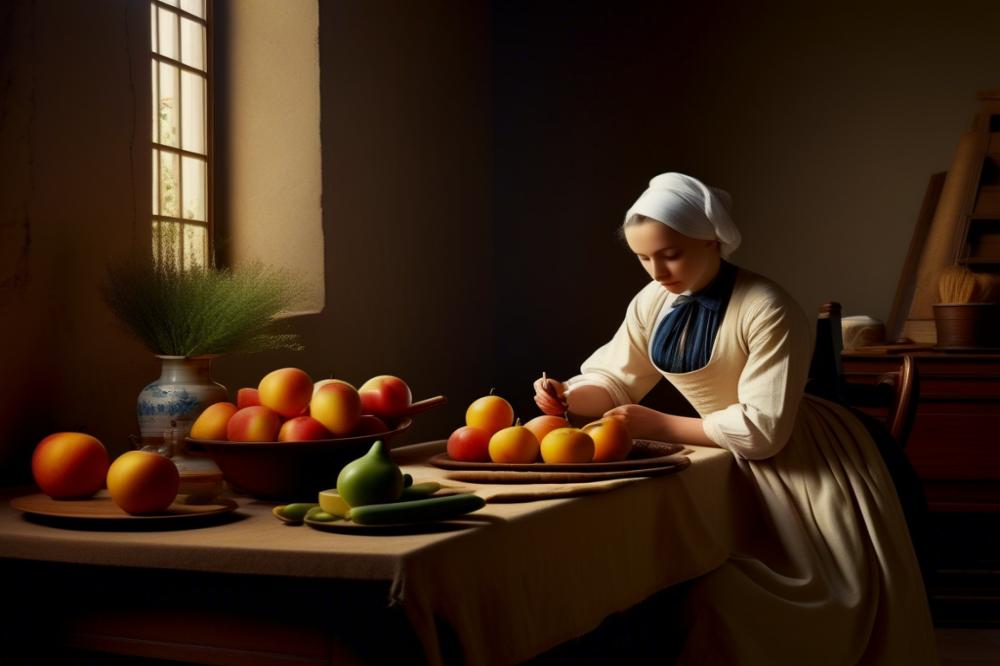
The pastoral beauty in the Paintings of Jean-Baptiste-Siméon Chardin
Jean-Baptiste-Siméon Chardin stands as a pivotal figure in 18th century French painting. His artistry is marked by a profound exploration of still life and domestic scenes. Through his work, viewers glimpse a world where realism reigns, where everyday moments are elevated into something truly remarkable. Each painting captures a quiet grace, inviting us to appreciate the beauty found in simplicity.
Light and color play vital roles in his creations. Chardin’s use of natural light lends warmth and depth to his subjects. The colors he chose evoke a sense of harmony, drawing the eye and soothing the mind. They create a peaceful atmosphere that mirrors the tranquility found in nature. This connection to the natural world is crucial in understanding the essence of his art.
Moreover, themes of simplicity resonate deeply within his work. Objects commonly found in households become subjects of great significance. A simple bowl of fruit or an assortment of utensils transforms into a narrative filled with life. In these scenes, the mundane takes on a beauty that is both profound and comforting. Chardin illustrates the pastoral beauty that can be discovered in ordinary life.
His paintings serve as a reminder that there is serenity in stillness. When we observe a Chardin work, we engage with more than just colors and forms. We connect with a way of seeing the world that finds joy in small things. The quietude of his domestic scenes speaks to our own experiences of everyday beauty. This resonance is what makes Chardin’s art timeless and enduring.
Chardin: Master of still life
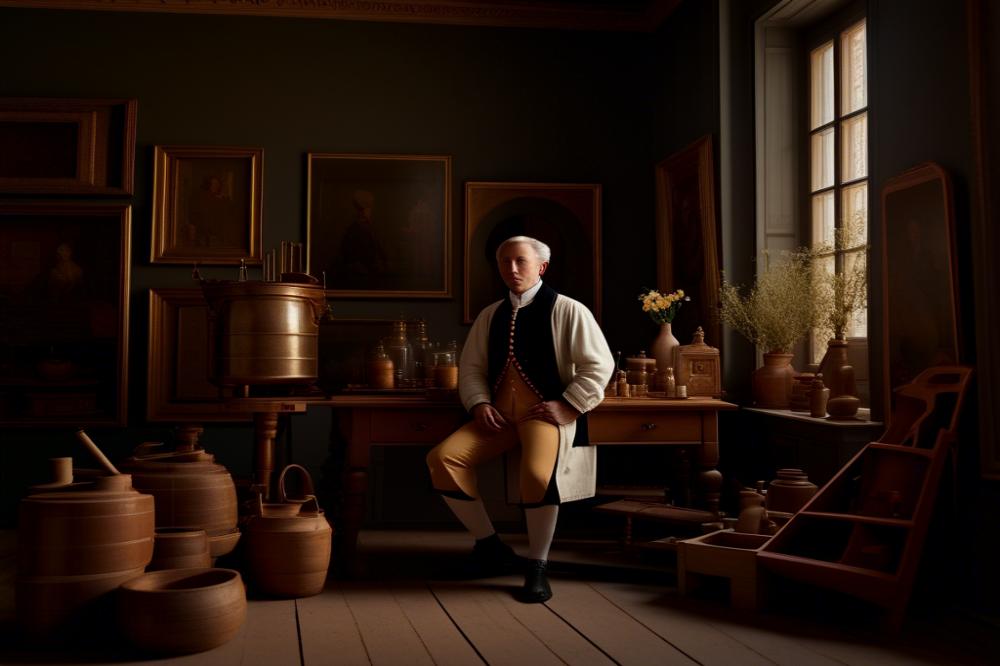
In the world of 18th century French painting, few artists shine as brightly in the genre of still life as Jean-Baptiste-Siméon Chardin. His works reveal a profound appreciation for everyday objects, turning the ordinary into something extraordinary. With a keen eye for detail, he captures the essence of domestic scenes that resonate with viewers even today.
The technique employed by Chardin is noteworthy. He expertly balanced light and shadow, giving depth to simple items like fruits, vegetables, and pottery. Every object in his compositions feels three-dimensional, inviting the audience to study their textures and shapes. His careful attention to realism allows the viewer to connect with the subject matter on a personal level, invoking feelings of tranquility and contemplation.
Color plays a vital role in his art. Subtle hues dominate his palette, creating a natural atmosphere. This choice enhances the calmness found in his works. For instance, in “La Raie,” the interplay of warm and cool tones brings the fish to life while simultaneously enriching the background. Viewers are drawn to the vibrancy of the scene yet remain grounded by its simplicity.
One specific piece that exemplifies his mastery is “Basket of Fruit.” This painting highlights his ability to transform mundane objects into a feast for the eyes. The luscious fruit appears fresh and ripe, inviting the audience to reach out and take a bite. Each piece is arranged thoughtfully, showcasing a harmonious balance that is pleasing to the eye.
“The Attributes of Music” is yet another work where he displays his technique brilliantly. Here, musical instruments and drapery coexist with everyday items. The composition achieves a sense of order while inviting exploration of each element. Attention to detail can be found in the way light reflects on polished surfaces, creating a sense of realism. Viewers can almost hear the notes floating through the air.
Incorporating elements from nature further enriches his still lifes. Chardin often blended these themes with domestic life, bridging the outside world with the interior. This connection allows spectators to experience a serene moment that resonates with their own lives. His artworks convey not just objects, but stories, and emotions, reflecting the beauty in simplicity.
Domestic Scenes: A Reflection of Everyday Life
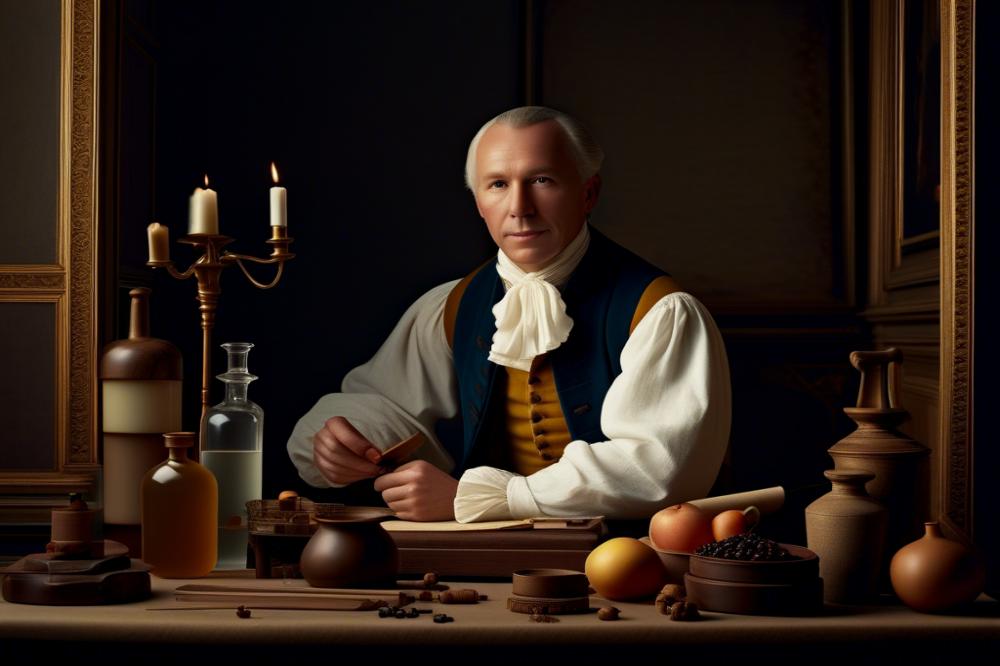
Chardin’s paintings offer a glimpse into the tranquil world of 18th century domestic life. Through various domestic scenes, he manages to capture the essence of family and the simplicity of everyday moments. His works stand out for their realism, making the viewer feel as if they are part of the scene.
Noteworthy examples such as “The House of Cards” and “The Soap Bubbles” showcase the gentle interaction among family members. Each piece embodies a warmth that resonates with viewers. The people in his paintings often engage in simple activities like playing games or washing dishes. In these moments, tranquility finds its place amidst the bustle of life.
Light and color play crucial roles in these compositions. Soft, natural light illuminates the subjects, enhancing the feelings of calm and peace. The palette Chardin chooses reflects the hues of nature, bringing an earthiness that connects viewers to their surroundings. This intentional use of color creates an inviting atmosphere within his work.
While he is well-known for still life paintings, his portrayal of human interactions is profound. Family life appears harmonious, and the bond between individuals shines through. Each character appears immersed in their task, yet there is a sense of unity that ties them together. Chardin’s art invites us to witness the beauty in these small, intimate moments.
Furthermore, the simplicity of his subjects is refreshing. Domestic life depicted in his art offers a break from the chaos of the outside world. The subjects, whether young or old, remain relatable and real. This connection allows viewers to reflect on their own experiences within their homes.
In summary, Chardin’s unique perspective transforms domestic scenes into reminders of life’s beauty. Family interactions combined with nature’s influence create a feeling of nostalgia. His paintings are not just art; they represent the quiet joys of daily living.
The Influence of Nature in Chardin’s Works
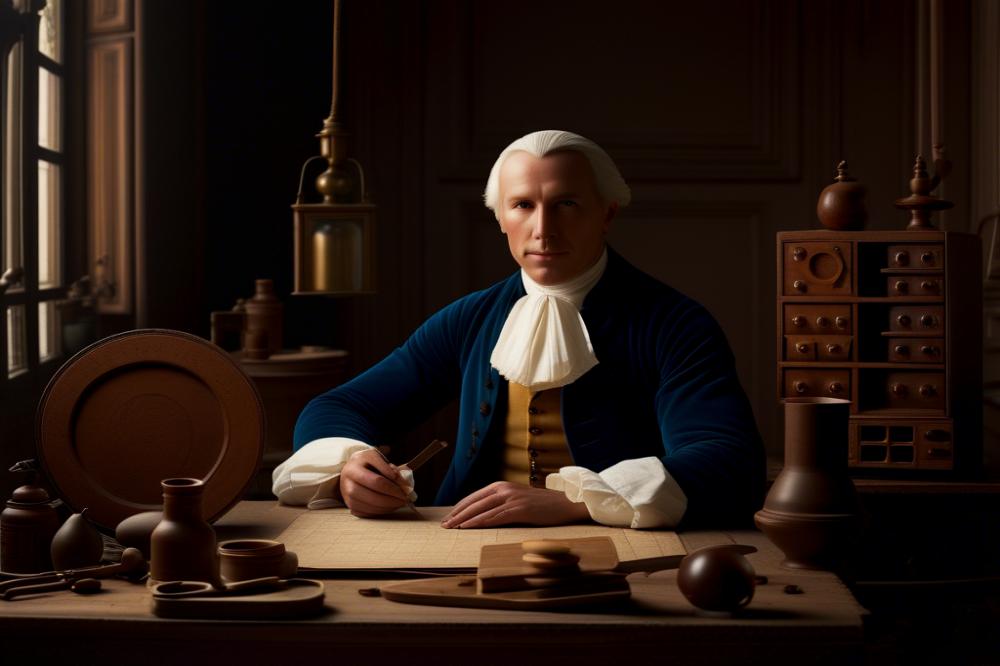
The role of nature in Chardin’s paintings is significant and profound. He often included natural elements in his still life and domestic scenes. This choice reflects his deep appreciation for the organic world. Observing nature closely allowed him to capture its inherent beauty. Viewers can see this influence in the way he portrayed fruits, vegetables, and flowers with great care.
Attention to detail is evident in every brushstroke. Colors used in his paintings also mirror the hues found in nature, creating a sense of realism. Each piece exudes a soft, inviting light that brings the subjects to life. The richness of his palette contributes to the overall tranquility found in his art. Patterns in his compositions echo the balance seen in a garden or a quiet moment in the wild.
Chardin’s work stands out in French painting during the 18th century. He embraced simplicity while still showcasing complexity. Domestic scenes often reflect a natural setting, bringing together the indoors and outdoors beautifully. This blending creates a serene atmosphere that resonates with viewers. Every object is thoughtfully placed, making the viewer feel at home in these moments.
Fruits and flowers, common elements in his still life, are carefully arranged. They are not just decorations; they symbolize life itself. Nature’s influence is palpable, showing a deep connection to the rhythms of the earth. Each painting invites viewers to pause and appreciate the world around them. In this way, Chardin teaches us the value of slowing down and finding beauty in everyday life.
By exploring the subtleties of light and color, the artist captures fleeting moments. These moments remind us of the simplicity and joy found in natural beauty. Observing his work fosters a sense of calm, making it easy to lose oneself in the peaceful imagery. The pastoral charm of his paintings endures, inviting admiration and reflection on the beauty of nature and life itself.
Chardin’s Legacy in French Painting
Jean-Baptiste-Siméon Chardin made a significant mark on the evolution of French painting during the 18th century. His emphasis on realism and simplicity created a refreshing counterbalance to the extravagant styles popular among his contemporaries. While other artists chased lavish themes and ostentatious displays, Chardin focused on the everyday. He found beauty in domestic scenes and still life, which spoke volumes about the human experience.
Light and color played crucial roles in his work. A careful study of natural light brought out depth and warmth in even the simplest objects. This technique inspired many who followed in his footsteps. Artists began to appreciate the subtleties of nature and the joy of quiet moments. They realized that tranquility could resonate as powerfully as drama.
His paintings often depicted humble moments, yet they carried profound meanings. The simplicity in his approach offered a new lens through which to view life. Everyday items became subjects of contemplation, and viewers found solace in this perspective. By presenting domestic scenes, Chardin encouraged audiences to pause and appreciate what was often overlooked.
Such themes continue to echo in modern art. Many contemporary artists have drawn from his style, embracing the beauty in mundane life. This connection to tranquility remains vital. It resonates with those seeking peace amid chaos. Chardin’s contributions laid a foundation for realism that still influences artists today, reminding them of the importance of observing the world with fresh eyes.
Reflections on Chardin’s Enduring Impact
Jean-Baptiste-Siméon Chardin holds a significant place in the art world. His talent for capturing still life and domestic scenes reveals much about daily life in 18th century France. Viewers are drawn to the tranquility and simplicity present in his work. Every piece demonstrates a deep appreciation for ordinary moments and nature’s beauty.
Art from this period often showcased grand themes, but his approach was different. He chose to highlight the understated, inviting us to pause and reflect. Each painting presents a moment where time seems to stand still. Shapes, colors, and light come together seamlessly in his compositions. They tell a story that feels both familiar and timeless.
Amidst the busy backdrop of his era, Chardin’s art remains remarkably relevant. His focus on domestic life speaks to universal human experiences. People can connect with his scenes because they depict relatable activities. Whether it’s children playing or food resting on a table, these moments resonate deeply.
Legacy matters in art, and Chardin’s influence endures. He paved the way for later artists to explore still life and everyday subjects. His work invites future generations to appreciate beauty in simplicity. In a world often fixated on the spectacular, his art reminds us of the charm of the ordinary.
In summary, Chardin’s mastery transformed French painting by bringing the quiet beauty of pastoral life into the spotlight. His contributions encourage us to find serenity in the commonplace. The themes of tranquility and simplicity showcase a profound understanding of life’s beauty, inviting us to engage with the world around us.

