
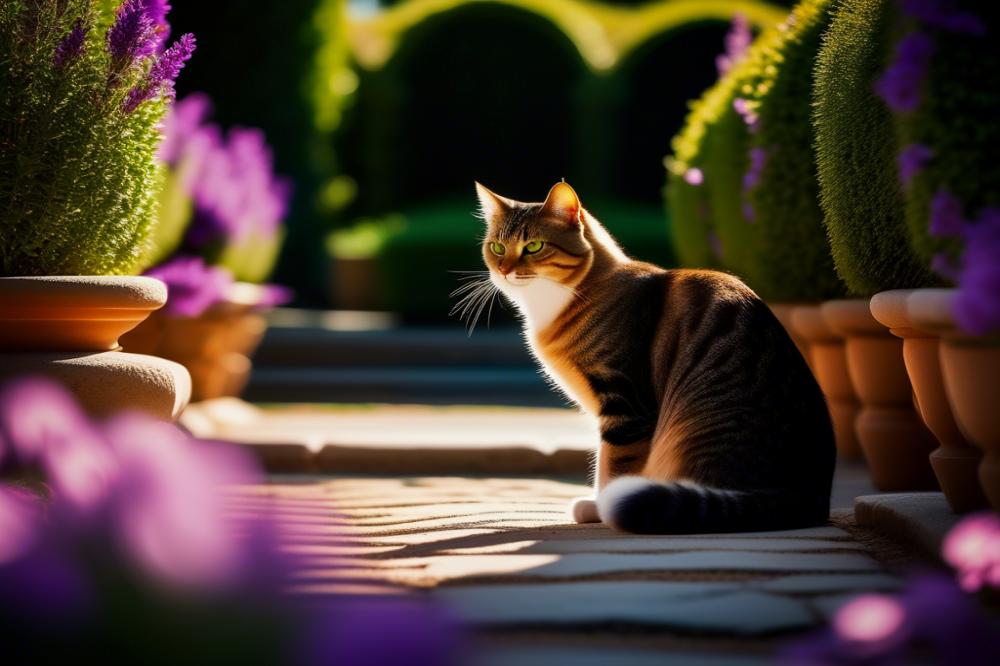
The Relationship Between cats and Italian monasteries
cats have held a special place in Italian culture for centuries. Their presence in monasteries offers a fascinating glimpse into monastic life. These feline companions are more than just pets; they represent deeper meanings intertwined with the daily routines of monks. In the serene environment of Italian monasteries, these creatures have an enduring relationship with those who seek spiritual refuge.
The historical context reveals much about why cats were cherished in these sacred spaces. Monks often faced challenges with pests, especially rodents that threatened food supplies. Having a feline around was practical, but it also carried spiritual symbolism. Monastic traditions recognized animals as part of God’s creation. Caring for these creatures became a way to express compassion and uphold animal welfare.
Throughout medieval times, monks documented their interactions with cats in various writings. Historical anecdotes from this era showcase cats lounging in monastery gardens, watching over peaceful landscapes. These scenes portray the harmony between nature and spirituality, enriching the monastic atmosphere. Such deep-rooted cultural significance impacts how these animals are viewed today.
Monasteries served as sanctuaries not just for monks, but also for animals. Implicit in their care for cats was a commitment to kindness. By providing nourishment and shelter, monks fulfilled their duty to protect all creatures. This aspect of monastic life reflects a broader understanding of community, both human and animal alike.
In summary, the bond between monks and cats reveals much about Italian monasteries. This relationship is rooted in practical needs but also reflects deeper spiritual values. The cats symbolize tranquility and companionship, embodying the commitment monks have to living thoughtfully and compassionately. Their presence echoes the harmony sought within these ancient walls.
Historical Background

Monasteries in Italy during the medieval period were more than just places of worship. They were also vital centers for learning and agriculture. Within these peaceful sanctuaries, animals played crucial roles. Among them were the feline companions that arrived in Italy, most likely via trade routes from the East.
These small creatures quickly integrated into monastic life. Monks welcomed them for numerous reasons. One primary benefit was their ability to control rodent populations, which threatened food supplies and stored grains. Without their presence, monasteries risked being overrun by pests, causing significant problems for the monks and their communities.
Historical anecdotes reveal that monks took great care of these animals. They formulated clear practices focused on animal welfare. Food and shelter were provided in abundance. Monks often regarded their companions as gifts from God, reflecting spiritual symbolism that resonated deeply within their daily routines.
Throughout Italy, the cultural significance of these animals cannot be understated. In monastery gardens, they roamed freely, chasing insects and playing in the sunlight. This interaction allowed the monks to appreciate nature while fulfilling practical needs. Additionally, medieval traditions often depicted these companions in artwork, symbolizing domestic harmony and peace.
Furthermore, these small creatures did much more than keep the monasteries rodent-free. They provided companionship to lonely monks, becoming integral members of the community. This relationship fostered a unique bond between man and beast. Many monks shared stories of their antics, highlighting their playful spirits.
Thus, the role of these animals within Italian monasteries was multifaceted. They were essential to the daily operations of monastic life while also serving as symbols of tranquility. This fascinating interplay of duty and companionship illustrates how deeply ingrained these relationships were in the medieval era. Their presence has left a lasting legacy that continues to intrigue historians and animal lovers alike.
Feline Companions in Monastic Life

Monks have formed a deep bond with their feline companions throughout history. Daily interactions between these holy men and their four-legged friends created a unique atmosphere within the monastery walls. While monks dedicated their lives to prayer and reflection, they often found tranquility in the presence of these animals.
Historical anecdotes reveal the warmth shared between monks and their furry friends. Monasteries, such as the Abbey of San Nilo in Grottaferrata, have stories of cats curling up beside brothers during scripture reading. These bonds not only provided comfort but also offered companionship in a life dedicated to spiritual pursuits.
In many cultures, these animals symbolize divine qualities. Monastic life often includes moments of deep contemplation, and having a pet in the sanctuary enhances this experience. Watching a cat roam freely in the monastery gardens can remind one of the serenity of nature, serving as a reflection of God’s creation.
Animal welfare was important to the monastic way of life. Caring for a cat meant not only feeding it but also offering affection and shelter. Monks saw their furry companions as part of their community, providing mutual support in a rather solitary lifestyle. The act of caring for an animal nurtured a sense of responsibility and kindness among the brethren.
Additionally, numerous monasteries developed medieval traditions that included cats. Sanctuaries built for these animals often featured cozy nooks and lots of sunlight. As guardians of the monastery’s storehouses and gardens, they kept unwanted pests at bay, creating a balanced environment for both plants and people.
Certain monasteries, like the famous Sant’Antimo Abbey in Tuscany, are particularly well-known for their cat residents. Visitors marvel at the serene interactions as they witness monks tending to the needs of their feline friends. Such places allow one to see the cultural significance of animals in a setting focused on spiritual growth.
Therefore, it isn’t just companionship; it’s a richer, deeper experience. The relationship between monks and their furry companions represents an intertwining of human and animal life. Embracing this connection enriches the monastic atmosphere, making it a haven of peace and compassion.
Cultural Significance of Cats

Throughout history, the spiritual symbolism of these animals in monastic traditions has been profound. Monasteries often provided a sanctuary not just for monks, but also for various creatures. Feline companions became an integral part of monastic life, revered for their grace and mystery. As they roamed the cloistered paths, these animals seemed to embody a sense of tranquility and calm.
Art gives us glimpses into the role of these creatures in Italian culture. In numerous paintings, their presence symbolizes mystery and independence. The occasional showing of cats alongside religious figures hints at their sacred status in some contexts. Literature, too, boasts references to them, often as symbols of wisdom and protection. Medieval traditions shaped perceptions, blending practicality with spirituality.
Historical anecdotes further illustrate their significance. Monks shared tales of the intuitive nature of these animals, suggesting they were guardians of the sacred space. This belief transformed their presence into a form of protection against unwanted spirits. In monastery gardens, their role became even more meaningful, aiding in the control of pests. This practical aspect fed into a larger understanding of their place in monastic life.
As guardians, they offered a soothing aura. The calming presence contributed to the peaceful environment essential for contemplation and prayer. Animal welfare was also a significant concern; caring for these companions reflected the compassion embodied in monastic values. Each relationship between monks and their pets added depth to the cultural significance of these serene beings.
Ultimately, the lasting influence of these creatures highlights an important aspect of Italian heritage. Their integration into monastic life reveals a harmonious blend of spirituality and daily existence. Reflection on this bond invites us to reconsider our own connection with nature. This exploration reveals layers of meaning that enrich our understanding of life in a monastery.
Monastery Gardens as Sanctuaries

Monastery gardens served as more than just places to grow food. These lush spaces acted as havens for several creatures, including our beloved feline companions. Throughout history, monks cultivated these gardens not only to provide sustenance but also to create environments rich in diversity. The colorful flowers and fragrant herbs attracted many species, creating an ecosystem supporting life.
Plants in these gardens offered essential food sources. Many herbs, vegetables, and fruits thrived in the carefully tended soil. This biodiversity attracted various animals, making the gardens lively and dynamic. Monastic life often included a respect for all living things. As monks engaged in animal welfare practices, they provided care for the creatures who shared their spaces.
Historical anecdotes reveal a deep connection between these gardens and the cats that roamed them. Monks would often tell stories of how these animals kept the gardens free from pests. Their presence was not just practical; it symbolized companionship. Spiritual symbolism flourished as monks reflected on their lives with the help of these gentle creatures. Connection to nature through the animals resonated with their beliefs.
Medieval traditions embraced the idea of gardens as sanctuary. A place of calm, these spaces encouraged spiritual reflection away from the daily grind of life. Visitors would often find peace among the flowers and herbs while cats basked in the sun nearby. The interwoven relationship between the monks and their feline friends created a sense of harmony and tranquility.
Even today, monastery gardens hold cultural significance. They remind us of simpler times when nature played a vital role in daily existence. Through careful planning and sustainable practices, the gardens continue to serve as a shelter for various wildlife. The mix of plants and animals creates a vibrant environment, attracting visitors and bringing joy to all who enter.
Historical Anecdotes and Legends
Throughout history, Italian monasteries have been intertwined with the lives of their feline companions. Many stories from the past recount miraculous events. In some cases, a cat appeared at just the right moment to assist a monk in distress. One tale speaks of a monastery located in Umbria, where a cat saved a valuable manuscript from a fire. Monks attributed this to divine intervention, believing the cat acted as a guardian in those critical minutes.
Spiritual symbolism often surrounds animals in religious contexts. In Italian monastic life, cats came to represent protection and wisdom. The presence of these creatures fostered a sense of peace amidst the daily routines of prayer and study. Medieval traditions celebrated the companionship that cats provided, making them a beloved part of the community. These tales have echoed through the ages, contributing to the cultural significance of felines in monastic settings.
Many monastery gardens served as sanctuaries for various animals. Cats thrived in these environments, keeping the areas free of pests. Monks nurtured a spirit of animal welfare, treating their furry friends with kindness. They created spaces where both flora and fauna could flourish together. This relationship added depth to the tranquil atmosphere of life within the monastery walls.
Some legends highlight famous cats associated with specific monasteries. One well-known story tells of a cat named Beatrice who resided at a renowned abbey in Tuscany. Beatrice became a local hero after she led monks to a hidden stash of missing relics. The villagers regarded her with reverence, celebrating her as a symbol of loyalty and cleverness. Her feats are still spoken of today, illustrating how such anecdotes can shape perceptions for generations.
Other historical anecdotes reveal cats playing crucial roles during times of crisis. It is said that during an outbreak of illness, a cat instinctively led the monks to safety. This event spread through the region, reinforcing the belief that these creatures had a special connection to the divine. Such stories continue to foster admiration and respect for these four-legged companions.
Embracing life with a pet teaches lessons about responsibility and care. The practice of cat care in monasteries exemplified this philosophy. Monks dedicated themselves to ensuring every creature received attention, respect, and nourishment. This dedication often drew parallels to their spiritual practices, highlighting the importance of compassion.
Understanding how historical anecdotes have perpetuated these legends helps shed light on our collective appreciation for animals in sacred spaces. Through these narratives, we glimpse the intricate bond between monks and their living companions. Each story enriches the legacy of these unique institutions and their enduring tales of guardianship and spiritual connection.
Modern Perspectives on Animal Welfare
In today’s world, attitudes towards animal welfare are changing significantly. Many Italian monasteries have begun to embrace compassion for all living beings. Feline companions, once merely unofficial inhabitants, are now seen as vital members of the community. Monastic life historically valued animals for their roles in daily routines. However, this value has evolved into an ethic of care and stewardship.
Current practices in these places of worship reflect a blend of medieval traditions and modern needs. Historical anecdotes about cats roaming freely among monks have been transformed. Today, monasteries prioritize structured care for feral populations. They implement feeding programs and safe shelter options. Moreover, many monasteries have developed sanctuary gardens where these animals can thrive peacefully.
Communities sometimes misunderstand the connection between spiritual symbolism and animal welfare. Monks traditionally viewed the presence of animals as reminders of humility and simplicity. Nowadays, that symbolism extends further. By providing care, these religious institutions promote a sense of responsibility towards neglected creatures. Such actions resonate with many visitors seeking a deeper understanding of their faith.
The cultural significance of animal care reflects broader societal concerns. As discussions about ethics and responsibility grow, monasteries are responding. They foster sustainable practices that prioritize the health and well-being of all creatures. Education about proper cat care is often part of this effort. Workshops may teach about spaying and neutering, which are crucial for population control.
Observing these changes is heartening. It is encouraging to realize that these institutions have become beacons of compassion. As they embrace their role as caretakers, they also inspire others. Visitors who come for spiritual reasons often leave with a desire to help, taking these values back to their own communities. In essence, Italian monasteries are evolving in profound ways, affirming their commitment to both human and animal welfare.
Reflections on the Bond Between Felines and Italian Monasteries
The relationship between cats and Italian monasteries is both fascinating and enduring. For centuries, these religious havens have provided a refuge for all creatures. Monastic life often included animals, with the humble cat playing a particularly special role. These furry companions have not only kept the monasteries free from pests but have also offered comfort and companionship to the monks.
In contemporary culture, this bond remains significant. It symbolizes peace, calm, and a connection to the natural world. Monasteries have embraced their feline friends as part of their identity, promoting a spirit of stewardship toward all living beings. The presence of these animals delights visitors and serves as a reminder of a simpler, quieter time.
Preserving this legacy is vital for Italian culture. It reflects values such as compassion and mindfulness that resonate with many today. As cities become busier and the pace of life intensifies, the serene presence of cats in these sacred spaces invites reflection and tranquility. This connection serves not just as a historical footnote but as an ongoing dialogue between humanity and nature.
In closing, recognizing the cultural significance of this relationship enriches our understanding of both past and present. Cities may change, but the legacy of these feline companions in monasteries deserves to be cherished. Embracing this unique bond will help ensure that future generations appreciate the deep-rooted ties between animals and human spirituality. The gentle purring of a cat among the ancient stones speaks volumes about harmony, making each monastery a sanctuary for all who enter.

