

The Role of Almonds in Italy’s Sweet Culinary Heritage
Almonds play a significant role in Italian cuisine, especially when it comes to sweet dishes. These nuts bring a delightful flavor and texture that elevate many traditional recipes. In every corner of Italy, one can find a variety of desserts that showcase this ingredient. Think of marzipan and the famous biscotti. Both are beloved items that highlight the versatility of these nuts.
Italian Desserts often incorporate almond flour, lending rich depth to pastries and treating the taste buds to something extraordinary. Region by region, the use of this ingredient reveals local specialty delights. For instance, Sicilian sweets often feature almonds, blending them with honey and citrus to create unforgettable flavors. Amaretto, a sweet almond-flavored liqueur, also carries the essence of these nuts into the realm of drinks, further emphasizing their significance in Italy’s sweet culture.
Many sweet recipes depend on almonds for both taste and texture. Classic Italian Desserts cannot be imagined without them. Every bite of a well-crafted pastry or a crisp biscotti reveals the essential nature of almonds. Their presence is felt not just in taste but also in the traditions that have been passed down through generations. Each bite of an almond-infused treat brings to life stories of family gatherings and celebrations.
Ultimately, the use of almonds in Italian sweets is more than just a culinary practice; it’s a testament to historical connections and cultural richness. In this land of flavors, where the sweetness of life comes alive, almonds hold a treasured place in every heart and kitchen.
Almonds in Italian Confectionery

Role of almonds in famous Italian sweets
Italian sweets are renowned across the globe, and they often feature the delightful nut in various forms. Its influence can be seen in many traditional desserts. Famous regional specialties showcase how well almonds enhance flavor. They add a rich and distinct taste to desserts, elevating them to new heights. From classic recipes to modern twists, the presence of this versatile ingredient can’t be ignored.
Use of almonds in popular recipes
In the world of Italian pastries, few ingredients match the versatility of this nut. Biscotti often include it, lending texture and flavor to these beloved cookies. Almond flour is a common substitute in gluten-free baking, making many Italian sweets accessible to all. In some regions, amaretto, a sweet liqueur, derives its comforting aroma from almonds, enriching cakes and various desserts. Many sweet recipes take advantage of this nut’s subtle yet bold profile. It appears in marzipan as well, showcasing its adaptability in countless confections.
Overview of marzipan and its significance
Marzipan is a confection made from ground nuts, primarily almonds, and sugar. Its origins trace back centuries, and it has become a staple in Italian pastry shops. This silky paste forms the basis for decorations on cakes and other sweets, often shaped into intricate designs. In numerous Italian cities, marzipan embodies skill and artistry in pastry making. It holds a special significance during festive seasons, especially in Sicilian sweets, where it is transformed into colorful fruits and figures. This unique confection not only delights the taste buds but also captures the eye, demonstrating the creative spirit of Italian cuisine.
Regional Specialties Featuring Almonds
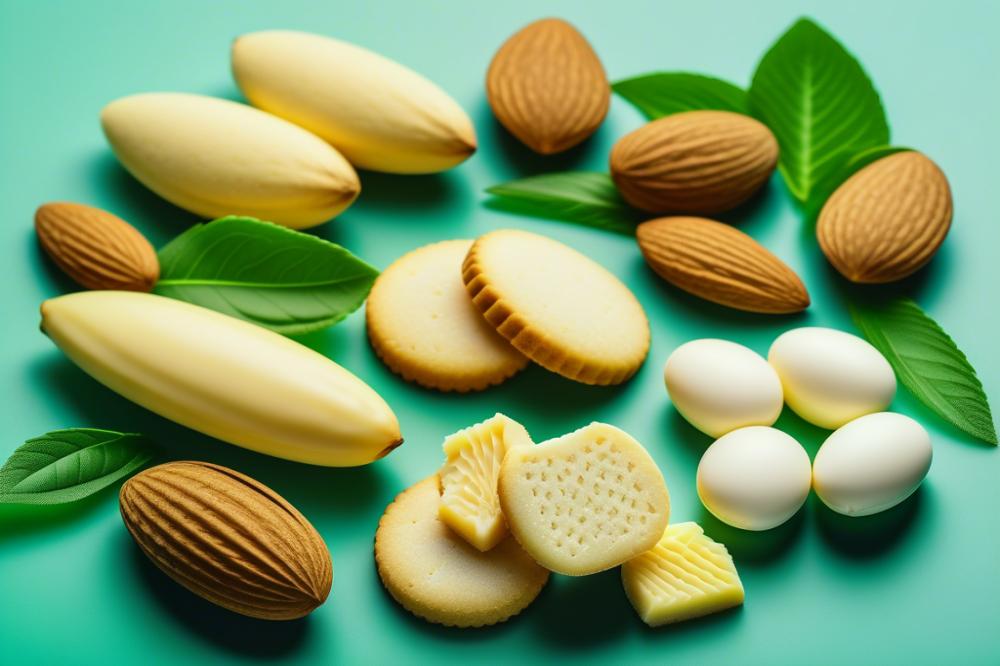
Sicilian sweets and almond-based desserts
Sicily stands out for its exceptional use of almonds in sweets. When you think of this island, marzipan comes to mind. This classic confection highlights the nut’s rich flavor, often shaped into fruits or animals. Another beloved treat is the “Frutta Martorana,” a stunning example of how artistry and taste can blend. These traditional desserts not only taste delicious but also showcase the creativity that defines Sicilian cuisine. You can find a variety of almond-infused pastries that are enjoyed both locally and internationally. Each bite offers a sweet experience that transports you straight to this vibrant region.
Biscotti variations with almonds
Biscotti are famous for their versatility, and almond variations are some of the most cherished. This twice-baked cookie originates from Italy and is well-loved around the globe. Adding almonds to the recipe creates a delightful crunch and a nutty taste that enhances each bite. Some variants incorporate Chocolate or fruits, but the classic almond biscotti remains a staple. Dipping these treats in coffee or tea elevates the experience, making for a wonderful snack any time of day. Families often share recipes passed down through generations, each with their personal twist.
Exploration of almond flour in regional recipes
Almond flour plays a significant role in many Italian dishes. It serves as a gluten-free alternative in baking, allowing more people to enjoy delicious treats. This ingredient enriches traditional sweets and can be found in various pies and cakes. It provides moisture and a unique taste that wheat flour simply cannot match. Many regional specialties utilize almond flour, creating desserts that are both satisfying and nutritious. Recipes passed down through time often integrate almond flour seamlessly, showing how tradition adapts without losing its essence. Sweet recipes featuring this flour bring a wholesome aspect to Italian desserts and remain popular with those who wish to indulge without guilt.
Traditional Italian Desserts and Almonds
Classic pastries highlight how important almonds are to Italy’s sweet heritage. Many famous treats welcome these nuts in delightful ways. Consider the exquisite biscotti. This twice-baked cookie often features slivers of almonds, creating a crunchy texture that pairs perfectly with coffee. Dipping them in a cup of espresso elevates the experience, making each bite memorable.
Amaretto is another beloved dessert that showcases the flavor of almonds. This liqueur, which comes from the Italian word for “bitter,” provides a sweet and nutty taste that enhances various recipes. It can be used in cakes or simply enjoyed on its own. This drink captures Italy’s sweet spirit and the nut’s essence beautifully.
Sicilian sweets serve as a vibrant example of regional specialties that incorporate these nuts. Marzipan, a confection made from finely ground almonds and sugar, is often molded into fun shapes, especially during festivals. These cute creations not only taste great but also showcase the artisan skill found in Italian cuisine.
Many sweet recipes use almond flour to add texture and flavor. Traditional cakes and pastries take on a new dimension when this ingredient is featured. It creates a moist crumb while imparting a subtle sweetness. Families often pass down these cherished treats, maintaining a connection to their heritage.
Beyond just the taste, each dessert tells a story of tradition and innovation in Italy. From humble beginnings to towering desserts, the role of almonds remains significant. They bring warmth and sweetness to festive gatherings and everyday moments alike.
Almonds in Modern Italian Pastry
Italian cuisine has evolved while still holding onto its rich traditions. Nowadays, contemporary twists on traditional sweets are increasingly common. Bakers experiment by incorporating almond flour into modern pastries, adding a delightful depth to the flavors. Marzipan, once a classic element, finds new life in creative desserts that appeal to today’s tastes. For instance, innovative cake recipes now feature almond-infused layers, mesmerizing dessert lovers with their unique textures.
Many Italian pastries now showcase this nut in unexpected ways. Imagine the fusion of Chocolate and almonds in a gourmet biscotti. These cookies are not only a treat but also a way to experience a piece of Italian heritage. Additionally, the richness of amaretto liqueur enhances desserts, providing a smooth finish. Sweet recipes combine both tradition and modernity, allowing chefs to present their personal interpretations.
If we turn our gaze toward the vibrant region of Sicily, we discover a treasure chest of sweets that celebrate this ingredient. Sicilian sweets often feature layers of almond-flavored pastes, baked into delectable forms. Items like almond-studded pastries give a nod to the region’s history. They fuse local flavors with unique techniques, creating a delightful contrast on the palate. Such regional specialties showcase how traditional elements can adapt and thrive within contemporary cuisine.
In today’s culinary world, almond-infused delicacies are more popular than ever. Visitors to Italy enjoy savoring these updated classics. Whether it’s a slice of marzipan cake or a delicate pastry, there’s something for every dessert lover. Restaurants and pastry shops proudly feature these innovations, attracting both locals and tourists alike. The blend of classic and modern brings the heart of Italian sweets to life, ensuring a bright future for this cherished tradition.
Final Thoughts on Italy’s Sweet Legacy
Recap of the significance of almonds in Italian sweet heritage
Italian desserts celebrate a rich history, and nuts play a vital role in this tradition. They add texture, flavor, and even a hint of nostalgia. Among the various ingredients, the popularity of a certain nut stands out. Generations of bakers have used this ingredient to elevate countless treats. From rich cakes to the beloved marzipan, the influence of this nut is undeniable. Iconic desserts showcase its versatility and depth, further solidifying its place in Italian culinary culture.
The enduring appeal of almond-based confectionery
Savoring traditional sweets is like tasting a piece of history. Biscotti, for instance, combines simple ingredients to create something remarkable. The satisfying crunch paired with its almond flavor delights many. Each bite evokes fond memories and moments of joy. This nut has become a symbol of comfort in homes across the country. Its ability to adapt to various styles and flavors keeps it relevant in modern kitchens. Whether in rustic pastries or refined confections, its charm never fades.
Future of almonds in Italian culinary traditions
As trends shift, so does the interpretation of classic desserts. Modern chefs experiment with traditional recipes while honoring the past. The unique characteristics of this nut will continue to inspire innovation. Chefs are finding creative ways to incorporate it into new delicacies. This evolution highlights a continuing love for timeless ingredients. In the future, it will remain an essential component of Italy’s sweet landscape. Explorations in flavor and texture promise to keep these treats exciting for generations to come.

