
Introduction
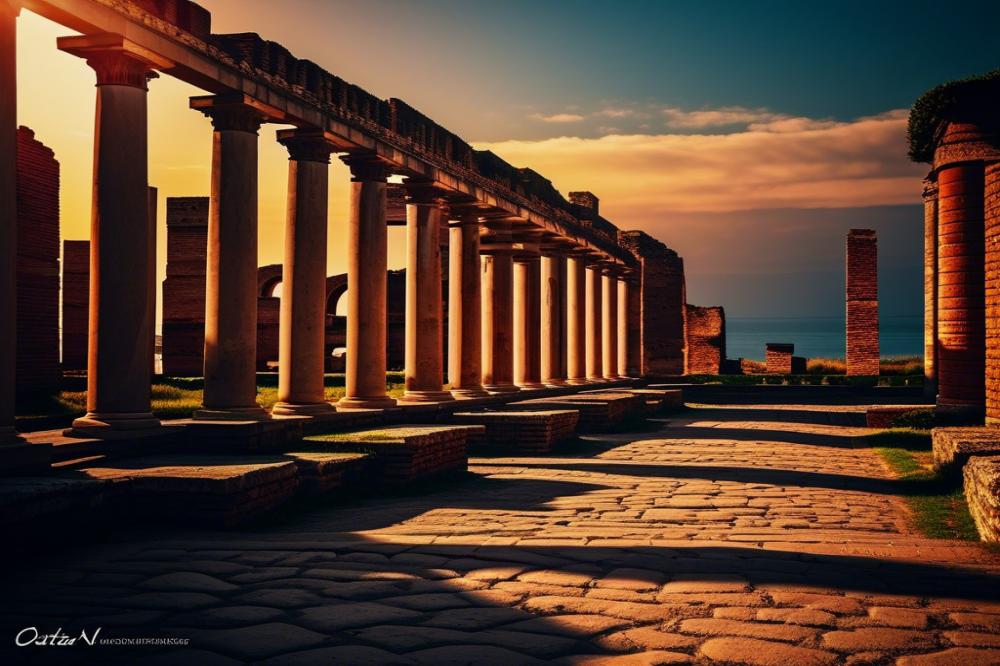
Ostia Antica served as the ancient port for Rome, playing a crucial role in the city’s growth and trade. Today, it stands as an important archaeological site, revealing the remnants of a bustling urban center. Visitors wander through its ruins, which showcase a range of Roman architecture and city planning that influenced the design of towns for centuries.
The history of this area is rich and complex. As a vital hub for Mediterranean trade, Ostia Antica allowed goods to flow into Rome, connecting the capital to distant lands. Its strategic location made it a focal point for merchants, cultures, and ideas. Today, it is a place where the past speaks, providing insights into the daily lives of the inhabitants who once thrived there.
Tourism has grown around this cultural heritage. Many come to explore the extensive ruins and appreciate the artistry of the ancient builders. The echoes of ancient Rome resonate throughout the site, revealing stories of commerce and community that thrived in its streets. Understanding this Roman Legacy enriches our knowledge of history and the enduring impact of one of the greatest civilizations.
Historical Background
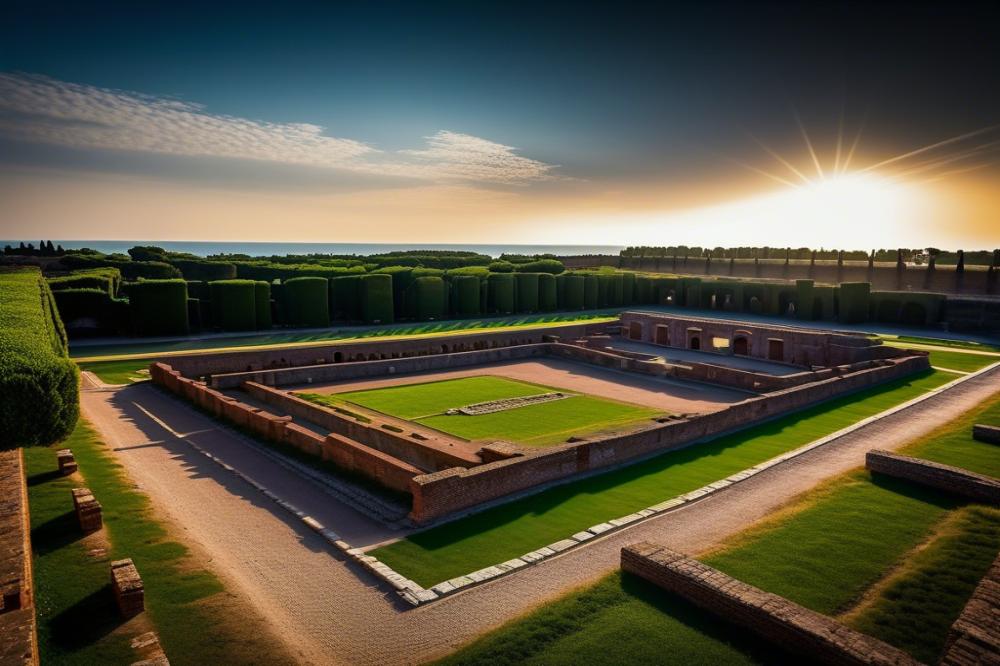
Ostia Antica serves as a remarkable glimpse into the past of ancient Rome. Founded in the 4th century BC, this ancient port played a vital role in the city’s trade and commerce. Located at the mouth of the Tiber River, it functioned as a primary gateway for goods arriving by sea. Over time, Ostia evolved into a bustling trading hub, crucial for Mediterranean trade routes. Its strategic location made it a focal point for merchants coming from various regions.
The architecture of the ruins remains impressive even today. Visitors can still see remnants of Roman architecture that showcase intricate designs. Buildings like warehouses and temples reveal the advanced city planning of the time. Streets lined with shops and public baths speak to the everyday life of its residents. Archaeological discoveries continue to excite historians and tourists alike.
Ostia’s importance peaked during the 2nd century AD. It supported the growing population of Rome by supplying food and goods. The port facilitated commerce, directly impacting the wealth and growth of the Roman Empire. Trade flourished with the arrival of ships from across the Mediterranean. This made the city an essential part of Rome’s economic dominance.
Roman Architecture and City Planning
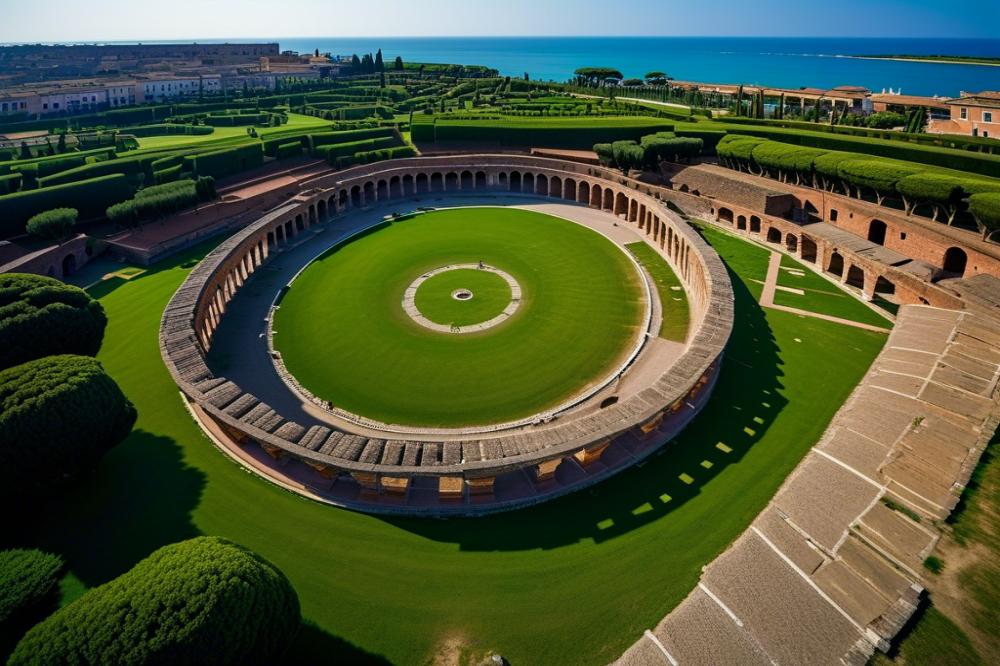
Ostia Antica showcases impressive Roman architecture that reflects the civilization’s grandeur. This ancient port served as a vital hub for Mediterranean trade and displayed the engineering skills of its time. Walking through the ruins, visitors can see well-preserved buildings that stand testament to Roman ingenuity.
City planning principles played a key role in the layout of Ostia. Streets intersect at right angles, creating a grid-like pattern typical of Roman towns. This design made navigation easier for inhabitants and was effective for commerce. Central to city life, public spaces were strategically located to serve various functions.
Notable Structures
Among the remarkable structures in Ostia, the amphitheater captures attention. With a seating capacity of around 3,500, it hosted various performances and entertainment. The organization of the space allowed for excellent acoustics, making every performance memorable for the audience.
Temples also highlight the city’s dedication to religion. Each temple served specific deities, reflecting the diverse beliefs of the population. Design elements such as columns and pediments reveal the artistic flair of Roman builders. These sacred spaces remain important for understanding the cultural heritage of ancient Rome.
Public baths further illustrate the everyday life of Ostia’s citizens. The Baths of Neptune, adorned with intricate mosaics, were not just places for hygiene but also social hubs. Locals gathered to relax and discuss daily matters. These baths represent the communal spirit that was integral to Roman society.
Every structure in Ostia demonstrates careful consideration in its construction. Romans prioritized functionality while also creating visually appealing buildings. As a result, the remains offer insights into social interactions, religious practices, and daily life. Each visit to this archaeological site allows for a deeper understanding of a civilization that has shaped history.
Archaeological Discoveries
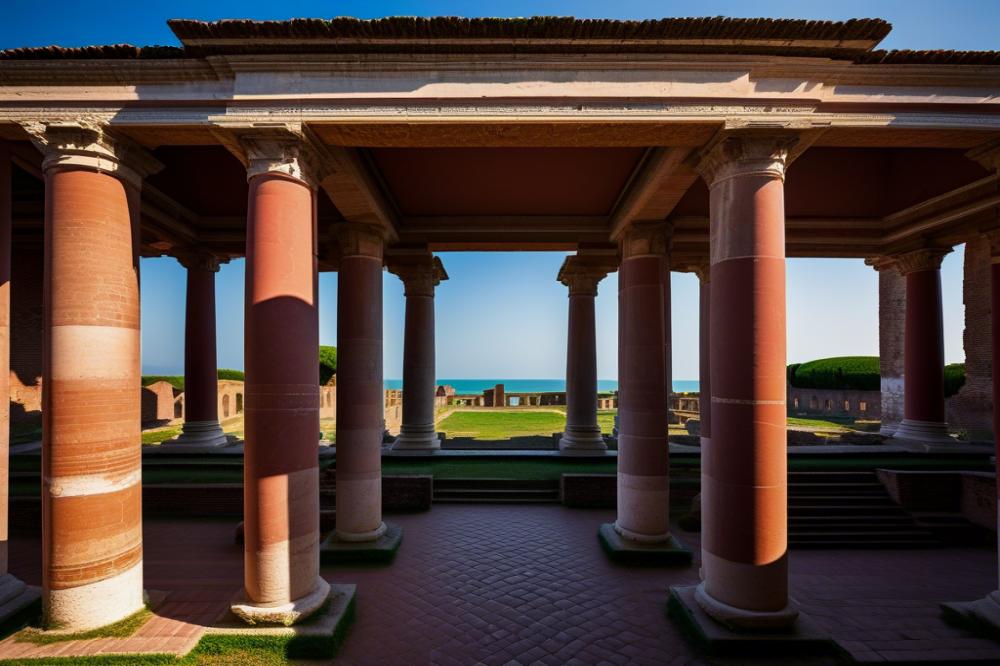
The ruins of Ostia Antica reveal many fascinating layers of history. As an ancient port, it thrived as a bustling center for Mediterranean trade. Excavations have uncovered homes, markets, and public buildings that showcase Roman architecture and city planning.
Among the key archaeological findings, mosaics and frescoes stand out. These artistic elements provide insight into daily life of the Romans. For instance, vibrant mosaics often illustrate scenes of food and leisure. Such details help us imagine the lives of the people who lived there.
Another significant discovery includes various tools and weights used for commerce. These artifacts highlight the importance of trade practices in ancient Rome. They underscore the role that Ostia Antica played in linking different regions and cultures.
Additionally, remains of warehouses and docks shed light on the city’s economic activities. The layout reveals a well-planned urban environment, essential for the bustling trade that occurred. Such meticulous city planning indicates the intelligence behind Roman infrastructure.
Tourism has increased due to ongoing excavations and research efforts. Scholars and amateur archaeologists alike are drawn to this important archaeological site. Their work continues to unveil mysteries and enrich our understanding of ancient life.
Overall, these discoveries contribute to preserving cultural heritage. Each artifact, every structure tells a story from the past. They allow visitors to experience a slice of life from ancient Rome, making Ostia Antica a significant window into history.
Cultural Heritage and Tourism
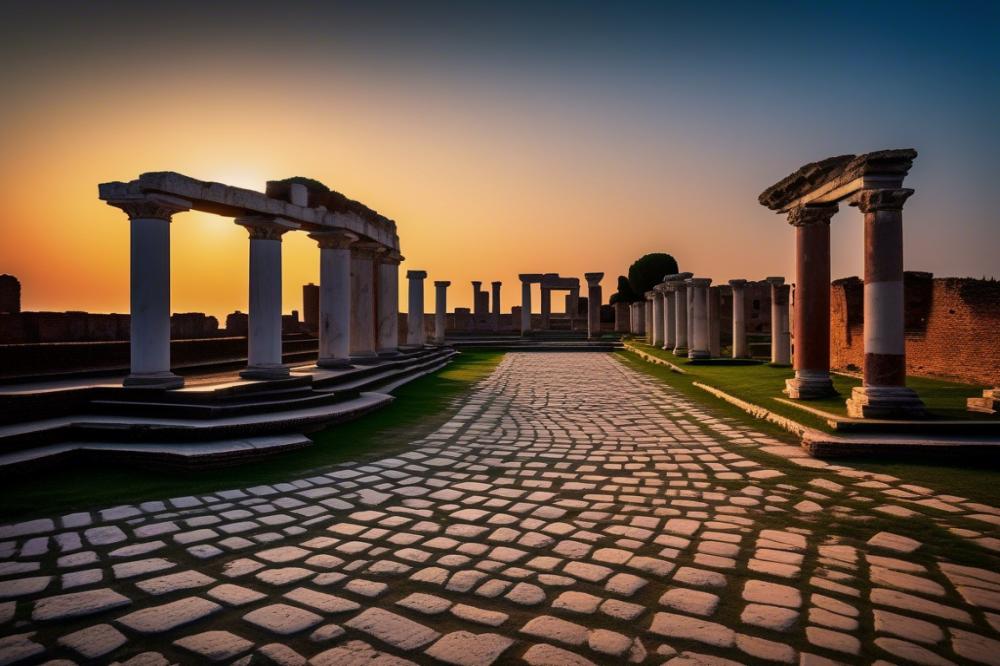
The ancient port has a profound impact on Italy’s cultural heritage. It represents a significant aspect of Roman history, showcasing the remains of a bustling city that thrived on Mediterranean trade. Visitors today are drawn to its captivating ruins, where they can wander through streets once filled with merchants and citizens.
In terms of contemporary tourism, this archaeological site plays a crucial role in attracting people from around the globe. Tourists come to learn about city planning in ancient Rome and admire the impressive Roman architecture. This journey into the past offers insights that textbooks often overlook.
When exploring Ostia Antica, many find the interactive visitor experiences truly engaging. Guided tours provide stories that breathe life into the stones and columns. Some even choose to explore the site on their own, armed with maps and an eagerness to discover hidden gems among the ruins.
Educational programs cater to students who want to grasp the complexities of ancient civilizations. Schools often organize field trips to enrich lessons on history and archaeology. Such experiences connect the past to the present, making learning more impactful.
Moreover, the atmosphere at this ancient location is vibrant and welcoming. Visitors often enjoy taking photographs of the well-preserved mosaics and the grand amphitheater. Dining options nearby allow tourists to relax and reflect on their experiences in this remarkable landscape.
In conclusion, Ostia Antica serves as a bridge between past and present, infusing the Italian cultural tapestry with its historic significance. As more people discover this ancient site, its value to tourism and education in Italy continues to grow.
The Significance of the Ancient Port
Ostia Antica serves as a vital window into Roman civilization. This archaeological site illuminates the complexities of daily life in ancient times. Visitors can walk the same streets where merchants and citizens once thrived. The well-preserved ruins offer insights into trade, culture, and urban planning in Rome.
Examining the remnants of homes, temples, and marketplaces reveals much about societal norms and economic practices. Every structure tells a story of governance, religion, and community interactions. Scholars and history enthusiasts alike recognize that Ostia played a key role in supporting the expansive Roman Empire.
Preserving such sites is crucial for future generations. With each new discovery, we gain a more profound understanding of history. The importance of archaeological sites cannot be overstated. They serve as reminders of our collective past and the lessons it holds.
Exploring Ostia Antica can spark curiosity about ancient civilizations. It encourages visitors to appreciate the grandeur and intricacies of Roman life. With its rich history, the site invites further exploration and study. For anyone interested in history, a visit to this remarkable ancient port can be both enlightening and inspiring.

