
Introduction
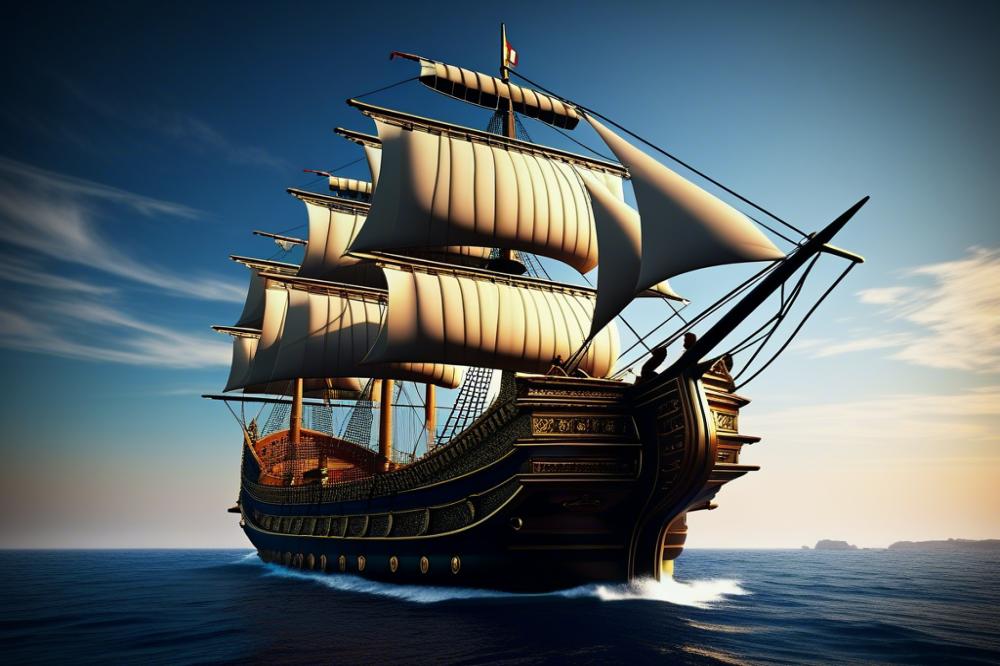
The Roman Empire maintained significant naval power throughout its vast territories. Control over the Mediterranean Sea provided the Romans with a major advantage in both trade and military operations. Consequently, maritime transport became vital for connecting cities, facilitating commerce, and moving troops. ancient shipping routes linked diverse regions and helped shape the economy of the empire.
Trade developed into a cornerstone of Roman success. Merchant vessels carried goods such as olive oil, wine, and grain across the waves. These ships allowed for quick transport of resources essential for supporting ever-growing populations. Additionally, the empire’s trade routes expanded from North Africa to the coasts of Europe, enhancing cultural exchanges and boosting local industries.
Naval architecture in Rome evolved to meet various needs. Although warships like gladiator ships captured attention, it was the transport vessels that handled most of the daily logistical challenges. Their design focused on cargo capacity, stability, and speed, allowing for efficient trade and military maneuvers. Understanding these ships offers insights into the complexities of Roman maritime life.
Each transport vessel carried the weight of the empire on its shoulders, quite literally. The Roman transport ship emerged not only as a means to move goods but also as a symbol of the empire’s maritime might. With many components shaping their overall effectiveness, these ships played a crucial role in the empire’s long-lasting influence.
The Roman transport ship: design
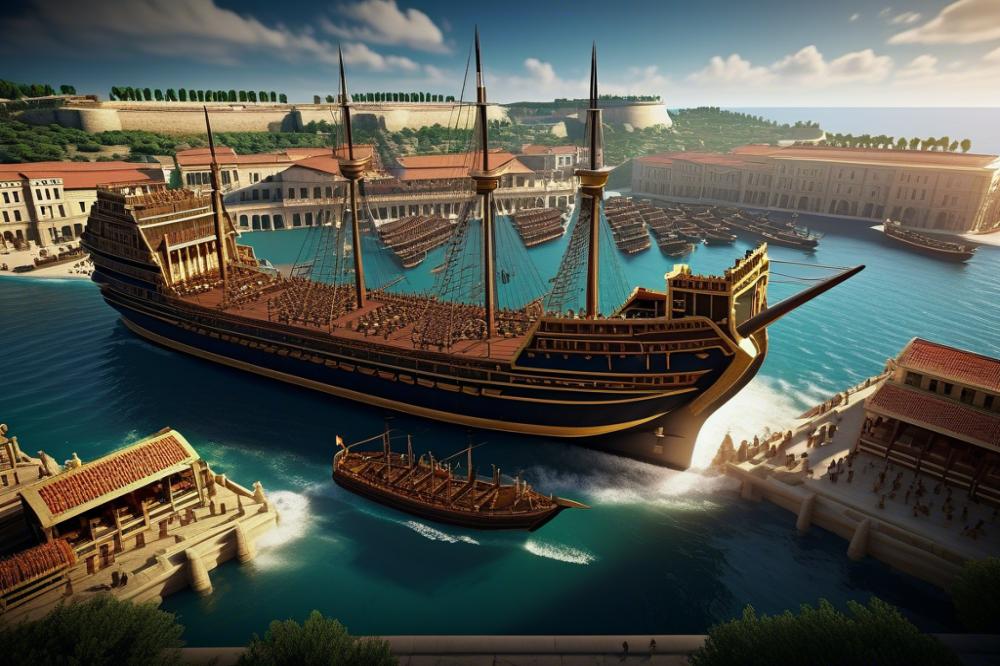
Roman shipbuilding techniques were advanced for their time. Builders focused on practicality and efficiency. Key features of transport vessels included broad hulls and ample storage areas. These ships were designed to navigate various seas and rivers within the vast Roman Empire.
Materials Used in Construction
Wood was the primary material in constructing these ships. Different types of wood were selected based on availability and durability. Oak was often favored for its strength. Tools like chisels, hand saws, and hammers were essential in the building process. These tools allowed for precise shaping and assembly of planks.
Architectural Principles Guiding the Design
Naval architecture for transport ships followed specific principles. Stability was crucial for carrying heavy goods while maintaining balance. The design emphasized a shallow draft, enabling ships to load and offload with ease in coastal areas. This feature was especially important for maritime trade across the Empire.
Differences Between Naval Architecture for Transport versus Warships
Differences in purpose led to distinct designs for merchant vessels and warships. Gladiator ships were built for speed and maneuverability, featuring sharp hull designs. In contrast, transport ships prioritized cargo capacity and stability over speed. The broad beams of these vessels allowed for greater loads, essential for long-distance journeys along trade routes.
Purpose of the Roman Transport Ship
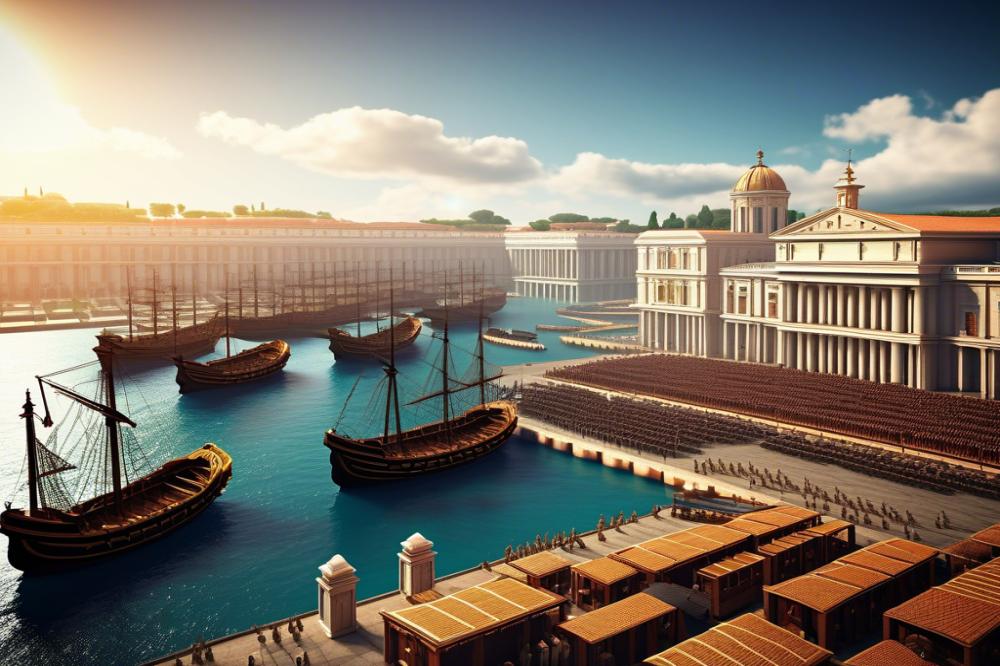
The primary role of the Roman transport ship was military logistics. Troops and supplies needed to move quickly and efficiently during campaigns. Such vessels were crucial for relocating soldiers to various battlefronts. Additionally, they aided in the transportation of food, weaponry, and equipment essential for warfare.
Maritime trade played a significant role in Roman society. These ships connected regions across the vast Mediterranean. Merchant vessels transported goods like olive oil, wine, and grain. Ships helped develop trade routes that expanded the economy of the Roman Empire. Increased commerce strengthened ties between provinces and boosted local economies significantly.
Shipbuilding techniques advanced during this period. Naval architecture evolved to meet the demands of both military and commercial needs. Unique designs allowed for greater cargo capacity. As a result, ships could carry more goods or a larger number of troops. Gladiator ships also appeared, highlighting the naval aspect of Roman entertainment and power.
Connections between provinces became more achievable with effective transport. Different regions could share resources, leading to a more unified empire. The practicality of these vessels enabled a consistent supply flow. Thus, they contributed to the overarching goal of expansion and control across the Roman territories.
Cargo Capacity of the Roman Transport Ship
The Roman transport ship was a vital link in maritime trade. Often, these vessels carried a variety of cargo. Common items included food, household goods, and military supplies. The Empire’s vast reach made such transportation critical for sustaining its population and army.
When considering cargo capacity, Roman vessels varied significantly. Many merchant vessels could hold approximately 100 tons, while larger ones exceeded 200 tons. In contrast, modern cargo ships can carry thousands of tons. This difference highlights the advancements in naval architecture and shipbuilding techniques over centuries.
Some notable examples of large transport ships existed in the Roman Empire. The shipwrecks found near the coastlines provide insight into sizes and capacities. Specific ships, like those used for grain transport, were designed for maximum efficiency. These vessels played an essential role in the supply chain, particularly during times of war when military operations depended on effective logistics.
Cargo capacity greatly influenced trade routes and the economy of the Empire. Efficient ships made it possible to connect distant regions, facilitating commerce and resource distribution. As more goods moved along established routes, the wealth of cities like Ostia and Alexandria flourished. This economic growth helped bolster the Empire’s power and stability.
Transport vessels also had a role in the military context. Some ships, known as gladiator ships, were built to carry troops and supplies to conflict zones. This allowed for a rapid response to threats and maintained control over conquered territories. Hence, understanding the features of these transport vessels reveals their multifaceted purpose within the Roman Empire.
Maritime Trade and Trade Routes
The Roman Empire relied heavily on maritime trade to connect its vast territories. Major trade routes crisscrossed the Mediterranean Sea and beyond. Goods moved from ports like Ostia and Alexandria to destinations throughout Europe, Africa, and Asia. These paths were crucial for the exchange of commodities such as grain, wine, olive oil, and luxury items. Roman transport ships were instrumental in this intricate network of commerce.
Role of Private Merchant Vessels
Private merchant vessels played a significant role in Roman trade. Unlike the imperial navy, these ships operated independently. They carried goods for profit, navigating established trade routes at their own pace. Shipbuilding techniques allowed for diverse designs, enabling merchants to choose vessels based on their specific cargo capacity needs. Many vessels were built to accommodate both bulk goods and delicate items, optimizing their trips.
Interaction with Other Cultures
Through maritime trade, the Romans interacted with many cultures. Exchanges happened not only through goods but also through ideas and technology. Sailors brought stories from distant lands, enriching the Roman worldview. Some merchant vessels may even have engaged in cultural exchanges, sharing practices from the East and North Africa. This interaction fostered a unique blend of influences that shaped Roman society.
Effects of Maritime Trade
Urban development blossomed in coastal cities due to these trade routes. Ports experienced rapid growth as merchants established warehouses and marketplaces. Wealth distribution changed as trade brought prosperity to some and opportunity to others. Cities like Carthage and Ephesus transformed into bustling hubs of commerce. Wealthy merchants invested in lavish homes, while many residents depended on the vibrancy of trade for their livelihoods.
Gladiator Ships and Unique Transport Varieties
Gladiator ships held a special role in the maritime activities of the Roman Empire. These vessels were not typical transport ships. Primarily designed for the purpose of delivering gladiators to amphitheaters, their construction was notably different from that of traditional merchant vessels. With reinforced hulls and decks, their design reflected a need for security and stability. Gladiators were often transported in large groups, ensuring that the ships could accommodate both fighters and their necessary equipment.
The cargo capacity of gladiator ships was essential for their function. Unlike regular merchant vessels which primarily focused on trade goods, these ships were crafted to transport living cargo. A high number of gladiators and their gear were packed onto these boats. While merchant ships prioritized transporting foods and textiles, gladiator vessels catered to the entertainment needs of Roman society.
Comparison to Traditional Merchant Vessels
Merchant vessels had a different aesthetic shaped by their intended use. Typically, they featured wider holds for storing goods more effectively. Increased focus on carrying bulk items made them vital for maritime trade along established routes. In contrast, gladiator ships had a narrower design, allowing them to navigate coastal waters more swiftly. The shipbuilding techniques employed for both types of vessels varied significantly, highlighting their distinct purposes.
Both types of ships required skilled labor. Roman naval architecture reflected a high level of craftsmanship. However, the focus on functionality differed greatly. Merchant vessels focused on stability and space, while gladiator ships prioritized speed and defense. This essential divergence illustrates how Rome’s maritime needs led to specialized vessel designs.
Cultural Significance of Gladiator Ships in Roman Society
Gladiator ships were more than just means of transport; they represented the values and entertainment of the era. The arrival of gladiators by sea became a spectacle in itself. Crowds would flock to the shores to catch a glimpse of these fierce warriors before competitions. Such events reinforced the importance of gladiatorial games in Roman culture.
With the rise of these shows, the demand for gladiator ships surged. Public fascination with gladiators fueled a cultural investment in entertainment. Shipbuilders quickly adapted to create vessels that met these demands. The relationship between combat and culture was evident as the maritime transport of these fighters became a symbol of Roman prowess and spectacle.
Final Thoughts on the Roman Transport Ship
The significance of the transport ship within the Roman Empire cannot be overstated. It played a crucial role in establishing trade networks that stretched across vast territories. Moreover, these vessels facilitated the movement of military troops and supplies, ensuring Rome maintained its power. Without this form of transport, the Empire’s expansion and administration would have faced major challenges.
Roman naval architecture greatly influenced future ship designs. Builders studied and adopted techniques from these ancient ships for centuries. This legacy can be seen in the robust hulls and efficient sails of later maritime vessels. Beyond structural innovations, the practices of maritime trade these ships established laid the groundwork for commercial systems in subsequent societies.
Future societies benefited tremendously from what the Romans accomplished at sea. The methods developed during this era influenced transport and commerce for generations. Innovations in design, along with improved navigation technologies, stemmed from earlier Roman experience. Many elements of today’s shipping industry have roots that trace back to ancient Rome.
In summary, the transport ship was more than just a means of moving goods and troops. It was a vital instrument of the Empire’s growth and strength. The impact of this vessel reaches far beyond its time, shaping the future of naval operations. Its enduring legacy continues to resonate in modern maritime practices, emphasizing the importance of innovation in the transport of goods and people.

