
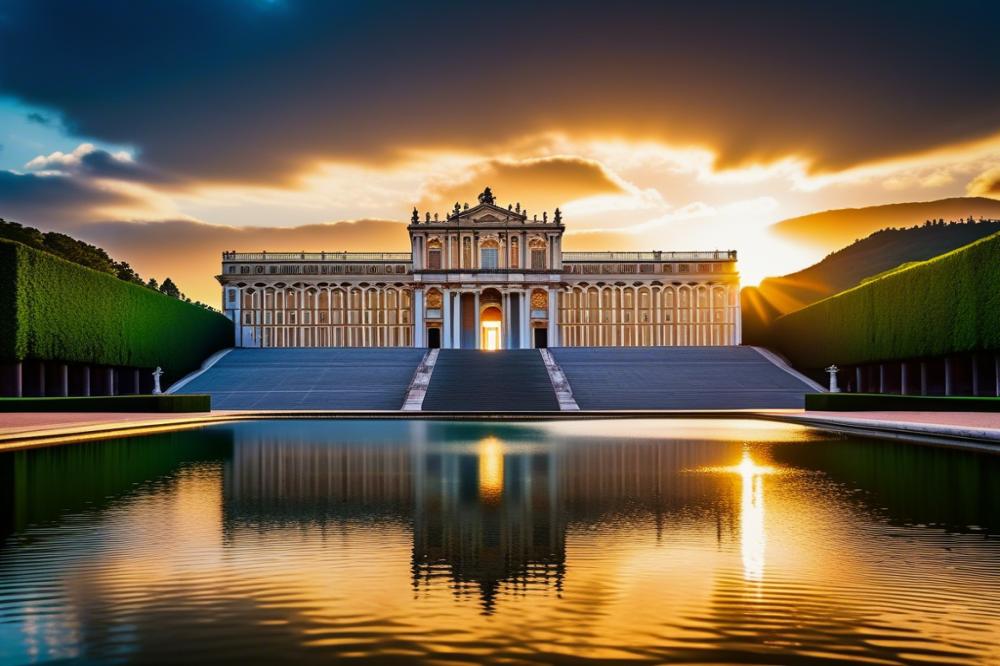
Overview of the Royal Palace of Caserta
The Royal Palace of Caserta stands as a remarkable achievement in Italian architecture and history. Located near Naples, this grand palace was commissioned in the 18th century by King Charles of Bourbon. The design of the building reflects the grandeur and opulence of the Baroque style, similar to the famous Palace of Versailles in France. Spanning over 1200 rooms, the palace is an extraordinary example of royal residence that captures the imagination of all who visit.
With its vast gardens and enchanting fountains, the exterior of the palace invites guests to explore its beauty. These beautifully landscaped gardens stretch for over three kilometers, showcasing the detailed artistry of the period. Visitors often find themselves wandering through the manicured paths, impressed by the meticulous design and picturesque views.
This site holds great significance as Italy’s answer to Versailles, representing the ambition and power of the Bourbon monarchy. As a UNESCO World Heritage site, it has gained international recognition for its cultural value. Tourists flock to Caserta to witness this stunning monument, enriching their understanding of Italy’s royal history. The combination of grandeur, history, and artistry makes the Royal Palace of Caserta an essential destination for anyone interested in the richness of Italian culture.
History of the Royal Palace of Caserta
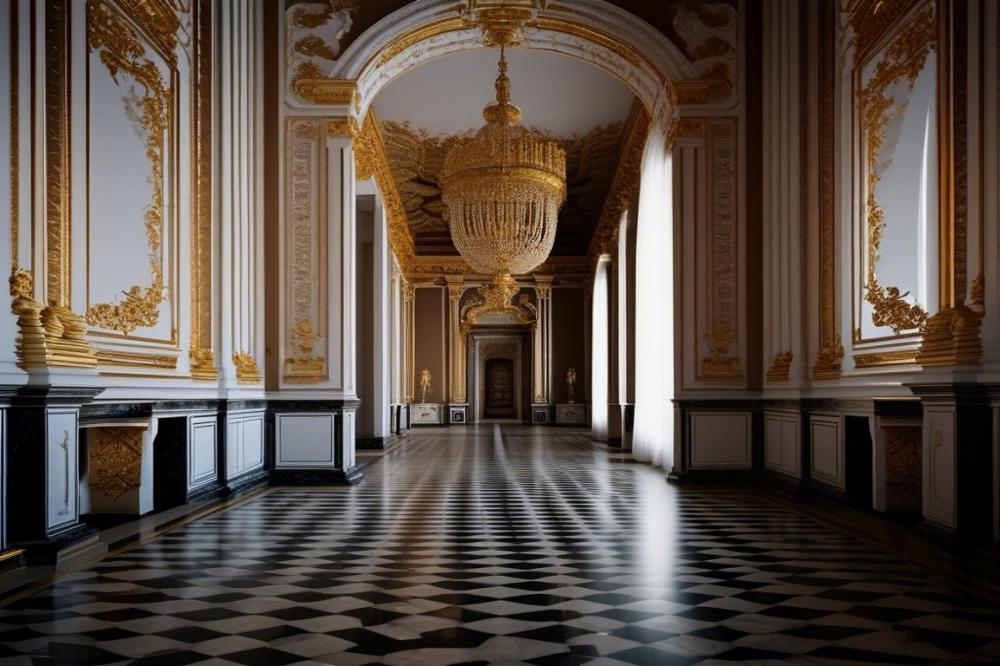
Commissioning by Charles VII of Spain
Charles VII of Spain commissioned the Royal Palace of Caserta in the 18th century. This choice reflected the desire to create a grand royal residence. The ruler aimed to rival Versailles, the magnificent palace in France. His vision was ambitious, wanting to showcase the power of the Bourbon dynasty. The palace symbolized the splendor of Italy during that period. This decision led to the establishment of a stunning architectural masterpiece.
Construction timeline and key architects
Construction began in 1752 and continued for several decades. Luigi Vanvitelli, a prominent architect, played a crucial role in the design. His Baroque style emphasizes symmetry and grandeur, which remains evident today. Following Vanvitelli’s death in 1773, his son continued the work. Various architects contributed to the project over the years. Despite delays, the palace was mostly completed by the late 18th century. Today, it stands as a testament to the skilled craftsmanship of its era.
Role in the Bourbon dynasty and royal residence
The Royal Palace served as the official residence of the Bourbon kings of Naples. It represented the heart of the Bourbon dynasty’s power in Italy. The palace was more than just a home; it was a center for royal events and gatherings. Life within its walls reflected the opulence of the times. Gardens adorned with fountains surrounded the palace, enhancing its beauty. This blend of architecture and nature attracted many visitors. Now a UNESCO World Heritage site, it draws tourists eager to witness its grandeur. Caserta, the town where it stands, has become a key tourist attraction in Italy. Visitors appreciate the rich history intertwined with its stunning design.
Architecture and Design
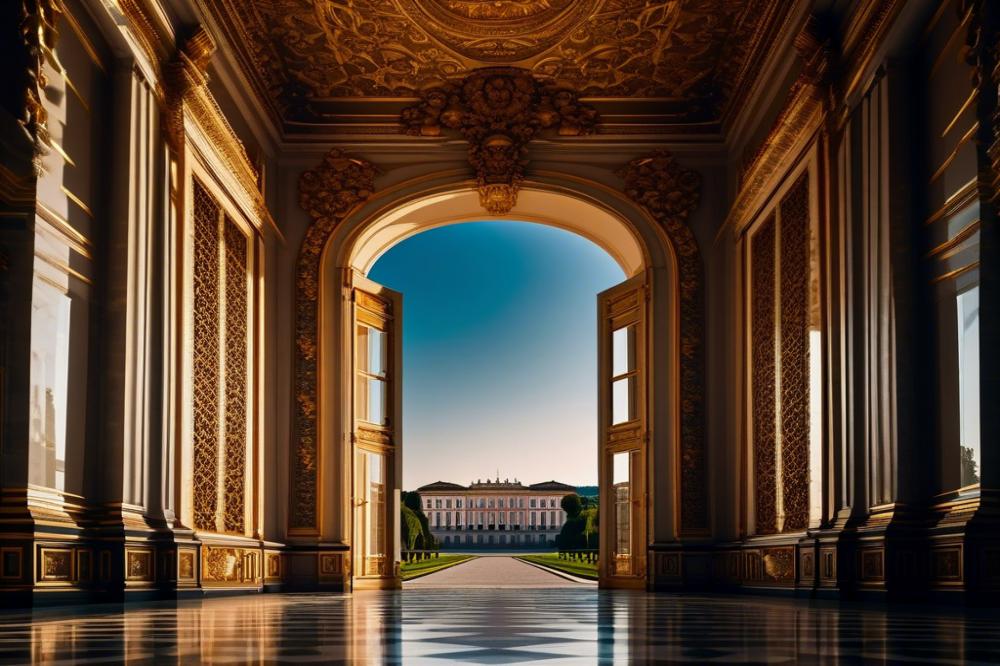
Influence of Baroque Style in the Palace
The Royal Palace of Caserta showcases the grandeur of Baroque architecture. Built in the 18th century, it reflects the influence of Italian and European designs of that era. This style emphasizes bold forms, intricate details, and dynamic movement in its structures. Inside the palace, ornate decorations captivate visitors. The towering ceilings and lavish frescoes contribute to the sense of magnificence. Every corner reveals artistic craftsmanship, showcasing the history of power and wealth in Italy.
Key Architectural Features and Elements
Several key features define the palace’s architecture. The façade is grand, stretching over 200 meters, drawing visitors in. Large terraces and expansive staircases create a dramatic entrance. Gardens surround the building, filled with lush greenery and carefully designed paths. Fountains play a significant role in the landscape, enhancing the overall beauty. Many rooms are adorned with impressive sculptures and intricate moldings. Each feature tells a story about the royal residence’s purpose and splendor, making it a must-visit tourist attraction.
Comparison with Versailles and Its Unique Characteristics
When comparing the Royal Palace of Caserta with Versailles, distinct differences become evident. Versailles is known for its lavish interiors and extensive gardens, focusing on elegance. In contrast, Caserta emphasizes its connection to nature with its vast royal gardens and waterworks. The gardens here are remarkably expansive, showcasing a blend of nature and man-made beauty. While both palaces symbolize power, Caserta offers a more relaxed atmosphere amid its sprawling landscapes. Visitors might notice the serene fountains and quiet spaces, inviting a sense of peace away from the bustling crowds of Versailles.
Gardens and Fountains
Overview of the Extensive Gardens
The Royal Palace of Caserta is surrounded by extensive gardens that showcase exceptional beauty and design. Spanning over 120 hectares, these grounds are a splendid display of landscaping. Visitors can stroll through meticulously planned paths and enjoy the lush greenery. The overall architecture of the gardens mirrors the grandeur of the palace itself. Various sections blend harmoniously with the building, emphasizing the importance of nature in royal life.
Incorporation of Fountains and Water Features
Fountains play a vital role in the gardens of Caserta. They illustrate the Baroque style that dominates the palace’s design. Each fountain is strategically placed, drawing the eye and providing a focal point. One of the most striking features is the Great Waterfall, which cascades dramatically down the hillside. Additionally, numerous smaller fountains dot the landscape, creating a sense of tranquility among vibrant flowers. Water features not only added beauty but also served to showcase engineering prowess of the time.
Design Significance and Historical Context
The gardens reflect the historical context of the 18th century. They were designed as a testament to royalty and power. As a UNESCO World Heritage site, the area is recognized for its outstanding universal value. Features of the gardens reflect the ideals of beauty and control over nature, prevalent among nobility then. This royal residence was not just a home; it was a statement of opulence. Today, it serves as a major tourist attraction in Italy, drawing visitors eager to experience its rich history and stunning landscapes.
UNESCO World Heritage Status
Criteria for inclusion as a UNESCO site
Recognition as a UNESCO World Heritage site hinges on meeting specific criteria. Mainly, the Royal Palace of Caserta exemplifies high artistic and architectural value. Its Baroque style is a remarkable example of 18th-century design. The palace represents a significant period in European history, showcasing the grandeur of royal residences. Additionally, the surrounding gardens and fountains add to its cultural landscape. These features collectively contribute to its status in the global heritage community.
Importance of preservation and global recognition
Preservation is vital for maintaining the palace’s historical integrity. UNESCO designation not only honors the site’s value but also promotes awareness. Global recognition emphasizes the importance of protecting such treasures for future generations. It brings attention to Italy’s rich architectural history. Communities invested in heritage conservation often see improvements in preservation efforts. Educational programs can be established to inform visitors about the significance of the site, linking the past with the present.
Impact on tourism and local economy in Caserta
Tourism significantly bolsters the local economy in Caserta. As a popular tourist attraction, the palace draws thousands of visitors each year. Many come for its stunning architecture and vast gardens. This influx helps local businesses thrive, from shops to restaurants. Increased tourism also supports job creation within the community. The economic benefits of being a UNESCO site cannot be overstated. They help promote cultural exchange and generate pride among residents. By attracting worldwide visitors, the palace boosts the visibility of Caserta as a key cultural destination in Italy.
Visitor Experience and Tourist Attraction
The Royal Palace of Caserta attracts thousands of visitors each year. In recent years, numbers have surged as global interest in this magnificent site continues to grow. Many tourists see it as a must-visit location in Italy. Its recognition as a UNESCO World Heritage site adds to its appeal, drawing history enthusiasts and architecture lovers alike.
Guided Tours and Accessibility
Guided tours are available for those who want deeper insights into the palace’s history and architecture. Knowledgeable tour guides share fascinating stories about the royal residence. Accessibility is also considered important here. Visitors can find helpful facilities, making it easier for everyone to enjoy this stunning attraction.
Highlighting Key Areas of Interest Within the Palace
Within the palace, several key areas stand out. The grand staircase, with its intricate Baroque style, leaves a lasting impression. Another highlight includes the impressive fountains that adorn the extensive gardens. These gardens offer a peaceful retreat from the bustle of daily life. Exploring the various rooms, each filled with ornate decor, helps visitors appreciate the palace’s royal history. Art enthusiasts particularly enjoy the collection of paintings that grace the walls.
Each corner of this attraction offers a glimpse into Italy’s majestic past. Visitors can marvel at the stunning architecture as they stroll through spacious halls. The grandeur of the palace echoes tales of the kings and queens who once resided here. Everyone leaves with a sense of how remarkable this site truly is.
Final Reflections on Caserta’s Heritage
The Royal Palace of Caserta stands as a monumental testament to Italy’s rich history and splendid architecture. Often heralded as Italy’s answer to Versailles, this sprawling estate reflects grand ambitions of a bygone era. Visitors to this UNESCO World Heritage site encounter not just opulence, but also a deep connection to cultural identity.
Its gardens, fountains, and lavish rooms tell stories of royal life, showcasing the artistic pursuits of the time. Each corner of this majestic building invites exploration. You can feel the weight of history in its walls, where each room echoes the footsteps of past rulers. Enormous in scale, the palace serves as a reminder of the power and influence that shaped the region.
Experiencing this magnificent place can ignite a sense of wonder. By walking through its corridors and gardens, you truly connect with the past. The palace offers a glimpse into the lives of the monarchs who once ruled. Embracing this journey allows people to appreciate the cultural heritage alive in Italy today.
In closing, visiting the Royal Palace of Caserta is more than a mere outing. It is a chance to immerse oneself in a rich tapestry woven through centuries. This grand structure beckons travelers from around the world. Exploring its vast grounds and intricate designs is sure to leave an indelible mark. Make it a priority to experience the allure and majesty that this palace has to offer.

