
Understanding Italian semolina Bread
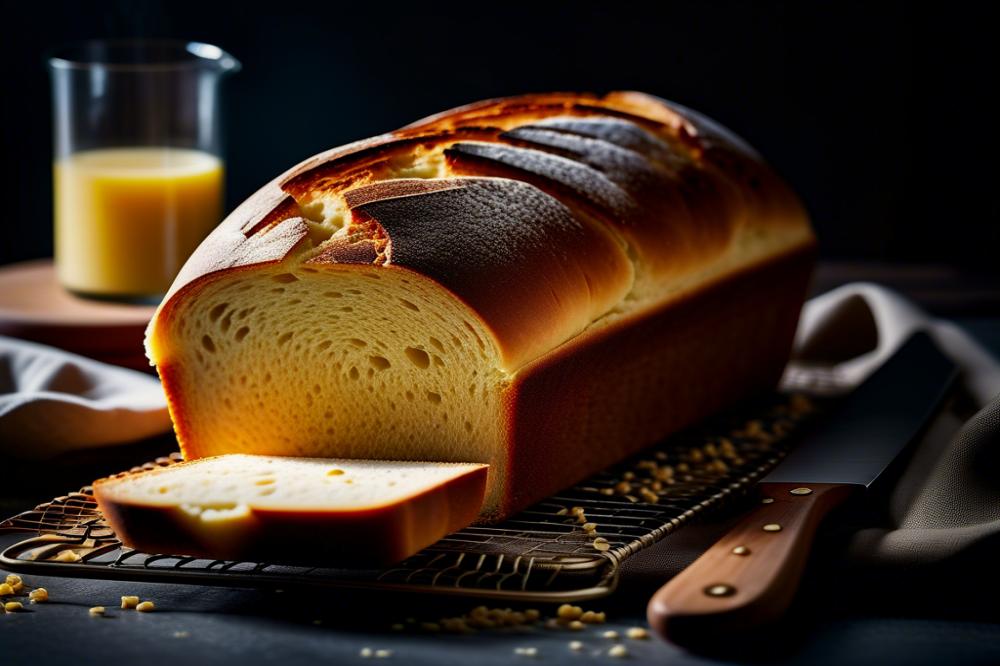
Italian semolina Bread stands as a beloved staple within Italian cuisine. This bread holds a special place on tables across Italy, where it complements everything from simple olive oil to complex pasta dishes. Bakers have cherished this type of bread for centuries, appreciating its golden crust and delightfully chewy texture.
At the heart of this bread lies semolina flour, which is milled from durum wheat. Semolina offers distinct qualities that set it apart from common bread flours. Its coarser grain contributes to a robust gluten structure. This property is crucial during fermentation, as it helps trap gases produced by yeast. A strong gluten network leads to better rise and texture in the finished loaf.
Hydration plays a significant role in the baking process. Water mixes with semolina to create a dough that is both elastic and pliable. Furthermore, the correct balance of moisture allows for optimal fermentation. As yeast consumes sugars, it releases carbon dioxide and alcohol, enhancing flavor development. Bakers can manipulate these elements to achieve various results, yielding loaves that are light, airy, or dense.
Numerous baking techniques can elevate Italian Semolina Bread. Artisan bakers often experiment with varying yeast types or fermentation times to refine their recipes. Such methods invite a deeper appreciation for baking science, revealing why this bread has stood the test of time. The journey from simple ingredients to a delicious loaf involves chemistry as much as it does tradition.
This article aims to dive deeper into the science behind making this traditional bread. We will explore the properties of semolina flour, the art of fermentation, and the critical factors in achieving the perfect loaf. Through understanding these elements, bakers can not only hone their skills but also deepen their respect for this culinary heritage.
Understanding Semolina
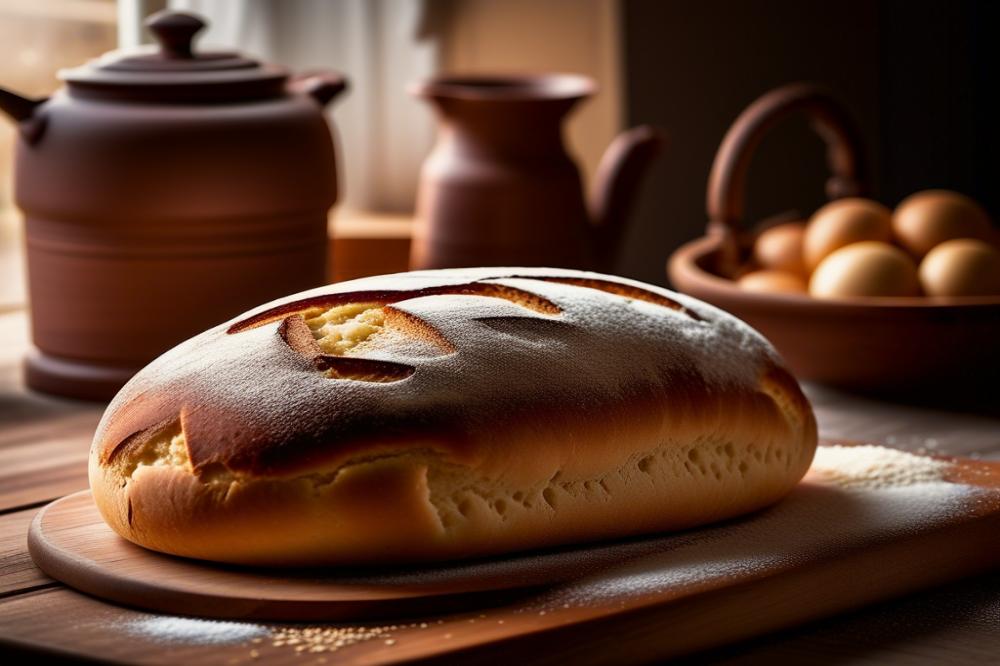
Semolina is a coarse flour made from durum wheat. This type of wheat is known for its high protein content and strong gluten structure. Unlike regular all-purpose flour, which comes from soft wheat, semolina has a golden hue and a grittier texture. This distinct coarseness contributes to its character in bread making.
When water meets semolina, hydration occurs. This process is crucial for fermentation. The yeast interacts with the starches, producing carbon dioxide and alcohol. This interaction aids in rising, giving bread its airy nature. In Italian cuisine, semolina flour enhances the flavor development, creating a richer taste profile. Artisanal bread made from semolina offers a delightful crunch and chewiness, features not always found in traditional bread.
The unique properties of semolina come from its gluten. While its gluten forms a strengthy network, it behaves differently than that of regular flour. Bakers can achieve a robust crust paired with a tender crumb. This combination makes it ideal for Italian Semolina Bread. By mastering various baking techniques, one can create loaves with an appealing texture, perfect for any meal.
In summary, semolina plays an essential role in Italian baking. Its origins from durum wheat provide characteristics that set it apart from more common flours. The special qualities of semolina elevate the bread making process, ensuring that every bite brings a taste of tradition and purity.
The Role of Gluten Structure
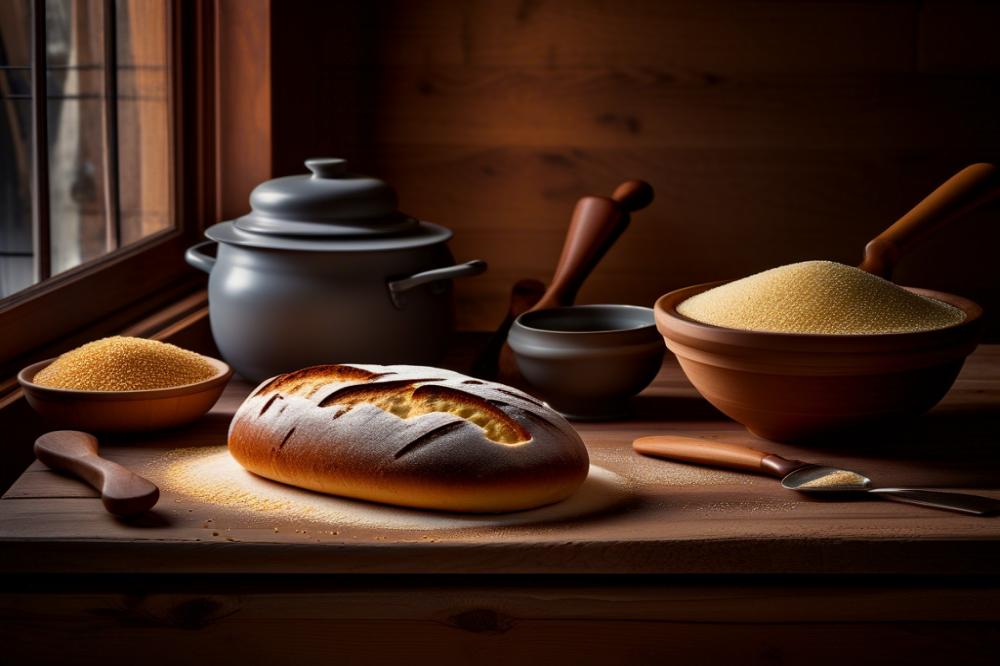
Gluten plays a crucial role in the process of bread making. This protein, formed when flour is mixed with water, gives bread its structure and chewiness. It is essential for trapping gas produced during fermentation, allowing the bread to rise properly. Without gluten, your loaf would likely turn out dense and flat.
Semolina, a coarser flour made from durum wheat, contributes uniquely to gluten development. This type of wheat has a higher protein content compared to all-purpose flour. When combined with adequate hydration, semolina flour helps form a stronger gluten network. This results in a bread that is not only airy but also has a hearty texture.
Differences in gluten structure become apparent when comparing semolina to all-purpose flour. All-purpose flour tends to create a softer, less elastic dough. In contrast, semolina imparts a firmer structure. This difference affects the final texture of the bread. Bread made with semolina often displays a satisfying chew, which is characteristic of many artisanal breads.
In baking, techniques involving semolina can also enhance flavor development. The fermentation process, paired with the grainy characteristics of semolina, yields a rich taste that complements the best of Italian cuisine. When combined with yeast, the result is a loaf that has both depth and complexity.
Overall, the choice of flour significantly impacts the bread-making experience. Understanding the dynamics of gluten structure and how semolina behaves is key to creating a successful loaf. Enthusiasts of baking will appreciate exploring these elements, especially when aiming for authenticity in Italian Semolina Bread.
The Importance of Hydration

Baking Italian bread is more than just mixing flour and water. Hydration plays a critical role in this process. Understanding how much water to add can make a big difference in the final product.
Semolina, made from durum wheat, absorbs water differently compared to all-purpose or bread flour. While common flours typically incorporate water readily, semolina requires careful attention. Its coarse texture means that it can hold onto water more efficiently. This unique characteristic allows for a different kind of dough formation.
Dough consistency hinges on hydration levels. Too much water can make the dough too sticky, while too little can result in a dry, unmanageable mix. Finding the right balance is key to successful bread making. When the hydration is just right, the dough becomes elastic and pliable, supporting fermentation. Yeast thrives in this environment, producing gas that helps the dough rise.
Hydration also influences the gluten structure. The more hydrated the dough, the stronger the gluten network can become. This network is what gives bread its wonderful texture. A well-developed gluten structure contributes to a chewy crumb, which is especially prized in Italian cuisine.
Moreover, hydration affects flavor development during baking. Higher levels of water can lead to steam, which helps create a crusty exterior. This allows for better flavor extraction from the ingredients used. Not only does this enhance taste, but it also transforms the overall eating experience.
Artisanal bakeries often experiment with various hydration techniques to achieve perfection. Different methods can lead to distinct textures and flavors. Adjusting hydration levels can yield a multitude of results, making each batch of bread a little different.
When making Italian Semolina Bread, bakers must consider how all these factors interplay. The relationship between water and semolina is fundamental. Each time dough is prepared, it’s an opportunity to explore the nuanced art of baking. The science behind hydration is vital for creating that perfect loaf that people will savor.
Fermentation and Flavor Development
Fermentation plays a central role in the art of bread making. During this process, yeast becomes the star of the show. As it consumes sugars present in the dough, carbon dioxide and alcohol are produced. This transformation doesn’t just make the dough rise. It also unleashes a variety of flavors.
In Italian cuisine, the choice of flour affects how fermentation unfolds. Semolina, a coarser flour made from durum wheat, introduces its own unique characteristics. The gluten structure it forms is different compared to all-purpose flour. Stronger gluten contributes to the chewy texture, creating a delightful contrast to the bread’s crust.
Hydration is another crucial factor. When dough has the right moisture level, yeast thrives. With sufficient hydration, fermentation accelerates. As the yeast multiplies, it breaks down starches and proteins. This breakdown releases volatile compounds that enhance flavor development.
Longer fermentation times allow flavors to deepen. With extended time, dough becomes more complex. Rich aromas and nuanced tastes emerge, much sought after in artisanal breads. Some bakers opt for overnight fermentation. This slow process encourages natural enzymes to work their magic. These enzymes help to strengthen the gluten and improve the overall structure of the loaf.
Artisan bakers often embrace techniques that prioritize flavor. Their methods highlight the importance of patience in fermentation. The result is a robust flavor profile that draws people to the scents wafting from the oven. When baking Italian Semolina Bread, this patient approach transforms simple ingredients into something extraordinary.
Flavor development is also influenced by fermentation temperature. A cooler environment slows the yeast activity, allowing for mellower flavors. Conversely, warmer conditions speed up fermentation. Yeast becomes more vigorous, and bread can take on a slightly different character. Balancing these variables is part of the baker’s skill set.
Ultimately, fermentation is not just about making the dough rise. It’s a dance of chemistry and artistry that shapes the final loaf. From the first mixing of the ingredients to the glorious moment when the bread is pulled from the oven, every step counts. Each choice the baker makes contributes to building layers of flavor. Enjoying the finished product is a testament to this careful process.
Baking Techniques for Italian Semolina Bread
Baking Italian semolina bread involves several important techniques that elevate the bread-making process. Each step can significantly impact the final product. Understanding these methods is crucial for achieving the desired texture and flavor.
Temperature plays a critical role in the baking process. Preheating the oven is necessary to create an ideal environment for bread. A high temperature helps develop a nice crust while keeping the inside soft. Consider using a baking stone or steel as they retain heat well, creating a crispier crust. This also enhances the overall baking experience.
Steam is another factor that shouldn’t be overlooked. Introducing moisture into the oven during baking allows for better crust formation. A simple trick is to place a pan of boiling water in the oven before putting in the dough. This steam helps with expansion and contributes to a beautiful finish. Without it, the crust may turn out too tough and chewy.
Shaping the dough properly is vital for structure. After fermentation, turn the dough onto a floured surface and gently stretch it. A tight shape allows for the development of gluten structure, essential for holding the gas produced by yeast. Use your hands to create surface tension by rolling the dough against the work surface.
Scoring the dough is a technique used by bakers in artisanal bread-making. This involves making shallow cuts on the surface of the dough before baking. These cuts allow the bread to expand in a controlled manner during baking. It’s not just for aesthetics; it also helps improve flavor development by allowing gases to escape.
Hydration also plays a key role. The right amount of water in the dough affects how chewy or airy the bread ultimately turns out. For semolina bread, a high-hydration dough can yield a lighter crumb, enhancing the overall texture. Pay close attention to the specific hydration needs of your dough.
Getting the dough ready for baking requires patience and precision. Always remember that this bread reflects the artistry of Italian cuisine. Each step, from mixing to scoring, contributes to the final product. Carefully executing these techniques will lead to wonderful results.
Final Thoughts on Baking Bread
Understanding the science behind baking Italian Semolina Bread reveals a fascinating blend of ingredients and techniques. Semolina flour is key due to its high gluten content, offering the dough strength and elasticity. Balancing this with water, salt, and yeast sets the stage for a flavorful loaf.
Kneading plays an important role in developing gluten, which contributes to the texture. As the dough ferments, it transforms, and that process is where the magic happens. The yeast ferments the sugars, creating bubbles that give the bread its light, airy structure.
Baking temperature significantly affects how the crust forms. A hotter oven ensures a crispy exterior. This interplay of temperatures and ingredients delivers that delightful contrast between the crunchy crust and the soft inside.
As you embark on your own bread making experiment, remember these principles. Adjust ingredients according to your preference, but keep the core concept in mind. The journey of baking semolina bread at home can be rewarding. Give it a try and experience the satisfaction of creating something delicious from scratch.

