
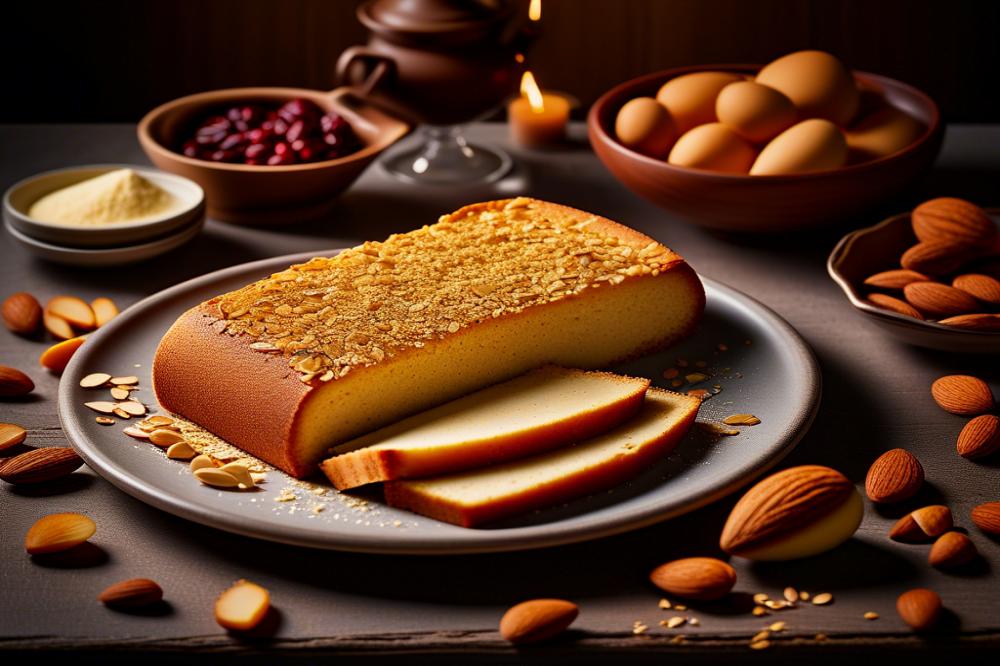
The Unique Taste of Sbrisolona Chocolate-with-modica-s-ancient-recipe”>Northern Italy’s Crumbly Delight
Exploring Italian Confectionery
Italian confectionery holds a special place in the hearts of many. Celebrated for its diversity and rich flavors, it encompasses a wide variety of sweet treats. Each region boasts its own beloved creations, reflecting local ingredients and cherished traditions. From elaborate cakes to simple pastries, these culinary delights tell a story of heritage and culture.
An Introduction to a Rustic Delight
One such treasure from Chocolate-with-modica-s-ancient-recipe”>Northern Italy is a crumbly dessert that charms those lucky enough to taste it. Sbrisolona is more than just an almond cake. This baked good embodies the essence of rustic Italian sweets. Its texture is both coarse and crumbly, inviting eager bite after eager bite. Remarkably, this delicacy has roots that trace back to the Lombardy region, where it has been made for centuries.
Importance of traditional recipes
Exploring traditional recipes is essential for understanding the culinary landscape of Italy. Each regional specialty like this one is a testament to the local culture. Sharing recipes allows communities to preserve their history. It also serves to connect generations through the love of baking. From grandmothers to young bakers, the passion for these treats is palpable. The legacy of such sweet creations lives on, shaping the palate of sweet lovers today.
The crumbly dessert That Captivates
Sbrisolona is a beloved crumbly dessert from Northern Italy. This rustic delight originates from the Lombardy region and has been enjoyed for generations. Made with a traditional recipe, it has a texture that crumbles with each bite, creating a delightful experience for those who savor it. Many enthusiasts describe it as a kind of almond cake, yet its distinct characteristics set it apart from other Italian pastries.
Key ingredients help shape the flavor profile of this dessert. Almonds play a significant role, delivering a rich, nutty taste that few can resist. The use of coarse cornmeal adds a gritty texture, contributing to the crumbly nature. Additional elements, such as sugar and butter, blend harmoniously, enhancing the overall flavor. Together, these components create a sweet treat that is both hearty and satisfying, making it a favorite among locals.
When comparing Sbrisolona to other baked goods, it stands alone. Most Italian pastries, like tiramisu or cannoli, are known for their smooth textures and creamy fillings. In contrast, this regional specialty highlights a more rustic presentation, often served in shards or crumbs. The simplicity of this cake offers a charm that is comforting and familiar, drawing in those with a taste for authenticity in their culinary experiences.
Ultimately, it embodies the culinary heritage of its home region. Each bite tells a story of tradition and craftsmanship. Those who indulge in Sbrisolona often find themselves reminiscing about family gatherings and the warmth of home, making it much more than just a dessert.
Traditional Recipe: Crafting Sbrisolona
The traditional recipe for this rustic dessert highlights a mixture of simplicity and flavor. It begins with the main ingredients: ground almonds, flour, sugar, and butter. Each element plays a vital part in creating that crumbly texture admired by many. Local bakers from Lombardy use high-quality almonds, which add depth and richness to the cake. Additionally, the use of cornmeal in the mixture introduces a subtle graininess, enhancing the overall experience.
Preparing this Italian pastry involves a straightforward method that anyone can follow. First, mix the dry ingredients in a bowl. This includes the flour, ground almonds, cornmeal, and sugar. Next, add the softened butter. Instead of using a whisk, crumble the mixture with your fingers until it resembles coarse crumbs. This method retains the desired texture. Once combined, shape the mixture into a flat disk rather than a smooth cake. This keeps the crumbly dessert true to its roots.
When it comes to local ingredients, Lombardy offers a variety of fresh options. Fresh dairy products from nearby farms can enhance the flavor profile. While the basic recipe is fantastic, locals sometimes add lemon zest or a sprinkle of cinnamon for extra warmth. These small tweaks honor the region’s culinary heritage while creating a unique twist on the dish.
Recreating this sweet treat at home can be a fun experience. Always remember to use room-temperature butter for the right consistency. If you want to explore variations, consider using hazelnuts instead of almonds. This will create a different flavor without straying too far from tradition. Another option is to incorporate chocolate chips for those with a sweet tooth. These small adaptations keep the spirit of the almond cake while offering something new.
Don’t forget to let the cake cool completely before serving. Many enjoy it as a simple afternoon snack with coffee or tea. Pairing this delightful dessert with a glass of dessert wine enhances its flavors, making for a delightful finish to any meal. Whether you follow the classic recipe or add your personal touch, this regional specialty remains a beloved staple in Lombardy.
Culinary Heritage and Regional Significance
Historical Background
Sbrisolona has roots deep in the heart of Lombardy, Italy. This crumbly dessert has been a part of local tradition for centuries. Originating from Mantua, the almond cake was a favorite among locals and travelers alike. Early versions of this rustic dessert were cooked in large, flat pans. The key ingredients like almonds, flour, and sugar reflect the agricultural history of the region. These simple elements combined to create a dish that became a staple in many households.
Cultural Significance
Italian celebrations often feature various sweet treats, and Sbrisolona is no exception. It plays a significant role during holidays and gatherings. The dessert is commonly enjoyed with a glass of wine or coffee, making it a perfect addition to social occasions. Families often pass down the traditional recipe through generations. Many people have fond memories of this treat during special events. Sharing this baked good creates a sense of connection and community.
Reflection of Culinary Heritage
The Sbrisolona distinctly showcases the culinary heritage of Northern Italy. Its ingredients tell the story of the land and its people. Almonds signify the region’s agriculture, while the simple methods of preparation emphasize a focus on quality. This regional specialty captures the essence of Italian cooking, prioritizing taste over complexity. As such, it serves as a reminder of the importance of tradition in every bite. The rustic nature of this pastry highlights the love and care that go into making it. Its enduring presence on both tables and menus ensures that this delightful dessert remains a cherished part of Italian gastronomy.
Sbrisolona: A Sweet Treat Through Time
The evolution of a classic sweet treat shows how traditions can grow. Sbrisolona, a delicious crumbly dessert, has roots deeply embedded in the culinary landscape of Lombardy. Originally made using a simple traditional recipe, this almond cake was a favorite among locals. Over the years, chefs began to explore new flavors and textures, adapting the recipe to meet modern palates.
Popularity has spread beyond its regional boundaries. Today, many people across Italy and even in other countries enjoy this rustic dessert. Bakeries often feature variations that include chocolate or spices. Some even incorporate local ingredients, giving each version its own identity. This evolution signifies how baked goods can reflect cultural exchanges and modern trends.
When viewed in the context of Italian confectionery culture, Sbrisolona stands out. It embodies the essence of Italian pastry artistry, celebrating simple ingredients while creating something extraordinary. This regional specialty not only delights the senses but also connects people to their heritage. Sweet treats like this one remind us of family gatherings and festive occasions. Keeping traditions alive in baking fosters appreciation for the culinary skills passed down through generations.
Final Thoughts
This crumbly dessert stands out for its rich texture and nutty flavor. Made with simple ingredients, Sbrisolona offers a delightful contrast between crunch and tenderness. The classic recipe highlights the importance of almonds, cornmeal, and sugar, making each bite a testament to Northern Italy’s culinary traditions. Unique in its preparation, it is often broken apart rather than sliced, inviting a hands-on experience that adds to its charm. Each piece, with its rustic appearance, tells a story of generations past, celebrating the essence of home baking.
Preserving traditional recipes like this is vital for maintaining cultural identity. Many culinary practices risk fading away in our modern world. However, dishes like this remind us of our roots. They connect us to the past and show us the flavors that shaped regions. By savoring these time-honored delights, we keep their stories alive.
Next time you have the opportunity, indulge in this delicious cake. Consider its history and appreciate the craftsmanship behind each crumble. Sharing this treat with friends or family makes the experience even more rewarding. By doing so, you contribute to the preservation of culinary heritage. Let the experience of enjoying this dessert be a joyful journey through time and taste.

