
Introduction
The Roman Navy played a crucial role in the expansion and stability of the Roman Empire. Unlike other ancient civilizations, Rome realized that naval power was as important as land forces. This recognition helped them control trade routes and secure their vast territories. Maritime technology evolved rapidly, leading to the development of various galley types, including triremes and quinqueremes.
The significance of naval battles in military history cannot be overstated. Engaging in ancient naval warfare required not only skill but also innovative ship design. Vessels needed to be swift yet sturdy, capable of transporting troops and supplies across the Mediterranean. As the empire grew, Romans adapted their warships to meet new challenges and enemy tactics.
Among the different classes of ships, triremes stood out for their speed and maneuverability. These three-rowed galleys were vital during early naval confrontations. Over time, the quinquereme emerged, boasting more oars and greater firepower. The evolution of these formidable warships highlighted Rome’s commitment to maritime supremacy.
Understanding the types of vessels used by the Roman Navy offers insights into their strategic prowess. Each ship type contributed uniquely to the empire’s ambitions on the water. Examining their designs and capabilities sheds light on how these ancient mariners shaped the course of history.
The Trireme: The Backbone of the Roman Navy
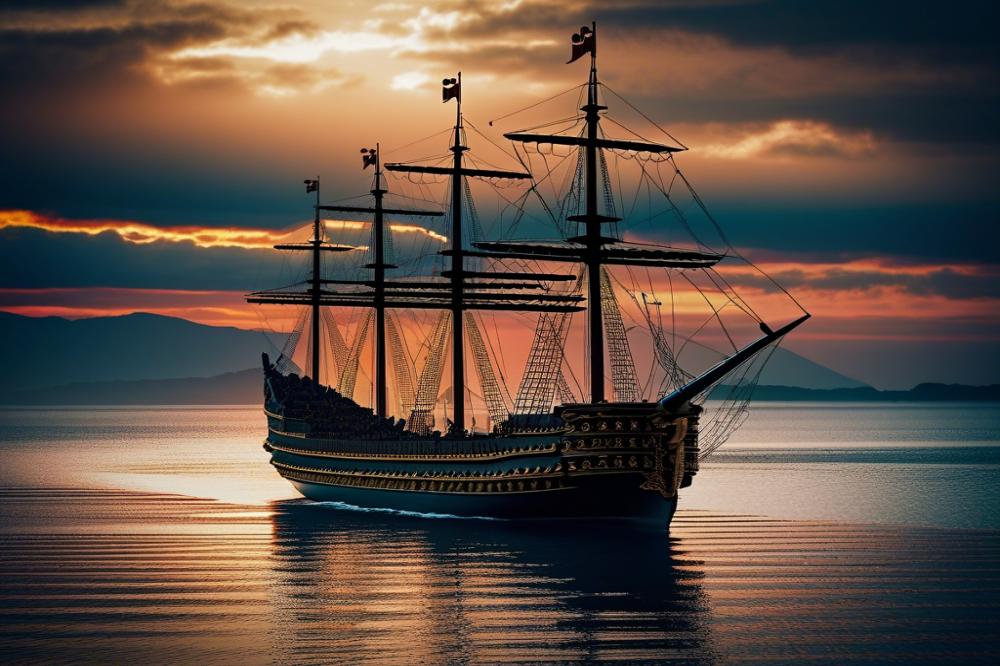
Triremes were among the most important vessels in the Roman navy during its formative years. These ships had a sleek design that allowed for speed and agility. Three rows of oars lined each side, manned by skilled rowers. The ship’s hull was narrow, which aided in cutting through water efficiently. With a massive ram at the front, they were crucial for engaging enemy ships. This design reflected advances in maritime technology that set the stage for effective ancient naval warfare.
Role in Ancient Naval Warfare
In battles at sea, triremes played a pivotal role. Their speed allowed for swift maneuvers, making them excellent for outflanking opponents. Ramming enemy vessels was a common tactic. Tactics evolved around these ships, enhancing fleet strategies. Success in naval battles often relied on the effectiveness of triremes. Their layout and function demonstrated clear military superiority over many competitors of the time.
Comparison with Other Ancient Vessels
When compared to other galley types, triremes stood out. quinqueremes, with five rows of oars, were larger but less nimble. Triremes could quickly change course, seizing opportunities during engagements. This agility made them preferable for many naval commanders. Other vessels, like merchant ships, lacked the features that made triremes effective in combat. Thus, they emerged as a premier choice for the Roman fleets.
Notable Naval Battles Involving Triremes
Several significant naval battles showcased the might of triremes. The Battle of Mylae in 241 BC highlighted their effectiveness against Carthaginian forces. Roman ships, with their skilled oarsmen, gained a tactical advantage. Another crucial encounter was the Battle of Ecnomus in 256 BC, where triremes battled for dominance in the First Punic War. Such military history illustrates how these vessels shaped outcomes of naval power in ancient times.
The Quinquereme: Advancements in Roman Ship Design
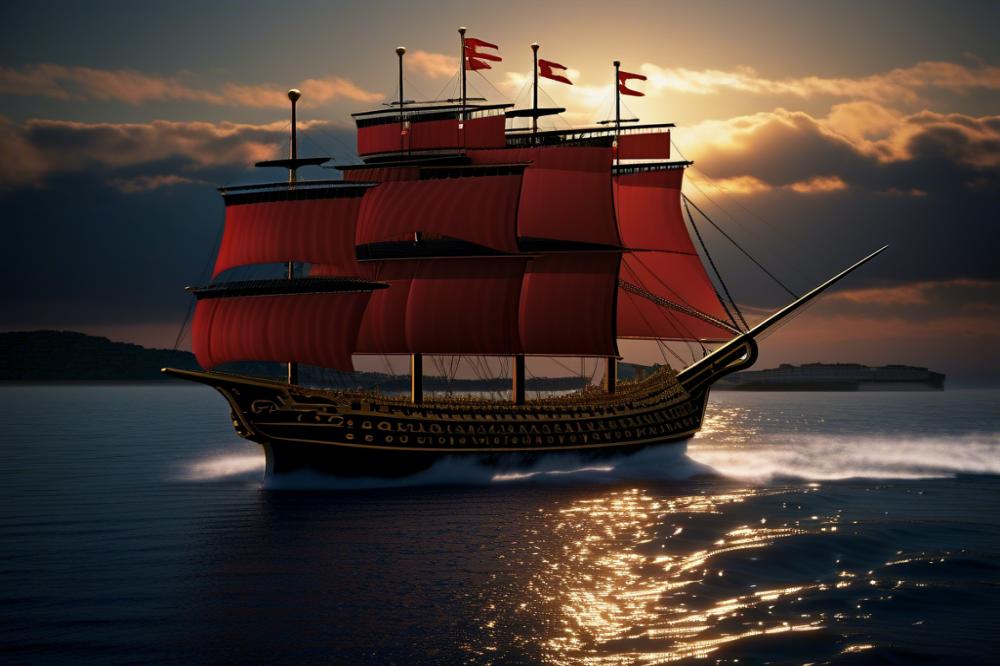
The quinquereme represented a significant evolution in ancient naval warfare. This ship type showcased several innovations that influenced maritime technology. Unlike the earlier triremes, which had three rows of oars, the quinquereme typically featured five. Each set of oars contributed to greater speed and maneuverability on the water. Its larger hull allowed for more troops and supplies, enhancing its role in naval battles.
When comparing quinqueremes and triremes, one notices several key differences. First, the design improvements included a wider beam and a sturdier frame. This construction made quinqueremes more stable during engagement. Additionally, their increased size provided more deck space, facilitating combat and coordination among sailors. Because of these advancements, quinqueremes became a dominant force in the Mediterranean.
Quinqueremes changed naval strategy significantly. Their capacity allowed for more soldiers, transforming how battles were fought at sea. Previously, naval skirmishes focused on speed and agility. Now, the emphasis shifted toward power and endurance. These ships could support longer voyages, enabling Rome to project its naval power far beyond its borders.
Several famous encounters highlighted the might of quinqueremes. During the Punic Wars, for instance, these ships played crucial roles in key battles. Their presence helped secure victories against enemies like Carthage. Tactical deployments of quinqueremes showcased Rome’s growing prowess in military history, shifting the contours of maritime engagements forever.
Innovations in ship design were not limited to the quinquereme alone. The evolution from triremes to quinqueremes set the stage for further advancements in naval technology. Perhaps the most notable development was the increased effectiveness in ramming tactics. Quinqueremes were designed for this purpose, allowing them to strike opposing vessels with greater force.
Other Types of Roman Ships
The Roman Navy featured a variety of galley types, each designed for specific purposes. Triremes and quinqueremes were among the most famous. These vessels played crucial roles in ancient naval warfare, excelling in speed and maneuverability. However, the Romans also employed other ships equipped for different functions.
Differences Between Lighter and Heavier Ships
Lighter ships, such as the bireme, typically had two rows of oars on each side. Their main advantage was speed, which made them effective for scouting missions and quick strikes against enemies. Heavier ships, like the quinquereme, carried more men and weapons. They were slower but powerful in naval battles. Each type’s design catered to its intended mission, highlighting the Romans’ strategic thinking in ship design.
Role of Transport Ships in Military Logistics
Transport ships were vital for moving troops and supplies. They supported military campaigns, ensuring that soldiers received necessary provisions. Without these vessels, sustaining long-term operations would be challenging. The Romans recognized that transport was just as important as combat. Military logistics depended heavily on effective maritime technology to keep their forces ready for battle.
Examples of Smaller Craft Used in Support Roles
In addition to larger galleys, smaller crafts played key support roles. Liburnians were swift and light, often used for patrol or escort duties. Another example is the “navigium,” a type of vessel ideal for reconnaissance. These smaller ships could navigate shallow waters and explore coastal areas. Their flexibility contributed to the overall effectiveness of the Roman ships in naval engagements.
Naval Battles and Tactics
The history of the Roman Navy is marked by several significant naval battles. One notable engagement occurred during the First Punic War. The Battle of Mylae in 260 BC showcased the might of Roman ships against the Carthaginian fleet. Rome’s innovative tactics turned a favorably lost situation into a decisive victory.
Triremes and quinqueremes played crucial roles in ancient naval warfare. The trireme, with its three rows of oars, excelled in speed and maneuverability. This design allowed for quick attacks and evasions. In contrast, the larger quinquereme, often used in fleet actions, boasted five rows of oars. Its size enabled it to deliver powerful ramming blows against enemy vessels.
Maritime technology greatly influenced tactics in naval battles. Romans adapted their ships to engage in combat more effectively. They developed the corvus, a boarding device that allowed troops to board enemy ships. Utilizing such innovations, they could capture vessels rather than simply sinking them.
Naval power shaped military history and the expansion of the Empire. Control of the sea ensured supply lines remained open for troop movements. Victories at sea often translated into territorial gains on land. For instance, the defeat of Carthage not only enhanced Rome’s naval capabilities but also paved the way for its dominance in the Mediterranean.
Ship design also played a significant role in warfare strategies. Each galley type had distinct advantages depending on the situation. Quick and agile triremes could outflank heavier vessels. Meanwhile, larger quinqueremes could withstand prolonged battles, thanks to their robust construction.
In summary, the tactical use of different warships drastically affected the outcomes of battles. The Roman Navy’s evolution highlighted the necessity of adapting to maritime challenges. Through these techniques, Rome established itself as a formidable power on the seas.
The Decline of the Roman Navy
The decline of the Roman Navy can be traced to various factors that gradually weakened its influence. One major issue was the shift in military strategy. As land battles became more prominent, fewer resources were allocated to naval power. The focus on ground troops diminished the importance of Roman ships, including triremes and quinqueremes, which had once dominated the seas.
Economic troubles also contributed to this decline. Maintaining a large fleet of ships required substantial financial backing. As the empire faced economic challenges, the ability to sustain a powerful navy diminished. Additionally, advancements in maritime technology by other cultures began to outpace Roman developments. Their ships could outperform the traditional galleys, leaving Roman naval power at a disadvantage.
Another significant factor was a decline in training and experience. Fewer naval battles meant diminished skills for sailors and commanders alike. The expertise that once characterized Roman naval warfare started to fade. These changes created a cycle that further eroded naval capabilities.
Impact of Changes in Military Strategy and Technology
Changes in military tactics significantly influenced naval operations. The emphasis shifted toward quick troop deployment on land rather than prolonged naval engagements. With this shift, Roman ships were often left in port rather than engaging enemies at sea. Meanwhile, opponents developed innovative techniques and ships that challenged Roman dominance.
Quinqueremes were once symbols of power, but they became less effective as warfare changed. Newer ship designs catered to different strategies, like faster and more agile vessels. This evolution left traditional Roman designs increasingly obsolete. The methods of attack evolved, rendering older warships less relevant in many of the new conflicts.
Legacy of Roman Naval Warfare and Ship Design
Wrapping Up the Roman Naval Evolution
Summary of Warship Types
The Roman fleet comprised several key types of warships. At the forefront were triremes, swift and agile vessels that played a vital role in early naval engagements. These ships were primarily designed for ramming enemy boats, showcasing their efficiency in battle. As time progressed, the introduction of quinqueremes marked a significant advancement in design. These larger ships could carry more men and heavier weaponry, dramatically altering naval tactics and warfare.
The Role of Maritime Technology
Maritime technology served as a critical factor in Rome’s naval success. Innovations in ship design allowed for increased speed and maneuverability. New techniques in shipbuilding contributed to the strength and durability of warships. Naval battles, therefore, became not only contests of brute force but also demonstrations of clever strategy and technological prowess. The unpredictable nature of the sea added another layer to conflict, making these battles both challenging and crucial.
Legacy of Roman Naval Power
The impact of Roman naval capabilities reverberates throughout history. Their techniques and designs laid the groundwork for future maritime powers. Many nations adopted Roman principles in naval warfare, which influenced their own shipbuilding strategies. A legacy of innovation persists, as the balance of maritime power continues to shape global politics. The lessons learned from Roman battles remain relevant, emphasizing the importance of a strong naval presence even today. Understanding this evolution highlights how essential control of the seas has been throughout history.

