
Walk Through Rome“>history at the Rome-s-hidden-gem”>Pantheon
Overview of the Pantheon’s Significance in Rome
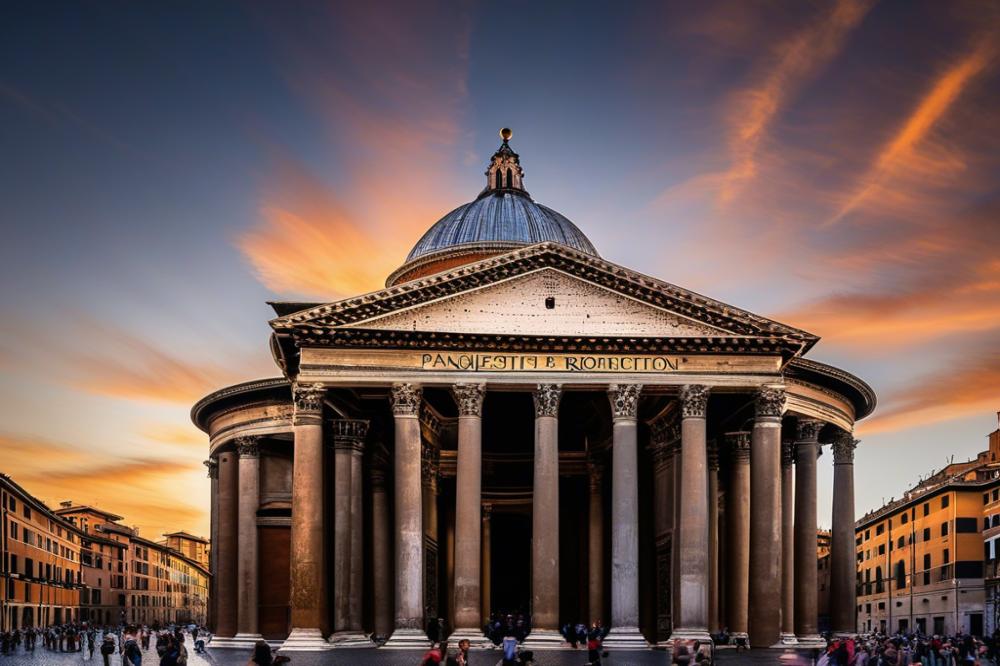
The Pantheon stands as a remarkable symbol of ancient Rome. It showcases the ingenuity of Roman engineering and unmatched architecture. This building has witnessed centuries unfold, making it a vital part of the city’s identity. Visitors often marvel at its grand dome structure, which still inspires awe. This site is not merely a tourist destination; it serves as a bridge connecting the past to the present.
Brief history of the Pantheon as a Historical Site
Constructed around 126 AD, this edifice was originally a temple dedicated to the gods of Rome. Over the years, it changed roles and became a Christian church. Such transformations highlight its adaptability through the ages. The preservation efforts over time have helped maintain its beauty and integrity, allowing people to experience its grandeur today. This building has preserved stories of triumph, worship, and innovation throughout history.
Importance of the Pantheon in Tourism and Cultural Heritage
As one of the most visited historical sites in Rome, it attracts millions each year. Tourists come not only to appreciate its artistic features but also to learn about ancient Roman culture. The stunning artwork and architectural details provide insight into historical practices. The Pantheon embodies the city’s rich cultural significance and serves as a reminder of its glorious past. Visitors leave with a deeper understanding of the role such spaces play in our shared history.
The Pantheon: A Masterpiece of architecture
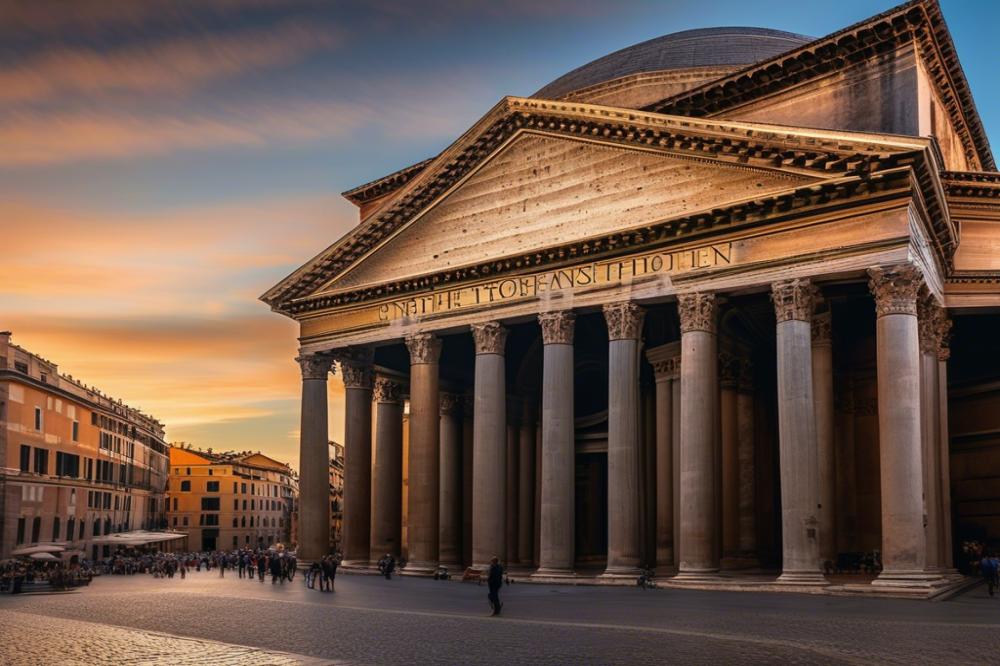
The structure stands as a remarkable example of Roman engineering and design. It boasts a large dome structure, which remains an architectural wonder. This dome spans over 43 meters in diameter, making it the largest unreinforced concrete dome in the world. A large oculus at the top allows natural light to flood the space, enhancing its beauty while creating a spiritual atmosphere.
Innovations in construction techniques played a crucial role in its creation. Romans utilized materials such as lightweight volcanic ash, which reduced the weight of the dome while maintaining strength. This approach demonstrates their advanced knowledge of engineering. Arches and vaults were also utilized to distribute weight effectively. Combining these techniques showcased Roman architectural skills that were ahead of their time.
When comparing this architectural marvel with other ancient Roman buildings, a distinct artistic vision emerges. Structures like the Colosseum and the Forum served different purposes, yet all reflect the grandeur of ancient Rome. While the Colosseum focuses on utility and function, the other highlights beauty and harmony. Each building contributes to the rich history and cultural significance of Rome.
Tourism thrives around this historical site. People around the world come to admire the artwork and craftsmanship. Preservation efforts are vital to maintain its integrity as well as the legacy of Roman engineering. Visitors are often left in awe of its scale and the intricate details seen throughout the interior.
Cultural Significance of the Pantheon
The Role of the Pantheon in Ancient Rome
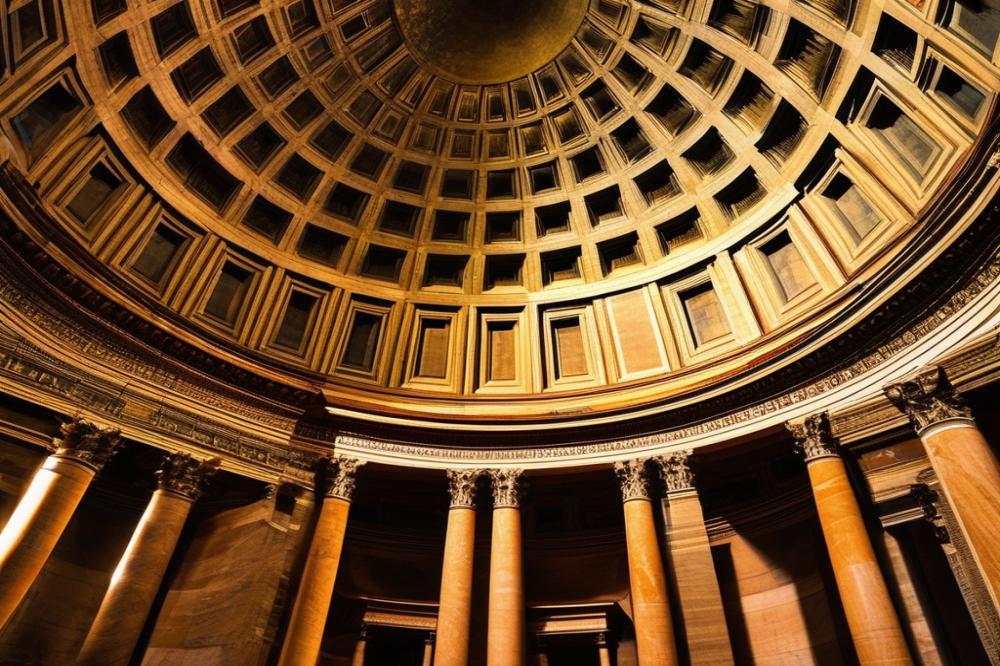
The Pantheon served as a temple dedicated to the Roman gods. Built around 126 AD, it represented the power of the Empire. Visitors would marvel at its massive dome structure and grand portico. This historical site became a central point in the lives of Romans. Its inscriptions and altars reflected the religious practices of the time. Pilgrims and citizens gathered here for various ceremonies, emphasizing its importance in ancient culture. Throughout history, it functioned as a symbol of both religion and civic pride.
Influence on Later Architectural Styles and Structures
Many architects have drawn inspiration from this iconic structure. Its revolutionary design influenced countless buildings throughout Europe and beyond. Renowned for its harmonious proportions, the dome architecture introduced new engineering techniques. Later constructions embraced the spirit of this masterpiece, including churches and governmental buildings. You see its impact in places like St. Peter’s Basilica in Vatican City. Its preservation over centuries showcases the dedication to maintaining this architectural gem.
Symbolism and Religious Importance in History
Throughout the ages, it has stood as a representation of the divine. Many viewed its circular design as symbolic of the heavens. Artists and architects alike admired its exquisite artwork and craftsmanship. It bridged the gap between a worldly space and the spiritual realm, making it significant in religion. The structure’s role evolved, becoming a Christian church in the 7th century. This transformation not only preserved it but also reinforced its place in history. Today, it remains a vital attraction for tourism, with visitors seeking to connect with its rich past.
Art and Decor within the Pantheon
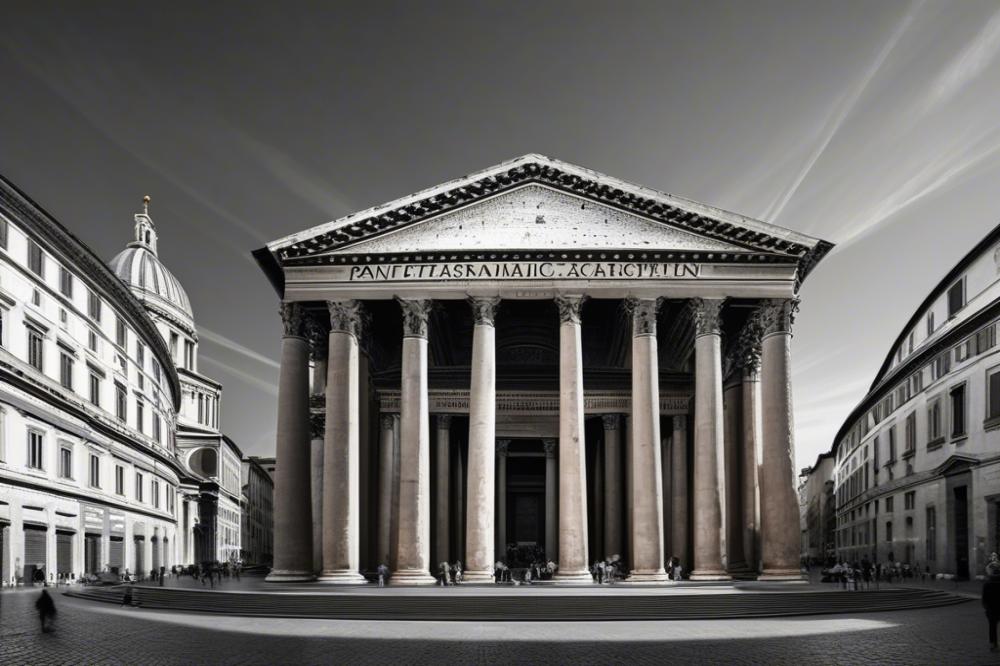
The interior of this historical site showcases an impressive array of artwork and sculptures that reflect the artistry of ancient Rome. Many works highlight the cultural significance of the place, alive with both religious and historical themes. Statues of gods and saints grace the niches, each telling a unique story. These pieces not only enhance the beauty of the space but also provide insight into the Roman mindset and belief systems.
Importance of the Oculus and Its Design
Radiant light pours through the oculus at the dome’s apex, creating a dramatic effect that captures the imagination. This architectural feature serves more than just a functional purpose; it symbolizes a connection between the earthly realm and the divine. As sunlight floods the interior, shadows and sunlight dance across the marble floor, showcasing the skill of Roman engineering. The oculus also plays a role in temperature regulation within the structure, allowing for air circulation in a space that might otherwise feel stagnant.
Preservation of Historical Elements and Artworks
Years of tourism and exposure can threaten the integrity of the artwork within this architectural marvel. Preservation efforts are crucial to maintaining the beauty and historical importance of each piece. Conservation techniques focus on protecting these invaluable artworks from damage while allowing visitors to admire them. The importance of safeguarding such elements cannot be understated; they represent a direct link to the past, bridging generations through their continued existence. Efforts among professionals and volunteers help ensure that this captivating history remains for future visitors to enjoy.
Walking Through History: The Visitor Experience
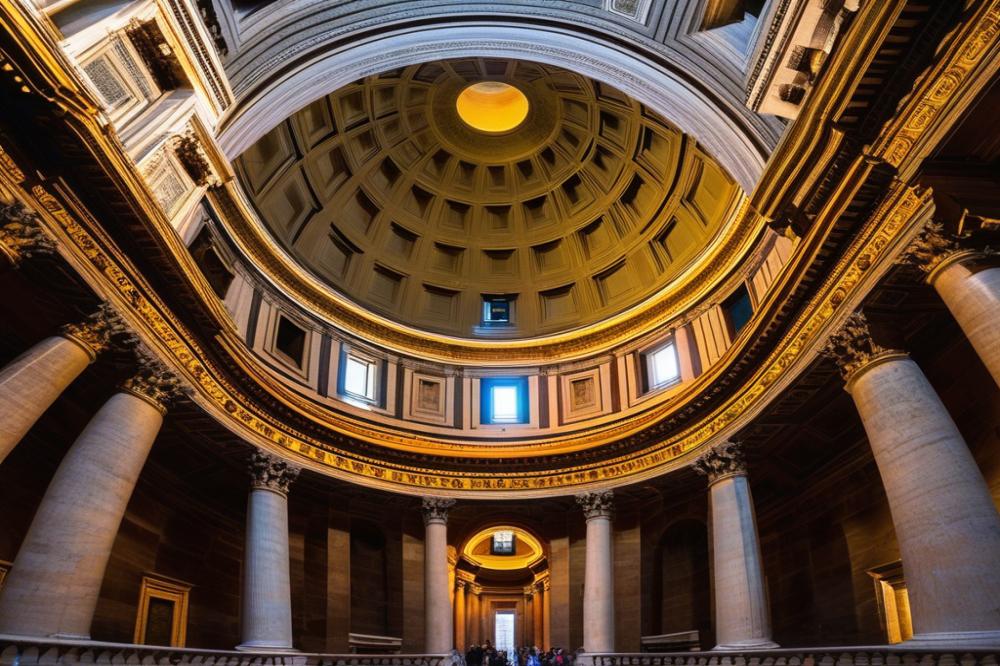
When visiting the Pantheon, tourists can expect a journey back in time. This incredible historical site offers a glimpse into ancient Rome and its grand architecture. The impressive dome structure and ancient artwork invite visitors to marvel at the ingenuity of Roman engineering. Each corner of this space tells a story, making every visit memorable.
Guided Tours, Audio Guides, and Informational Resources
Tourists have several options to enrich their experience. Guided tours provide detailed insights into the Pantheon’s cultural significance. Knowledgeable guides share captivating tales that bring history to life. Audio guides are also available, allowing visitors to explore at their own pace. These resources often highlight important aspects of the building’s history and architecture. Brochures and pamphlets offer further information, ensuring that no detail goes unnoticed.
Tips for Enhancing the Visitor Experience in Rome
Maximizing enjoyment in this historical marvel requires some planning. Arriving early can help avoid crowds, giving a peaceful ambiance to absorb the surroundings. Comfortable shoes are essential, as visitors may want to explore the nearby attractions as well. Take time to appreciate both the exterior and interior; every inch of this site has significance. Consider visiting during off-peak hours for a more intimate experience with the site. Finally, being open to conversations with fellow tourists can lead to shared insights and make the visit even more enjoyable.
Final Thoughts on Touring the Pantheon
The Pantheon stands out as a vital part of both tourism and history in Rome. Its grand architecture attracts millions of visitors each year. People come to admire the incredible dome and the intricate details of its structure. This building reflects the ingenuity of ancient Roman engineering. It tells stories from ages past, offering insights into a culture that has shaped much of the modern world.
Visitors are encouraged to make their trip a full Roman experience. Exploring the city’s rich historical sites will deepen one’s appreciation for this remarkable structure. Each street and square has tales waiting to be uncovered. A visit to the Pantheon can be more than just a stop; it can be part of a larger journey through time. Dive into the history of Rome, and the significance of the Pantheon will become even clearer.
In today’s society, this ancient marvel still holds undeniable significance. It serves as a symbol of resilience and creativity. Art, films, and literature often draw inspiration from its timeless beauty. By studying the Pantheon, people connect with history in a personal way. Learning about such places fosters a sense of belonging to something greater than oneself. Understanding this monument not only enriches one’s knowledge but also highlights the continuous influence of the past on our contemporary lives.

