
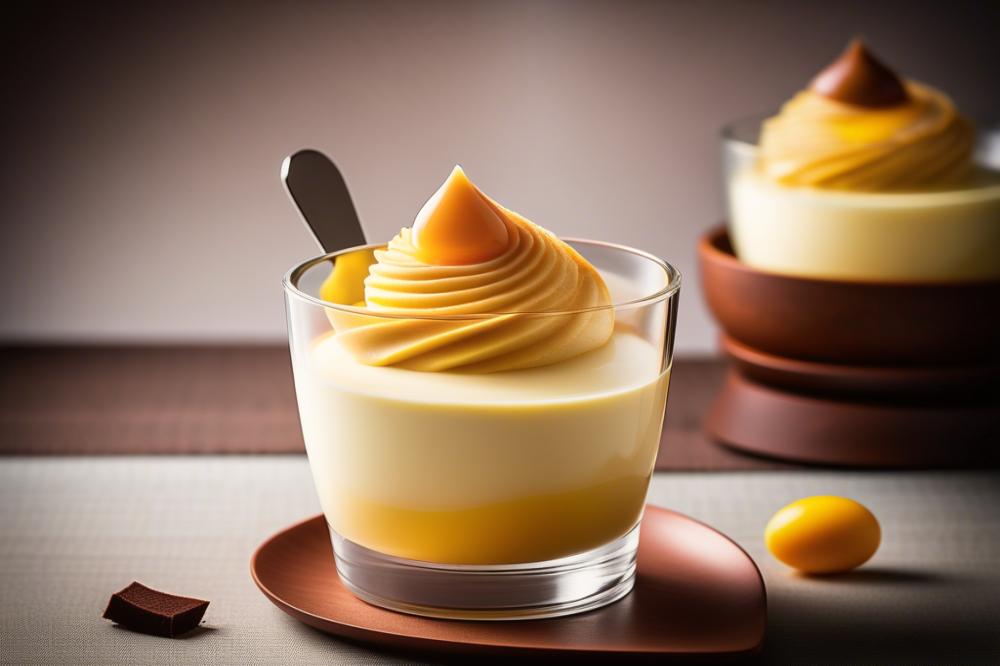
Why Italians Love Zabaione: The Sweet and Creamy Chocolate-of-turin”>egg dessert
Zabaione is a cherished Chocolate-of-turin”>egg dessert loved by many across Italy. Known for its smooth and creamy texture, this sweet treat finds its way onto tables during celebrations and special occasions. The delightful combination of simple ingredients such as egg yolks, sugar, and Marsala wine creates a rich dessert that can be enjoyed on its own or as a sauce.
The significance of this traditional Italian recipe cannot be overstated. While many people have their favorites, many regions boast unique spin-offs, showcasing local flavors. Regardless of these variations, the essential characteristics remain—creamy and sweet.
This egg dessert is not just an indulgence; it reflects the heart of Italian cuisine. Homemade zabaione often accompanies fresh fruit or serves as a luscious topping for cakes and other decadent dishes. Whether baked or served as a dessert sauce, it embodies the soul of Italian culinary tradition, celebrating the art of simple ingredients transforming into something extraordinary.
Marsala wine plays a crucial role in giving it depth. Its addition heightens the velvety richness, making it irresistible. Hence, zabaione has earned its place as a classic among Italian desserts.
The History of Zabaione
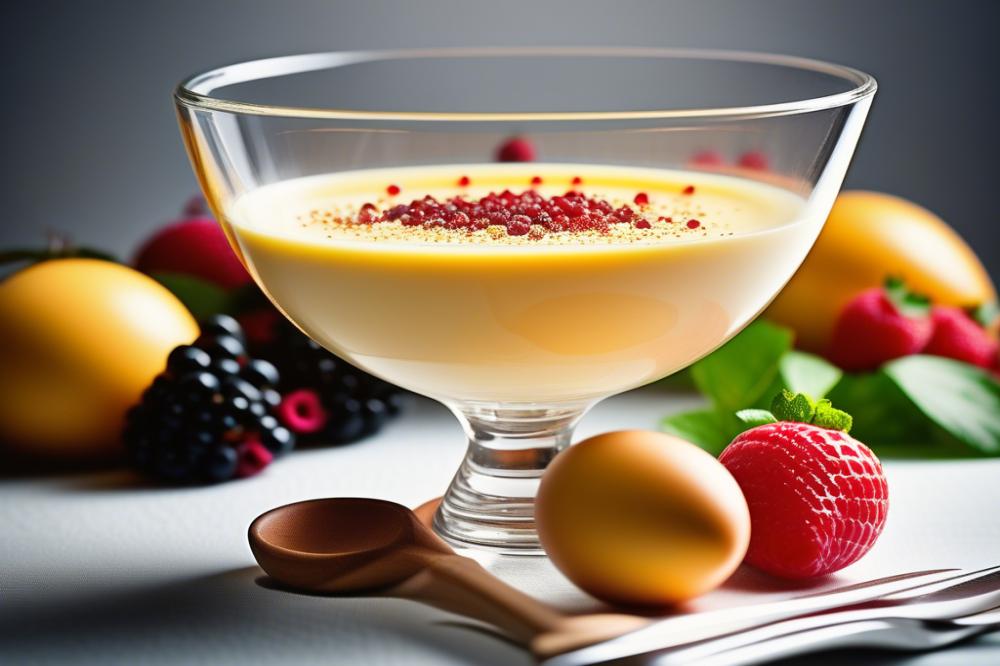
The egg dessert known as zabaione has deep roots in Italy’s rich culinary tradition. It is believed to have originated in the Piedmont region during the Renaissance. By the 16th century, this creamy dessert became popular among the aristocracy. They enjoyed its sweet blend of eggs, sugar, and Marsala wine, making it a luxurious treat. Over time, recipes for this sweet treat spread across the country.
Cooks began to create regional variations, using local ingredients. In some areas, they might incorporate mascarpone to add richness. Others experimented with different wines or spices to enhance the flavor. These adaptations show how zabaione has evolved, reflecting the diverse landscape of Italian cuisine.
The process of making homemade zabaione can be quite simple, yet it requires attention. Traditionally, the mixture is whisked over a double boiler until it thickens. This creates a light and airy texture that many find irresistible. Chefs and home cooks alike take pride in their ability to craft the perfect creamy dessert. Dessert sauces made from this base can also accompany a variety of other dishes.
Many Italians associate this delightful treat with personal stories and cherished moments. Being served a bowl of zabaione is a warm invitation into a cultural experience. It embodies the spirit of Italian hospitality, where food brings people together. No meal feels complete without such a beloved delicacy.
Ingredients and Preparation
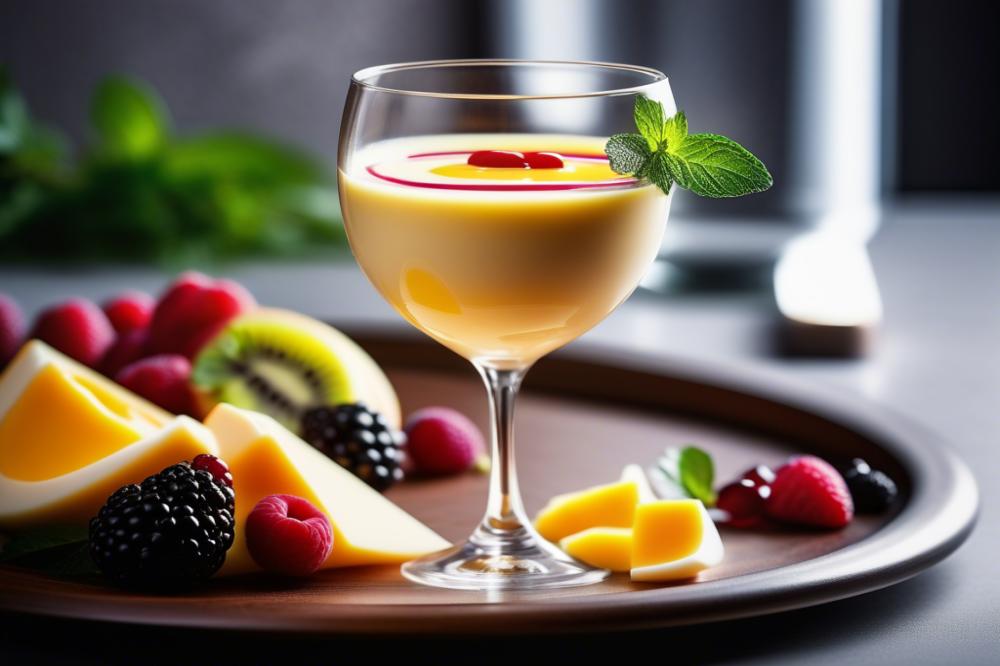
The key components of this famous egg dessert include fresh eggs, granulated sugar, and Marsala wine. Egg yolks serve as the base, creating a rich and creamy texture. Sugar adds the sweetness, balancing the flavor perfectly. Marsala wine, a fortified wine from Sicily, brings depth and a hint of warmth to the dish.
To prepare homemade zabaione, begin by separating the egg yolks from the whites. Place the yolks in a heatproof bowl and whisk them along with the sugar. The mixture should become pale and fluffy. Next, add the Marsala wine gradually while continuing to whisk.
Set the bowl over a pot of simmering water. This method, known as a double boiler, helps to gently heat the ingredients. As the mixture warms, whisk vigorously. The goal is to achieve a creamy consistency that is thick enough to coat the back of a spoon.
This sweet treat can be served warm or cold. One can pour it over fresh fruits, homemade cakes, or even use it as a filling for pastries. In addition to its classic form, you might find various regional variations across Italy. Some might incorporate mascarpone for added richness, while others experiment with different wines.
Experimentation is encouraged. The versatility of this creamy dessert captivates many. While traditional Italian recipes emphasize its classic form, each family might have their own unique twist, which reflects their culinary heritage. This is what makes the egg-based delight an essential part of Italian cuisine. Enjoying it becomes more than just tasting; it’s an experience steeped in culture and tradition.
Regional Variations of Zabaione
Throughout Italy, the creamy dessert known for its egg-based richness celebrates countless regional variations. Each area brings its own twist to this beloved sweet treat. Flavors and ingredients often differ, reflecting local tastes and traditions. Some versions incorporate local wines, while others may feature different types of cream or sweeteners.
In the north, particularly in Piedmont, zabaione often makes use of Moscato wine. This sweet sparkling wine adds a delightful aroma, enhancing the classic egg dessert’s flavor. The texture remains silky, but the lighter notes distinguish it from other regions. Northern Italians enjoy serving this version with fresh berries or even as a topping on cakes.
Traveling south, Campania offers a fascinating take by including mascarpone. This rich cheese creates a thicker, creamier consistency. The addition elevates the dessert, making it feel more indulgent. Many locals also enjoy zabaione with a hint of citrus zest, which adds brightness to the dish.
In Sicily, the traditional Italian recipes might introduce a drizzle of chocolate or a layer of crushed nuts. This addition transforms the simple creamy dessert into a more complex and exciting experience. Some locals even enjoy it in a glass, layered with rich coffee or espresso, combining several flavors into one delightful offering.
Florence presents its own style, using a combination of Marsala wine and vanilla. This variation is known for its luxurious flavor profile. A hint of vanilla perfectly balances the sweetness, making every spoonful memorable. Typically, Florentines serve this dessert sauce alongside pastries, allowing everyone to enjoy a unique pairing.
For those eager to try their hand at homemade zabaione, regional differences inspire creativity. Each follower of Italian cuisine finds joy in experimenting with local ingredients. The result not only reflects the tradition of their region but connects them to a broader cultural heritage as well.
Zabaione in Contemporary Italian Cuisine
This classic egg dessert has made a significant mark on modern Italian cuisine. While its roots remain deep in traditional Italian recipes, chefs now adapt it in exciting ways. The creamy dessert is no longer just a standalone treat. Instead, it serves as an essential component in many innovative dishes.
One popular trend is the pairing of this sweet treat with mascarpone. Mixing the two creates a luxurious filling for pastries or a layer in desserts like tiramisu. The combination offers both richness and a silky texture that delights the palate. Chefs often experiment with flavors, introducing ingredients like fruit purees or chocolate, allowing for various regional variations.
Fruit complements the creamy goodness exceptionally well. Fresh berries, figs, or citrus add brightness and acidity, balancing the sweetness of the dessert sauce. Many restaurants now present it as part of a deconstructed dessert, showcasing the elements separately while maintaining a beautiful presentation.
Adapting traditional flavors with contemporary techniques also plays a key role. Homemade zabaione can be whipped into a mousse or used to create decadent frostings. This versatility reflects the evolving nature of Italian cuisine, where classic flavors merge with new ideas. The addition of Marsala wine continues to give a nod to its origins while enriching the dish’s depth.
Furthermore, this egg dessert is not just reserved for after meals. Some now incorporate it into breakfast offerings. For instance, it can drizzle over French toast or pancakes, giving a luscious twist to the morning routine. Smart adaptations have enhanced its appeal without losing sight of what makes it special.
Why Zabaione Remains a Favorite
Zabaione, a creamy egg dessert, holds a special place in Italian hearts. This sweet treat is not just another dessert; it’s a symbol of comfort and nostalgia. Many Italians associate this dish with cherished family memories. When a batch of homemade zabaione is served, it often transports people to their childhood kitchens.
Traditionally, Italians prepare it with eggs, sugar, and sweet Marsala wine. The process is straightforward, yet it offers room for personal touch. Families often pass down traditional Italian recipes from generation to generation. Each household may have its twist, leading to delightful regional variations. Different areas in Italy might favor local wines or unique flavors, adding to its charm.
Cultural significance plays a big role in the appeal of this dessert. Zabaione appears at celebrations and special events, marking moments of joy and togetherness. During holidays, relatives gather and share stories over bowls of this delicacy. Its smooth texture and sweet flavor create a sense of warmth, making it perfect for any occasion.
Serving it with berries or mixing it with mascarpone elevates this creamy dessert. Many appreciate the versatility it offers, whether enjoyed alone or as part of a larger spread. Dessert sauces often complement it well, creating delightful combinations for the palate.
This dessert’s simplicity also lends to its enduring popularity. People love cooking it at home, experimenting with recipes, and indulging in the process. You can whip it up quickly, making it appealing for busy families. The ease of preparation allows even novice cooks to feel accomplished.
Overall, zabaione remains a beloved part of Italian cuisine. Its rich flavors and comforting nature ensure it remains a favorite for many. Despite changes in food trends, this egg dessert continues to capture the hearts of those who enjoy it. A taste of zabaione invites everyone to slow down, savor every bite, and create lasting memories.
Final Thoughts
Italy’s love for this creamy dessert is deeply rooted in its culinary tradition. Zabaione symbolizes not just a treat, but also moments of joy spent with family and friends. Historically, this egg dessert has been served during celebrations, making it a staple at many Italian gatherings. Its luscious taste and airy texture make it a unique indulgence.
Making this delight at home is both rewarding and fun. Simple ingredients combine to create a dish that feels special. The process of whisking and folding brings a sense of accomplishment. Each spoonful evokes rich flavors that transport you to Italy itself.
Exploring the world of zabaione opens up many avenues for creativity. Many variations allow for personal twists, catering to different tastes. Whether served alone or paired with fresh fruit, this dish is sure to impress.
So why not give it a try? Dive into the art of crafting this beloved Italian treat. Experience the warmth and tradition it brings to the table. You will discover why it holds such a cherished place in hearts and homes across the nation.

