

Introduction
In Italy, Italy-s-sardinian-mountains”>wild deer inhabit a variety of landscapes, from lush forests to rolling hills. These graceful creatures contribute significantly to the region’s biodiversity. They play essential roles in the ecosystem, helping to shape vegetation and providing food for predators. Many wildlife enthusiasts seek them out, captivated by their beauty and the thrill of spotting them in the wild.
Opportunities for deer spotting arise in numerous national parks and nature reserves throughout the country. Popular locations include the great wilderness of Abruzzo, the charming hills of Tuscany, and the rugged terrain of Calabria. Amidst hiking trails, visitors can discover the rich habitats where various deer species thrive, such as the roe deer and the red deer.
For nature lovers, Italy offers a wealth of experiences. Observing these animals in their natural surroundings can create unforgettable moments. So whether you’re an avid hiker or simply love wildlife, keep your eyes peeled. You never know when you might catch a glimpse of these magnificent animals in their native habitat.
Understanding wild deer Species in Italy
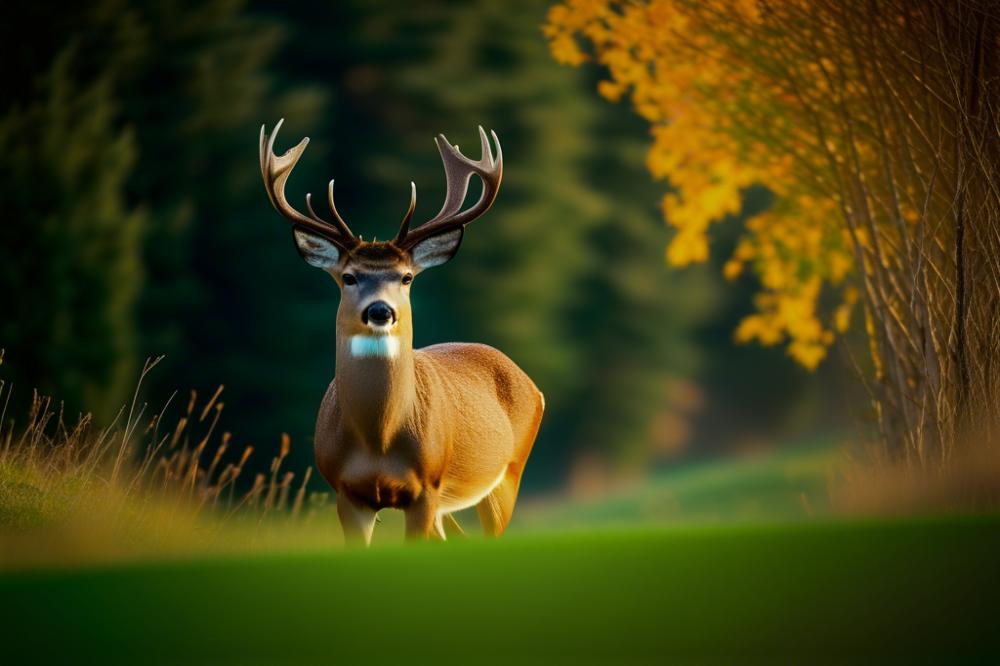
Italy is home to several deer species that can delight wildlife enthusiasts. Among the most notable is the Roe deer, a small and graceful creature found throughout the country. This deer prefers woodlands and farmlands, where it can easily find food and shelter. Spotting Roe deer is often easiest at dawn or dusk, when they are most active. Their reddish-brown coats become a stunning sight, especially during the summer months.
White-tailed deer also inhabit parts of Italy, particularly in regions like Tuscany and Calabria. These deer have a distinctive tail that raises when they feel threatened. They thrive in a variety of habitats, including forests and swamps. Grazing on grasses and shrubs in these areas, they play a vital role in the ecosystem. National parks and nature reserves provide a safe haven for these animals, allowing them to flourish.
The Muflon, a wild sheep often misidentified as a deer, lives in the hilly areas of Sardinia and Corsica. Its curled horns and sturdy build make it unique in appearance. Unlike other deer species, Muflon prefer rocky terrain and open meadows for grazing. They are known for their agility on steep slopes, making hiking trails in their habitats prime spots for deer spotting.
Understanding these deer species helps illustrate their role in biodiversity. Each type contributes to the health of the environment. While Roe deer and White-tailed deer maintain vegetation through grazing, Muflon help shape the landscape by browsing on various plant species. Observing these animals in their natural habitats creates awareness of wildlife conservation efforts.
Regions like Abruzzo boast rich ecosystems where these deer species roam. Here, visitors can explore trails that offer chances to see them in action. As diverse as the landscapes they inhabit, these deer exhibit different behaviors depending on their surroundings. Calming early morning walks may reward hikers with the sight of a Roe deer gracefully leaping through the trees or a Muflon climbing past rocky outcrops.
Top Locations for Deer Spotting in Italy

Parco Nazionale d’Abruzzo
Parco Nazionale d’Abruzzo is one of the oldest national parks in Italy. Nestled in the heart of the Abruzzo region, it offers stunning landscapes of mountains and dense forests. Visitors come here to see the Apennine deer, a rare species native to this area. The park is rich in biodiversity. Hikers can explore numerous trails while taking in breathtaking views. Deer spotting occurs best during the early morning and late afternoon hours. Additionally, wildlife enthusiasts may also encounter wolves and golden eagles.
Casentinesi Forest
This beautiful forest straddles Tuscany and Emilia-Romagna. Known for its ancient trees and tranquil atmosphere, Casentinesi Forest is a prime spot for observing various wildlife. It is home to the elusive Roe deer. Nature lovers appreciate the dense underbrush and clear streams, which create a habitat rich with life. Hiking trails wind through the forest, inviting exploration. Birdwatchers find this area appealing too. The quiet trails often lead to unexpected wildlife encounters.
Pollino National Park in Calabria
Pollino National Park is the largest protected area in Italy. Located in Calabria, it boasts a mix of rugged mountains and rich flora. The park features diverse habitats, from alpine meadows to dense forests. Here, one can find the majestic red deer roaming freely. Scenic hiking trails allow visitors to venture deep into the park’s beauty. With its varied ecosystems, Pollino supports a wide array of animal life. Cloudy days might offer the best chance to spot deer moving about in the coolness.
Exploring Hiking Trails for Deer Sightings
Deer sightings can turn a simple hike into a memorable adventure. In Italy, many regions offer fantastic trails for discovering these animals. Tuscany is known for its diverse landscapes, which are perfect for spotting deer in their natural environments. Travelers often choose this region for its picturesque hills and rich biodiversity.
Some popular hiking trails include the Casentino Forests, Monte Falterona, and Campigna National Park. Here, visitors have good chances of seeing deer species like the Muflon and local roe deer. Early mornings or late afternoons are the best times for deer spotting, as these animals are most active during these periods.
Calabria features stunning nature reserves, such as the Aspromonte National Park. Hikers can explore paths that weave through dense forests and hills. The chance of encountering wildlife increases with a little patience. Observing deer requires a quiet approach, as noise can easily scare them away.
Abruzzo, another notable region, offers expansive hiking trails in its national parks. The Gran Sasso and Monti della Laga National Park is particularly popular. This park boasts breathtaking views and a rich variety of flora and fauna. Spotting deer here becomes an exciting challenge amid the rugged mountains and lush valleys.
When getting ready for a hike, proper equipment is essential. A good pair of binoculars will help spot deer from a distance. Wear comfortable shoes suitable for uneven terrain. Additionally, dressing in muted colors can aid in blending with nature, minimizing disturbance during sightings.
Bringing water and snacks is wise for any hiking adventure. Weightless backpacks will make the journey easier. Hikers should plan their routes ahead of time, considering both the trail length and difficulty. This preparation will allow for an enjoyable day in the wild.
Conservation and Biodiversity of Deer in Italy
Italy faces challenges with its deer populations. Different deer species thrive across various regions, including Calabria, Tuscany, and Abruzzo. Some are flourishing, while others are at risk. Protecting these animals is vital for maintaining biodiversity. Biodiversity enriches ecosystems, making them more resilient to change and disturbance.
National parks and nature reserves play a crucial role in protecting deer habitats. These areas serve as safe havens, allowing wildlife to roam freely. Hiking trails offer opportunities for nature lovers to see deer in their natural surroundings. Encountering them in the wild can be a rewarding experience.
Conservation initiatives help monitor and support these creatures. Programs aimed at habitat preservation contribute to the well-being of deer. Protecting their natural environments is essential for the survival of local populations. During the breeding season, healthy habitats promote healthy reproduction.
Local communities often get involved in wildlife protection efforts. Educating the public about the importance of these species helps foster a greater appreciation for nature. Collaborative projects between governmental organizations and local groups enhance conservation outcomes. Every effort counts when preserving ecosystems for future generations.
Wild deer play specific roles in their habitats. They contribute to the balance of plant life and help manage forest growth. Protecting these species is not just about individual animals; it is about the entire ecological community. As deer thrive, so do other plants and animals that depend on the same resources.
Monitoring deer populations is necessary for understanding their status. Biologists conduct surveys and research to assess their numbers and health. These scientific efforts inform management strategies that aim to support populations. Effective policies rely on solid data and community engagement.
With the right balance of protection and community involvement, deer species can flourish in Italy. The unique landscapes of the country provide ideal settings for these animals to thrive. Observing them in their natural splendor is a reminder of the beauty of Italy’s rich wildlife and natural heritage.
Cultural Significance of Deer in Italian History
Deer have left a mark on Italian culture throughout the centuries. In art, they are often seen as symbols of grace and beauty. Artists have painted them in various settings, showing their importance in nature. The famous Italian Renaissance brought many depictions that celebrated wildlife, including these gentle creatures. Folk tales often reflect the admiration for deer and tell stories of their mystical connections to nature.
Hunting was an integral part of Italian history. For many families, it offered food and resources. Skilled hunters roamed the forests, tracking deer through rugged terrains. Unfortunately, this practice also impacted deer populations. Overhunting in certain regions made it necessary to implement conservation measures. This shift aimed to restore balance to ecosystems where various deer species once thrived.
National parks and nature reserves across Italy now protect these wonderful animals. In regions like Calabria and Tuscany, dedicated efforts help sustain deer habitats. These areas have become great spots for deer spotting and appreciating wildlife. Hiking trails lead adventurers through serene landscapes, revealing the biodiversity of the Italian countryside. Many visitors come to witness the beauty of deer in their natural settings.
Traditional celebrations also highlight the relationship between people and these animals. Festivals may showcase hunting traditions or celebrate the beauty of nature in other ways. Stories passed down through generations often include encounters with the graceful creatures. They symbolize the enduring connection between humanity and the wild. Maintaining this bond is essential for future generations to understand the value of wildlife.
In places like Abruzzo, locals have a deep respect for all creatures. Awareness campaigns educate communities about the importance of protecting deer and their environment. People learn to appreciate the role these animals play in maintaining the health of their ecosystems. Efforts to conserve populations focus on sustainable practices while allowing for recreational activities. These initiatives reflect a growing appreciation for the natural world and its inhabitants.
Final Thoughts
In closing, we’ve explored Italy’s wonderful landscapes where these majestic creatures roam. Various regions, including national parks and reserves, offer opportunities for deer spotting amidst stunning natural beauty. Each area boasts its own unique charm, whether it’s the rolling hills of the Apennines or the lush forests of Tuscany.
Visitors can truly immerse themselves in Italy’s rich wildlife. Observing these animals in their habitat can be a rewarding experience. It fosters a deeper understanding and appreciation of nature’s delicate balance. Conservation efforts play a vital role in protecting these species and their environments, reminding us of our responsibility to them.
As you venture out, be mindful of the surroundings. Respecting nature ensures that these incredible moments can be shared with future generations. Exploring Italy’s wild spaces brings a sense of adventure and wonder. So grab your binoculars and venture out. Witness the beauty of the Italian wilderness and the enchanting deer that call it home.

