
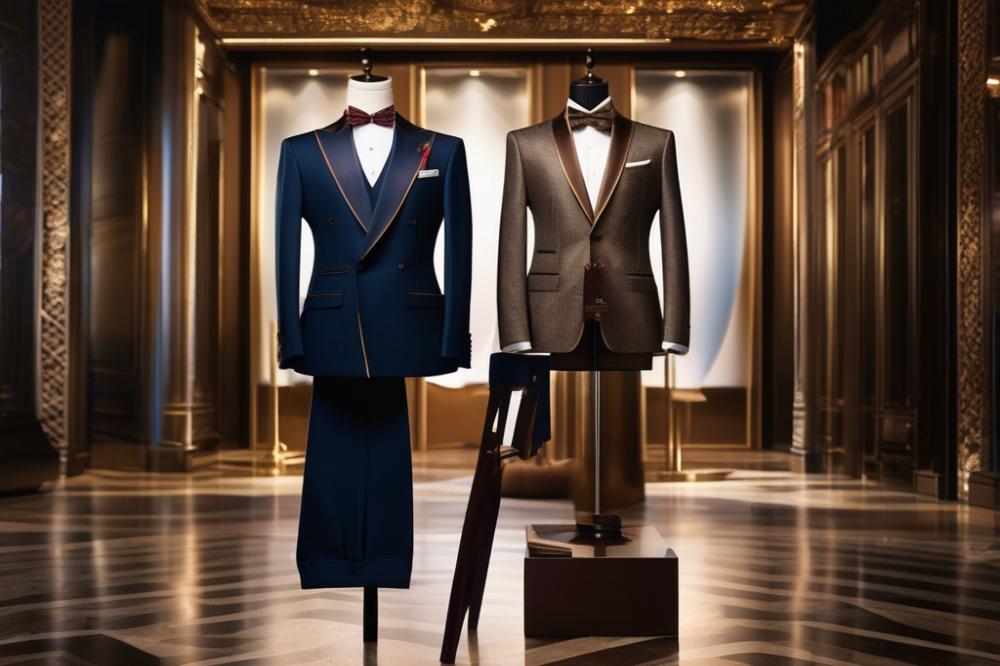
The Evolution of the fashion-the-rise-of-eco-friendly-italian-brands”>Italian Suit: A fashion-stands-for-elegance-and-quality”>Tailoring Masterclass
Italian fashion is renowned for its luxurious appeal and sophisticated designs. The world admires it for its effortless style and emphasis on quality. Tailors from Italy have set a benchmark in the industry that others strive to reach. This legacy of excellence and innovation continues to shape what we know about fashion today.
The significance of the Italian Suit in the global fashion landscape cannot be overstated. It represents a blend of artistry and craftsmanship that elevates the concept of dressing well. Men worldwide covet this tailored masterpiece, recognizing its symbolism of elegance and status. History plays an essential role here, as each stitch tells a story of refinement passed down through generations. Every suit embodies the tailored perfection of artisans dedicated to the craft.
Diving into the essence of this Tailoring Masterclass, we explore fundamental techniques that make these garments truly bespoke. From the choice of fine fabrics to the intricate details in fitting, each element contributes to the finished product. Tailoring is not merely a process; it’s a form of art that requires patience, skill, and creativity. Discovering how to create an Italian suit is an exploration of incredible craftsmanship and rich heritage.
Style knows no bounds in Italy, and this is reflected in the legacy of its suits. It transcends trends and defines a standard for luxury that remains timeless. While the world of fashion constantly evolves, the hallowed traditions of Italian tailoring stand as a testament to the power of well-crafted clothing. Prepare to embark on a journey through the captivating world of the Italian suit and the artistry behind it.
The History of the Italian Suit
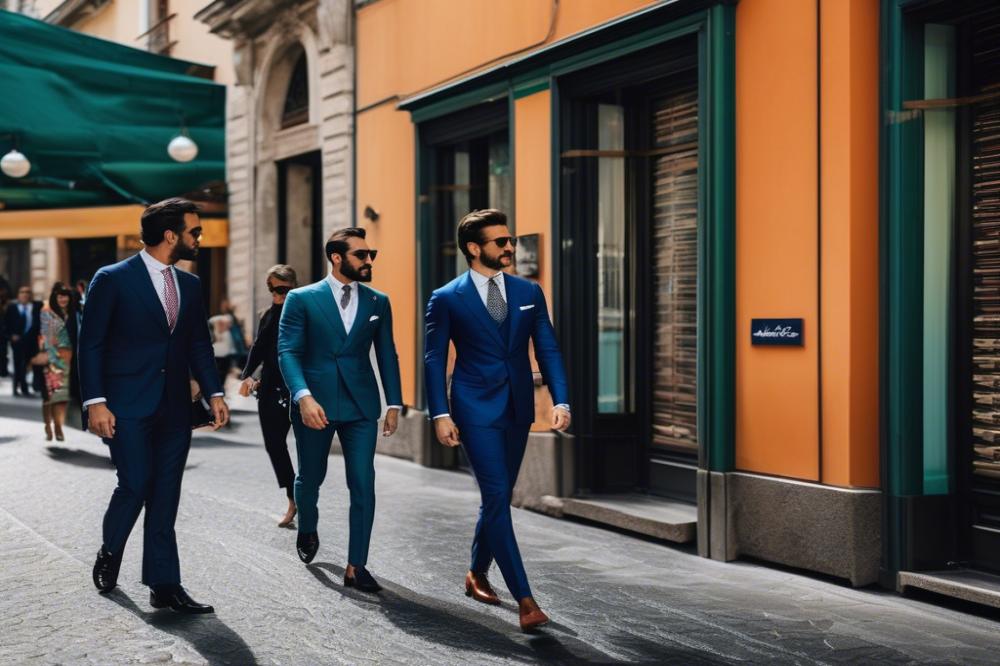
Italy has a rich heritage in tailoring. The origins of artisan clothing in this beautiful country trace back to the Middle Ages. Guilds emerged, promoting the art of fashion. These early groups played a key role in establishing quality and craftsmanship. Skill was passed from tailor to apprentice, creating a legacy that continues today.
Through the centuries, fashion in Italy evolved significantly. In the Renaissance, wealthy patrons sought distinct styles made from luxurious fabrics. This era celebrated artistry and encouraged tailoring techniques that accentuated fit. Each garment told a story of personal style and social status.
Key Historical Figures and Moments in Italian Fashion
Several figures shaped the landscape of Italian fashion. Crafting his empire in the 20th century, Gianni Versace revolutionized how men viewed suits. His bold designs captured attention and demanded innovation. Additionally, Giorgio Armani changed menswear forever. With a focus on relaxed elegance, he introduced a new standard in fit and fabric choice.
Moments in history also impacted fashion. The post-war period brought economic growth and a thirst for luxury. Italian tailoring transformed with the rise of ready-to-wear lines. However, bespoke options remained a staple for those desiring a personal touch. Tailors began to infuse their creations with modern designs while keeping traditional methods alive.
Italian suits today reflect a blend of history and contemporary flair. They symbolize the marriage of style and comfort. The artistry involved is undeniable, with meticulous attention to detail at every stage. Each piece represents a commitment to quality and individuality.
Craftsmanship and Artistry in Italian Tailoring

Bespoke tailoring is more than just a way to make clothing. It involves crafting a unique suit that fits an individual’s body perfectly. When someone orders a bespoke suit, they are not simply buying fabric and stitches. They are investing in a piece that reflects their personality and style.
Italian craftsmanship stands out because of its distinct techniques. Tailors pay attention to every detail, from the choice of fabric to the finishing touches. Hand-stitched lapels and hand-rolled collars are common features. Each stitch tells a story. This hands-on approach creates a garment that feels alive, breathing with tradition and modernity.
Artisanship plays a crucial role in the tailoring process. Experienced tailors often spend years honing their skills. Their understanding of fabric and fit allows them to create suits that are not only stylish but also comfortable. Patterns must be meticulously measured and cut. The art of creating a suit is a dance between fabric, cut, and design.
Fashion lovers appreciate the details that make Italian suits so luxurious. The soft shoulder line, the precise drape, and the elegant silhouette all contribute to an impeccable look. Tailors leverage their knowledge of history and trends to craft pieces that withstand the test of time. Each suit becomes a timeless statement in the world of style.
Choosing the right suit involves more than just aesthetics. It requires an understanding of one’s personal style and the craftsmanship that goes into making it. Quality materials paired with expert tailoring create a garment that feels just right. This blend of artistry and technique offers an experience that is truly unique.
Key Tailoring Techniques

Traditional Italian tailoring methods have a rich history. Master tailors have passed down their knowledge through generations. Techniques like hand-stitching and draping add unique character to each suit. This craftsmanship emphasizes not only beauty but also durability. Bespoke suits benefit from these age-old practices, offering a personal touch that factory-made clothing simply can’t match.
Fit plays a crucial role in the art of tailoring. A well-fitted suit highlights the wearer’s physique. Each alteration is an essential step in the process to achieve perfection. Luxury lies in how a suit complements and enhances an individual’s style. When fabric choices align with personal preferences, the outcome is a masterpiece.
Innovations have also shaped how we view Italian design. Designers have introduced techniques that marry traditional artistry with modern technology. Sophisticated cutting methods create clean lines that speak to contemporary fashion. New fabric blends provide comfort while maintaining timeless elegance. Such advancements reflect a balance between heritage and innovation, ensuring that each suit tells its own story.
Distinctive fabrics contribute greatly to the overall experience of wearing a suit. Choices like fine wool or luxurious silk resonate within the fashion world. Elevated textiles not only look stunning but also feel exceptional against the skin. Tailoring techniques have adapted to accommodate these high-quality materials, enhancing the tailored silhouette. Consequently, the fusion of fabric and fit creates impressive visual aesthetics.
Italian designers set the standard for sartorial excellence. They highlight the importance of individual style while mastering the craft. Each creation is a blend of functionality and artistry, appealing to those who value luxury. This artistry showcases how tailoring evolves continually while honoring its roots in craftsmanship. As styles change, the core principles of fit and design remain steadfast.
Style and Luxury in the Italian Suit
The world of Italian tailoring is an esteemed realm, with its roots deeply steeped in history. Each region boasts its own distinct style. The Neapolitan suit, for example, embraces a relaxed fit and soft construction. This style allows for greater movement while highlighting the wearer’s natural lines. Milanese suits, on the other hand, showcase a more structured silhouette. They often emphasize sharp tailoring techniques that exude professionalism and power.
Luxury plays a crucial role in the appeal of these garments. Fine fabrics such as cashmere, silk, and wool elevate the overall experience. Different textures and weights breathe warmth or coolness into the designs, depending on the season. Italian masters know how to select the right material for each suit, ensuring that comfort and style go hand in hand.
Modern trends continuously blend with traditional craftsmanship. While bespoke suits remain timeless, ready-to-wear options are gaining popularity. Designers innovate while respecting the artistry of classical tailoring. Fashion today allows for personal expression within the confines of exquisite tailoring. Vibrant colors, unusual patterns, and even sustainable fabrics play a part in the current landscape.
The fit remains vital. A well-tailored suit enhances one’s physique and provides confidence. Men and women alike appreciate garments that are tailored specifically for them. With expert attention to detail, Italian suits exemplify elegance and sophistication. The fusion of fit, style, and luxury crafts a look that is undeniably captivating.
The Contemporary Italian Suit
Current trends in Italian fashion showcase a blend of tradition and innovation. Designers today are embracing bold colors and patterns. They mix contemporary aesthetics with classic tailoring techniques. This fusion delivers fresh takes on timeless styles. Fabrics are no longer limited to typical materials. Exciting textiles from around the globe now shape modern suits.
Globalization has made a significant impact on Italian tailoring. Access to diverse influences has encouraged greater creativity among tailors. As a result, bespoke suits now reflect a wider range of cultures. Craftsmanship remains the heart of Italian tailoring, but the landscape has changed. International designers contribute their insights, merging styles in surprising ways. Such collaboration fosters a rich tapestry of sartorial artistry.
Future Directions
The future of the Italian suit looks bright and promising. Trends indicate a growing demand for personalized fit and comfort. This shift may lead to more tailored options that prioritize individual style. Sustainability is becoming a key focus in the industry. Eco-friendly fabrics and ethical production practices are gaining traction. Clients desire not just luxury, but also responsibility from brands.
Advancements in technology will further reshape this landscape. Innovations in fabric development and fit customization will enhance the experience. Virtual fittings and digital tailoring methods are on the rise. Such tools may change how suits are crafted and sold. As these elements evolve, they can strengthen the bond between tailor and customer.
Emphasizing quality will always be essential. Despite changes, the integrity of craftsmanship cannot be compromised. Future artisans will honor the rich history of the Italian suit while looking ahead. The combination of artistry, fabric, and style continues to excite. Enthusiasts can anticipate an exhilarating journey as the art of tailoring progresses.
Final Thoughts on the Journey of Tailoring Mastery
The Italian suit has traveled through time, embodying a rich history that combines artistry and practicality. From its humble beginnings in artisan workshops to its current status as a global fashion icon, this garment tells stories of elegance and sophistication. Each stitch reflects a commitment to craftsmanship that resonates with wearers around the world.
Today, this style remains significant in contemporary fashion. It not only represents tradition but also adapts to modern tastes. Stylish cuts and high-quality materials continue to capture the hearts of many. The importance of a well-tailored suit is not lost on today’s trendsetters. It symbolizes confidence and success, elevating any outfit with effortless charm.
As we consider the artistry behind this classic piece, it becomes clear that the Italian suit is more than just clothing. It’s a lifestyle, a statement, and a mark of personal identity. Embracing such luxury invites individuals to appreciate the beauty of tailored clothing. The meticulous details of every suit remind us that true elegance is found in the finer things in life.

