
Introduction
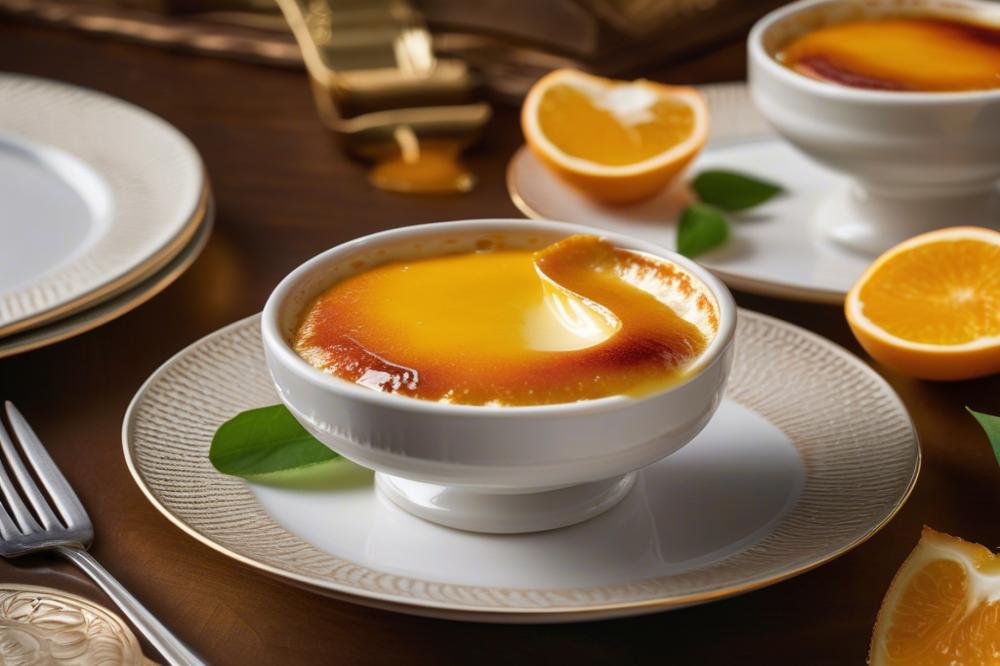
Crema Catalana is a classic dessert originating from the Catalonia region in Spain. This delightful dish features a rich custard base, complemented by a layer of caramelized sugar on top. The sweet cream is often flavored with cinnamon and lemon zest, giving it an aromatic twist that’s both comforting and indulgent.
When we compare it to Crème Brûlée, notable differences arise. While both desserts boast a custard foundation and a burnt sugar topping, the flavors and origins signal unique culinary traditions. The French version focuses on vanilla and has a silkier texture, achieved through different cooking techniques and ingredients.
This dessert holds a special place in the culinary history of Italy. It is more than just a sweet treat; it represents the rich tapestry of Mediterranean flavors. Many Italian recipes celebrate or modify this traditional dish, allowing cooks to showcase their creativity. Crema Catalana fits seamlessly into the broader realm of dessert comparisons, intriguing food enthusiasts everywhere. It invites exploration of diverse flavors and preparation methods, promising a treat that satisfies every palate.
Crema Catalana: A Traditional Dessert
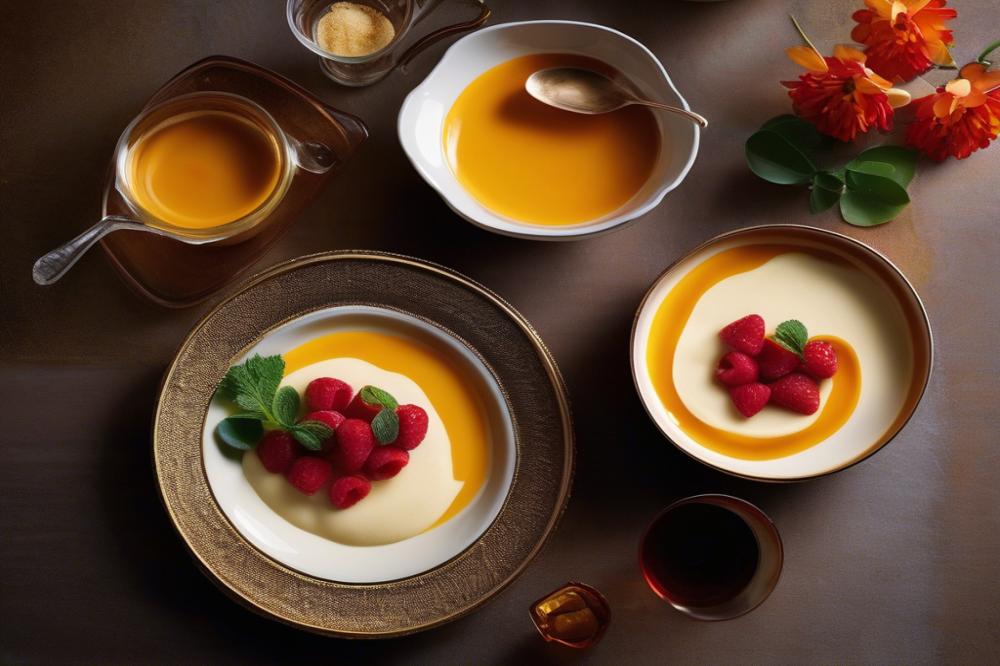
Crema Catalana is a cherished dish that hails from the Catalonia region of Spain. It is essentially a custard-based dessert topped with a layer of caramelized sugar. This delightful treat offers a rich combination of flavors and textures, making it truly special.
The culinary history of this traditional dessert is steeped in ancient practices. Legend holds that it dates back to the 14th century. It was originally prepared for special occasions and celebrations. Over the years, many families have handed down their treasured recipes through generations. This dish reflects the cultural significance of Catalonia, symbolizing both comfort and festivity.
Culinary Techniques and Recipe
Cooking techniques for preparing Crema Catalana involve simple yet precise methods. First, a creamy custard is made using milk, egg yolks, and sugar, flavored with cinnamon and lemon zest. The mixture is cooked gently and then poured into individual ramekins. Once chilled, a thin layer of sugar is sprinkled on top and caramelized with a hot flame or broiler. Watching the sugar melt and turn into a crisp crust adds an exciting element to the dessert.
Differences and Similarities with Crème Brûlée
A dessert comparison between Crema Catalana and its French counterpart, Crème Brûlée, reveals both overlap and distinction. Both desserts share a custard base, but the flavor profiles differ. Traditional recipes for Crema Catalana often use citrus and cinnamon, while Crème Brûlée typically boasts hints of vanilla. The method of caramelization also varies, with Crème Brûlée generally being baked in a water bath. However, both dishes boast that satisfying crunch of caramelized sugar on top, making them equally delightful after dinner.
Ingredients and Cooking Techniques
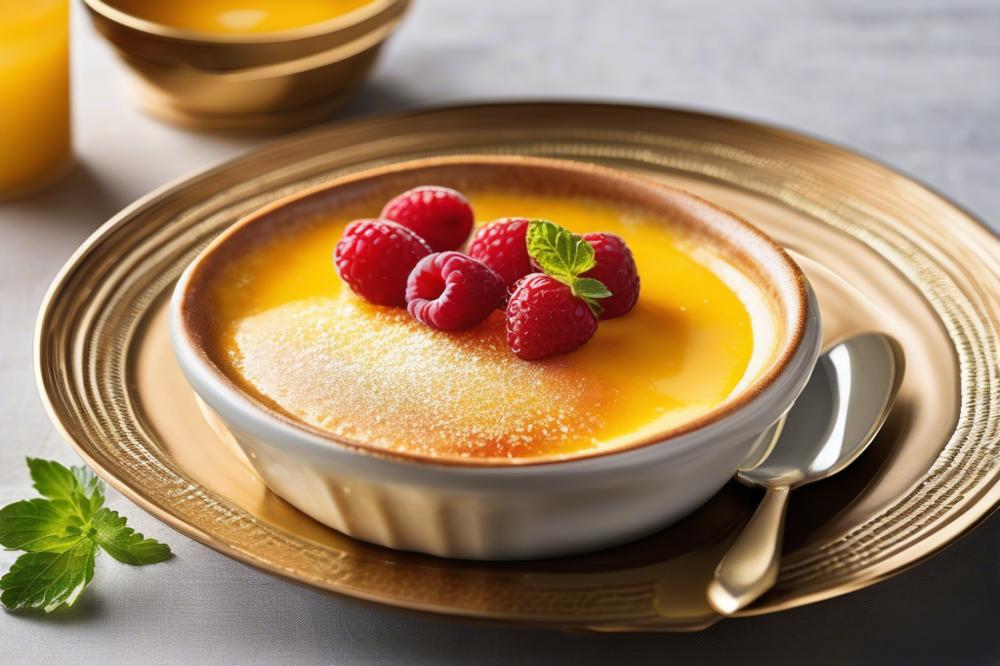
Key ingredients used in Crema Catalana
Crema Catalana has a few standout ingredients that make it special. The base is a smooth custard made with milk, egg yolks, and sugar. Cinnamon and lemon zest add delightful flavors, giving it an aromatic touch. Cornstarch or flour is often used to thicken the mixture and achieve the perfect consistency. A dusting of caramelized sugar on top provides the famous crunchy finish. This combination creates an amazing harmony of tastes, embodying the essence of Spanish cuisine.
Traditional cooking techniques for preparing the dessert
Preparing this dessert involves a traditional cooking method that showcases skill and patience. Starting with a saucepan, milk is heated gently with the cinnamon and lemon zest to infuse those lovely flavors. Next, egg yolks and sugar are whisked together, creating a rich mixture. This process of tempering is crucial. Gradually adding the warm milk prevents the yolks from curdling. Once combined, the mixture is cooked until it thickens. Afterward, it’s poured into ramekins for cooling. The last step is to sprinkle sugar on top and caramelize it with a torch or broiler. This technique transforms plain sugar into a crisp, golden layer.
Variations in recipes and regional adaptations
While Crema Catalana is firmly rooted in Catalan culture, regional variations exist. Different areas may tweak the base recipe to include unique elements. Some add vanilla for extra flavor, while others incorporate different spices like nutmeg. In coastal regions, orange zest might be used instead of lemon to highlight local ingredients. This dessert comparison shows the diversity within Spanish cuisine, revealing how local tastes influence cooking. Yet, no matter how it’s adapted, the essence remains a charming blend of flavors and textures enjoyed by many.
Dessert Comparison: Crema Catalana vs. Crème Brûlée
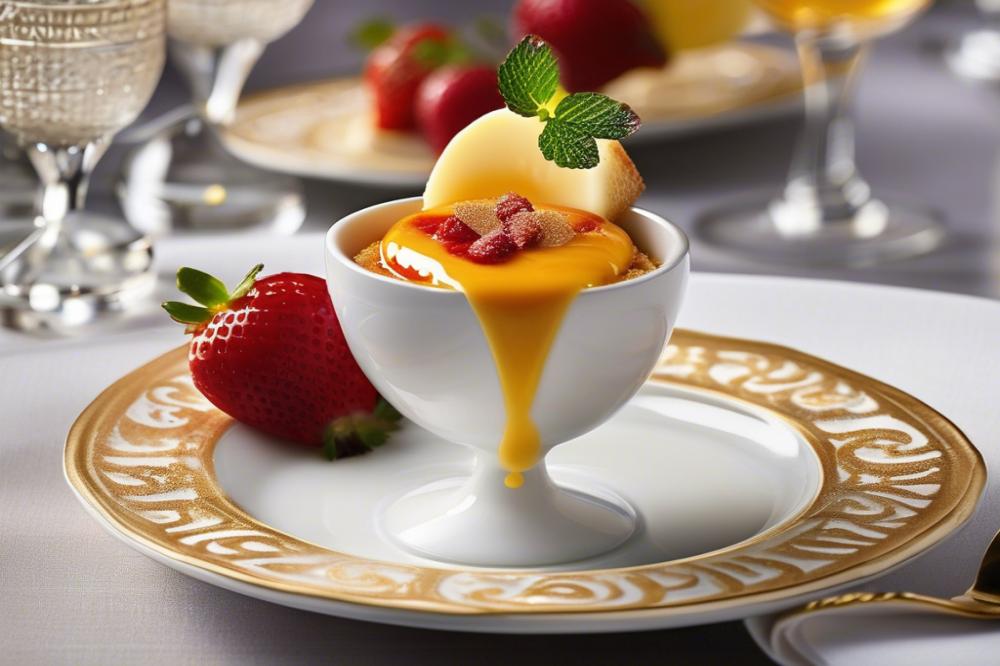
Two beloved desserts from their respective regions shine brightly in the culinary world: Crema Catalana and Crème Brûlée. Each dish brings its own texture and flavor profile that deliciously distinguishes them. The traditional dessert from Catalonia features a smooth custard that is often infused with citrus zest, such as lemon or orange. This adds a refreshing note that contrasts with the sweet, burnt caramel on top. In contrast, Crème Brûlée leans toward a creamier base, usually flavored with vanilla bean. The balance between the rich custard and the crispy caramelized sugar creates a luxurious mouthfeel.
When it comes to presentation, there are delightful differences worth noting. Crema Catalana is typically served in shallow ramekins, making it easy to scoop while showcasing its beautiful golden caramel layer. On the other hand, Crème Brûlée often comes in slightly deeper dishes, allowing for a thicker custard surface. Many chefs use a torch to achieve that signature dark, brittle glaze on top of Crème Brûlée, emphasizing a visually appealing contrast between the two textures.
Popularity plays a significant role in defining these desserts within their cultures. Spanish cuisine lovingly embraces Crema Catalana as a staple offering in many restaurants. Its unique flavors and local ingredients reflect the rich culinary history of the Catalan region. Meanwhile, Italian dessert traditions may favor the classic Crème Brûlée less than its Spanish counterpart, given the plethora of other well-loved Italian sweets. In fact, many Italians may be more familiar with a variety of pantry staples that never fail to delight at the end of a meal.
Recipes and Serving Suggestions
Classic Crema Catalana Recipe Breakdown
Making this traditional dessert is simpler than it seems. Start by gathering your ingredients. You will need milk, egg yolks, sugar, and cornstarch. The flavor comes from cinnamon and lemon zest, bringing out the essence of Spanish cuisine. Begin by heating the milk with the cinnamon and lemon zest until it simmers. In a separate bowl, whisk together the egg yolks, sugar, and cornstarch. Gradually mix in the warm milk, stirring constantly. Return this mixture to the stove and cook until it thickens into a smooth custard. Pour the custard into ramekins and let them cool before chilling in the fridge.
Tips for Achieving Perfect Caramelized Sugar
Getting the caramelized sugar right is essential for a great finish. Use granulated sugar and a kitchen torch for best results. Evenly sprinkle a thin layer of sugar over the chilled custards. A crucial step is to ensure the sugar layer is not too thick. Ignite your torch, moving it in small circles over the sugar. Watch closely as the sugar melts and turns a golden brown. After achieving the perfect color, let it cool for a few minutes. This will create a delightful crack when you serve.
Creative Serving Suggestions and Pairings
Serving this dessert can be a delightful experience. Consider garnishing with fresh berries or mint for a pop of color. A scoop of vanilla ice cream on the side pairs wonderfully with the rich custard. For a unique twist, serve it alongside espresso or coffee to energize the palate. Adding a splash of orange liqueur can elevate the flavors too. Explore alternative toppings like chocolate shavings or toasted nuts for a different texture. Each variation brings a unique taste that complements the custard beautifully. Enjoy experimenting with flavors to enhance your dining experience!
Final Thoughts on Crema Catalana
Crema Catalana stands out as a delectable option in the world of desserts, especially when compared to its well-known cousin, crème brûlée. Originating from the Catalonia region of Spain, this dish blends the creamy goodness of custard with a crunchy caramelized sugar layer. Cinnamon and lemon zest set it apart, creating a flavor profile that speaks to the rich traditions of Spanish cuisine. Each spoonful offers a delightful mix of textures and tastes, making it a memorable treat.
This dessert holds a special place in the hearts of many. Its celebration of simplicity and flavor showcases why dessert is not just about sweetness, but rather an expression of culture. Popular across Spain, enjoying Crema Catalana is more than just a culinary experience; it is a taste of history and tradition.
For those inspired to bring a touch of this delightful dish into their kitchens, making Crema Catalana can be a rewarding challenge. With basic ingredients and a few techniques, anyone can achieve this impressive dessert. Why not gather some friends and family for a fun cooking session? Sharing this experience can elevate the joy of creating a treat that many love.
In summary, don’t miss the chance to savor this amazing dessert. Its combination of textures and flavors will charm any palate. Trying it at home not only adds a new dish to your repertoire but can also spark a newfound appreciation for the beauty of Spanish cuisine.

