
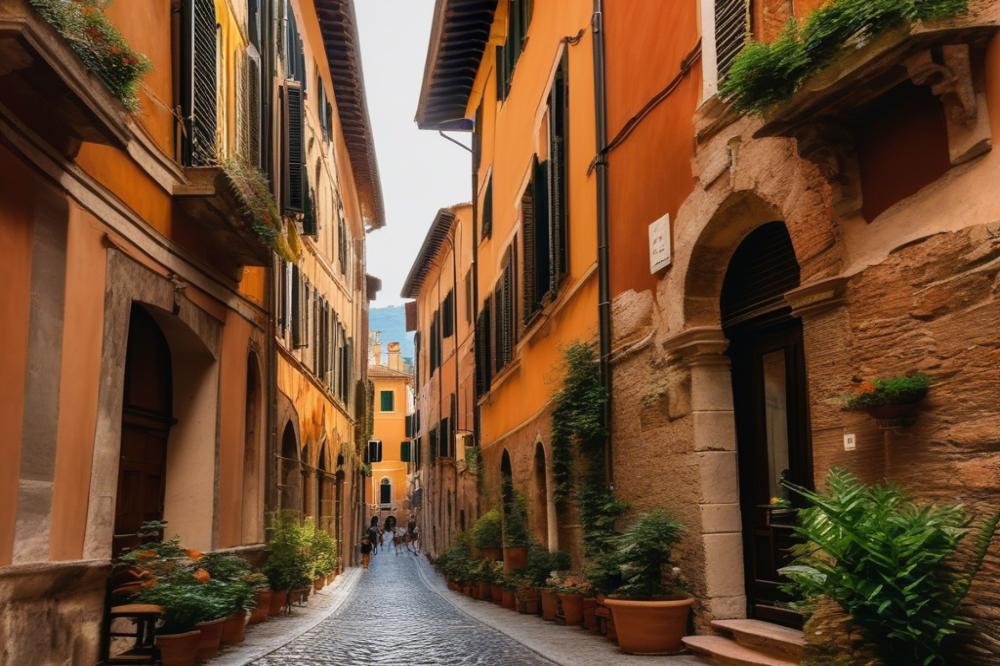
Explore the Jewish Ghetto: Rome’s hidden gem
Tourism in Rome attracts millions each year. Iconic landmarks like the Colosseum and the Vatican are often at the forefront of visitors’ itineraries. However, nestled away from the bustling crowds lies a hidden gem that deserves attention: the Jewish Ghetto. This area offers a fascinating glimpse into the rich tapestry of Jewish heritage in one of the world’s oldest cities.
The Jewish Ghetto boasts a history that dates back to the 16th century. Established by the Papal Bull in 1555, it was once a confined space for Jews, marked by both challenges and resilience. Today, its narrow streets recall centuries of struggle and survival. Those who explore this area uncover a blend of history and culture that is hard to find elsewhere. Beautiful synagogues stand alongside bustling local markets, where the sounds and smells of traditional cuisine mingle in the air.
Culinary delights await in this vibrant neighborhood. Traditional dishes like artichokes prepared “Jewish style” are a must-try. Festivals celebrating Jewish customs fill the streets with joy and color throughout the year. The architecture tells its own story, with charming buildings reflecting influences from different eras. Walking alongside the Tiber River offers a serene backdrop to the experience.
In conclusion, while Rome has many well-known attractions, the Jewish Ghetto stands out as a truly remarkable area. Those who take the time to explore will find not only a significant piece of history but also a deep cultural experience that lingers long after the visit ends.
Jewish Ghetto: A Historical Overview
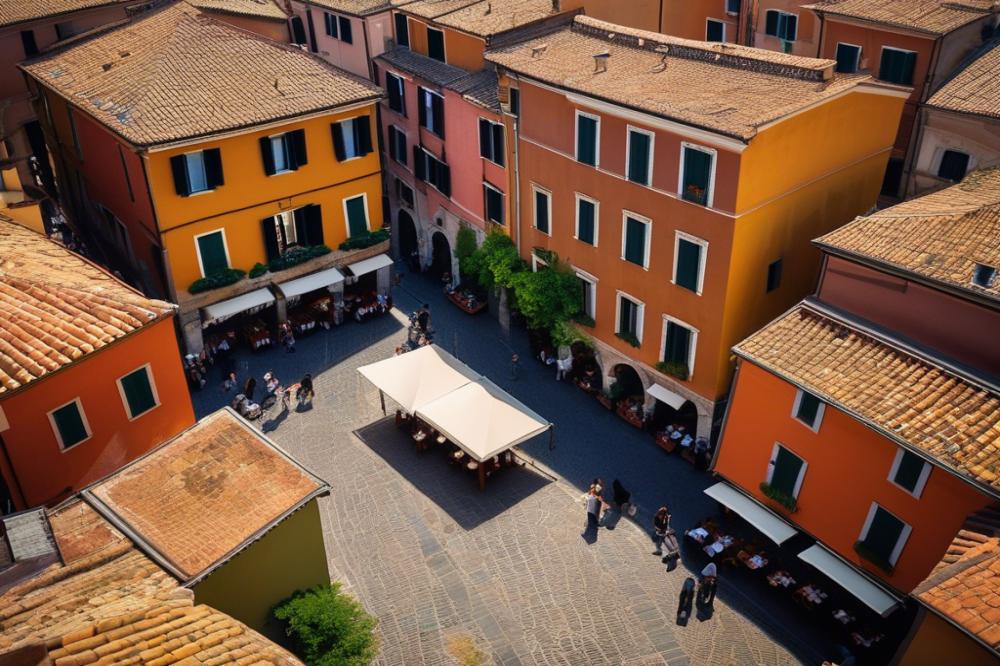
Origins of the Jewish Ghetto in Rome
The Jewish presence in Rome dates back over two thousand years. In the early days, the community thrived alongside the larger Roman society. However, that changed in the 16th century. In 1555, Pope Paul IV established the ghetto, confining Jews to a small area. This location was near the Tiber River, making it both central and isolating.
Historical significance and its establishment in the 16th century
Many factors led to the creation of this restricted district. The decision reflected broader European trends where Jewish populations faced persecution. For centuries, inhabitants had to live inside walls, often living under harsh conditions. The architecture within the ghetto displayed the struggles of its community. Many buildings were crowded, with narrow alleyways. Denying Jews the freedom to live elsewhere limited their opportunities.
Impact of various events on Jewish heritage and community
Over time, various festivals and traditions shaped the culture of those who lived here. Jewish heritage remained resilient despite adversity. The community embraced its rich history through unique cuisine and vibrant local markets. After centuries of challenges, the ghetto transformed into a hidden gem of Rome. Today, visitors can explore rich culture through the iconic synagogue and lively street life. As travelers wander, they often marvel at the fascinating blend of history and architecture that surrounds them. This hidden gem of a neighborhood tells a powerful story, one that continues to resonate with many.
Exploring Jewish Culture and Heritage
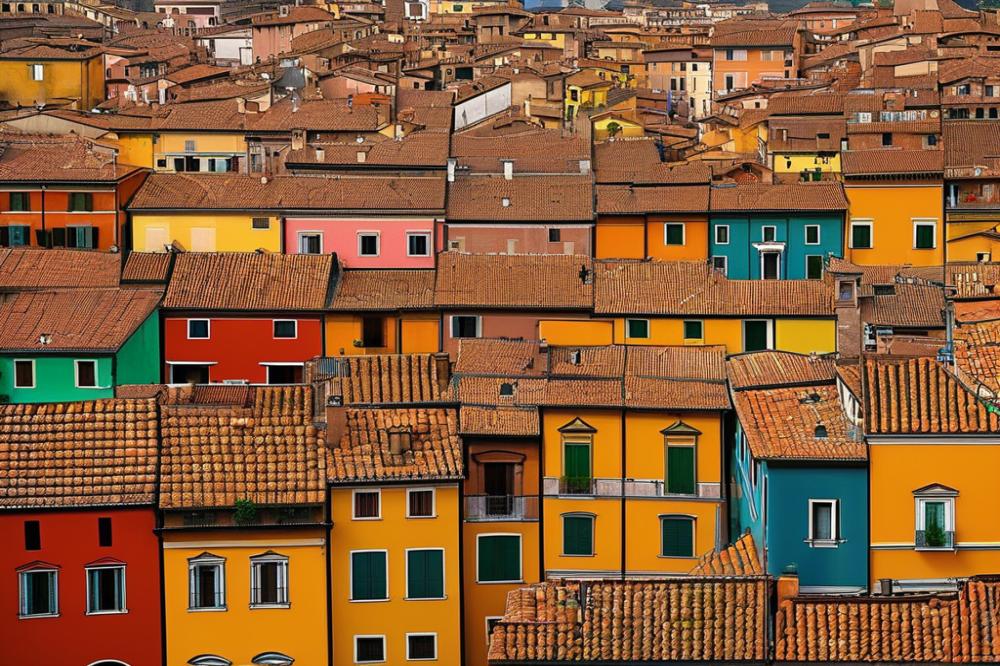
The Jewish community in Rome has a rich history that dates back centuries. Within the small area known as the Jewish Ghetto, traditional customs still thrive. Family gatherings, Shabbat dinners, and the observance of dietary laws shape everyday life for many. These practices not only honor faith but also strengthen community bonds.
The Great Synagogue stands as a beacon of Jewish heritage and architecture. It is one of the largest synagogues in Europe and a central point for worship and gathering. Many people visit this site to admire its stunning design. Other religious sites also dot the Ghetto, each holding its own stories and significance.
Festivals and Their Meanings
Festivals represent another significant aspect of the culture. Rosh Hashanah, Yom Kippur, and Passover are celebrated with great fervor. These times bring families together for prayer, reflection, and feasting. Local markets become vibrant during these occasions, bustling with traditional foods and festive decorations. Cuisine plays a crucial role, with dishes like matzo ball soup and artichokes prepared in the Jewish style delighting both locals and visitors.
Each festival carries layered meanings. For instance, Passover commemorates the Exodus from Egypt, symbolizing freedom and resilience. Such sacred times allow the community to connect with their rich history and reaffirm their identity. The blend of ancient traditions with modern life creates a unique atmosphere that captivates anyone who walks through the Ghetto.
The location near the Tiber River adds to its charm. Visitors often find it as a hidden gem within the bustling city. Exploring the streets reveals more than just architecture; it brings to life the stories of the Jewish community. Each corner, each building has witnessed the passage of time, yet preserves the essence of a vibrant culture.
Culinary Delights of the Jewish Ghetto

Rich in history and culture, the cuisine of the Jewish Ghetto is a hidden gem in Rome. Echoes of Jewish heritage can be tasted in every dish. Recipes passed down through generations blend traditional Roman fare with influences from Jewish customs. Eating here offers a delightful journey into a community that has thrived for centuries along the Tiber River.
Overview of the Unique Cuisine
This area showcases an exciting mix of flavors. The food reflects both the practicality and warmth of Jewish life. Staples include fried vegetables, savory pastries, and seasonal dishes. Cooking techniques that date back hundreds of years bring these meals to life. Often, ingredients are fresh and local, highlighting the best of Roman markets.
Popular Dishes to Try at Local Restaurants and Markets
Visitors should not miss the famous carciofi alla giudia, or Jewish-style artichokes. They are deep-fried to golden perfection and boast a satisfying crunch. Another popular dish is the frittura mista, a mixed fry of artichokes, zucchini, and other vegetables. This feast of flavors displays the creativity of local chefs. At local markets, sweet treats like ricciarelli, almond cookies, can be found, tempting anyone who walks by.
Influence of Jewish Culinary Traditions on Roman Food
Jewish culinary traditions have left a significant mark on Roman cuisine. Many dishes that originated here have spread throughout the city and beyond. Festivals regularly celebrate these culinary practices, bringing communities together. The architecture of the neighborhood, with its beautiful synagogue and winding streets, enhances the dining experience. Food is not just a meal; it is a connection to history and culture.
Architecture and Scenic Beauty
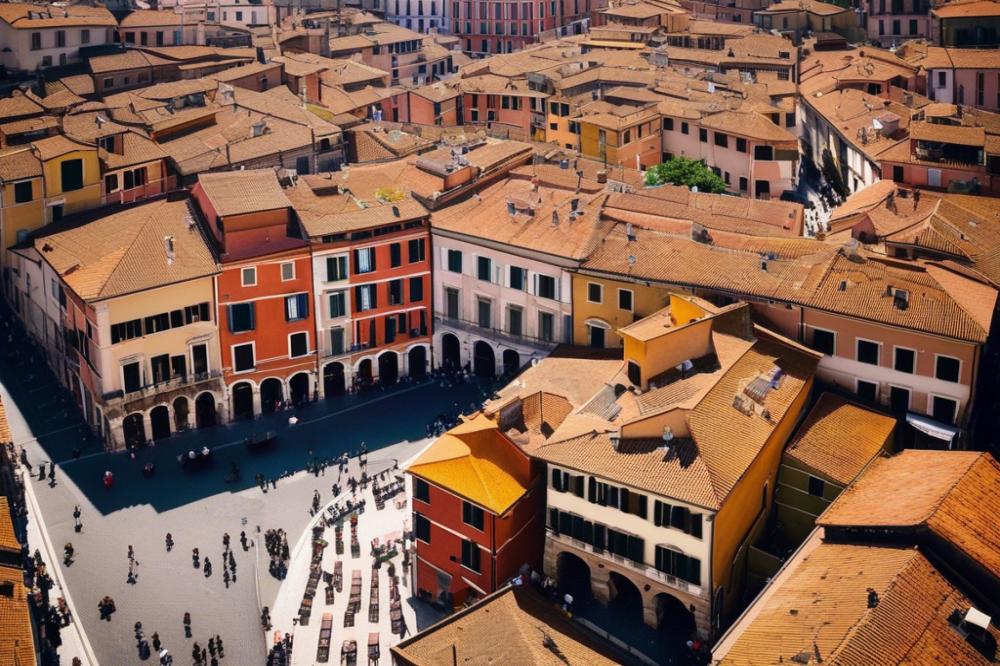
The Ghetto presents a remarkable display of distinctive architectural features. Narrow cobblestone streets lead you to lovely squares where life unfolds. Buildings exhibit a mix of Renaissance and Baroque styles, creating a striking visual experience. Colorful facades contrast with the somber history of the area, inviting curiosity from every visitor.
Along the Tiber River, you can find landmarks that reflect the rich tapestry of Jewish heritage. The beautiful Synagogue of Rome stands as a symbol of faith. Its grand exterior showcases both beauty and resilience. Nearby, ancient ruins whisper tales of the city’s vibrant past. Walking along the river, it’s easy to admire the stunning views and watch the world go by.
Cultural influences are palpable in every corner. The blend of ancient and modern architecture captures the essence of Rome’s evolving identity. Little corner shops offer local markets filled with delicious cuisine. Festivals celebrating Jewish traditions often take over the streets, infusing energy and life into the area. Each visit reveals a deeper connection to history and culture, making the Ghetto a true hidden gem in the heart of the city.
Local Markets and Experiences
The Jewish Ghetto in Rome is a hidden gem brimming with history and culture. Visitors can find local markets that come alive with color and excitement. Stalls overflow with fresh produce, spices, and traditional foods. Street vendors often sell delicious treats like artichokes and pastries, reflecting the area’s rich culinary heritage.
Interactions with locals can enhance the experience significantly. Many residents enjoy sharing stories about their Jewish heritage and the profound history of the neighborhood. Artisans proudly display their crafts, showcasing traditional techniques passed through generations. From handmade jewelry to intricate textiles, each piece tells a story of culture and creativity.
Exploring this vibrant area offers numerous activities. Guided tours can take visitors to an ancient synagogue, offering insights into Jewish life in Rome. Walking along the Tiber River provides stunning views of the architecture surrounding the ghetto. Events and festivals often fill the calendar, allowing tourists to immerse themselves in local traditions.
Markets are not just places for shopping; they’re lively spaces where community bonds are strong. Fresh bread, local cheeses, and cured meats entice passersby. Food tastings are common, giving a taste of authentic Roman Jewish cuisine. Engaging with vendors can lead to unique discoveries, such as learning how to cook traditional dishes.
Taking the time to wander through narrow streets reveals charming squares dotted with historical landmarks. Visitors often encounter musicians or artists displaying their work. This vibrant atmosphere creates a sense of belonging and connection. Travelers can capture memorable moments while exploring the area’s rich architecture and its ties to the past.
Final Thoughts on Rome’s Hidden Gem
The Jewish Ghetto is a significant part of Rome’s rich tapestry. It serves as a reminder of the long and often difficult history of the Jewish community in this vibrant city. Visitors walking through its narrow streets can feel the weight of centuries of stories, culture, and resilience. From the beautiful Synagogue to the bustling markets, every corner holds a piece of the past.
Travelers should make it a priority to explore this hidden gem. The atmosphere is unlike anywhere else in Rome. Authentic flavors burst from local eateries, while artisans craft goods that have stood the test of time. Discovering this area offers a unique perspective on life in Rome, one that transcends the typical tourist paths.
Preserving the heritage found in the Ghetto is essential. Memories of joy and sorrow are intertwined within its walls. This history must be passed on to future generations. Understanding and protecting such cultural landmarks enriches not only the community but also visitors from all walks of life. Each visit offers a chance to appreciate the diversity that forms the heart of this ancient city.

