

Discovering Italy’s Iconic Gelato Boutiques
Italy has a deep and abiding love for gelato. This frozen dessert is not just a treat; it is part of the culture. People of all ages gather around gelato shops, sharing laughter and stories. Whether it’s a hot summer day or a chilly evening, gelato stands are always bustling with customers. Each scoop brings not just flavor but also a sense of joy.
In Italian culture, gelato holds immense significance. It’s often seen as more than a dessert; it symbolizes community and tradition. Family-run gelaterias are common, and many recipes have been passed down through generations. Moments spent enjoying gelato create lasting memories, making it a cherished pastime for both locals and visitors alike.
This article takes you on a delightful journey from Rome to Florence. Each city has its own beloved gelato spots worth discovering. As we travel, expect to encounter flavors that surprise and inspire. From classic favorites to inventive twists, the gelato experience varies greatly. Join us in exploring #anchor_text_1# along the way.
Whether you are a gelato enthusiast or new to this delectable treat, this adventure promises to unveil hidden gems. You’ll want to savor every moment, learning about the artistry behind each scoop. So, grab your spoon and prepare for an unforgettable tasting journey through the Italian landscape, where #anchor_text_2# awaits your discovery.
Historical Background of Gelato
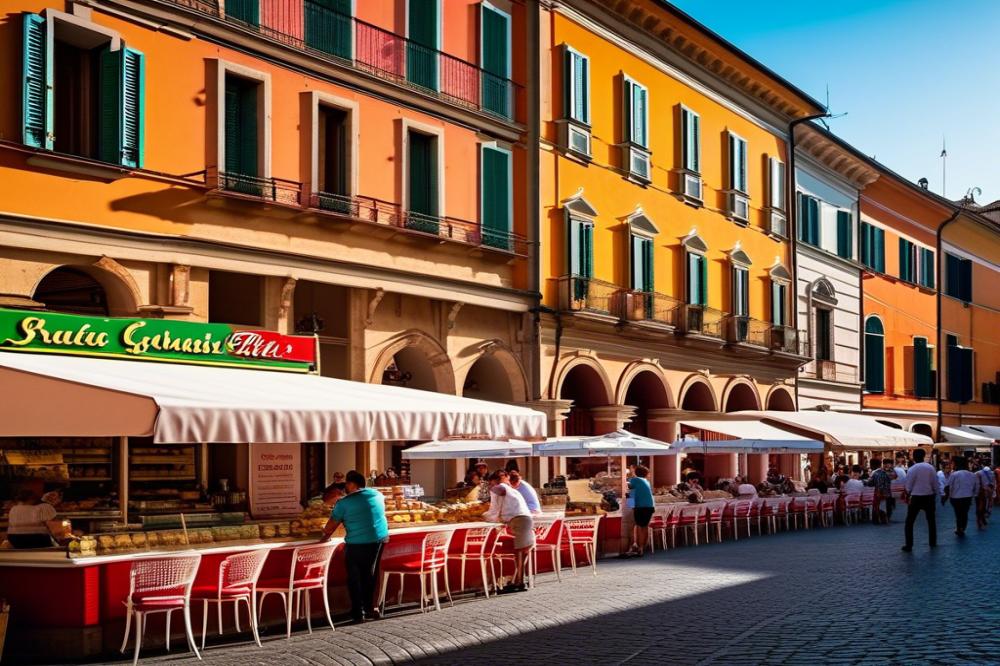
The origins of gelato can be traced back to ancient Italy. Early recipes appeared in Sicilian courts during the 17th century. From these beginnings, it gradually emerged as a sweet delight enjoyed by many.
Once viewed as a royal dessert, gelato underwent significant evolution. It started as a luxurious treat reserved for nobility. Over time, innovations in production made it accessible to the general public. The invention of the hand-cranked freezer in the 19th century revolutionized how this dessert was made. Home and shop production became simpler, allowing a wider audience to savor its creamy texture.
Key figures in gelato’s journey include Francesco Procopio. He was a Sicilian who opened one of the first gelato shops in Paris in the late 1600s. His approach combined art and science, attracting many customers. Another important figure is Giovanni Torinese, known for his technique of incorporating air into the mix. This breakthrough led to the lighter, smoother gelato we relish today.
As demand grew, regional variations emerged all across Italy. Each area introduced its flavors and techniques. From fruity sorbets in the south to rich creams in the north, diverse tastes flourished. Today, gelato represents Italy’s rich culinary heritage. Whether served in a cone or cup, it continues to be a beloved treat for locals and tourists alike.
Iconic Gelato Boutiques in Rome
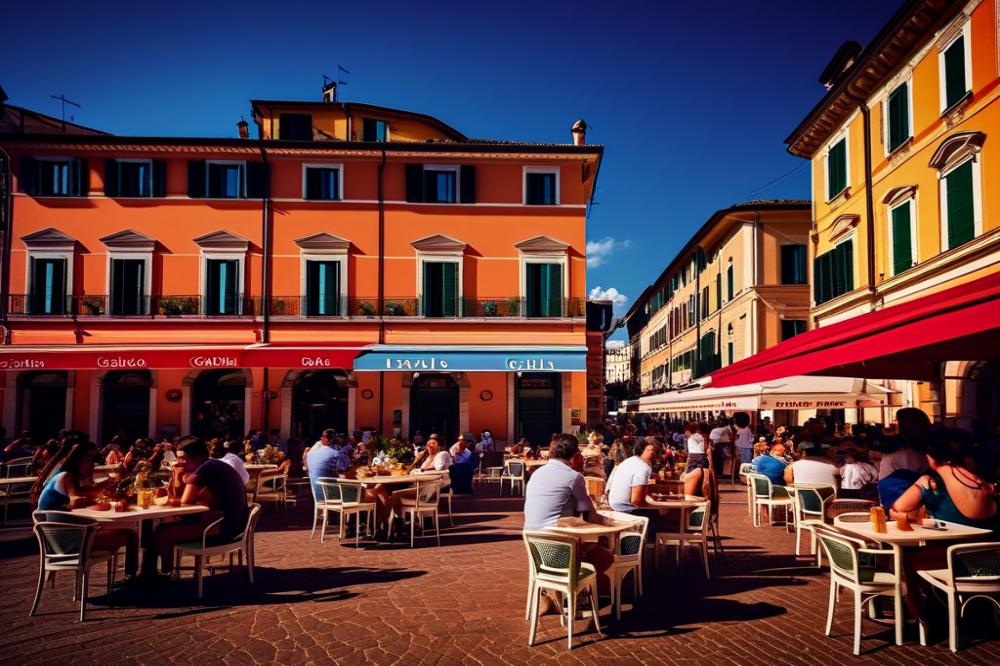
Rome boasts some of the finest gelato boutiques, each presenting a kaleidoscope of flavors. One standout is Gelateria Giolitti. Established in 1900, it has a rich history that adds to its charm. Popular flavors include the classic stracciatella and the tangy raspberry sorbet. Many locals swear by their panna cotta gelato, which is a creamy delight.
Next on the list is Fatamorgana. This boutique is famous for its innovative combinations. They offer flavors such as pear and gorgonzola, blending sweet and savory in delightful ways. Each ingredient is sourced with care to create a balanced taste experience. Many say that every bite feels like a little adventure.
D’Angelo is a beloved spot among Romans. They pride themselves on their artisanal approach to gelato making. Classic flavors are enhanced with local fruits and nuts, ensuring freshness. Their pistachio gelato stands out for its rich, nutty profile. Customers often linger in line, eager to sample the goodness.
The Role of Quality Ingredients
Quality ingredients are crucial in gelato. Artisan shops in Rome often use seasonal produce, which maximizes flavor. Traditional methods are equally important. Many boutiques still churn their gelato by hand. This technique fosters creaminess that machine-made gelato can’t replicate. Rich milk, fresh fruits, and minimal additives contribute to unparalleled taste.
Each boutique has its own specialties that reflect the city’s culinary spirit. Flavors change with the seasons, showcasing what’s ripe and ready. This connection to local agriculture not only supports farmers but also provides a taste of the region. Patrons appreciate the transparency of sourcing, which enhances the overall experience.
More than just a treat, gelato in Rome is a piece of culture. Residents and tourists alike flock to these shops. They gather to enjoy rich flavors while soaking in the vibrant Roman atmosphere. It’s not just about the taste; it’s about sharing moments with friends and family over a cone. Such experiences create lasting memories in the heart of Italy.
The Journey from Rome to Florence
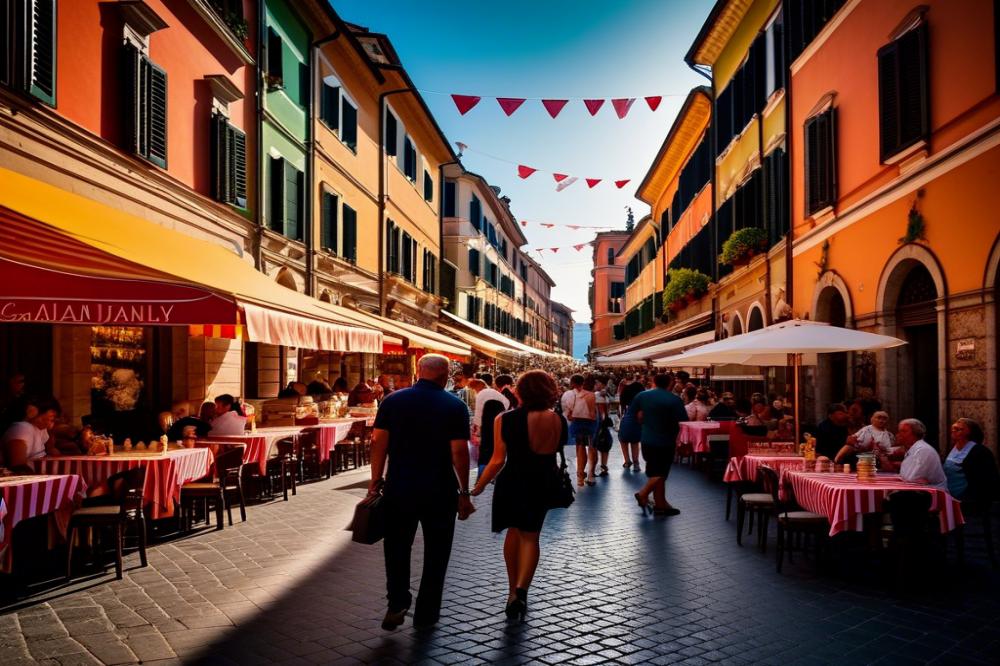
Traveling from Rome to Florence offers a picturesque route rich in history and culinary delights. The landscape transitions from the bustling streets of the capital to the rolling hills of Tuscany. Along the way, various towns and villages provide a glimpse into traditional Italian life.
Many people do not realize that gelato plays an essential role in Italian culture. It is more than just a sweet treat; it symbolizes a way of life. Stopping for gelato is often a social experience, a chance to relax and enjoy the moment.
Consider a visit to Orvieto, a charming hilltop town known for its stunning cathedral and beautiful views. Here, one can find gelato shops tucked away in narrow streets. The flavors often reflect local ingredients, such as figs and chestnuts.
Continuing your journey, don’t miss out on a stop in Civita di Bagnoregio. This small village perched on a hill offers breathtaking scenery. Not only will you find picturesque views, but there are also delightful gelato shops that highlight seasonal fruits.
As you make your way toward Florence, be sure to stop in Montepulciano. This town is famous for its wine, but the gelato here is just as noteworthy. Taste options like vin santo, a sweet dessert wine flavored gelato, for a true Tuscan experience.
Once in Florence, the variety of gelato boutiques awaits you. Each shop has its special offerings, representing an array of flavors and techniques. Embrace the chance to taste something exciting while exploring the hidden gems of this beautiful city.
Exploring Florence’s Gelato Scene
Florence boasts several renowned gelato shops that delight both locals and visitors. One cannot mention gelato in this city without acknowledging Gelateria dei Neri. This spot is famous for its rich pistachio and decadent stracciatella. Another favorite, La Carraia, is known for vibrant fruit flavors. Customers often rave about their intense raspberry sorbet, which sings with natural sweetness.
Local flavors showcase the essence of Tuscan ingredients. Many gelatarios take pride in using fresh, seasonal produce. Moreover, artisanal techniques set Florence apart. Traditional methods are respected, with churns still made by hand in some shops. These gelato masters focus on quality and texture, creating an irresistible experience with every scoop.
Comparison of Florence’s Gelato to that of Rome
Florentine gelato often presents a different style compared to its Roman counterpart. In Rome, gelato tends to be creamier and sweeter. Comparatively, the gelato in Florence is lighter and emphasizes natural flavors more. While you may find innovative flavors in both cities, Florence showcases a preference for simplicity. The distinctiveness of local offerings can shine through here.
Gelato-Making Workshops and Tours
When in Italy, one of the best ways to immerse yourself in the culture is through its food. Gelato crafting offers a delightful glimpse into the culinary traditions of this beautiful country. Numerous workshops and classes pop up across Rome and Florence, allowing travelers to experience the joy of making their own gelato.
Many of these workshops welcome participants of all skill levels. They provide a hands-on opportunity to learn from skilled gelato artisans. Gaining insights into the delicate process of crafting authentic Italian gelato can be incredibly rewarding. In Rome, for instance, there are studios where you can mix, churn, and create your own flavors under expert guidance.
Florence matches Rome’s offerings with its own selection of gelato-making experiences. Tourists can find classes situated in charming locations, often featuring small groups. Engaging with a dedicated chef, participants will explore topics such as ingredient selection and texture balancing. Ultimately, the pride in creating your gelato is unmatched.
These workshops typically cover various techniques. For instance, you might learn how traditional recipes differ from modern interpretations. Participants have the chance to craft classic flavors like pistachio or chocolate, or invent their own twist. Knowledge about local ingredients also enhances the overall experience.
Finally, some workshops even include guided tours to renowned gelato boutiques. This dual experience not only teaches the art of gelato-making but also showcases where the best artisans in Rome and Florence excel. Savoring freshly crafted gelato becomes even more meaningful when you understand the passion and skill behind it.
Cultural Elements Surrounding Gelato
Gelato in Italian Traditions and Festivities
Celebrations in Italy often feature gelato as a delightful treat. During summer festivals, locals typically serve various flavors to joyfully mark the occasion. Birthdays, weddings, and holidays also embrace this frozen delight. Families often gather to enjoy gelato together, building lasting memories. Even special days, like Ferragosto, highlight the importance of cool scoops in Italy.
How Gelato Fosters Social Connections in Italy
Walking through an Italian town, you’ll see people gathering at gelato shops. Friends share laughs and stories while savoring their favorite options. Conversations flow easily over a cup or cone. Gelato shops act as community hubs, where everyone knows the owner and regular customers greet one another. This sense of familiarity strengthens relationships among neighbors and friends alike.
The Role of Gelato in Everyday Italian Life
For many Italians, gelato is not just a dessert but a daily joy. After dinner, people often stroll to their local gelateria for a sweet treat. A scoop serves as a simple pleasure that enhances their evening. Children and adults excitedly choose flavors, sharing their favorites with one another. In this way, gelato captures the essence of Italian culture, blending flavor with togetherness.
Final Thoughts on Gelato and Italian Culture
The journey from Rome to Florence offers more than just scenic views; it unveils a rich tapestry of Italy’s gelato culture. Each stop along the way introduces gelato shops that carry their own stories, flavors, and traditions. In Rome, the ancient streets guide you to shops filled with creamy delights, while Florence presents artisanal gems where creativity shines through in every scoop.
Travelers are encouraged to step into various gelato boutiques. Dive into flavors that range from classic to inventive. Sample seasonal varieties and traditional recipes that reflect the regions. This exploration not only satisfies taste buds but also beckons a deeper understanding of Italy’s culinary heritage.
Gelato contributes significantly to the Italian experience. It is not just a treat; it’s a part of daily life. Sharing a cone with friends or family is a cherished moment. Every lick of gelato connects people, evokes nostalgia, and creates new memories. As you indulge, you become part of the culture, celebrating the artistry and passion behind each creation.
In closing, don’t miss the chance to uncover Italy’s famous gelato boutiques. Your taste journey from Rome to Florence will be filled with delightful surprises. Be ready to dive into delicious flavors and indulge in experiences that reflect the heart of Italy. So, when you wander the cobbled streets, remember that finding a scoop of gelato is not just about dessert. It’s about embracing the essence of Italian life and its celebrated traditions.
For more insights on Italian treats, explore beyond gelato with #anchor_text_3# or look into the delightful history surrounding Italian pastries with #anchor_text_4#.

