

A Sweet Legacy: The History of Gelato
Gelato holds a special place in Italian culture, revered not merely as a frozen dessert but as an essential part of the nation’s culinary identity. This beloved Italian treat evokes memories of family gatherings, summer afternoons, and joyful celebrations. With a creamy texture and an endless variety of flavors, it delights people of all ages. Its roots trace back to ancient times, where frozen creations were made from snow and natural flavors. The journey from those early iterations to the modern gelato we savor today tells a fascinating story.
Origins of gelato intertwine with the development of sorbet and other frozen delicacies. In Italy, artisans took these early recipes and refined them, crafting a beloved dessert that captures the essence of Italy’s rich landscape. Over centuries, this dessert evolved, embracing fresh ingredients and seasonal flavors. Each region began to celebrate its own unique versions, from rich chocolate to fruit-infused delights. The cultural significance of gelato cannot be overstated; it symbolizes warmth, hospitality, and the simple pleasures of life.
As we explore the fascinating History of this Italian dessert, we’ll reveal how gelato transformed over time. From ancient gatherings fueled by icicles to the bustling gelaterias of today, the story is one of creativity and passion. One can see how the recipes were adapted, bringing a taste of nostalgia while embracing contemporary influences. Truly, the legacy of gelato is not just about taste; it embodies a cultural narrative that spans generations.
The Ancient origins of Gelato
Long before the creation of modern gelato, people enjoyed frozen desserts made from natural ingredients. Ancient civilizations crafted early icy treats using whatever was available. The Romans and Egyptians were particularly resourceful. They gathered snow and ice from mountains to create delicacies that were both refreshing and enticing. These early mixtures often included fruit juices and honey, giving them rich flavors that are reminiscent of today’s artisan sorbet.
In ancient times, recipes for frozen desserts weren’t written down like they are now. Instead, knowledge passed through generations. Cooks experimented with local ingredients to develop new flavors. The outcome was something special. Both cultures celebrated these creations, forging connections between food and community.
Cultural significance played a vital role as well. Sharing frozen treats brought people together, akin to how gelato unites generations today. Natural flavors and fresh ingredients were central to these desserts. The same principles are evident in modern gelato, where artisans carefully select components to enhance taste and texture. These early practices laid the groundwork for what we now treasure as the exquisite Italian dessert we enjoy.
The long journey from those ancient origins to our present day illustrates the evolution of culinary creativity. Those who sought relief from the heat took simple ingredients and turned them into something memorable. Today’s frozen desserts still reflect this tradition, connecting us to our past with every scoop.
The Evolution of Gelato through the Ages
The story of gelato begins in ancient times. Early recipes for frozen desserts date back to civilizations like the Greeks and Romans. They enjoyed chilled drinks made from snow and ice mixed with honey and fruit. The origins of these treats can be seen as the first steps toward what we know today as gelato.
As centuries passed, the development of sorbet became a key player in this tale. Sorbet, made from fruit and sugar, provided a lighter alternative to richer frozen sweets. Its refreshing flavors influenced how Italians perceived and crafted frozen desserts. This innovation laid the groundwork for the creamier, more decadent variations that would emerge later.
As the Renaissance took hold in Italy, a shift began. What was once a luxury item for the elite started to become accessible to the wider public. The invention of ice houses allowed more people to enjoy these frozen delicacies. Soon, gelato transformed from a treat enjoyed by nobles to a beloved Italian dessert for everyone.
Key Historical Figures and Events
Several artisans throughout history contributed to the evolution of gelato. One notable figure was Francesco Procopio dei Coltelli. He opened a café in Paris in the late 1600s, introducing gelato to a new audience. His recipes blended fresh ingredients with innovative techniques, creating a sensation.
Over time, the industrial revolution made ice production easier. This allowed for mass production of frozen desserts. Many small shops began to pop up across Italy, each offering a variety of flavors. The impact was immense. Families could now gather around and enjoy a treat that was once only meant for the wealthy.
Eventually, international exposure played a role in gelato’s popularity. Italian immigrants brought their recipes and traditions to different parts of the world. This sharing helped spread the cultural significance of gelato. Today, we can find myriad variations in ice cream shops globally.
Modern gelato represents a blend of tradition and creativity. Many artisans take pride in crafting unique flavors that honor original recipes while incorporating new elements. This evolution highlights the ongoing love affair with frozen desserts and their ability to bring joy to people everywhere.
Artisan Gelato: Craftsmanship and Homemade Recipes
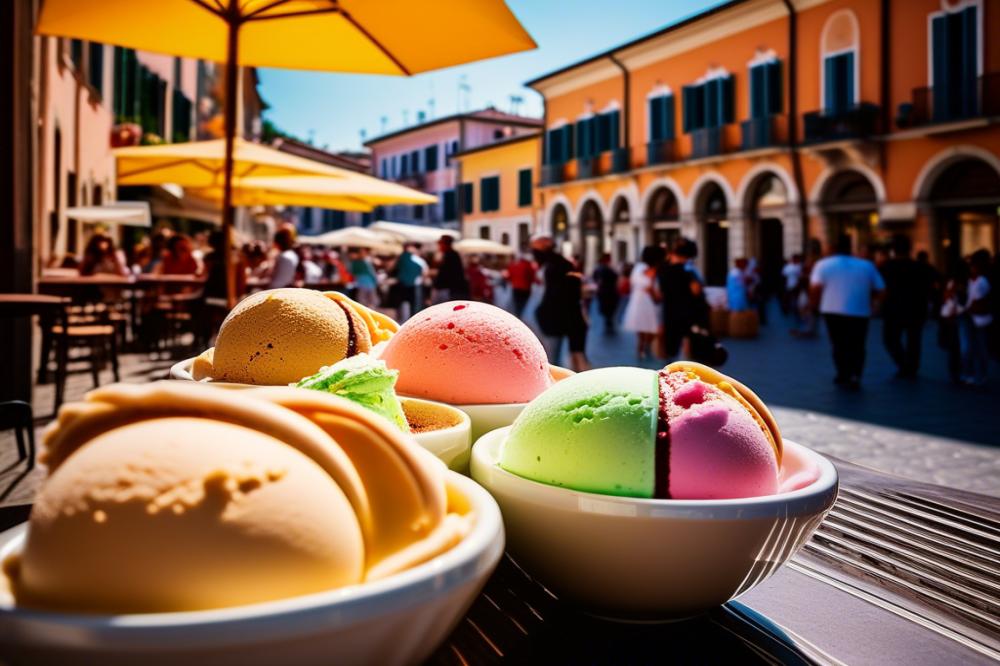
Artisan gelato stands apart from mass-produced frozen desserts. It is defined by meticulous craftsmanship and dedication to quality. Each batch is made in smaller quantities, allowing for more attention to detail. The texture is creamier than standard ice cream, thanks to a lower air content. Flavors burst forth in impressive ways, often incorporating fresh, local ingredients.
Tradition plays a key role in the world of artisan frozen desserts. Many recipes draw from ancient times, revealing the deep historical roots of this Italian dessert. It is common to find variations that represent local cultures and tastes. For example, southern regions of Italy may favor citrus flavors, while northern areas might lean toward rich chocolate or milk-based options. Each community has its specialties, showcasing regional produce that enhances the final product.
Gelato makers often pride themselves on their craft. Many of these artisans have inherited family recipes that have been passed down through generations. Small-scale producers focus on creating high-quality treats that highlight the unique characteristics of their surroundings. This helps to preserve the authentic taste of each region, making every scoop a cultural experience. While some follow traditional methods, others experiment with modern gelato techniques, blending old and new.
The cultural significance of artisan gelato cannot be overstated. It’s more than just a frozen treat; it’s a celebration of flavors and heritage. Communities come together to enjoy this beloved dessert, creating memories around the experience of savoring each spoonful. In today’s world, small producers work hard to keep these traditions alive, ensuring each recipe remains true to its origins.
Flavors and Cultural Significance of Gelato
Italy boasts a rich variety of traditional flavors that showcase the country’s culinary heritage. Originating in ancient times, this frozen dessert has evolved significantly while still keeping true to its roots. Classic options like stracciatella and pistachio remain popular choices. Modern gelato shops experiment with adventurous combinations, offering unique delights such as lavender and olive oil or spicy chocolate. These evolving recipes reflect the creativity of artisans who craft each batch with care.
Gelato serves an essential role during many Italian festivals and celebrations. During summer months, locals flock to gelateria for a sweet treat to cool down from the heat. Festivals often feature gelato as a staple, adding a festive flavor to the events. For instance, the Gelato Festival, which celebrates this beloved treat, draws in crowds eager to taste various creations made by talented chefs. Each scoop represents a slice of Italian life, bringing communities together in joy.
The influence of regional ingredients also plays a substantial part in flavor development. Each Italian region takes pride in its local produce, which finds its way into the artisanal recipes. For example, berries from the north highlight summer gelato offerings, while citrus fruits from the southern regions create refreshing sorbet options. This connection to geography enhances the experience of enjoying this delightful dessert and provides insight into local culinary practices.
Modern Gelato in Italy and Worldwide
The global spread of gelato is remarkable. This Italian dessert has transformed into a popular treat loved by many. From its origins in ancient times, gelato has evolved significantly. Today, it can be found in cities around the world, delighting people of all ages. Its creamy texture and rich taste draw fans from different cultures. Every corner of the globe now boasts shops offering this frozen dessert, each promising a unique experience.
Innovations in Gelato-Making Techniques and Flavors
Over the years, gelato-making processes have seen great innovation. New recipes involve advanced machinery that creates smoother textures and richer flavors. Chefs experiment with all kinds of ingredients, pushing boundaries in their quest for new tastes. Traditional favorites like stracciatella and pistachio still remain popular, but adventurous combinations have emerged. Flavors such as lavender honey and spicy strawberry attract curious customers. These innovative approaches keep the appeal fresh and exciting.
Gelato Shops Around the World: The Blend of Tradition and Modernity
Across the globe, gelato shops embody a mix of tradition and modernity. In bustling Italian streets, you will find artisan vendors whipping up classic flavors in time-honored ways. Meanwhile, across continents, new shops feature colorful and eccentric styles that showcase global influences. Local cultures adapt recipes, resulting in intriguing fusions. Imagine a coconut-lime sorbet that reflects tropical vibes or a matcha green tea option inspired by Japanese preferences. This blend of influences enriches the cultural significance of gelato.
In both small towns and major cities, gelato holds a special place. Each shop tells a story through its creations. Patrons often share their favorite finds, creating a community around this beloved treat. People indulge in gelato during celebrations, making it a part of their personal rituals. Appreciating the past while embracing the future defines modern gelato’s journey.
Final Thoughts: A Timeless Delight
The history of this delightful frozen treat spans from ancient times to the present. Its origins can be traced back to the icy indulgences enjoyed by emperors and royalty in civilizations like Ancient Rome and the Middle East. Over centuries, these early versions evolved, making their way to Italy, where they became beloved around the world. Not merely a dessert, this creamy delight has become a symbol of community and celebration.
Every scoop tells a story, connecting cultures and generations. This sweet treat continues to capture hearts with its rich flavors and smooth textures. With each passing year, more people discover the joy of gelato, further solidifying its place in culinary traditions.
Looking to the future, the charm of gelato shows no signs of waning. Artisans experiment with seasonal ingredients, local flavors, and inventive recipes, keeping the experience fresh and exciting. As new artisanal gelaterias pop up in cities across the globe, the dessert remains a vital part of communal gatherings and personal celebrations.
In a rapidly changing food landscape, it stands out by bringing people together. Many see it as more than just a dessert; it’s a way to savor moments and create lasting memories. The legacy of gelato is undeniably sweet, and its cultural significance will endure for generations to come.

