

Italy’s Gelato Obsession: How Much Do Italians Really Consume Each Year?
Gelato is more than just a sweet treat in Italy; it is a symbol of the country’s rich culinary heritage. Visitors often find themselves enchanted by the vibrant colors and indulgent flavors that line the gelaterias in every city. Each scoop tells a story of tradition, artistry, and a deep-rooted passion for high-quality ingredients. This frozen delicacy is a crucial aspect of Italian life and culture, enjoyed by people of all ages. It is not uncommon to see families, friends, and couples savoring gelato on warm afternoons, making it a vital part of social interaction.
Statistics reveal a compelling narrative about the significance of gelato consumption in Italy. The numbers can be staggering, reflecting a profound love affair that has lasted for generations. In this article, we will delve into the details of consumption patterns among Italians, providing insights into how much gelato they indulge in each year. From the bustling urban centers to quaint villages, gelato seems to play a role in daily life across the country. Join us as we explore what these figures tell us about Italian culture and its enduring devotion to this delightful dessert.
For those interested in more specifics about Italy’s gelato trends, the upcoming sections will offer a dive into the facts, showcasing not only the numbers but also the ways this beloved treat shapes the lives of many. Understanding the per capita consumption can help paint a clearer picture of #anchor_text_1# in the Italian lifestyle. In addition, we’ll touch on how seasonal changes and regional differences influence flavors and preferences. The insights we gather will shed light on the true extent of #anchor_text_2# in everyday Italian life.
The Essence of Gelato
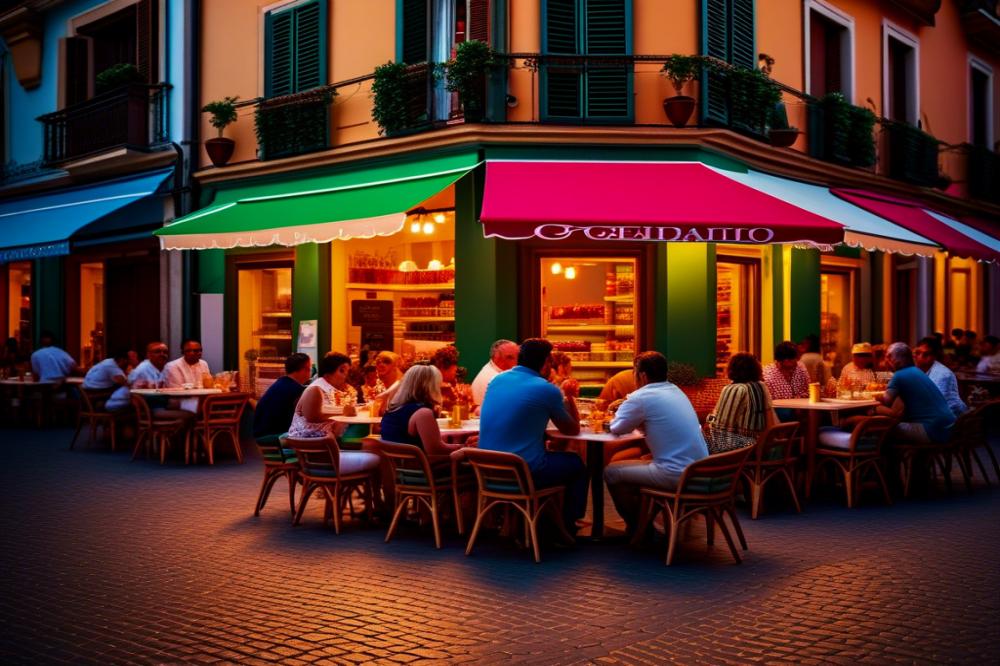
Gelato is often mistaken for ice cream, but significant differences set them apart. It typically contains less air and fat, giving it a denser texture. Additionally, gelato has a lower serving temperature, which enhances the flavors. While ice cream is creamier and richer, gelato boasts a more intense taste experience.
The history of gelato stretches back centuries in Italy. Its roots can be traced to ancient Roman and Egyptian cultures, where snow was mixed with honey or fruit flavors. However, the gelato we know today began to evolve during the Renaissance. In Florence, creativity flourished, and artisans started crafting this delightful frozen treat in the 16th century.
In terms of composition, gelato is made with simple, high-quality ingredients. Common staples include milk, sugar, and natural flavorings such as fruits or nuts. Notably, gelaterias often use less cream than traditional ice cream. This difference allows the authentic flavors to shine through. The production process is also essential. Crafting gelato generally involves churning at a slower speed. This technique minimizes air, resulting in a smooth, creamy consistency.
Italian gelato makers hold deep respect for tradition. Many still utilize age-old methods to create their offerings. They often source local ingredients to highlight regional flavors. Seasonal variations further contribute to the diversity of gelato. The artistry involved in this frozen indulgence is a point of pride for many artisans. Each scoop tells a story of culture and craftsmanship.
Annual Consumption Statistics
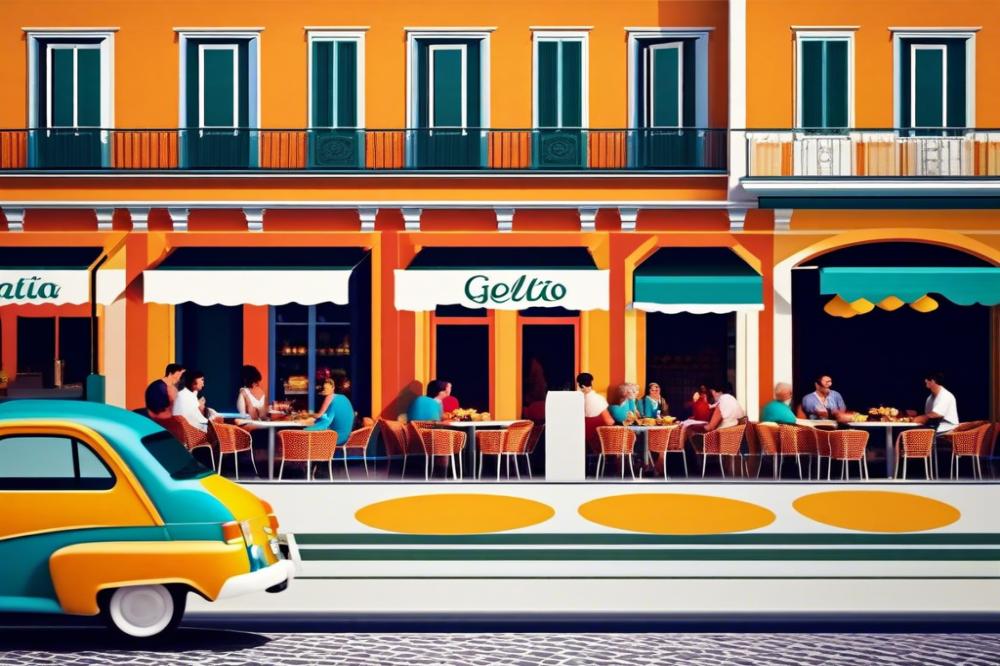
In Italy, the average person consumes about 7 kilograms of gelato each year. This statistic might surprise many, but it reflects the deep-rooted love Italians have for their frozen treat. While some regions may indulge more than others, gelato is a cherished part of life across the nation.
Regional Differences in Consumption
Consumption varies widely from one region to another. In northern Italy, cities like Milan and Turin often report higher gelato consumption compared to areas in the south. Interestingly, southern regions, such as Sicily, are famous for their distinctly rich flavors. Tourists flock there to enjoy local artisanal gelato, proving that flavor preferences might shape how much they consume.
Data shows that in regions like Emilia-Romagna, where gelato shops are plentiful, residents may eat up to 10 kilograms annually. Naturally, the more shops in a town, the higher the likelihood of regular visits. Comparatively, in areas with fewer gelaterias, such as the mountains, consumption tends to drop as residents have less access to their favorite flavors.
Trends Over Recent Years
Recent trends indicate an increase in gelato consumption across Italy, especially among younger generations. Social media plays a significant role in this surge. Sharing colorful pictures of gelato on platforms like Instagram has made it popular, encouraging more people to step into gelaterias.
Moreover, organic and vegan options have emerged, attracting health-conscious consumers. As more shops offer these alternatives, it’s clear they cater to the growing demand for unique choices. Environmental awareness also influences what people choose to eat. A commitment to local ingredients is becoming a trend that aligns with the shift toward sustainable eating.
The gelato market has expanded in response to these changes. New flavors and styles are constantly being created. This demonstrates that innovation in the gelato scene is never-ending. With each passing year, Italians continue to celebrate this beloved dessert.
Factors Influencing Gelato Consumption
Seasonal Impacts on Consumption Patterns
Gelato consumption in Italy often changes with the seasons. When summer arrives, people flock to gelaterias for a cold treat. Hot weather boosts sales dramatically. Many enjoy gelato as a way to cool down. Conversely, colder months see a decline in purchases. Some prefer warm desserts in winter. Still, gelato enthusiasts find ways to enjoy their favorite flavors even in the chill.
The Role of Gelaterias in Italian Society
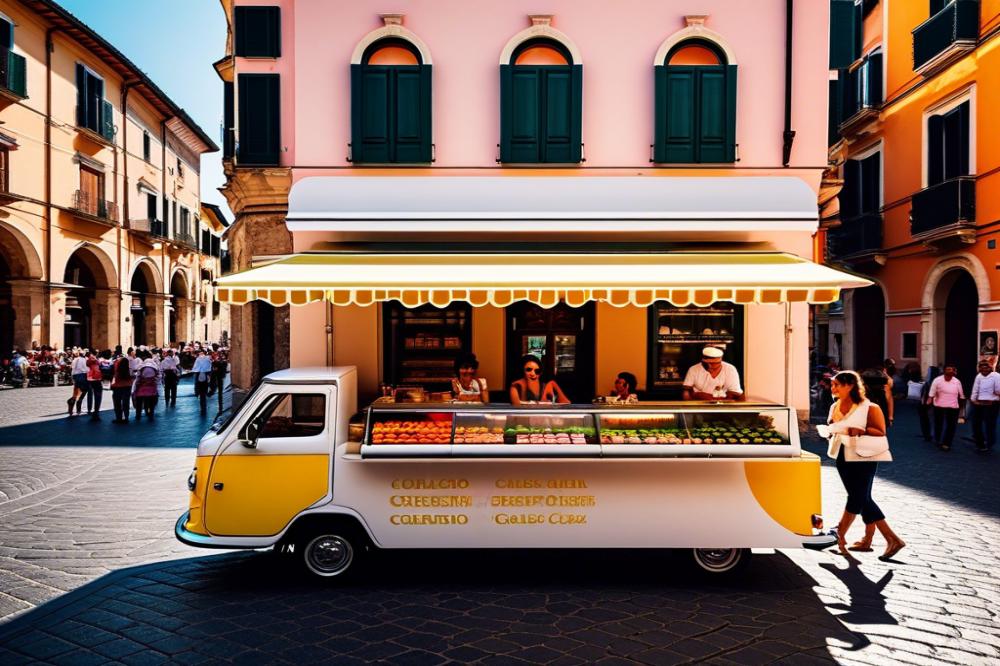
Gelaterias are more than just places to buy ice cream. They serve as social hubs in communities. Locals gather to chat, relax, and celebrate life over a cone. Visiting a gelateria is often a cherished routine for families. Parents take children out for gelato after school. Moreover, the craftsmanship of gelato makers is highly respected. Each gelato artisan takes pride in their work, contributing to the communal culture.
Influence of Tourism on Gelato Consumption
Tourism has a significant impact on how much gelato is consumed. Visitors from around the world come to enjoy authentic Italian flavors. Popular tourist spots are often filled with gelato shops. These establishments thrive on the foot traffic from travelers. Many tourists consider tasting gelato a must-do experience. This influx of visitors helps keep gelato flowing in the summer months. The intersection of locals and tourists creates a vibrant atmosphere centered on this beloved dessert.
Cultural Significance of Gelato
Gelato acts as a vital social experience in Italian life. Families and friends often gather at gelaterias, sharing laughter and stories. These moments are cherished, creating bonds over the simple pleasure of a frozen treat. For many, the local gelato shop serves as a meeting point, a safe space to relax and enjoy delectable flavors together.
Flavors hold great importance in the world of gelato. Choices range from traditional favorites like stracciatella to daring combinations featuring unexpected ingredients. Innovation plays a key role, with shops constantly experimenting and introducing new tastes. This creativity keeps customers returning, eager to sample the latest and most surprising flavors.
Festivals dedicated to this beloved treat celebrate its place in Italian culture. Annual events showcase gelato artisans, allowing them to demonstrate their skills. Contestants often compete in flavor creation, and visitors can taste a wide variety. These occasions not only highlight the craftsmanship but also bring communities together, forming a shared appreciation for this delicious dessert.
Health Considerations and Trends
When it comes to desserts, gelato often stands out for its ingredients. Gelato typically has less fat than traditional ice cream, which can make it seem like a better choice. The reduction in butterfat means that gelato doesn’t clump together as much, resulting in a smoother and creamier texture. Many people enjoy this aspect, believing it offers a less indulgent experience.
The growing popularity of organic or artisanal gelato is changing how people think about this delightful treat. More gelaterias are using natural ingredients, steering clear of artificial flavors and preservatives. Consumers increasingly opt for high-quality products that are crafted with care. This trend reflects a larger movement towards healthier eating habits across Italy and even further. Locally sourced fruits and ingredients are becoming common, appealing to both taste and health.
Health consciousness is influencing many Italians’ dessert choices. Research indicates that more people are looking for lower-calorie options. While gelato can still be rich and flavorful, some prefer sorbets made from fruit. These refreshing alternatives often come with fewer calories and less dairy. This shift doesn’t mean that gelato is fading away; rather, it shows a diversification in preference.
For those who still enjoy gelato, moderation plays a key role. The once-common practice of having gelato frequently is transforming. Many Italians are now savoring it during special occasions or as an occasional treat. Balancing indulgence with health priorities is reshaping the way people consume their beloved desserts. Gelato shops are adapting to these new demands, offering lighter options that don’t sacrifice flavor.
As the landscape of desserts evolves, so does the role of gelato in Italian culture. This sweet delight remains a staple but in a more considered manner. It’s fascinating to see how tradition blends with modern health trends. Ultimately, Italians seem to find joy not just in the taste, but in how it fits into their lifestyles.
Global Influence of Italian Gelato
Gelato culture has spread far beyond the borders of Italy. Many countries celebrate this delicious frozen treat, often imitating its creamy goodness. Ice cream shops around the world showcase their own versions of this dessert. However, Italian gelato remains the ultimate standard.
International brands and gelato franchises play a significant role in this expansion. Franchises have popped up in cities globally, bringing a taste of Italy to more people. These brands often adapt recipes to fit local tastes, mixing tradition with innovation. This fusion sometimes leads to flavors that could surprise even the most seasoned gelato lovers.
When Italians encounter gelato outside their homeland, reactions vary. Some appreciate the effort to recreate authentic recipes, while others criticize deviations from traditional methods. The heart of the matter lies in quality and consistency. Many believe that the true essence of gelato is often lost in translation. Authentic ingredients are key to maintaining this delicious dessert’s charm.
Despite mixed feelings, Italians recognize the global passion for gelato. It’s a point of pride that their culinary creation has inspired such loyalty. Their connection to this frozen delight remains strong, no matter where it is served. Awareness of this cultural influence can sometimes surprise newcomers.
In conclusion, the spread of gelato culture reflects its growing popularity and adaptability. The dessert may change in different corners of the world but its roots remain firmly planted in Italy.
Final Thoughts on Italy’s Gelato Culture
Italians share a deep bond with gelato, seeing it as more than just a dessert. This sweet treat is woven into daily life. Each scoop brings back memories of summer evenings, family outings, and festive celebrations. For many, gelato is comfort food, a taste of home, and a timeless tradition.
The future of gelato consumption appears bright. With an increasing number of artisanal gelaterias popping up across the globe, the love for this frozen delight is spreading. Innovations in flavors and techniques will attract new fans in various countries. Observing the rise of gelato shops worldwide serves as a testament to its universal appeal. There’s no doubt that ice cream lovers everywhere are keen to experience the authentic taste that Italy is known for.
Reflecting on Italy’s gelato obsession reveals a rich legacy that transcends generations. As culinary trends evolve, this Italian classic maintains its charm. The connection between people and this delightful treat remains strong. In Italy, gelato represents a cultural identity that sparks joy and togetherness. When one thinks of gelato, it’s not just about indulging; it’s about reigniting cherished moments. The future promises to honor this relationship while inviting more enthusiasts into the fold of #anchor_text_3#. Gelato’s influence will continue to grow, both within Italy’s borders and far beyond, solidifying its status as a beloved global dessert.
Ultimately, Italy’s gelato obsession is a beautiful chapter in the story of food. From the bustling streets of Rome to quaint villages, gelato will always be a source of happiness. As we look ahead, one can only wonder how this delightful concoction will evolve while continuing to capture hearts, one scoop at a time. The essence of gelato remains a true reflection of Italy’s culinary heritage, celebrating the joys of life and community, perfectly represented by #anchor_text_4#.

