
Exploring Sardinia‘s towns and treasures: Top sightseeing Spots
Sardinia, an Italian island in the Mediterranean, is a true gem. It boasts stunning landscapes, crystal-clear beaches, and rich history. Visiting its towns reveals treasures that tell tales of the past. Each village has its own charm, drawing visitors to explore narrow streets and historical sites.
Exploring the local attractions is essential for a complete experience. Travelers discover not just beautiful views but also the warmth of the culture. Museums showcase ancient artifacts, while local cuisine offers a taste of tradition. Sardinia’s culinary delights, such as culurgiones and seadas, reflect the island’s history and geography.
The diverse geography of this land creates opportunities for hiking and outdoor adventures. Rugged mountains give way to serene coastlines, painting a picture of beauty everywhere you look. Each region has something special, making it a perfect destination for all.
Eager visitors can delve into the rich tapestry that defines this place. History comes alive through ancient ruins and folklore, showcasing a vibrant past. The blend of natural and manmade wonders makes Sardinia a top choice for unforgettable sightseeing experiences. Engaging with its towns and treasures not only enriches one’s understanding but also leaves lasting memories.
Sardinia: A Cultural Mosaic
This island boasts a culture shaped by its rich history. The influence of various civilizations is evident in local traditions. Over centuries, Phoenicians, Romans, and Spaniards have all left their marks. Today, this blend creates a vibrant mix that reflects in everyday life.
Towns throughout the island showcase their own customs and attractions. Festivals play a crucial role in community life. Each town has its unique celebration, often tied to religious events or historical happenings. These festivals highlight traditional music, dance, and colorful costumes. Visitors can often experience the joyous atmosphere of these events firsthand.
Local cuisine offers another exciting perspective on cultural identity. Traditional dishes are a reflection of the island’s landscape and history. Ingredients like seafood from the nearby waters or rich cheeses come from nearby farms. Cuisine is deeply intertwined with local celebrations, adding flavor to the festivities.
Museums across the island preserve and showcase Sardinia’s treasures. They tell stories of ancient civilizations and past traditions. Artwork found in these places narrates the lives of those who came before. Exploring these cultural hubs can enhance understanding of unique local practices.
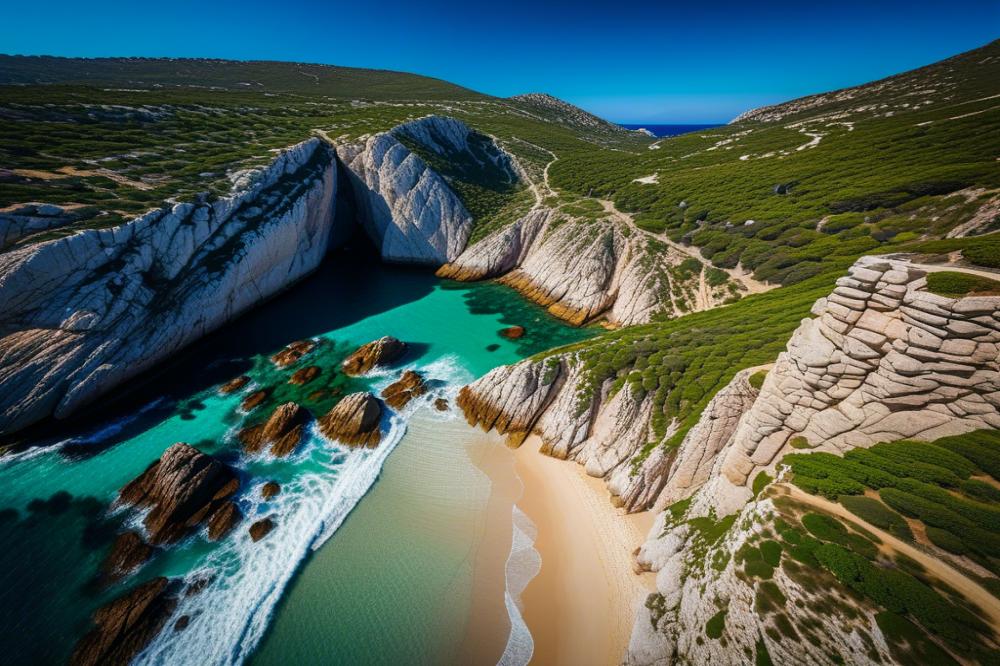
Natural beauty surrounds this Mediterranean gem. Hiking trails wind through rugged landscapes, revealing breathtaking views. The pristine beaches entice with their allure, providing a perfect backdrop for relaxation. Nature and culture coexist, creating a rich tapestry of experiences.
Every aspect of life here reflects a story. Music, dance, and culinary arts all provide insight into the island’s rich past. Festivals become a stage where locals proudly display their heritage. This connection between history and everyday life is truly special.
Historical Towns and Their Treasures

Exploring Sardinia reveals many notable historical towns. Each one offers its own story and charm. From the ancient ruins to medieval architecture, there’s a rich tapestry of culture. Visit towns like Alghero, Cagliari, and Oristano to understand this island better. These places tell tales from long ago, making them treasures worth exploring.
Attractions and Historical Landmarks
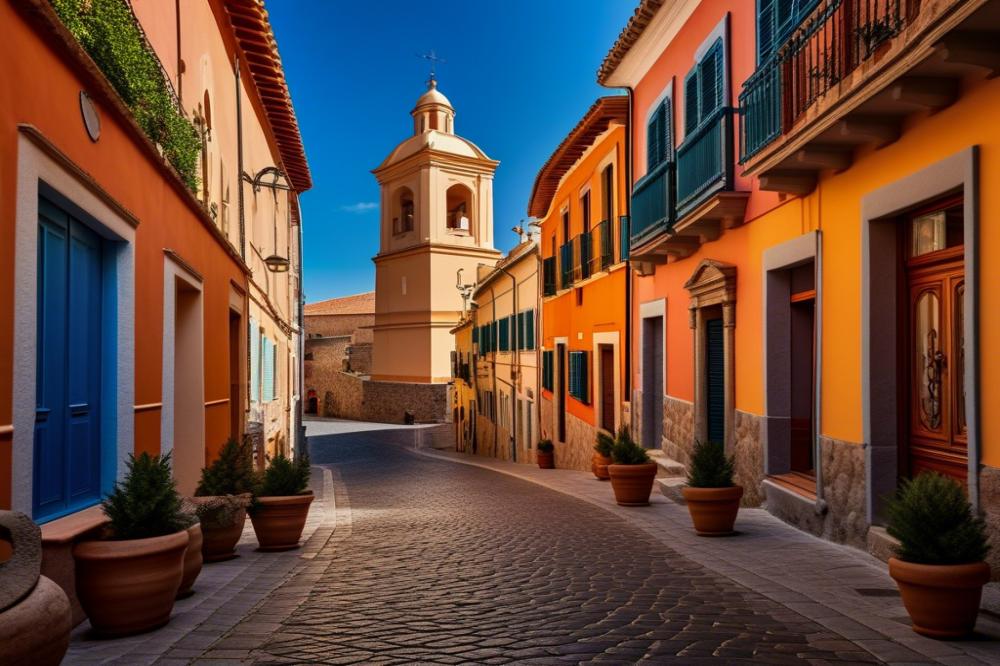
In Alghero, the Catalan influence is everywhere. Stroll through the cobblestone streets and admire the stunning sea views. The old city walls stand strong against time and the sea, creating a dramatic backdrop. Cagliari boasts the impressive Bastione di Saint Remy, which offers panoramic views of the city and surrounding landscapes. Meanwhile, Oristano shines with its medieval architecture, including the stunning Church of Santa Chiara.
The Role of Museums in Preserving History
Museums play a vital role in preserving the history of these towns. The Museo Archeologico in Cagliari holds artifacts that tell stories of the island’s ancient inhabitants. Visitors can learn about the diverse cultures that have influenced the region. Similarly, the Coral Museum in Alghero showcases the town’s seafaring past and its connection to the Mediterranean. Engaging exhibits attract both locals and tourists, enriching their understanding of Sardinia’s heritage.
Explore the cuisine when visiting these historical spots. Each town serves dishes that reflect its history and culture. You can enjoy fresh seafood, local wines, and traditional pastries. After a day of sightseeing, unwind on the nearby beaches or go hiking in the hills. The combination of history, nature, and delicious food makes each visit memorable.
Breathtaking Landscapes and Beaches
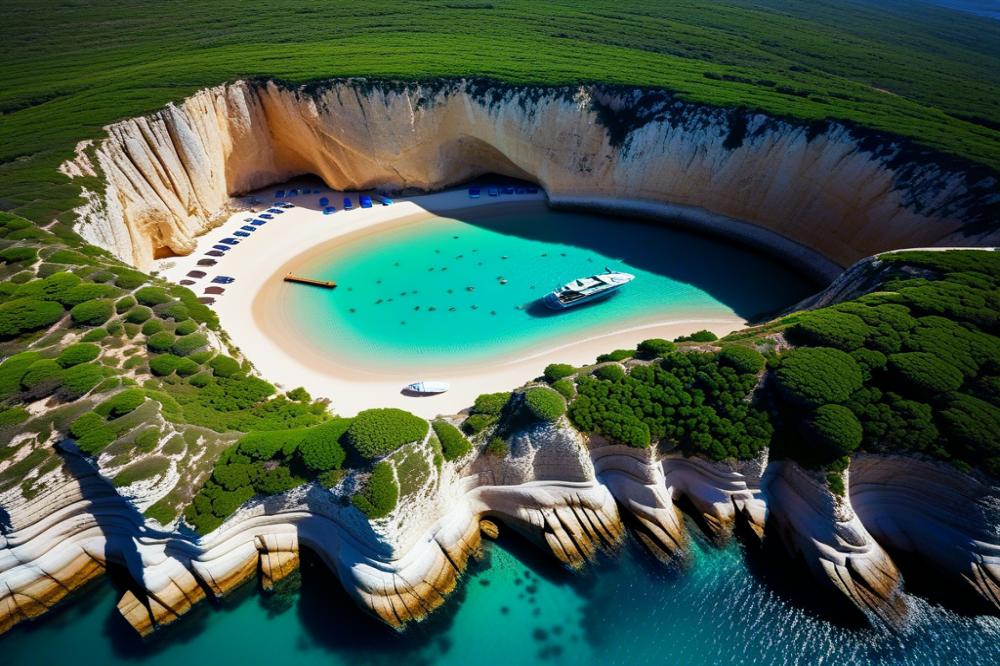
The diverse landscapes of this Italian island captivate visitors with their charm. Towering cliffs and rolling hills create a stunning backdrop for tranquil beaches. The rugged coastline contrasts sharply with soft sandy shores. Travelers can explore secluded coves alongside vibrant towns and their rich culture. Every corner offers something different, from arid mountains to lush forests. Historical sites are nestled amid this natural beauty, showcasing the area’s past.
Famous Beaches and Their Unique Features
Several beaches stand out for their beauty and distinct characteristics. Cala Goloritzé, featuring striking granite formations, is a hiker’s dream. Its pristine waters shimmer in shades of blue and green. Nearby, Porto Giunco lures beach lovers with its shallow lagoons. White sands invite guests to lounge while soaking up the sun. Another gem is Spiaggia della Pelosetta, known for its peaceful atmosphere and calm waves. Visitors there can enjoy idyllic sunsets that paint the sky in vivid colors.
Activities Available at These Beaches
Many activities await those who visit these stunning shores. Swimming in the crystal-clear waters offers a refreshing escape. Snorkeling reveals an underwater world full of colorful marine life. For adventure seekers, hiking trails lead to breathtaking viewpoints overlooking the ocean. Some beaches have areas perfect for windsurfing and kayaking. Local cuisine stalls often serve fresh seafood, delighting the taste buds of those who crave authentic flavors. Exploring towns nearby adds depth to the beach experience, making every visit a treasure hunt for memories.
Outdoor Adventures: Hiking and Nature
One of the best ways to experience the stunning landscapes is through hiking. Numerous trails wind through magnificent hills, offering breathtaking views. The Selvaggio Blu trail is particularly popular. It stretches about 40 kilometers along the eastern coast and showcases cliffs, rocky terrains, and hidden beaches. Adventurers often say that this path is a must-try for those seeking a challenge.
Natural parks across the region offer an escape into the wild. The Gennargentu National Park stands out with its rugged mountains and diverse flora and fauna. Visitors can encounter rare species while hiking the well-marked paths. Another gem, the Asinara National Park, invites you to explore its untouched beaches and crystal-clear waters. Wildlife lovers might spot wild donkeys here, adding to the unique charm of the area.
Outdoor activities connect deeply with the local culture. Sardinians have long relied on nature for sustenance and inspiration. Traditional cuisine often features ingredients gathered from the land. Hiking not only showcases breathtaking attractions but also serves to share stories rooted in history. Many trails lead to ancient ruins and charming villages where locals still practice age-old traditions. Engaging in these activities offers visitors insight into the unique cultural heritage of the towns.
Beaches nestled within nature reserves beckon with their untouched beauty. Hiking trips often conclude at stunning seaside locations. Crystal-clear waters provide a perfect spot for a refreshing dip after a long trek. Such experiences allow hikers to appreciate the contrasts of land and sea.
Exploring through hiking and other outdoor pursuits encourages a deeper understanding of Sardinia’s treasures. Each step through its lands brings the history, landscapes, and warm hospitality of the region to life. Whether navigating challenging trails or relaxing on the beach, every moment reveals something special.
Sardinian Cuisine: A Culinary Journey
Exploring the flavors of this Mediterranean island unfolds a diverse culinary landscape. Traditional dishes reflect a rich history and a blend of local ingredients. Staples include pane carasau, a crispy flatbread, and malloreddus, which are distinctive gnocchi made from semolina. Seafood often takes center stage due to the proximity of the coastline, with fresh catches like octopus and tuna being popular. Sardinia is also known for its rich cheeses, particularly pecorino, a sheep’s milk cheese that adds depth to many recipes.
Food plays a significant role in Sardinian culture. Meals are occasions for gathering friends and family, highlighting the island’s strong sense of community. Festivals often celebrate local cuisine, where traditional dishes are showcased. Some towns host annual events that allow visitors to savor authentic flavors while soaking in the vibrant atmosphere. Each bite tells a story, connecting people to their heritage and land.
Recommendations for Local Dining Experiences
Visitors should seek out trattorias that serve homemade dishes. Look for places in smaller towns where locals dine. Ristorante Sa Cardiga in Villagrande Strisaili offers a taste of traditional fare, emphasizing seasonal ingredients. In Alghero, Trattoria Cavour provides an enticing menu featuring rabbit stew, capturing the island’s rustic flavor. Similarly, you can’t miss dining at a local agriturismo, where farm-fresh meals reflect authentic recipes.
Markets are also fantastic for discovering local products. Some towns have lively markets where vendors sell fresh vegetables, meats, and preserves. These bustling spots offer an insight into the daily life of Sardinians. Trying street food like porceddu, roasted suckling pig, lets visitors experience flavors in a casual setting. Additionally, be on the lookout for tasting events at museums, where culinary history meets modern presentation.
Whether enjoying a meal by the beach or a casual lunch in a bustling town, these culinary experiences are unforgettable. Embrace each dish for its connection to the land’s landscapes and culture. Every meal represents the essence of Sardinia, embracing both the past and the present.
Travel Tips for Exploring Sardinia
Best Times to Visit Sardinia
The ideal seasons for a trip are spring and early fall. During these months, the weather is pleasant, and the landscapes bloom beautifully. Crowds tend to be thinner outside of summer. This means more space at popular attractions. In July and August, beaches fill up quickly. If sunbathing and swimming in the sea are priorities, those months are still great. However, be prepared for large crowds and higher prices.
Transportation Options for Navigating Towns
Getting around is essential for exploring the area’s treasures. Public transport offers convenience, especially buses connecting towns and attractions. Rental cars can provide flexibility for visiting more remote locations. For those who like hiking, many trails lead to hidden gems. In towns, walking is enjoyable and allows for better exploration of local markets and cafes. Bicycles are also available for rent in some popular areas.
Practical Tips for Cultural Etiquette and Local Customs
Respect for the local culture is vital for a fulfilling experience. Greeting people warmly enhances interactions. A simple “Buongiorno” goes a long way. When dining, try local cuisine and share dishes family-style. This is common in Sardinian culture. Dressing modestly when visiting religious sites shows consideration. Many towns feature fascinating history and architecture worth admiring. Understanding these small customs can lead to richer experiences and interactions with the locals. Keep in mind that lunchtime is sacred here. Many shops and restaurants close between 2 PM and 5 PM. Planning your day around these hours will help avoid any inconveniences.
Final Thoughts on Sardinia’s Rich Tapestry
Sardinia offers a rich tapestry of towns and treasures that delight the senses and spark curiosity. History unfolds beautifully in its winding streets, while culture thrives in its lively piazzas. Each village reveals stories of ancient traditions and breathtaking views that cannot be found elsewhere. The blend of natural beauty and cultural heritage invites exploration at every turn.
Travelers are encouraged to experience this captivating island firsthand. Walking through its markets, tasting local cuisine, or simply soaking in the coastal views can create lasting memories. Every moment spent here unveils something new, making each visit distinct and memorable. Engaging with the welcoming locals adds depth to the journey. They possess tales of their own, offering insights that cannot be found in guidebooks.
In closing, the significance of this destination in the world of travel cannot be overstated. Adventurers will find that it’s more than just a place on the map; it’s a collection of experiences waiting to be discovered. Planning a trip is the first step toward embracing the allure of its rich landscape and vibrant history. Whether it’s a day trip or an extended stay, the path to discovering the island’s hidden gems promises to enrich any traveler’s life.

