

Gucci From Heritage Roots to Modern Reinvention
In the world of Italian fashion, Gucci stands out as a beacon of luxury and style. This iconic brand has carved a significant space in the fabric of haute couture. With a story that spans decades, its heritage roots are deeply intertwined with the values of craftsmanship and creativity. Founded in 1921, the brand began as a small leather workshop in Florence, focusing on producing high-quality goods. Over time, that simple premise expanded into a global empire, showcasing exquisite designs that resonate with various generations.
Observing its history, one can see a blend of tradition and innovation. The original vision of Guccio Gucci was to create products that exuded sophistication and elegance. Fast forward to today, and the brand continues to honor that legacy while simultaneously adapting to the fast-paced, ever-changing landscape of fashion. The vitality of modern reinvention is vital for appealing to new audiences. With consumers constantly seeking fresh ideas, Gucci’s ability to pivot in response to trends is key.
The transition from classic styles to contemporary aesthetics illustrates how brands evolve. Designers are now more creative, merging styles and cultures into something spectacular. This forward-thinking mindset allows Gucci to remain relevant and respected in a competitive marketplace. Finding ways to blend the past with the present keeps the brand alive and appealing. Each collection reflects a conversation between history and modern desires.
Ultimately, Gucci’s journey encapsulates more than just fashion; it represents an evolving narrative. That evolution is crucial as we approach a landscape where authenticity and aesthetic have become a currency. The transformation witnessed today highlights an underlying principle: embracing change without losing sight of one’s roots. In this vibrant tapestry of fashion, understanding and evolving alongside consumers is essential for success. So, whether you’re captivated by its rich heritage or eager to explore its present offerings, Gucci remains a thrilling subject of study. The blend of heritage and modernity makes its story truly compelling, inviting all to explore more about this dynamic brand with #anchor_text_1# or delve deeper through #anchor_text_2#.
Heritage Roots of Gucci
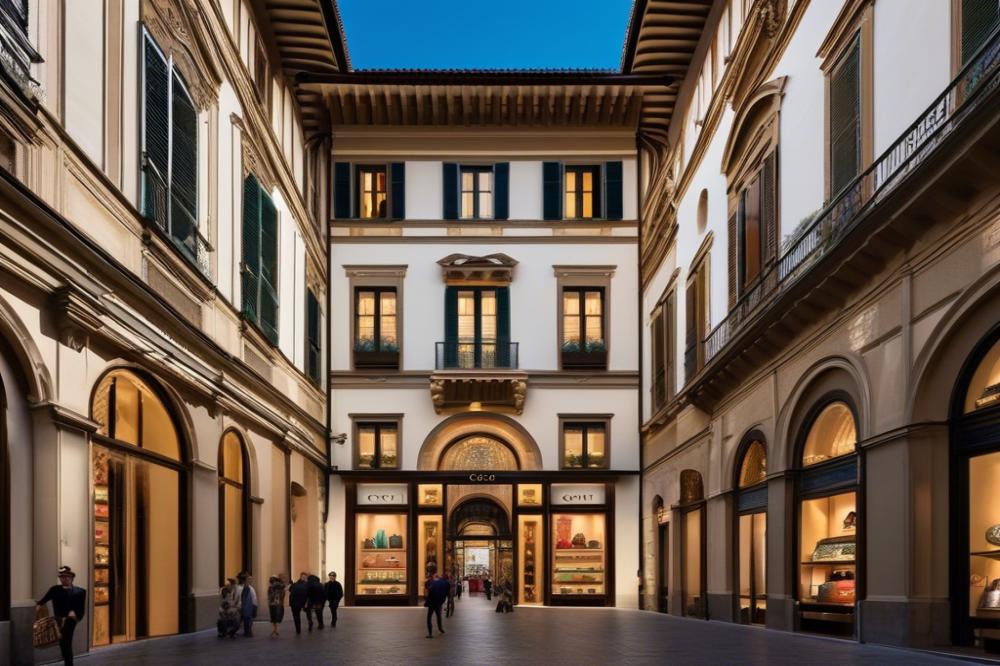
Gucci was founded in 1921 in Florence, Italy. This marked the beginning of an important legacy in luxury fashion. Guccio Gucci, the creator, had a vision for fine leather goods. His experience working in prestigious hotels influenced his design approach. Attention to detail became a hallmark of the brand from the very start.
At first, the brand focused on producing leather goods like bags and luggage. Skilled artisans worked meticulously, showcasing superior craftsmanship. The quality of materials set Gucci apart from others. As a result, products emerged that not only served a function but also evoked prestige.
The mid-20th century saw the rise of Gucci as a status symbol. Celebrities and socialites began to embrace the brand. Owning a piece of Gucci was a statement of wealth and style. This popularity helped the brand expand its reach beyond Italy. It tapped into new markets and attracted a global audience.
Key figures shaped the evolution of Gucci through the years. Guccio’s sons took over after his death, continuing their father’s legacy. Family involvement strengthened the brand’s identity. They maintained a commitment to luxury while adapting to changing trends. Each generation brought new ideas, ensuring the brand stayed relevant.
Today, the roots established by Guccio and his family provide a strong foundation. The influence of heritage lives on, even as the brand reinvents itself. Recognizing the past helps Gucci connect with modern consumers looking for authenticity. The journey from a small leather workshop to a global powerhouse is truly remarkable.
Iconic Products and Symbols
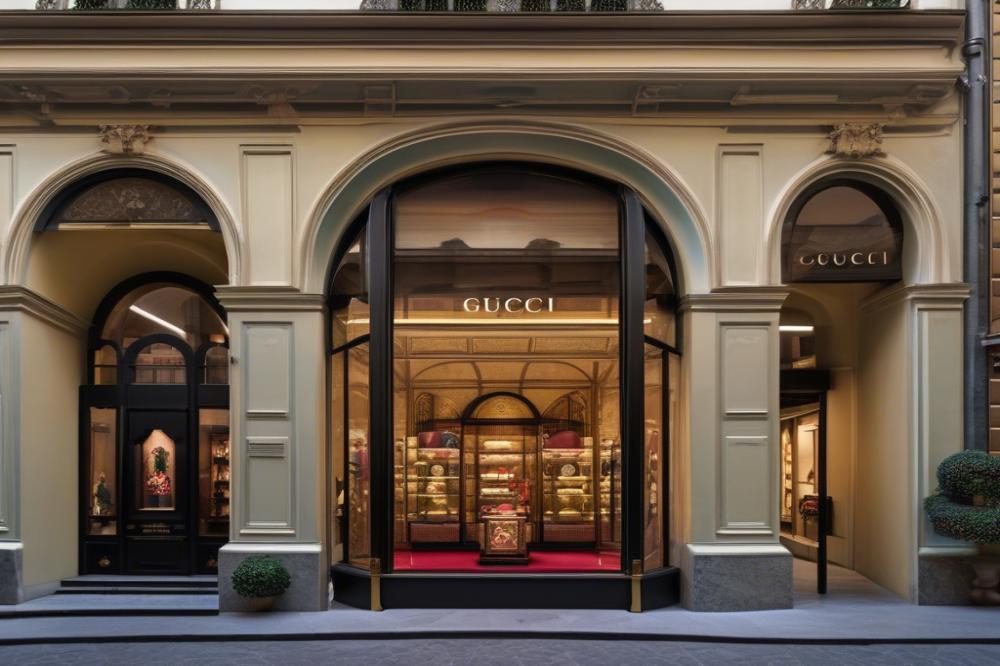
Gucci is known for several recognizable products that define its identity. The GG logo is perhaps the most distinctive. This logo is a powerful symbol of luxury and sophistication. It often appears on handbags, shoes, and apparel. When someone sees the GG emblem, they instantly think of quality. This recognition benefits the brand immensely. Handbags are particularly important in Gucci’s lineup. Each bag showcases exquisite craftsmanship and timeless style.
Another notable feature in Gucci’s designs is the green-red-green stripe. This bold pattern has its own significance. It represents the brand’s heritage, connecting the past to the present. Many fans appreciate how this stripe adds an element of flair to various products. From belts to shoes, this design makes Gucci items easily identifiable.
Cultural Impact and Celebrity Endorsements
Celebrity endorsements play a critical role in Gucci’s modern image. Stars like Harry Styles and Billie Eilish frequently wear the brand, amplifying its appeal. Their influence reaches millions, shaping trends and perceptions. When a celebrity sports a Gucci item, it often becomes a sought-after piece. This connection with pop culture enhances the brand’s status in fashion.
The impact of Gucci extends beyond celebrities. It resonates in music, movies, and social media. A well-placed piece of clothing can spark conversations. Social media platforms showcase fans celebrating their Gucci finds. These interactions create a community around the brand that thrives on shared enthusiasm. Such engagement further cements Gucci’s position in the fashion world.
Challenges and Transformations
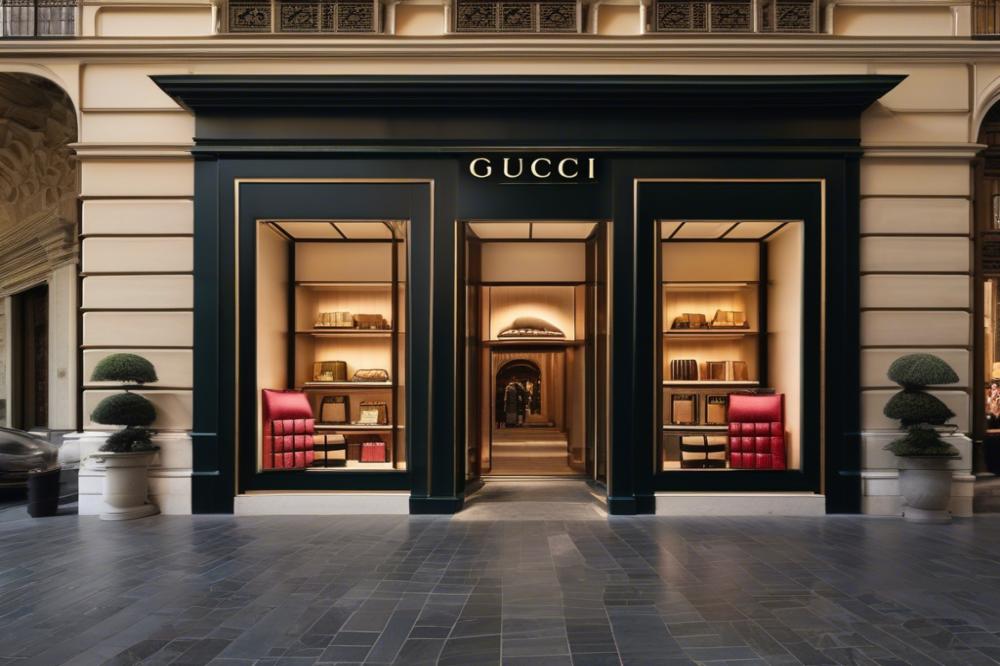
The 1980s and 1990s were tough years for Gucci. Competition intensified. Other luxury brands quickly emerged, putting pressure on its legacy. Additionally, internal problems began to surface. Leadership struggles caused uncertainty. The brand’s image started to wane, tarnished by financial issues and a lack of direction.
Key events during this period seriously affected brand perception. A failed attempt to appeal to a broader market spread confusion. This left loyal customers questioning Gucci’s identity. By the end of the 1990s, the need for change became clear. Major restructuring was necessary to salvage the brand’s heritage.
A pivotal moment came when Tom Ford joined as creative director. He brought a fresh vision that resonated with a new generation. His bold designs and provocative marketing reinvigorated interest. Another significant figure, Frida Giannini, followed later. She emphasized the brand’s roots while introducing a modern aesthetic. These changes helped bridge the gap between traditional craftsmanship and contemporary style.
The role of these designers was crucial. They each offered something different yet complementary. Tom Ford focused on sensuality; Frida Giannini showed a refined elegance. As a result, Gucci began to transform into a powerhouse of fashion innovation. Each creative director played a part in redefining its narrative. This narrative continues to evolve, showing how even the mightiest brands can reinvent themselves amidst adversity.
Modern Reinvention and Current Trends
Alessandro Michele stepped onto the scene as a transformative force for the brand. His arrival marked a significant shift in how Gucci connected with its audience. Suddenly, the brand wasn’t just about luxury; it became a voice for individuality.
Diversity and inclusivity became central themes in the latest collections. Adding various models and styles, Michele encouraged everyone to express their identity through fashion. This fresh approach resonated with fans around the globe, making the brand feel more relatable.
Technology plays a crucial role in Gucci’s current strategies. Virtual reality experiences allow customers to immerse themselves in the brand’s universe. Moreover, digital fashion shows have reached wider audiences, breaking traditional barriers.
Moving towards sustainability is another highlight of today’s collections. The brand is exploring eco-friendly materials, aiming to lessen its environmental impact. This commitment reflects a larger trend in the fashion industry, where conscious consumption is gaining prominence.
Gucci is not just about aesthetics anymore. The modern brand speaks to values and connects with consumers on a deeper level. Fashion lovers appreciate this change, favoring brands that prioritize both style and responsible practices.
Gucci’s Influence on Italian Fashion
Gucci has played a major role in shaping the global fashion landscape. This brand is not just about clothing; it represents a lifestyle. Many people look to Gucci for style inspiration. Competitors often find it challenging to keep up with its innovative designs. Its ability to blend classic elements with modern trends sets it apart.
When comparing Gucci to other celebrated Italian fashion houses, a few distinctions arise. Prada, for example, leans towards minimalism and intellectualism. Meanwhile, Dolce & Gabbana celebrates a bold, vibrant aesthetic. In contrast, Gucci mixes allure with a sense of playfulness. This captivating approach attracts a wide audience. It doesn’t shy away from experimenting, which is pivotal in today’s fast-paced fashion market.
Moreover, Gucci’s contributions to Italian heritage in design and craftsmanship are considerable. The brand has improved the reputation of Italian artisans. High-quality materials and exceptional craftsmanship define its collections. Respect for tradition shines through every piece they create. This commitment creates a foundation for budding designers to look up to. Gucci’s influence extends far beyond its own runway, impacting countless brands worldwide.
Collaboration with artists adds another layer to its heritage. Projects involving painters and sculptors showcase diverse talents. Such initiatives highlight the brand’s role in supporting the arts. As a result, Gucci is not only a fashion leader but also a cultural icon. Its legacy of creativity continues to inspire future generations.
The impact on global fashion cannot be understated. Trends initiated by Gucci often see rapid adoption across various markets. Social media amplifies this effect, allowing styles to spread quickly. Fashion lovers everywhere take note of new releases and collaborations. The excitement surrounding Gucci keeps it at the forefront of industry discussions.
Future Directions
Gucci has always been known for pushing boundaries in fashion. The brand seems excited to explore new design territories. Expect innovative collections that blend tradition with modernity. Collaborations with artists and designers may become more common. This could lead to vibrant, fresh interpretations of their classic styles.
Sustainability will play a crucial role in Gucci’s future creations. More consumers care about where their products come from. Eco-friendly practices are no longer optional; they are a necessity. Brands are under pressure to adopt greener methods. This shift could influence everything from materials to production processes. Gucci may start using recycled fabrics or organic materials in their new lines.
Ethical production is also likely to take center stage. Transparency in how and where items are made is gaining importance. Shoppers want to know the stories behind what they wear. Gucci might lead the charge by revealing more about its supply chain. Taking these steps can enhance the brand’s appeal to younger consumers who value responsibility.
Looking ahead, Gucci could reshape the Italian fashion scene significantly. As the fashion capital evolves, new styles and influences will emerge. The brand’s iconic status places it in a perfect spot to set trends. By marrying heritage with future needs, Gucci can inspire others in the industry. The possibility of becoming a benchmark for luxury fashion is within reach.
Reflecting on Gucci’s Transformation
Gucci has traveled a remarkable path from its humble beginnings rooted in rich Italian heritage to its contemporary position as a leader in fashion. This journey highlights a fascinating blend of tradition and modernity. Initially known for its luxurious leather goods and artisan craftsmanship, Gucci evolved under various creative directors, each adding their unique flair. The brand has redefined itself while still respecting its storied past.
Balancing tradition with innovation is crucial in Italian fashion. Many brands struggle with this equilibrium. However, Gucci has embraced change and reinvention without losing sight of its legacy. This ability to adapt while cherishing heritage sets Gucci apart from its peers. It resonates with customers who appreciate both history and fresh ideas.
The influence of Gucci extends beyond clothing. Its style shapes trends across the globe. The brand has created a space where classic elegance meets contemporary boldness. Fashion enthusiasts look to Gucci for inspiration, making it a lasting force in the industry. Each collection reaffirms its status as a trendsetter.
In summary, Gucci exemplifies how a brand can honor its origins while embarking on modern adventures. This journey signifies the importance of evolution in maintaining relevance. As Gucci moves forward, its enduring legacy continues to inspire designers and fans alike. The blend of rich history with a bold future ensures that Gucci will remain a pivotal player in fashion for years to come. Looking ahead, the road seems bright for this iconic brand. Let’s not forget the impact it has had on style and culture. Embracing change while rooted in history represents what makes Gucci truly special and #anchor_text_4# stands as a testament to this journey.
Through all these shifts, the essence of Gucci remains intact. From vintage designs to innovative collaborations, the brand continues to define elegance. The ability to intertwine the past with the present is a hallmark of its charm. This is what sets Gucci apart from other fashion houses. The world watches as Gucci leads the way and shapes the future of fashion, proving that a rich heritage can beautifully coexist with modern reinvention. In this ever-changing industry, that is a valuable lesson indeed. As we reflect on the evolution of #main_keyword#, it becomes clear that the journey is just as important as the destination.
With a commitment to preserving its roots while embracing innovation, Gucci has crafted an enduring legacy in the fashion world. Their story reminds us that evolution is essential. Remaining relevant while paying homage to history creates a narrative that is both compelling and inspiring. It is exciting to witness the next chapter in Gucci’s ongoing saga as it continues to influence fashion today and beyond. The beauty of this brand lies in its ability to adapt, thrive, and inspire. Future generations will undoubtedly cherish the imprint Gucci has left on fashion, reinforcing its position as a cultural icon. Stay tuned to see where the brand goes next and how it will continue to shape the industry with #anchor_text_3#.

