

Tasting authentic Carbonara in a Roman Trattoria
Embarking on a culinary adventure holiday in Italy offers a chance to explore the depths of Italian cuisine. Travelers often seek out experiences that highlight the local ingredients and traditional recipes. Rome, a city rich in history and flavor, stands out as an ideal destination for food lovers. Within its vibrant streets, one can discover the essence of Italian gastronomy.
Carbonara holds a special place in the heart of Roman cuisine. This dish showcases the skill and artistry of local chefs who have perfected it over generations. Visitors delight in savoring a plate of this creamy pasta, often prepared with the utmost attention to detail. Enjoying this delightful dish in its birthplace adds to the overall experience of dining in the Eternal City.
Food culture in Rome extends beyond just individual meals. It reflects a way of life that emphasizes sharing and enjoyment. Dining in a local trattoria provides insight into this vibrant atmosphere. Whether it’s the sounds of laughter or the aroma of freshly made sauces, each moment becomes part of the culinary experience. A meal in Rome transcends mere sustenance; it becomes a memory to cherish.
Understanding Carbonara
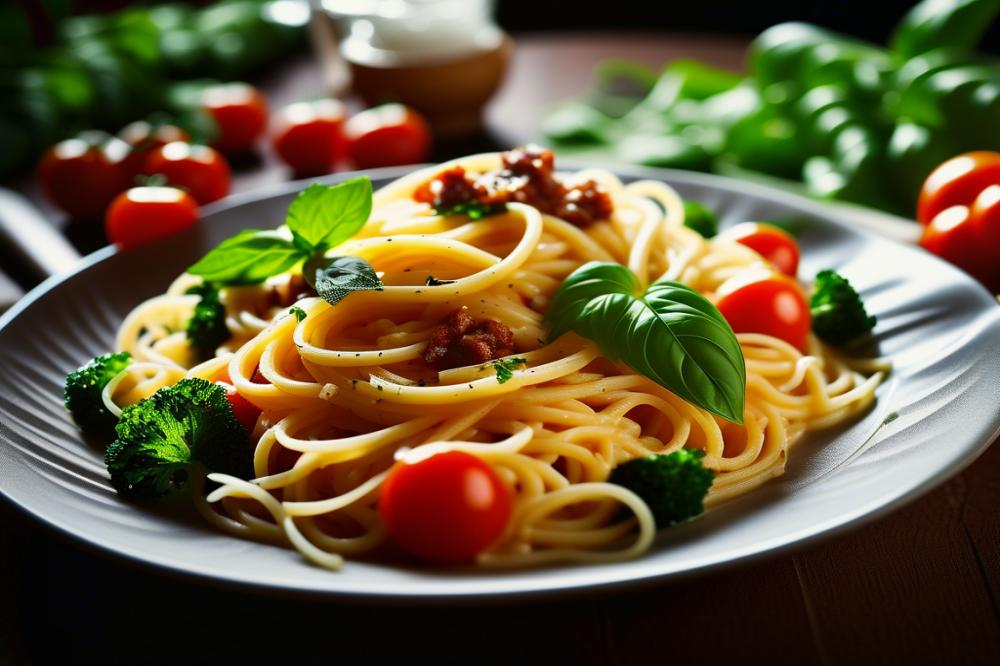
The dish is a staple in Rome, representing more than just comfort food. Defining carbonara involves recognizing its rich history rooted in Italian cuisine. Scholars argue over its origins, but most agree it became popular in the mid-20th century. Some believe it was created by Italian charcoal workers, hence the name “carbonara,” derived from “carbone,” meaning coal.
Key Ingredients and Traditional Recipes
Quality matters when it comes to this classic meal. Traditional recipes call for specific food sources, emphasizing local ingredients. Basic components generally include guanciale, eggs, hard cheese, black pepper, and spaghetti or fettuccine. Guanciale, which comes from pork cheek, offers an authentic flavor that can’t be substituted easily. The creamy texture results from emulsifying the egg mixture with hot pasta, creating a luscious sauce without the use of cream.
Differences Between Authentic Carbonara and Variations
While variations exist worldwide, they often stray from true traditions. Many restaurants outside Italy use cream or additional sauces, altering the original taste. Regional adaptations might include different proteins or even vegetables, but these choices stray from the classic profile. A true culinary experience involves both simplicity and quality, using fresh ingredients available in the Roman markets.
During a dining experience in a Roman Trattoria, the authenticity shines through every bite. The fascinating food culture surrounding this dish elevates it beyond mere sustenance. Enthusiasts often debate the best way to enjoy it, but what remains clear is its significance within the heritage of pasta gastronomy.
The Roman Trattoria Experience
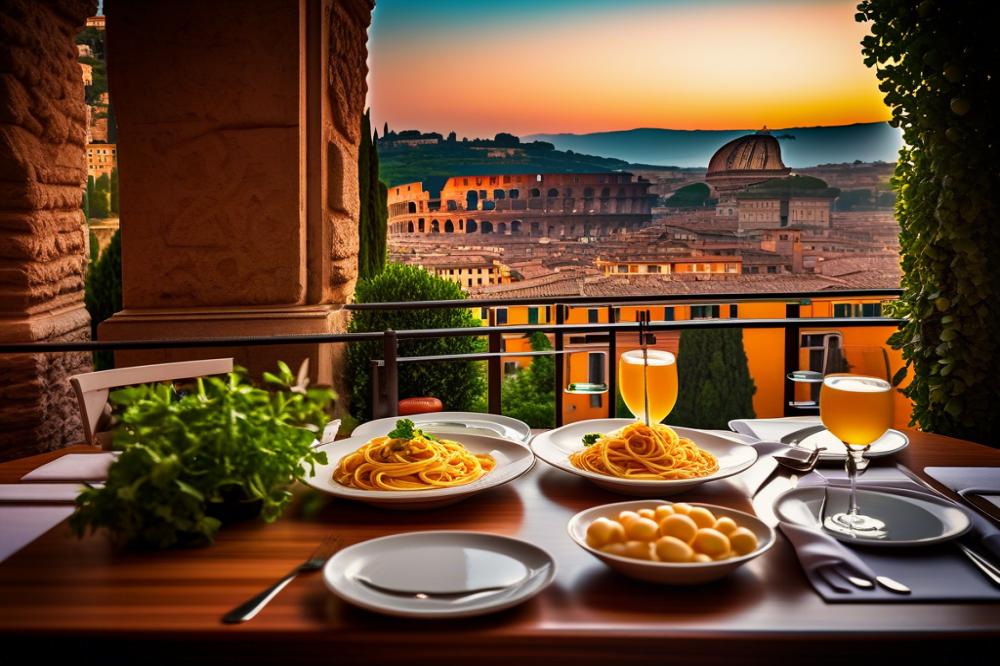
A trattoria is more than just a restaurant; it is a cherished part of Italian culture. These establishments are often family-owned and emphasize an informal dining experience. In Rome, visiting a trattoria means diving deep into the city’s rich food culture.
The atmosphere inside a Roman trattoria is warm and welcoming, fitting for a casual meal. Tables are usually set close together, allowing conversations to flow easily among diners. Rustic décor and lively chatter create an inviting ambiance that celebrates community. You might find locals enjoying their meals alongside tourists, all drawn together by a love of good food.
Local ingredients play a crucial role in this culinary experience. Fresh produce, seasonal vegetables, and high-quality meats are staples in traditional recipes. These elements highlight the flavors of Rome and the surrounding countryside. When you eat at a trattoria, you can taste the difference that comes from using ingredients sourced from nearby markets. The pasta served is often made in-house, providing a genuine connection to Italian gastronomy.
Dining in such a setting invites you to savor each bite thoughtfully. Authentic flavors dance on your palate, and the meal becomes a journey through the history of Italian cuisine. In every dish, there is a story waiting to be discovered, rooted deeply in the Italian way of life.
Where to Find the Best Carbonara in Rome
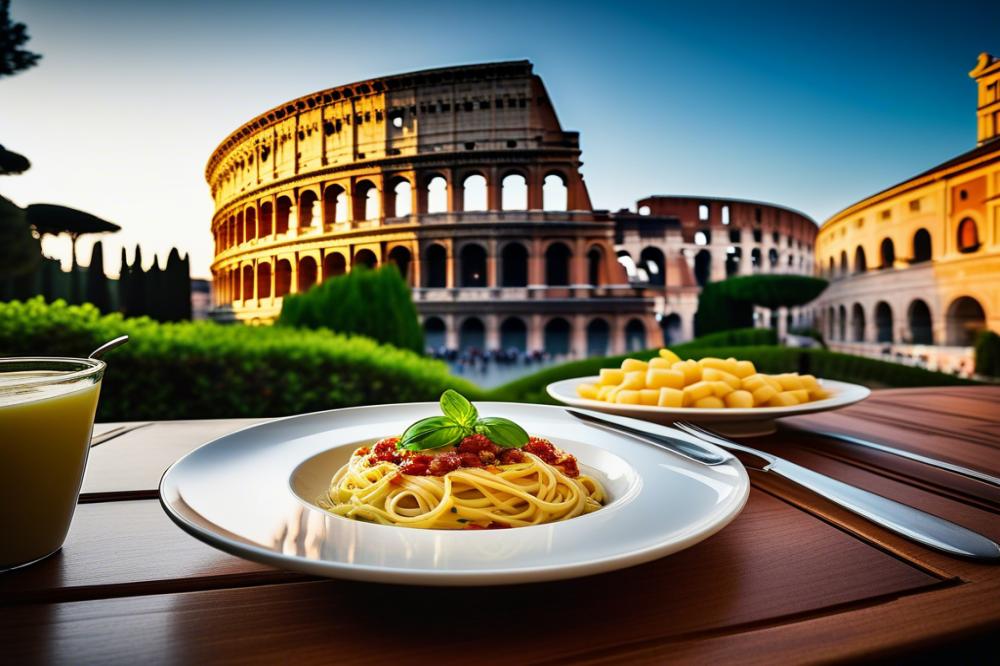
For anyone seeking an authentic Roman culinary experience, the search for the ideal dish often begins with pasta. Roman trattorias are the heart and soul of Italian cuisine, where traditional recipes are preserved and celebrated. Many locals can point you to their favorite spots, but a few restaurants stand out among the rest.
Recommendations for Top Trattorias
A popular choice is Trattoria da Enzo al 29, located in the Trastevere neighborhood. The quaint atmosphere adds to its charm. People often rave about the creamy sauce and al dente pasta. Another well-known option is Roscioli, a food haven that combines a deli and a restaurant. Their version of this classic dish is rich and savory, using high-quality local ingredients. When venturing to San Lorenzo, consider visiting A ri svolta, where the friendly service enhances the dining experience.
Insight into the Chefs and Their Cooking Methods
Chefs at these establishments take pride in their craft. They often use traditional methods passed down through generations. Expertly chosen ingredients play an essential role. Guanciale, a type of cured pork, is a key element that gives the dish its distinctive flavor. The guanciale is cooked until crispy, and then it mingles with egg and cheese for a luscious sauce. Many chefs emphasize the importance of timing during cooking to achieve that perfect creamy texture. Attention to detail transforms simple ingredients into a memorable meal.
Tips for Ordering and Enjoying Like a Local
When dining in Rome, it’s best to embrace the local food culture. Consider ordering the dish as a solo main course rather than as an appetizer. Avoid asking for cream; the traditional recipe relies solely on egg and cheese for its creamy consistency. Pairing it with a glass of white wine can elevate your experience even further. Most importantly, savor every bite as you appreciate the blend of flavors that embody Italian gastronomy. Dining here is more than just about the food; it’s about the experience, the ambiance, and the joy of communal meals.
Pairing Carbonara with Italian Cuisine
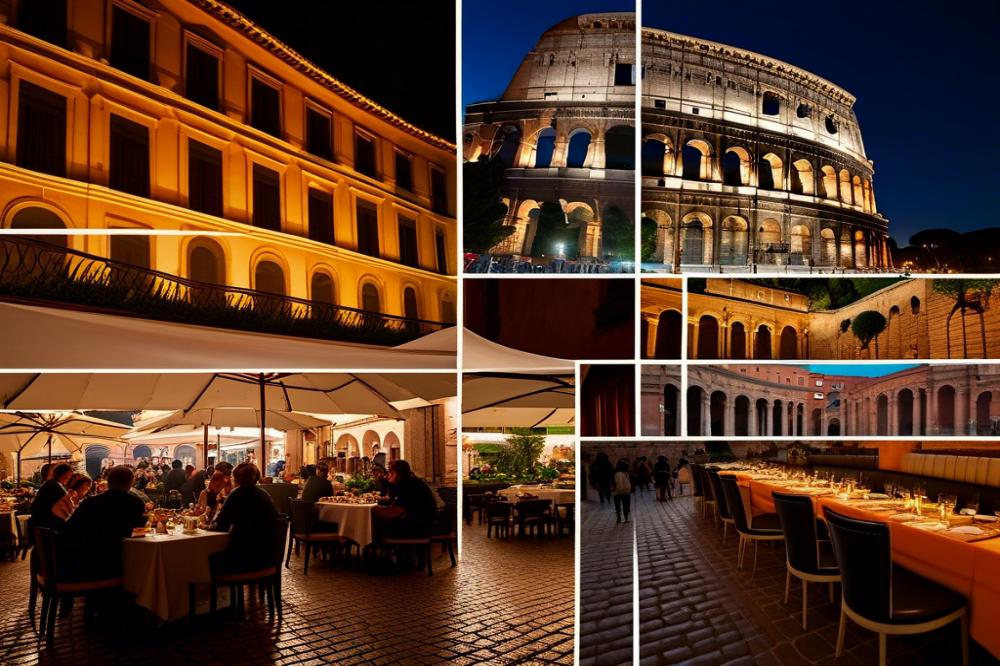
When dining in Rome, one cannot overlook the perfect match for this beloved pasta dish. Traditional accompaniments play a significant role in creating a complete culinary experience. Freshly baked bread often appears on the table, allowing diners to savor every last bit of the sauce. A light, crisp salad featuring local ingredients can complement the richness of the meal, balancing flavors beautifully.
Traditional Accompaniments and Wine Pairings
Wine selection deeply influences the enjoyment of a meal. For instance, a glass of Frascati, a local white wine, provides a refreshing contrast to the savory notes of the dish. Some prefer a robust red, like Chianti, which pairs well with the intense flavors of cured pork. It’s important to choose wines that enhance the overall experience of dining in a Roman trattoria.
Exploring Regional Flavors and Other Local Dishes
Rome is rich in culinary treasures beyond just pasta. Street food offers delightful options for adventurous eaters. Supplì, a type of rice ball stuffed with cheese, makes for a great starter. Other local dishes like Saltimbocca and Carciofi alla Romana highlight the diversity of Italian cuisine. Tasting these dishes allows for a deeper understanding of the region’s food culture.
Importance of Pasta in Italian Gastronomy
Pasta holds a cherished place in Italian gastronomy. Italians take great pride in their traditional recipes, often passed down through generations. Each shape and sauce combination tells a story about the region’s history and ingredients. This iconic staple showcases both the simplicity and complexity of Italian dining. Understanding the role of pasta enhances appreciation for the entire meal experience.
Culinary Adventure Tips
Planning Your Food Journey in Rome
Exploring the streets of Rome is a thrilling adventure for food lovers. Start by making a list of trattorias known for their traditional recipes. A little research can reveal hidden gems that serve authentic Italian cuisine. Check reviews or ask locals for guidance. Dining during weekdays often provides a quieter experience. Let the early or late hours be your choice to avoid the crowds. Be ready to embrace local ingredients that define Roman gastronomy.
Cultural Etiquette for Dining in Trattorias
Dining etiquette in Italy can enhance your culinary experience. Begin with greetings; a simple “Buongiorno” goes a long way. Italians appreciate politeness. When ordering, take your time and avoid rushing through the menu. It’s common to share dishes, so don’t hesitate to ask for recommendations. Tipping is not obligatory, but rounding up the bill is a nice gesture. Remember that meals are seen as a social occasion, so savor each moment instead of hastening through your meal.
Engaging with Locals and Enhancing Gastronomic Experiences
Communicating with locals can unveil stories behind the dishes. Approach staff with genuine curiosity about the food culture. Questions about how pasta is made or what ingredients are used show interest. Locals often share secrets about the best times to visit a trattoria. Cultivating conversations might lead to unexpected experiences or even invitations to local events. Authenticity in these interactions can deepen your appreciation for the region’s food. Relishing every bite in a friendly atmosphere makes the experience memorable.
Closing Thoughts on the Culinary Adventure
Experiencing authentic carbonara in a Roman trattoria is more than just a meal; it is a connection to Italian culture and tradition. This dish embodies the rich culinary history of Rome, highlighting the importance of using fresh, quality ingredients. Every bite of this famous pasta transports you to a place where time-honored recipes are cherished and shared among family and friends.
When visiting these quaint eateries, consider each visit an opportunity for exploration. The warmth and hospitality of local chefs, who often take pride in their craft, make the experience even more memorable. Their passion for food shines through, offering diners a glimpse into the heart of Roman life.
Preserving traditional Italian cuisine is essential. By choosing to indulge in local dishes, you help keep these cherished recipes alive for future generations. Each meal serves not only as nourishment but also as a reminder of the heritage that maps the roots of Italian dining culture.
Take time to savor these experiences. Tasting authentic food connects us and enhances our appreciation of diverse culinary arts. Seek out a trattoria on your next trip, and let yourself be drawn into the delightful world of Italian flavors.

