
Introduction
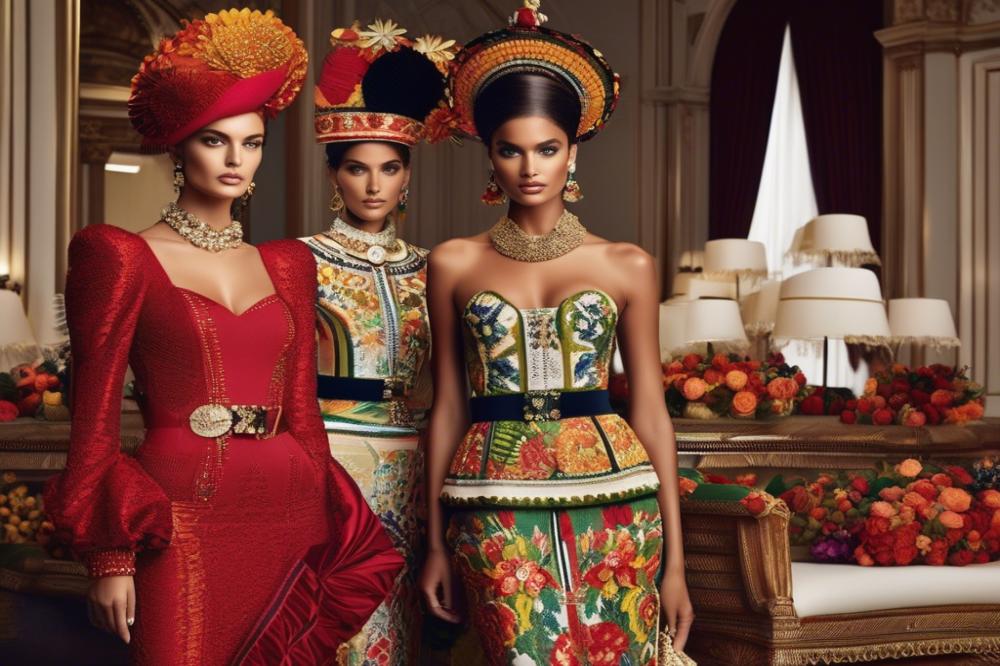
Italian fashion is renowned for its elegance, creativity, and craftsmanship. It stands as a beacon in the world of style, captivating people globally. From high-end luxury to everyday wear, Italian design has significantly shaped various fashion trends over the years.
Renowned designers are at the heart of this impact. Talented visionaries have crafted their brands into symbols of sophistication. Names like Dolce & Gabbana, Gucci, and Prada have transcended borders to represent not just clothing, but a lifestyle. Each brand brings its unique flair, redefining haute couture.
Every year, Milan Fashion Week showcases the very best in design innovation. This event is pivotal for introducing fresh ideas and theatrical presentations. Designers present collections that set the stage for the season’s fashion. It is a moment where creativity meets commerce, influencing what styles will dominate the market.
Luxury brands like Versace play a critical role in fashion history. They combine opulence with art, pushing the boundaries of design. The influence of these creators extends beyond Italy, shaping industry standards and consumer expectations. Their contributions are felt across the globe, making Italian design a cornerstone of Global Fashion.
Historical Context of Italian Fashion
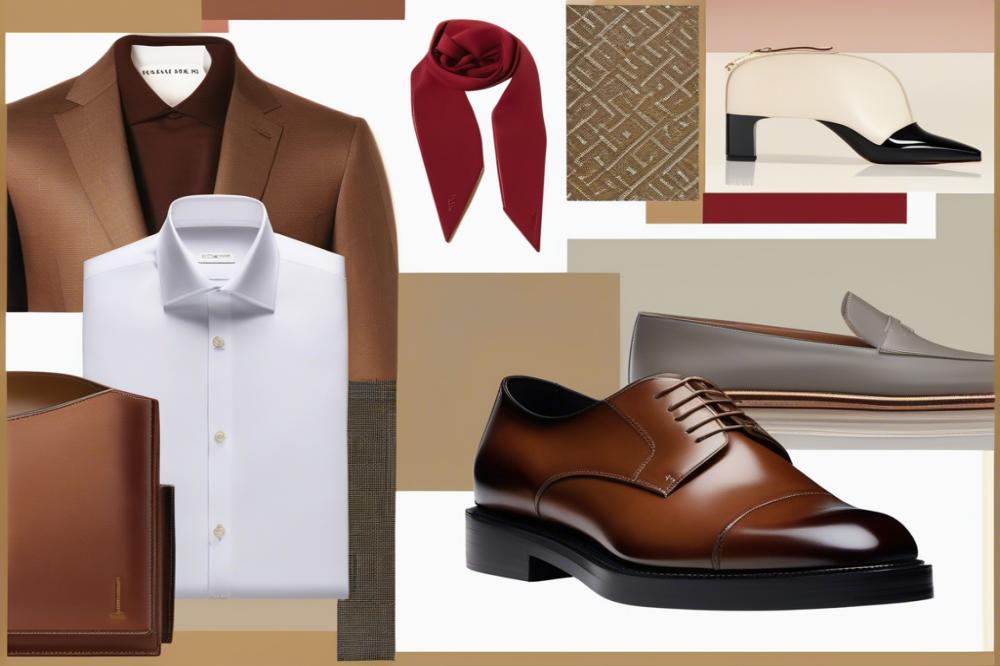
Italian fashion has roots that stretch back centuries. Initially, it found its identity in the Renaissance when artists and architects sparked a new appreciation for beauty and design. Over time, this creativity evolved alongside societal changes and technological advancements, shaping modern clothing and apparel.
Historical events played an important role in this evolution. The unification of Italy in the 19th century brought together diverse cultural influences. Later, World War II created challenges, but also opportunities for innovation. Designers had to adapt quickly, leading to new styles and sensibilities.
Landmark moments in fashion history helped define the Italian industry. Milan Fashion Week became a crucial stage for luxury brands like Gucci and Prada. This event showcased bold collections that made waves worldwide. The impact of renowned labels such as Versace and Dolce & Gabbana cannot be overstated. Their work set trends and established Italy as a leader in haute couture.
Design innovation in Italy often reflects broader cultural shifts. The rise of ready-to-wear fashion changed how people approached personal style. Italians embraced a blend of traditional craftsmanship and modern aesthetics.
Fashion trends from this country have influenced global tastes. As styles circulated, they merged with ideas from other regions. Italian Designers brought something fresh to the table, energizing the fashion scene.
Key Italian Designers and Their Impact
Spotlight on Dolce & Gabbana: Blending Tradition and Modernity
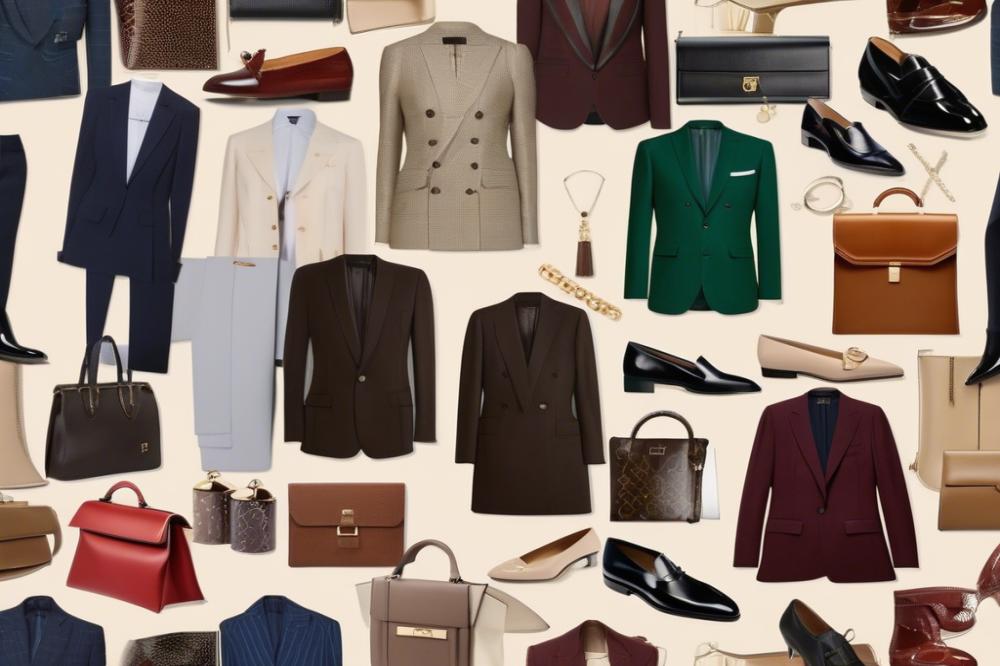
Dolce & Gabbana has masterfully combined old-world charm with contemporary flair. Their designs often celebrate Italian culture, featuring rich fabrics and vibrant prints. Influences from Sicily are evident in many creations. Each collection tells a story, making their runway shows a reflection of both heritage and current fashion trends. By embracing tradition, they invite wearers to experience the history of fashion through a modern lens. This approach keeps them at the forefront of haute couture.
Gucci: Innovation in Luxury and Branding
Gucci has revolutionized the concept of luxury brands. Under the leadership of creative directors, the label has pushed boundaries in design innovation. Bright colors and eclectic patterns define their collections, often surprising the fashion world. Their bold branding strategies have made them a household name. Each piece feels like a work of art, making Gucci synonymous with high fashion. The brand’s influence extends beyond clothing, impacting accessories and even lifestyle trends. Milan Fashion Week often showcases their latest creations, eagerly awaited by enthusiasts.
Prada: Minimalism and Intellectual Approach
Prada takes a different route with its signature minimalist aesthetic. This brand focuses on simplicity, yet it communicates sophistication. Pieces often come with an intellectual twist, appealing to thoughtful consumers. Their designs challenge conventional ideas of beauty and elegance while staying relevant in fashion history. Prada’s ability to merge high-quality materials with understated elegance sets it apart in the industry. Attention to detail ensures that even the simplest items have a story and purpose.
Versace: Boldness and Pop Culture Influence
Versace is known for its vivid patterns and daring styles. The brand reflects a strong connection with pop culture, often merging fashion with art and music. Bold prints and bright colors catch the eye, expressing confidence and flair. Versace has become a leader in high fashion, appealing to those who want to stand out. The iconic Medusa logo is a symbol of glamour and daring style. This blend of fashion and cultural commentary establishes Versace as a vital player in the landscape of global style.
Italian Fashion Trends and Design Innovation
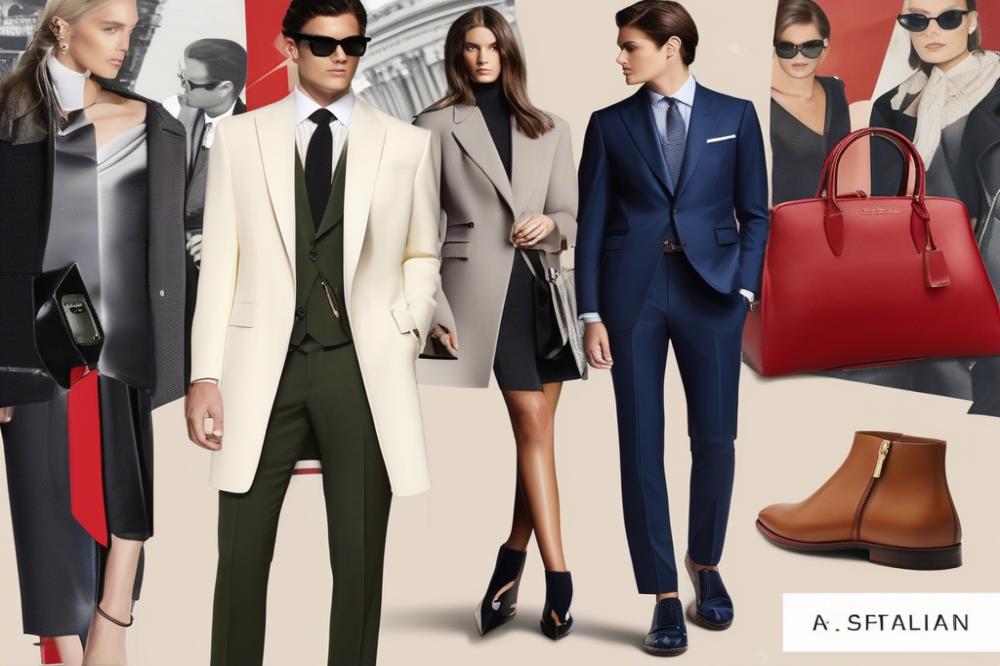
Italian designers have continually set fashion trends that ripple across the globe. Brands like Dolce & Gabbana and Gucci often lead the charge, showcasing collections that captivate audiences during prestigious events like Milan Fashion Week. These fashion houses are known for their groundbreaking styles that combine bold creativity with cultural references. Even the allure of classic Italian aesthetics has inspired countless designers worldwide.
The role of design innovation is essential in each new collection. From unique silhouettes to the use of vibrant colors, innovation breathes life into each piece. Prada is celebrated for pushing boundaries, challenging conventional ideas in haute couture. Innovations don’t just stop at clothing; accessories from luxury brands often become must-have items. Their fresh takes on fashion keep consumers engaged and eager for the next big reveal.
Another key aspect of Italian fashion is the fusion of traditional craftsmanship with modern aesthetics. Versace exemplifies this blend, creating garments that reflect artistry and heritage. Techniques passed down through generations come alive in every stitch. When modern forms meet age-old skills, fashion transforms into something extraordinary. This combination sets a high standard for the industry, influencing how others approach design.
As fashion history unfolds, the impact of Italian designers remains evident. They are not just creating clothing; they are crafting experiences. Their innovative approaches elevate styles, motivate trends, and inspire passion in followers around the world. In every collection, the spirit of Italy shines through, making waves that last far beyond the runway.
Milan Fashion Week: The Epicenter of Italian Fashion
Milan Fashion Week stands as one of the most significant events in the Global Fashion calendar. It showcases the latest trends and sets the stage for the upcoming season. Fashion enthusiasts and industry experts alike eagerly await this event. Every year, it attracts high-profile designers, celebrities, and media from around the world.
Top shows create buzz and excitement. Renowned brands like Dolce & Gabbana, Gucci, Prada, and Versace reveal their latest collections. Each presentation tells a story through stunning designs and innovative concepts. The runway often becomes a canvas for haute couture, combining art and fashion seamlessly.
Design innovation is at the heart of Milan’s charm. Many designers embrace creativity and bold ideas, pushing boundaries in fashion. This week is not just about clothes; it’s a cultural experience. Visitors enjoy a blend of art, music, and gastronomy, making it a complete celebration of style and sophistication.
The role of Milan as a global fashion hub cannot be understated. This city has a rich fashion history that dates back decades. It continues to influence fashion trends worldwide. People travel from all corners of the globe to witness this spectacular event. Milan Fashion Week is where luxury brands redefine themselves, bringing fresh ideas to life.
The energy in the city during this week is palpable. Streets become runways, and every corner buzzes with style. Attendees showcase their individuality while savoring the latest collections. Fashion is not just a profession here; it’s a way of life. Everyone, from models to designers, plays a part in the narrative of Milan.
The Global Influence of Italian Luxury Brands
How Italian brands shape global luxury markets
Italian luxury brands like Dolce & Gabbana, Gucci, and Prada have become symbols of high-end fashion around the world. Their unique styles and quality craftsmanship set trends that influence how luxury markets operate. Every season, collections from these designers create waves, impacting what consumers desire. When luxury buyers think of elegance, they often think of Italian heritage. This strong association helps to shape consumer expectations far beyond their borders.
Analysis of brand identity and international appeal
Each brand carries a distinct identity that resonates globally. For instance, Versace is known for its bold prints and daring designs. This characteristic attracts attention from celebrities and fashion lovers alike. Gucci, on the other hand, combines modern aesthetics with classic elements, appealing to a wide audience. Such diversity in style contributes to their international appeal. Fashion trends often reflect the cultural contexts of these brands, making them relevant across different markets. Their influence is deep-rooted in fashion history, allowing them to adapt and thrive in a constantly changing environment.
Collaborations and partnerships that transcend borders
Strategic collaborations have also broadened the reach of these luxury brands. Partnerships with department stores and online retailers pave the way for greater access to their products. Designers frequently team up with artists or other brands for limited-edition lines, keeping their offerings fresh and exciting. These collaborations attract attention and create buzz in the fashion industry. Notably, events like Milan Fashion Week showcase these alliances, highlighting innovation in design. The synergy between various entities helps propel Italian brands even further into the global marketplace, enhancing their allure and desirability.
Final Thoughts on Italian Fashion’s Enduring Legacy
In summary, the influence of Italian designers on global fashion remains profound and undeniable. Renowned brands like Gucci and Dolce & Gabbana have set trends that continue to inspire countless creators worldwide. Their ability to blend innovation with tradition creates a lasting appeal that resonates across cultures.
Looking forward, the future of fashion in Italy promises both challenges and opportunities. As new designers emerge, they will build on the rich history of craftsmanship and style. While modern tastes evolve, the core values of quality and aesthetics will always hold significant importance.
Appreciating Italian craftsmanship goes beyond simply liking a pretty dress. It involves recognizing the artistry behind each piece. The dedication that goes into creating fashion in Italy reflects a commitment to excellence and imagination. As global fashion continues to shift, so too will our understanding of what it means to wear Italian design and innovation.
Investing in these designs is not just about clothing; it’s a way of celebrating a culture that values beauty and creativity. So, let’s embrace the magic that comes from Italy and encourage the spirit of originality that has the power to transform the world of fashion.

