
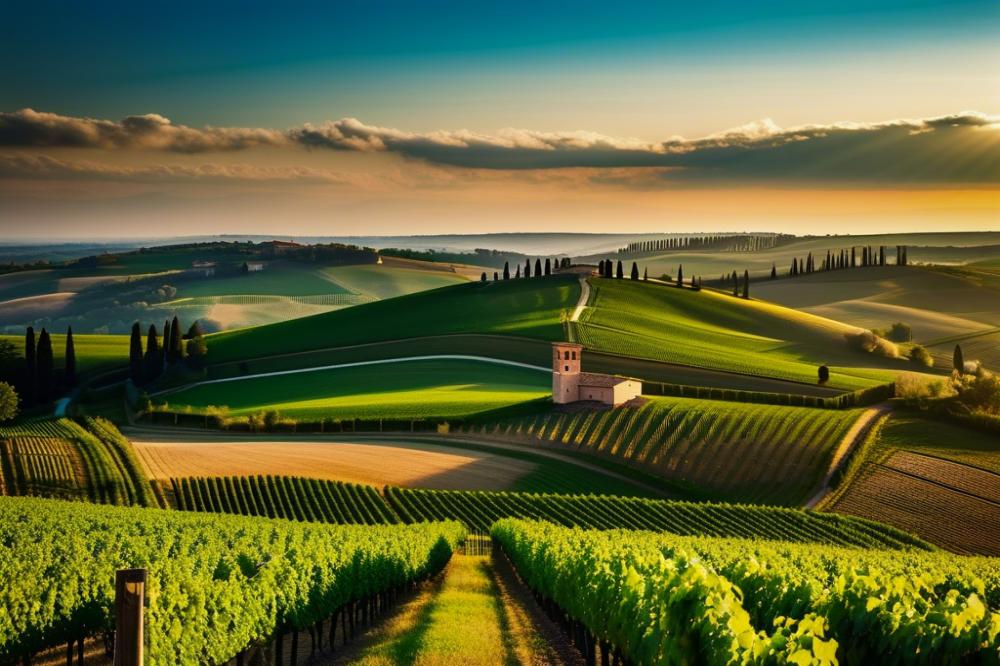
Exploring the Culinary Heritage of Parma’s Ham Producers
Italy is famous for its delightful culinary adventure holidays. Travelers often seek out local food traditions, and these experiences can be transformative. Food lovers know that each region offers its specialties, reflecting the culture and history of the area. When it comes to culinary treasures, few places rival the hidden gems of Parma.
Parma, nestled in the heart of Emilia-Romagna, is a city rich in gastronomic significance. It is renowned for its prosciutto, a dry-cured ham that has captured the hearts of many. Ham producers in Parma have perfected their craft over centuries, passing down techniques from one generation to the next. Each producer tells a story of dedication, passion, and respect for tradition.
Visitors to Parma can discover more than just ham. The region is known for its cheeses, balsamic vinegar, and fresh pasta. Yet, Parma’s ham often stands out as a defining element of its culinary identity. Exploring the production process of these hams offers insights into the care required to create this delicacy. Understanding how artisans choose their ingredients and control the curing process is essential for grasping their commitment to quality.
Engaging in a tour of the ham production facilities is a treat for the senses. Guests are invited to experience the sights and aromas of both the workshops and the aging rooms. One might say these hams encapsulate a moment in time, where tradition meets skill. Observing the intricate methods employed gives an appreciation for the patience and time required. Visitors can learn about the specific conditions that influence the flavor and texture of the finished product.
Parma also fosters a community of passionate chefs who integrate local ingredients into unique recipes. Local cuisine thrives here, with restaurants celebrating the proud heritage of the region’s fare. Many chefs emphasize the importance of using regional products. They highlight the relationship between food and culture while bringing the flavors of Parma to life.
Setting off on a culinary journey in Parma promises to be rewarding. Food enthusiasts will find joy in the discovery of authentic flavors and techniques still prevalent in today’s cooking. By diving into the world of ham production, guests are not only tasting the history but also understanding the essence of the community’s identity. Engage with #anchor_text_1# and explore the intricacies of this beloved delicacy. There’s much more than meets the eye; it’s a cultural exploration waiting to be undertaken, enriched by the craftsmanship of #anchor_text_2#.
The Legacy of Parma’s Ham
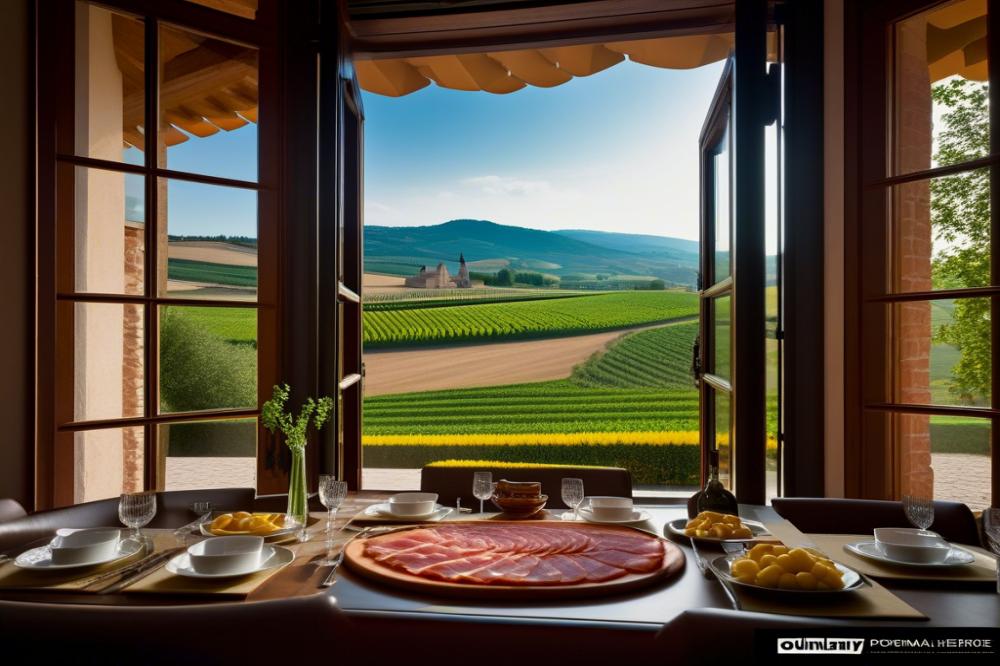
The region of Parma, located in northern Italy, has a rich history of ham production that dates back to ancient times. The earliest records mention the art of curing pork in the area more than two thousand years ago. During the Roman Empire, methods of preserving meat were perfected. This laid the groundwork for what would become the famous Prosciutto di Parma.
Traditional methods of producing Parma Ham are rooted in time and culture. The process begins with high-quality pigs raised in the nearby countryside. These pigs are fed a special diet that includes grains and whey from local cheese production. After slaughter, the hind legs are salted immediately. Salt acts as a preservative while enhancing the natural flavors.
Following the salting phase, the ham undergoes a curing process that can last for at least a year. During this time, the meat is carefully monitored. Local artisans play a crucial role in this stage. Their experience and knowledge help maintain the high standards necessary for creating authentic Parma Ham. It is this craft that truly distinguishes it from other types of cured meats.
Regulations also contribute to the integrity of the ham production process. To be labeled as Prosciutto di Parma, a ham must meet specific criteria set by the Consorzio del Prosciutto di Parma. This includes the origin of the pigs and adherence to traditional methods. Oversight by the consortium guarantees that every leg of ham meets strict quality standards.
Local farms are essential to this legacy. Many family-run businesses have been passed down through generations. These farms not only produce the pigs, but they also nurture the relationships within the community that sustain the industry. This connection underscores the importance of tradition in every slice of ham.
The role of artisans cannot be overstated. They possess invaluable skills that have been honed over decades. Through their dedication, the unique flavors and textures of Parma’s ham continue to thrive. Collaborations between farmers and artisans ensure the tradition remains vibrant, despite modern challenges.
Conversations about food often lead back to Parma. People eagerly discuss the pride each producer feels for their craft. As visitors sample the delicious Prosciutto di Parma, they also taste a piece of history—one that has been meticulously preserved through the ages.
The Production Process

The creation of Parma Ham is a meticulous endeavor that begins with the careful selection of ingredients. Pork, primarily from the Emilia-Romagna region, is the star component. It comes from specific breeds, such as the Large White, Landrace, and Duroc. These pigs thrive in a natural environment that allows them to gain weight organically. This local atmosphere fosters the distinctive flavors that define the ham.
Salting is the first crucial step after sourcing the meat. Producers use sea salt to cure the pork. Only high-quality salt is acceptable. This stage is vital. It not only preserves the meat but also shapes its flavor profile. After salting, the hams undergo a resting period. This could last up to a month. During this time, the salt penetrates the meat, enhancing its taste.
Aging follows this initial phase and marks the beginning of a long transformation. Hams are hung in controlled environments, often in cellars with optimal temperature and humidity. Natural airflow plays a role in this process. Over a span of 12 months or more, the hams develop their rich flavor and fragrant aroma. The local climate is pivotal during aging. Dry air from the nearby Apennine Mountains contributes to the drying process, allowing flavors to blossom.
As the months pass, the hams lose moisture, concentrating their flavors. The fats in the meat slowly break down, imparting a sweetness and depth. Changes occur in texture as well. The ham becomes more tender, yet retains its structure. Producers monitor the progress closely during this phase. Each ham is unique, reflecting the local environment and production methods.
After a minimum aging period of 12 months, producers begin testing the hams. This involves assessing color, aroma, and texture. If a ham meets the strict quality standards, it is eligible for certification. Only hams that pass this rigorous evaluation can be labeled as Parma Ham. The entire production process highlights the harmony between traditional methods and nature.
Tasting the Tradition
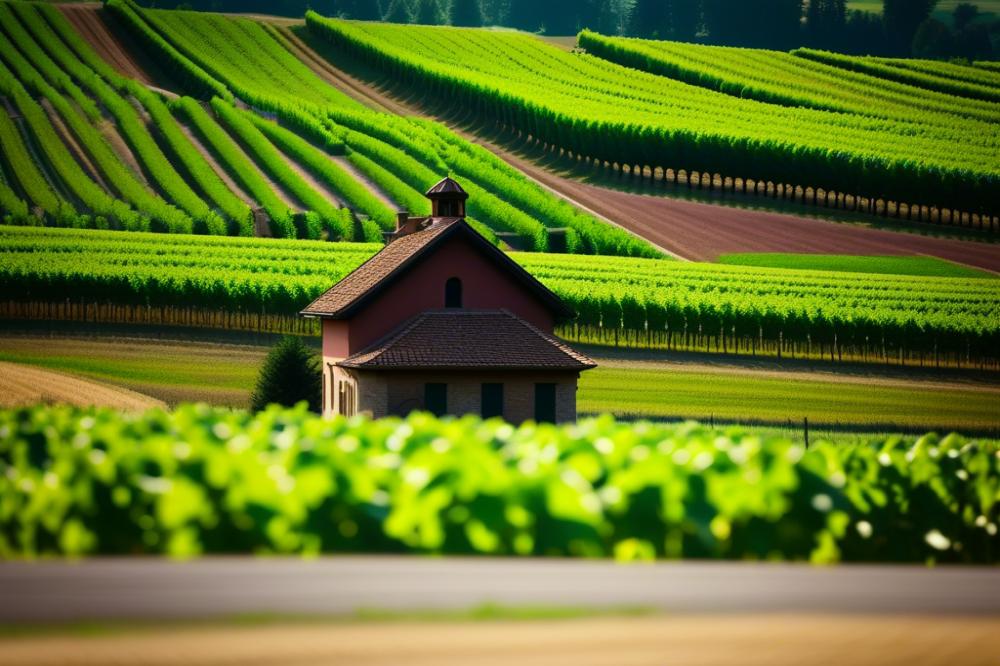
For culinary tourists, guided tasting experiences offer an authentic journey into the heart of Parma’s rich food culture. Numerous local producers welcome visitors to sample their ham, showcasing the meticulous craftsmanship that goes into each leg. Tours often include explanations of the curing process, allowing attendees to appreciate the time and skill involved.
Pairing Parma Ham with local wines and cheeses adds an exciting dimension to the tasting experience. A typical choice might include a glass of Lambrusco, which complements the savory notes of the ham perfectly. Cheese, such as Parmigiano-Reggiano, provides a delightful contrast, enhancing the overall flavor profile. Visitors will enjoy experimenting with different combinations to discover their favorites.
Exploring local dishes reveals how ham plays a central role in regional cuisine. Traditional recipes often include ham as a key ingredient. For example, Tortellini in Brodo features this ham flavor, creating a warm and comforting meal. Pizza, salads, and even pastries showcase the versatility of ham in various forms, providing delicious options for those curious about local gastronomy.
Through these tactile experiences and culinary traditions, tourists obtain valuable insights into the heritage of Parma’s food landscape. This allows for a deeper understanding of how food not only nourishes but also connects people to their history. Each bite of Parma Ham is a taste of the past, rich with stories waiting to be shared.
Meeting the Producers
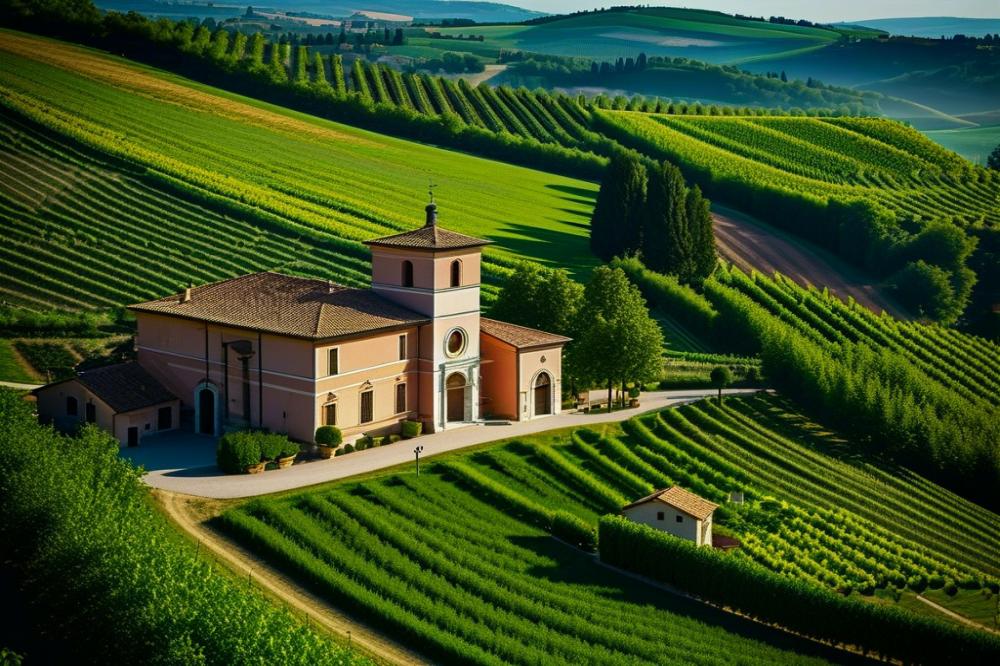
In the heart of Parma, artisanal ham producers keep traditions alive. Each maker has a compelling story to tell. These families have learned their craft over generations. Their passion for curing ham reflects their deep roots in the community.
Profiles of Notable Producers
One prominent figure in the region is Giovanni Rossi. His family has been producing ham since the early 1900s. Giovanni recalls watching his grandfather work. “I would sit on barrels, fascinated by the process,” he states. This fascination turned into a lifelong career. He now uses techniques passed down through his family, blending tradition with modern insights.
Another key player is Lucia Bianchi. Her story is equally inspiring. For her, ham production is a form of art. “Every piece is a labor of love,” she explains. Lucia emphasizes quality over quantity. She personally oversees every stage, from selecting the right pork to the final aging process. This personal touch makes her product stand out.
Artisans Sharing Their Passion
Artisans like Giovanni and Lucia take great pride in their work. Interviews reveal a common theme: dedication to their craft. Many use time-honored methods that have changed little over the years. Curing takes place in special cellars, where temperature and humidity are carefully controlled. “We have our ways,” says Giovanni. “Each step is essential.”
Passion shines through their words. Both producers talk about the importance of patience. Aging can take anywhere from nine months to several years. Each day adds flavor and depth. Lucia comments, “The longer it rests, the better it becomes.” Their commitment to quality helps preserve the culinary heritage of this esteemed region.
The Role of Family Businesses
Family businesses play a crucial role in maintaining this rich culinary legacy. Generations of knowledge and skill are passed onto the young. Many of these producers start training at an early age. Working alongside parents and grandparents, they learn the ins and outs of the trade. This hands-on experience helps mold the future of ham production.
Meet the Ferri family, known for their time-honored techniques. For them, ham production is not just a business; it’s a way of life. “It connects us to our past,” says Marco Ferri, the current owner. The pride in their heritage motivates them to keep traditions intact. The emotional bond to their craft makes every ham special.
Through their stories, we see the importance of preserving these traditions. The passion displayed by each artisan reflects an unwavering commitment. Meeting these producers brings to light the personal touch that defines Parma’s ham. The legacy of these families is more than just business; it’s art, culture, and history wrapped into each slice of prosciutto.
Culinary Adventures and Tours
Parma is a treasure trove of flavors and experiences. Tour companies offer various organized trips that dive deep into the local culinary scene. Participants can explore ham factories, cheese dairies, and local markets that showcase the region’s rich food culture. Visitors will find that many excursions focus on the famous Parma Ham producers. Walking through the ham aging rooms is an unforgettable sight.
Consider booking a guided tour for a more enriching experience. Many guides share stories about traditional methods and family recipes passed down through generations. Expect to taste not only Parma Ham but also other local specialties. Using proper tasting techniques can elevate this experience. For instance, try pairing the ham with regional wines. This combination enhances the flavors in a delightful way.
Travelers should not miss a visit to the renowned Mercato di Parma. This bustling market is a haven for food lovers. Here, one can find fresh produce, artisanal cheese, and, of course, exquisite cured meats. Sampling local products is an adventure in itself. As you stroll through the market, be sure to engage with the vendors. Their passion for food is palpable and adds to the experience.
Food festivals also highlight the culinary diversity in the area. Events typically include tastings, cooking demonstrations, and workshops. Participants can learn how to prepare traditional dishes and understand the cultural importance of each ingredient. Combining these experiences with village visits helps showcase the agricultural roots of the region.
Finding authentic tasting opportunities is essential. Look for small local establishments for true Italian flavors. Restaurants offering a menu focused on local delicacies often provide the best experiences. Those seeking authentic Parma Ham should always ask about the source. Producers take great pride in their craftsmanship and will be happy to share their story.
Moreover, outdoor activities provide a fantastic way to work up an appetite. Biking along the scenic countryside allows one to absorb the region’s beauty. This activity complements the culinary experience wonderfully. After a day of exploration, enjoy a local meal with friends or family. It’s a perfect way to end a day immersed in Parma’s culinary wonders.
Final Thoughts
Exploring the culinary heritage of Parma’s ham producers is more than just tasting delicious food. It is a journey into a world where tradition and craftsmanship come together harmoniously. Parma’s ham, known for its rich flavor and history, reflects the local culture and the pride of its artisans. Understanding this unique relationship between the producers and their craft grants insights into the region’s identity.
Readers are encouraged to embark on this culinary adventure personally. Visiting local producers, sampling their offerings, and witnessing their techniques can create unforgettable memories. The stories shared by the ham makers add depth to each bite, making the experience more than just a meal—it becomes a celebration of heritage.
Preserving local culinary traditions in Italy is essential. As time progresses, the risk of losing age-old practices grows. By supporting these dedicated artisans, we contribute to keeping these traditions alive. The craftsmanship, passion, and love that go into every piece of ham deserve recognition and appreciation.
Each visit to Parma is an invitation to connect with its vibrant culinary landscape. We can all play a part in ensuring that future generations enjoy the flavors and history of this region. Let’s not just be visitors; let’s become advocates for the preservation of its gastronomic art. Experience this charm for yourself and relish the stories of #anchor_text_3# and #anchor_text_4#.

