
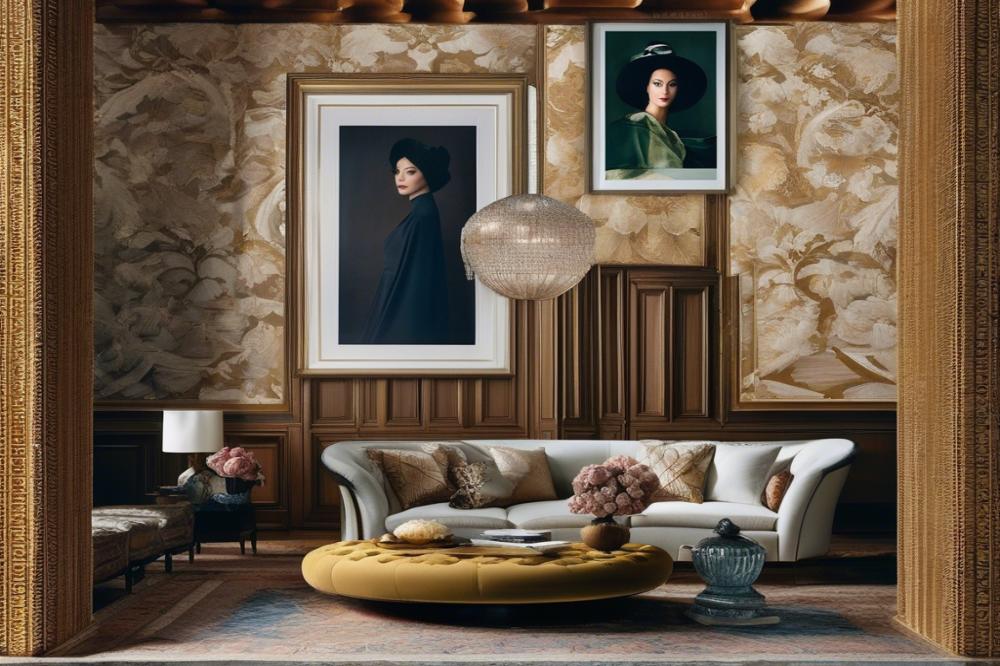
The Secrets Behind Italian textile production
The significance of Italian textile production in the fashion industry cannot be understated. Renowned globally, Italy has a legacy of creating luxury fabrics that define elegance and style. Italian designers take pride in their ability to transform high-quality materials into stunning ensembles. Craftsmanship is the heart of this industry, with artisanal techniques passed down through generations.
This rich tradition goes beyond mere production. It intertwines with the country’s cultural heritage, fostering an environment where creativity and skill flourish. Weaving traditions in Tuscany and silk production in Como are simply a couple of examples of regions where excellence in textile craftsmanship shines. Such dedication to fabric quality elevates Italy to a prestigious position in the global market.
Sustainable textiles are becoming increasingly important as the world shifts toward eco-friendly practices. Many Italian manufacturers focus on ethical methods, ensuring that processes are not only effective but also responsible. Wool manufacturing, for instance, often highlights local resources and artisanal methods, which support small communities.
Lovers of fashion recognize that Italian textiles bring more than just beauty; they embody a commitment to excellence. By integrating innovative techniques with deeply rooted traditions, Italy continues to set trends that resonate worldwide. The impact of its textile heritage is felt far beyond its borders, showcasing the timeless allure of creativity and skill.
The Heritage of Italian Textile Production
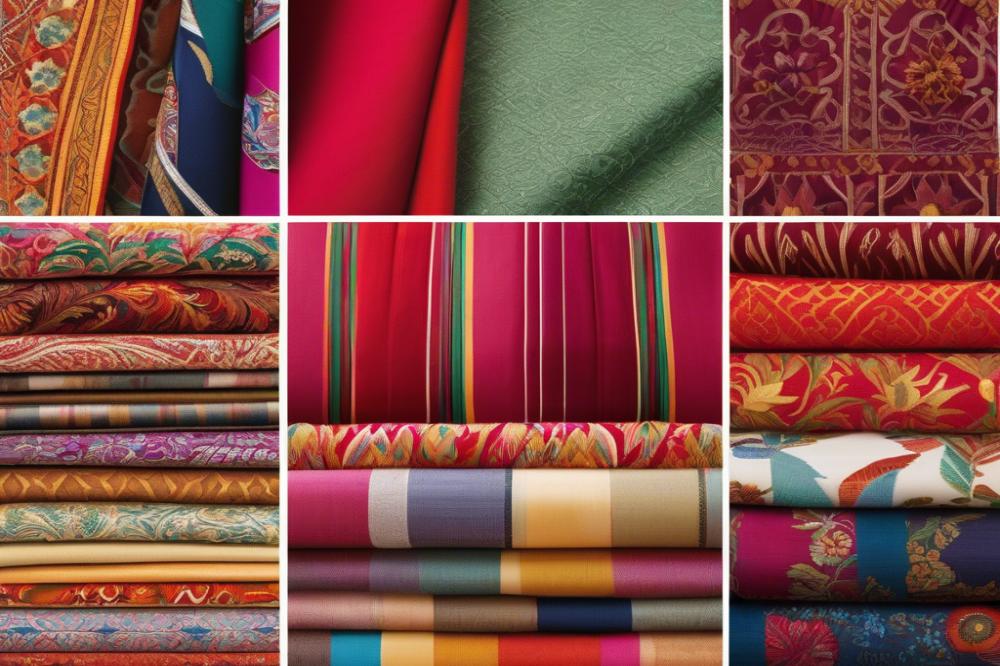
Italy boasts a rich textile heritage that stretches back for centuries. Historical weaving traditions are still celebrated today. Each region has its own specialties, contributing to the overall quality of fabrics produced. For example, Tuscany is known for its exquisite wool manufacturing, while Como shines in silk production.
Craftsmanship plays a crucial role in creating luxury fabrics. Artisanal techniques passed down through generations add character to every piece. Local artisans take pride in their skills, ensuring high standards in each weave. They often use natural dyes and sustainable textiles, which appeal to the modern consumer focused on ethical fashion.
Italian designers have significantly impacted the fashion industry worldwide. Their innovative approach to textiles shapes trends that ripple through global markets. The blend of tradition and contemporary style creates fabrics that are both functional and eye-catching. This unique positioning helps maintain Italy’s status as a leader in textile production.
The diversity of regional specialties enhances the overall fabric quality. Every area produces something distinct, from the lively patterns of Sicilian textiles to the tailored elegance of Milanese materials. These varying influences ensure that Italian fabrics remain sought after by fashion houses and designers alike.
Appreciating Italy’s textile heritage means recognizing the marriage of tradition with innovation. Skilled artisans continue to explore new methods while respecting the past. The foundation of quality lies in these timeless weaving traditions. As the industry evolves, one thing remains clear: Italian textiles are not just materials; they are a testament to a rich cultural legacy.
Artisanal Techniques and Craftsmanship
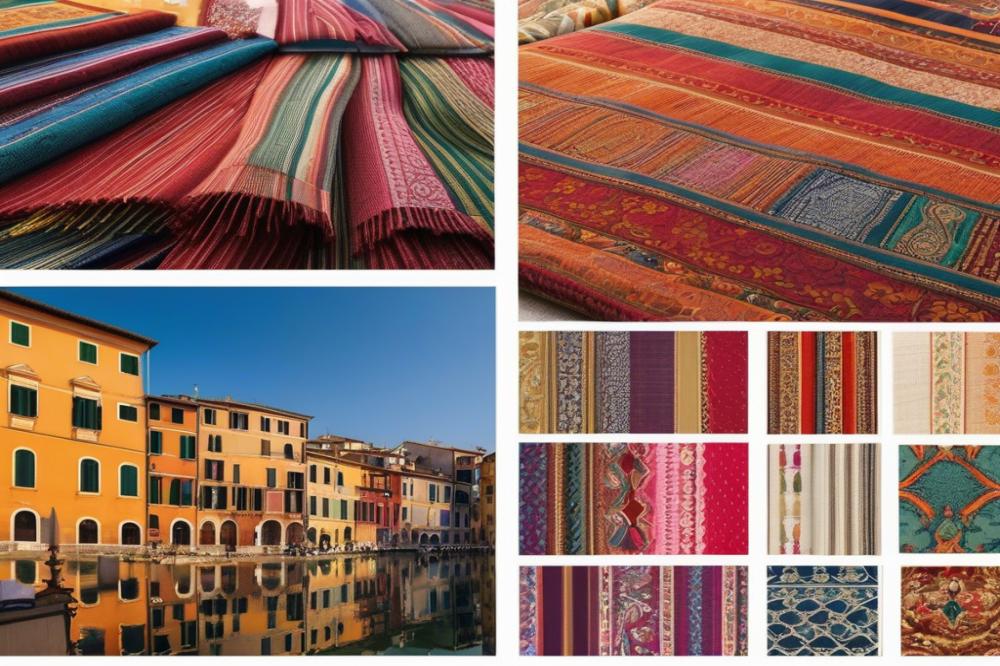
Italian textiles are not just about fabric; they are a celebration of skilled craftsmanship. The heart of this industry lies in artisanal techniques passed down through generations. Each artisan brings their own touch to the materials they work with, creating an atmosphere of creativity and respect.
Wool manufacturing in Italy showcases a deep-rooted history. Traditional methods are often employed to produce high-quality fabrics. Artisans use time-honored techniques to spin and weave wool, ensuring durability. This dedication reflects in the luxurious feel of the final products.
Similarly, silk production remains a vital part of Italy’s textile heritage. Artisans meticulously raise silkworms in controlled environments, allowing them to produce the finest silk. Many Italian designers seek these quality fabrics to enhance their collections. This connection between tradition and modern fashion creates a unique synergy in the industry.
Weaving traditions play a crucial role in defining Italy’s output. The intricate skills of weaving are closely guarded. Artisans often spend years mastering their craft, which can be seen in the patterns and textures they create. They infuse their work with stories and value, making each piece a work of art.
Quotes from artisans provide a glimpse into this vibrant world. One skilled craftsman shared, “Every thread tells a story. I pour my heart into each fabric, and it becomes part of my legacy.” Such insights highlight the emotional connections artisans have with their creations.
Luxury fabrics are not simply commodities. They are the result of careful processes and a commitment to quality. Sustainable textiles have also gained attention, as many artisans merge ancient techniques with environmentally friendly practices. This focus on sustainability is important in today’s fashion industry.
As customers seek authenticity, the artisan’s role becomes even more significant. A young weaver stated, “People want real. They want to know the hands that made their clothing.” This desire for connection drives the appreciation of handmade textiles.
Throughout Italy, the passion for quality shines through. Each artisan, whether in wool manufacturing or silk production, embodies a legacy of dedication. Their work is not just about making textiles; it’s about keeping traditions alive while contributing to a vibrant fashion culture.
Quality and Innovation in Fabric Production
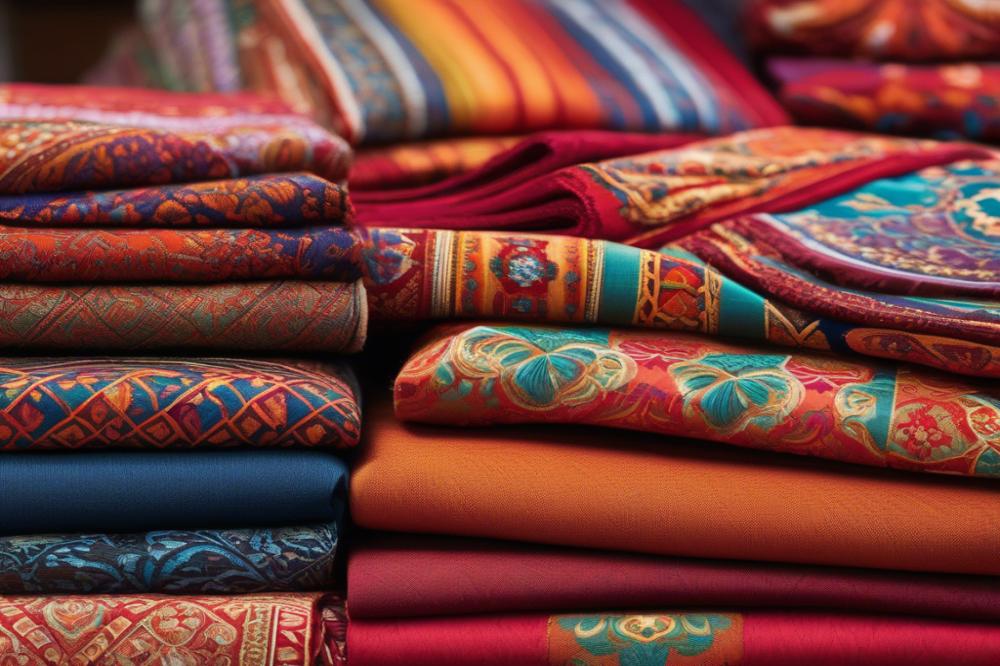
In the world of textile manufacturing, fabric quality stands as a vital element. Italy serves as a beacon of excellence, producing luxury fabrics that define the fashion industry. Silk, for instance, is woven into stunning patterns that reflect both beauty and craftsmanship. Also, wool manufacturing has deep roots in Italian traditions, offering warmth and durability.
Artisanal techniques play a significant role in this production process. Skilled artisans create textiles by hand, blending creativity with age-old methods. These time-tested practices are often passed down through generations. They highlight the rich textile heritage that Italy proudly maintains.
Innovation doesn’t stop at craftsmanship. Modern technology enhances the production process in various ways. New weaving traditions incorporate advanced machinery while retaining high standards. This balance between human skill and modern methods elevates the quality of fabrics produced.
Luxury fabrics define Italian designers’ collections. They demand perfection, seeking fibers that are both exquisite and dependable. Sustainable textiles are also gaining attention, as the industry shifts towards eco-friendly practices. This evolution preserves not just the environment, but also the craftsmanship behind the products.
Fabric quality in Italian textile production is a result of passion, skill, and innovation. New techniques emerge regularly, pushing the boundaries of what’s possible. Each step in the textile process contributes to the final product, ensuring every piece tells a story of rich tradition and dedication.
Sustainability in Italian Textile Production
Italy is at the forefront of a movement towards sustainable textiles, blending tradition with innovation. Designers and textile producers in the country are committing to eco-friendly practices. This shift is crucial in reducing the environmental impact of the fashion industry.
Italian designers are showcasing their dedication through various initiatives. For instance, many are turning to organic materials and natural dyes. In addition, they are embracing vintage techniques that minimize waste while maintaining fabric quality. Artisanal techniques play a big role in achieving this balance. Craftsmanship is the backbone of many sustainable practices.
Let’s highlight some brands leading the way. One notable example is Ermenegildo Zegna, a leader in luxury fabrics. Their commitment to sustainable wool manufacturing is impressive. The company uses advanced technologies that preserve resources while reducing carbon output. Additionally, they source wool from ethical suppliers who maintain high animal welfare standards.
Another brand making waves is Gucci. Their use of upcycled materials demonstrates a dedicated approach to sustainability. By incorporating recycled silk production into their collections, they are setting a new standard in the fashion industry. This approach shows how luxury and sustainability can go hand in hand without sacrificing style.
Moreover, local weaving traditions are being revived. Many artisans are rediscovering techniques that have been passed down through generations. These practices not only preserve Italy’s textile heritage but also foster a more sustainable future. It’s a beautiful blend of old and new, ensuring that craftsmanship continues to shine brightly.
Furthermore, brands like Stella McCartney emphasize a circular economy. Their model aims to reduce textile waste by encouraging recycling and responsible consumption. This initiative resonates strongly with consumers who value ethics in fashion. The result is a more aware customer base that appreciates sustainable textiles.
By prioritizing eco-friendly methods, Italian textile producers are redefining the standards of luxury. Quality is still a priority, but the approach to creating beautiful fabrics has evolved. As this movement grows, the world watches closely, eager to see how it shapes the future of fashion.
The Role of Italian Designers in Textile Production
Italian designers play a crucial part in shaping trends within textile production. Their influence can be seen through the styles, colors, and materials that dominate the fashion industry each season. Designers like Giorgio Armani and Gucci not only create garments but also set standards for fabric quality and innovation.
Artisanal techniques are vital in the textile heritage of Italy. These methods, handed down through generations, elevate the craft to an art form. Designers often collaborate with artisans to create luxury fabrics that simply can’t be found elsewhere. Collaborations result in unique textiles that merge traditional craftsmanship with modern aesthetics.
One standout designer is Valentino Garavani. His eye for elegance has led to the creation of stunning fabrics, particularly in silk production. Through his partnerships with textile mills in Como, he had a significant impact on the way silk is utilized in fashion today. This city is famous for its exquisite silk production, making it a hub for collaboration.
Another key player is Emilia Wickstead. She focuses on sustainable textiles, ensuring that her collections align with environmentally friendly practices. Designers are starting to recognize the importance of sustainability, pushing for innovations in wool manufacturing and organic cotton fabrics. These choices also resonate with eco-conscious consumers.
Weaving traditions are at the heart of Italy’s textile story. Iconic brands like Missoni bring these traditions to life through colorful patterns and intricate designs. The unique capability to blend traditional techniques with contemporary styles creates fabrics that are truly one-of-a-kind.
Collaborations between designers and textile producers often lead to fashion-forward materials. For instance, when Versace partners with a fabric supplier, the results are eye-catching. Innovations in textiles sometimes define a brand’s identity. These relationships enable designers to push boundaries and redefine luxury in the fashion space.
The impact of Italian designers on the textile industry cannot be overstated. Their creativity drives trends, influences fabric quality, and shapes consumer tastes. With each new collection, they remind us why Italian textile production continues to be unrivaled in the world of fashion.
Wrapping It All Up
In summary, the legacy of textile production in Italy is rich and captivating. Craftmanship plays a vital role in creating fabrics that stand out in the fashion industry. Skills passed down through generations bring authenticity to every piece. Attention to detail is why many brands seek Italian materials.
A deep appreciation for heritage is essential. The dedication of artisans ensures that each creation is not just a product but a work of art. Meet artisans as they blend tradition with modern techniques, resulting in unmatched fabric quality. This marriage of old and new keeps Italian textiles in high demand across the globe.
Understanding this importance can elevate the way one views fashion. Every stitch tells a story, every fabric holds tradition. When choosing textiles, one should consider not only the look but the rich background that accompanies it. Italian craftsmanship is not merely about aesthetics; it represents commitment and passion.
As readers, take a moment to explore these textiles. Recognizing the love and labor behind them enriches their value. Simply put, every item made from these fabrics contributes to a larger narrative, one that deserves appreciation. By valuing these unique textiles, you support an industry that thrives on creativity and heritage.

