
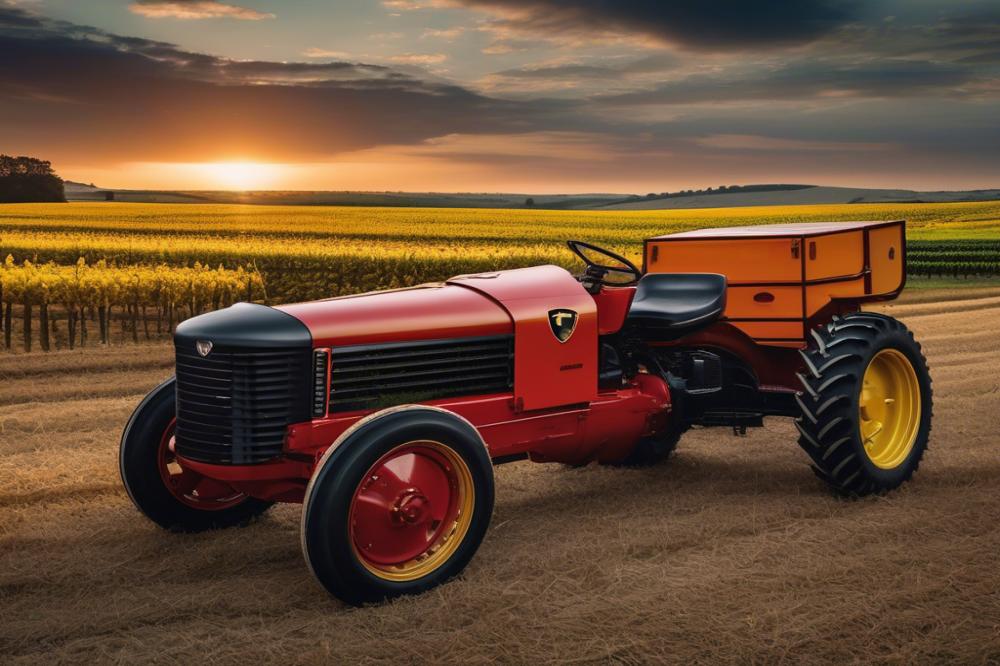
Transformation of Lamborghini: From Tractors to Supercars
Lamborghini’s journey began in the dusty fields of Italy, where tractors were the pride of the family business. Founded by Ferruccio Lamborghini in 1963, the company was initially focused on agricultural machinery. While this was a successful venture, Ferruccio had a burning passion for luxury cars. Frustrated by the shortcomings of existing sports cars, he decided to create something extraordinary. This marked the birth of a brand that would soon be synonymous with speed, style, and innovation.
The classic Italian automotive scene was rich with history and artistry. Cities like Modena and Turin were home to prestigious manufacturers. These companies were known for their craftsmanship and design. However, they often catered to an elite clientele. In this environment, Lamborghini introduced a fresh perspective. The brand aimed to build high-performance vehicles that combined power with elegance.
As the years passed, Lamborghini’s impact on the car industry became evident. It was not merely about speed; it was about creating an experience. With the introduction of models like the Miura, Lamborghini redefined what a supercar could be. Its radical designs and roaring engines captured the imagination of car enthusiasts worldwide. This shift in focus highlighted a desire for not just utility but also passion and thrill in automotive engineering. In that way, Lamborghini turned heads and opened hearts.
Exploring the evolution of Lamborghini is like tracing the path of innovation itself. From humble beginnings as a tractor manufacturer, the brand carved out a unique niche in the world of luxury connoisseurs. The transition reflects a narrative of ambition and creativity. This iconic company now stands as a beacon in automotive history. Its legacy continues to inspire future generations of automotive excellence.
The essence of Lamborghini transcends typical expectations. It represents a spirit of defiance and the pursuit of perfection. Many consider it a titan in the automotive landscape, standing proudly among the greatest. As we uncover more about its journey, we dive deep into how one man’s vision sparked a revolution. This transformation is not just a story about cars; it is about dreams and daring to challenge the norms. It’s a tale worth telling, as we explore #anchor_text_1# and its far-reaching influence.
With admiration for its history, we can appreciate how Lamborghini shaped the world of supercars. By exploring its rise, we gain insight into a fascinating story that blends engineering with art. Few other brands have made such a significant impact on the automotive industry. The essence of #anchor_text_2# lives on, inspiring those who seek speed and beauty on the open road.
The Early Years: From Tractors to Automobiles
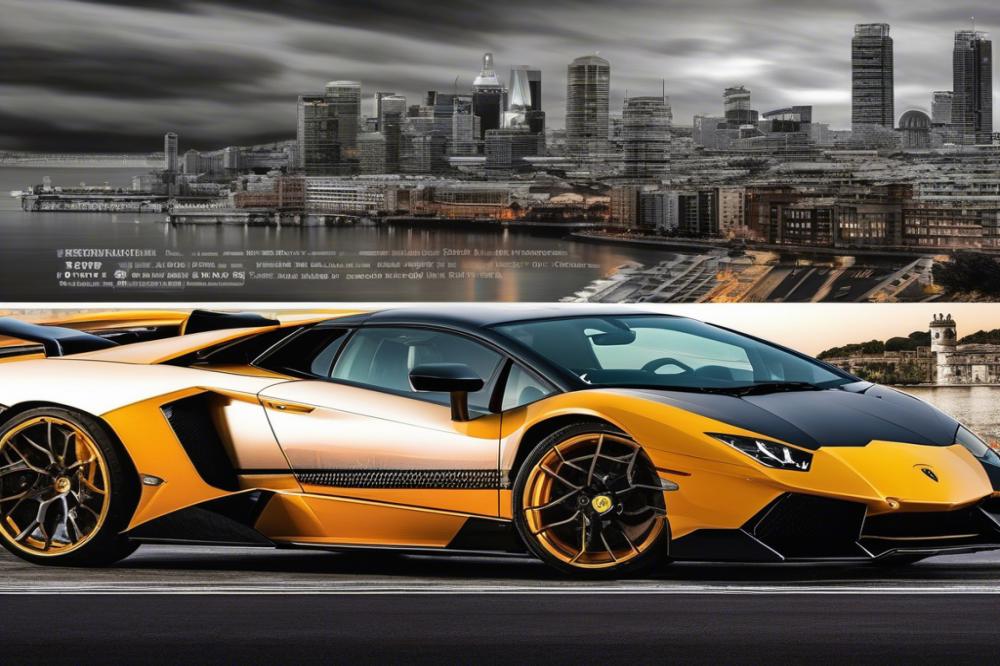
Ferruccio Lamborghini began his journey in a different world. Born in 1916 in Cento, Italy, he grew up with a passion for mechanics. After serving in World War II, he founded a company that made tractors. Lamborghini Trattori quickly became successful. His tractors were known for durability and efficiency. This experience gave him valuable insights into manufacturing.
In 1963, something changed. Ferruccio decided to pivot from tractors to supercars. He established Automobili Lamborghini in Sant’Agata Bolognese. The goal was clear: create a sports car that combined performance with luxury. Other manufacturers focused on speed alone, but Ferruccio aimed for a blend of power and elegance.
The vision of Ferruccio was bold. He wanted to craft an automobile that would stand out in the market. He felt that wealthy car enthusiasts needed more options. Instead of just another flashy vehicle, he envisioned a masterpiece that offered comfort and style alongside speed. This led to the development of the Lamborghini 350 GT.
Emphasis was placed on exquisite design and powerful engines. Every detail mattered. The sleek lines, powerful engines, and luxurious interiors defined the brand. Ambitious projects like these required a team that shared his vision. Lamborghini surrounded himself with skilled individuals who understood the dream.
Unlike traditional car makers, Ferruccio believed in innovation. His approach was different; he encouraged creativity within the company. This willingness to explore new ideas became a cornerstone of the brand. It set the path for future models and cemented the reputation of Lamborghini as a manufacturer of high-performance cars. The transition from tractors to luxury automobiles was just the beginning of a remarkable journey.
The Birth of the Iconic Models
Starting in the early 1960s, Lamborghini made its mark with revolutionary cars. The 350 GT debuted in 1964, and it quickly grabbed attention. With a sleek design and powerful V12 engine, it set a new standard for high-performance vehicles. Car enthusiasts admired its elegant lines and impressive speed.
Innovation was at the heart of Lamborghini’s approach. The engineers incorporated cutting-edge technology that many had never seen before. For instance, the use of a lightweight construction made the car faster and more agile. Performance was paramount, and the 350 GT delivered in spades.
Miura: A Game Changer
The Miura, released in 1966, took things to another level. Often regarded as the world’s first supercar, it dazzled onlookers and rivals alike. Its mid-engine layout was groundbreaking, shifting the balance of power and weight for optimal handling. Designers embraced bold aesthetics, giving it an unmistakable presence on the road.
Speed enthusiasts loved the Miura’s capabilities. Capable of reaching speeds over 170 mph, it became a true icon. The car was not just about numbers, but also about the thrill it delivered. The roaring V12 engine sent chills down the spine of anyone who heard it.
Cultural Impact
Both the 350 GT and Miura transcended mere transportation. They became symbols of luxury and performance. Celebrities and wealthy individuals eagerly sought after these cars, which elevated Lamborghini’s status. The brand was now associated with excitement and extravagance.
Cinemas began to feature these stunning machines, further solidifying their place in popular culture. Movies showcased the Italian masterpieces, captivating audiences around the world. No other brands could match their charisma, and enthusiasts celebrated their unique flair.
These iconic models not only represented a shift in automotive design but also captivated the public’s imagination. Lamborghini established itself as a powerhouse in the supercar realm, blending elegance with raw power. The legacy of the 350 GT and Miura continues to inspire future generations, ensuring that #Lamborghini# remains a revered name in automotive history.
Challenges and Triumphs in the Automotive World
Lamborghini faced many obstacles in its journey from a tractor maker to a supercar superstar. Economic swings hit hard, affecting sales and investor confidence. The oil crisis of the 1970s shook the entire auto industry. High-end cars struggled as gasoline prices soared, reducing demand. This situation forced Lamborghini to think differently.
Ownership changes added to the turmoil. In the early years, Ferruccio Lamborghini sold his company, and several corporate leaders entered and exited quickly. Each new owner brought different ideas that sometimes clashed with Lamborghini’s core vision. Confusion often ruled during these transitions. Staff morale dipped, and production faced delays. How could they keep up quality with so much change?
Competitors also entered the scene, looking to stake their claim in the luxury market. Brands like Ferrari and Porsche pushed hard. They developed powerful marketing campaigns and technologically advanced cars. Lamborghini had to fight back. This meant improving designs and seeking innovative approaches.
Smart decisions came into play as Lamborghini repositioned itself. By the 1990s, a focus on performance and design made a difference. The flagship models like the Diablo captured attention and admiration. This shift kept the carmaker relevant. They moved toward collaboration with larger firms like Audi, which provided needed resources. Bigger budgets led to enhanced engineering and materials.
Production processes faced continuous scrutiny, especially during tougher economic conditions. Scaling back was an option, but Lamborghini resisted it initially. They chose to rely on their devoted fanbase. Despite the challenges, a loyal clientele emerged, willing to invest in luxury experiences. Attention to customer relationships paid off significantly.
Strategically, Lamborghini learned to navigate the highs and lows of the market. Balancing tradition with modern requirements became a key focus. As they developed hybrid models, they integrated innovative technology without losing their essence. Each step forward was deliberate. The company showcased how to adapt while preserving the iconic traits that fans loved.
Through these struggles and triumphs, Lamborghini carved out an enduring legacy. Strong responses to the fluctuating economic landscape demonstrated resilience. Staying ahead of rivals and moving with the times solidified its position in the world of luxury automobiles. It would continue to be a brand synonymous with passion, performance, and prestige.
The Legacy of Lamborghini in Classic Italian Cars
Lamborghini’s impact on the world of classic Italian automobiles is hard to overstate. Known primarily for its supercars today, the company started off with humble tractor manufacturing. This unusual origin story played a role in shaping Lamborghini into a symbol of engineering excellence and design artistry.
From the very beginning, the brand embraced a philosophy of blending performance and style. Each model produced carries a unique flair that stands apart from its competitors. Elements such as sharp angles and bold colors became signature characteristics, drawing admiration from enthusiasts worldwide. In fact, these design elements set a standard for many other Italian manufacturers.
The Miura, introduced in the 1960s, marks a major turning point in automotive design. With its striking aesthetics and powerful engine, it showcased what was possible in a sports car. Rivals like Ferrari were forced to rethink their design and performance strategies due to the Miura’s popularity. Such influence cannot be overlooked when considering Lamborghini’s lasting legacy.
Lamborghini also broke new ground with its engineering innovations. The use of lightweight materials and advanced aerodynamics became essential in racing and road vehicles alike. While other brands, like Maserati or Alfa Romeo, focused on elegance and luxury, Lamborghini prioritized performance above all else. This bold choice resonated with a new generation of car lovers.
Competition in the automotive market has always driven innovation. The Superleggera and Countach exemplify how Lamborghini continually raised the bar. Their sophisticated technologies and daring designs captured the imagination of many. Icons like these have forced other classic Italian car makers to elevate their game, enhancing their models with similar cutting-edge features.
Today, Lamborghini stands as a beacon of creativity and craftsmanship in the automobile world. Comparisons to brands such as Ferrari and Lancia highlight the fierce passion that goes into each vehicle. Owners treasure their Lamborghinis not just for what they represent, but for the extensive engineering that propels them forward. Ultimately, Lamborghini has carved its niche, leaving a reputation that blends luxury with high performance, a true classic in every sense.
The Modern Era: Rebirth and Innovation
The 21st century marked a remarkable transformation for Lamborghini. A resurgence in brand identity took place, drawing attention from car enthusiasts and collectors around the globe. New models like the Gallardo and Aventador captured the hearts of many, showcasing a blend of power and beauty.
Technological advancements played a crucial role in this revival. Engineers focused on performance enhancements and weight reductions. Aerodynamics improved significantly, allowing cars to slice through the air with ease. Features such as all-wheel drive became standard in some models, boosting traction and handling.
Innovative design attracted younger markets. With eye-catching exteriors, these vehicles stood out on roads and racetracks alike. The brand also created a social media presence that engaged newer generations of drivers. This approach opened doors to a larger, diverse audience.
The Urus SUV introduced a different angle for Lamborghini. This model appealed to those seeking both luxury and utility. Blending high performance with practicality, it broadened the brand’s appeal beyond just sports cars. Families and everyday drivers found a new connection to the iconic name.
Lamborghini now commits to sustainability while maintaining its high-performance reputation. The integration of hybrid technology signals a forward-thinking approach. By combining traditional power with electric options, they aim to reduce carbon footprints without sacrificing speed.
Every new model reflects an unwavering dedication to innovation. As the company evolves, it remains mindful of its heritage. Building on a legacy while embracing change creates a powerful narrative. The brand showcases how a luxurious lifestyle and environmental responsibility can coexist.
The Legacy of Lamborghini
Lamborghini’s journey from a humble tractor manufacturer to a celebrated name in supercars is nothing short of remarkable. Founded by Ferruccio Lamborghini in 1963, the company started with agricultural machinery. Yet, it was Ferruccio’s desire for a luxury sports car that led to the birth of a legend. Each model that followed transformed the automotive world, bringing power, style, and innovation.
Supercars like the Miura and Countach redefined what performance vehicles could be. They captured the imaginations of enthusiasts worldwide. Today, Lamborghini stands as a symbol of Italian excellence, blending artistry with engineering. The impact the brand has made on the industry is profound. Many aspire to capture its essence in their designs.
Looking ahead, Lamborghini maintains a strong commitment to craftsmanship. Their future may involve honing electric technology while keeping their signature performance. Exciting times lie ahead as they balance tradition with modern innovation. Collectors treasure classic models and newly released vehicles. Many people admire the brand’s commitment to quality and performance, ensuring that its legacy continues.
As we reflect on Lamborghini’s path, we appreciate the distinctiveness that defines its brand. It has not only shaped the supercar segment but also inspired future generations of automotive designers. The blend of high performance and iconic design remains an ideal for many. Who knows what the next chapter will hold? Lamborghini may pave the way for a new era in luxury vehicles. There’s anticipation in the air, and we can’t wait to see what comes next.
For those interested in classic cars or modern masterpieces, Lamborghini captures the heart. It’s an everlasting name in the world of speed and beauty. As we close this section, it’s clear that the story of Lamborghini is still being written, filled with promise and innovation. If you’re eager to learn more about the automotive legacy, #anchor_text_3# will provide further insights. Similarly, #anchor_text_4# delves into the captivating history that continues to inspire.

