
Introduction
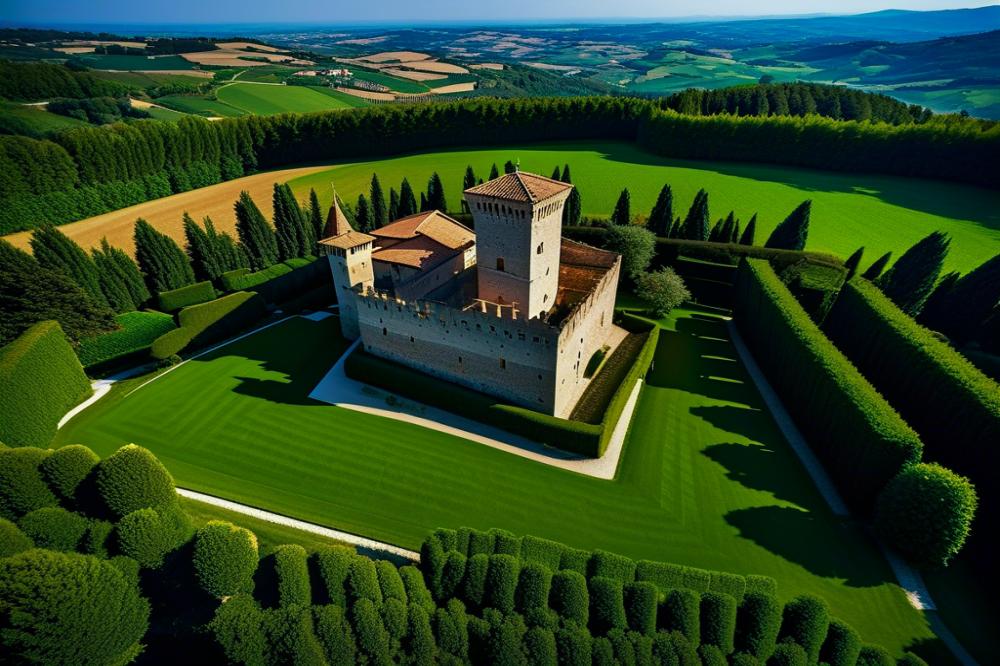
Castello di Gropparello stands as a remarkable testament to the rich history of Emilia-Romagna. Nestled amidst lush hills, this medieval fortress boasts a captivating story that dates back to the 8th century. The castle serves not only as a relic of Italy’s medieval architecture but also as an important cultural site that attracts many visitors each year. Its historical significance cannot be overstated, as it provides insights into the life and times of the region.
The role of gardens in historical settings is equally vital. In medieval times, gardens were not simply decorative spaces; they were practical and essential. These outdoor areas were often designed for horticulture, showcasing a variety of plants that contributed to both sustenance and beauty. Castello di Gropparello offers a fascinating glimpse into this world of Medieval Gardens. Here, one can discover how landscape design reflected both the aesthetics and the functional needs of that era.
Moreover, the gardens at the castle enhance biodiversity. They are a haven for countless species, promoting a rich ecological balance. Visitors can walk through these serene outdoor spaces, which are meticulously designed to reflect the harmony between nature and human craftsmanship. Through its gardens, this historic site preserves a piece of heritage that resonates with the past while providing enjoyment for the present.
The blend of historical gardens and the castle’s extensive history creates a truly enchanting experience. This interplay of nature and history captivates the imagination, allowing individuals to appreciate the deep connection between people and their environment. Exploring Castello di Gropparello is not merely a journey into medieval history; it’s an opportunity to reflect on how gardens have shaped lives throughout the ages.
History of Castello di Gropparello
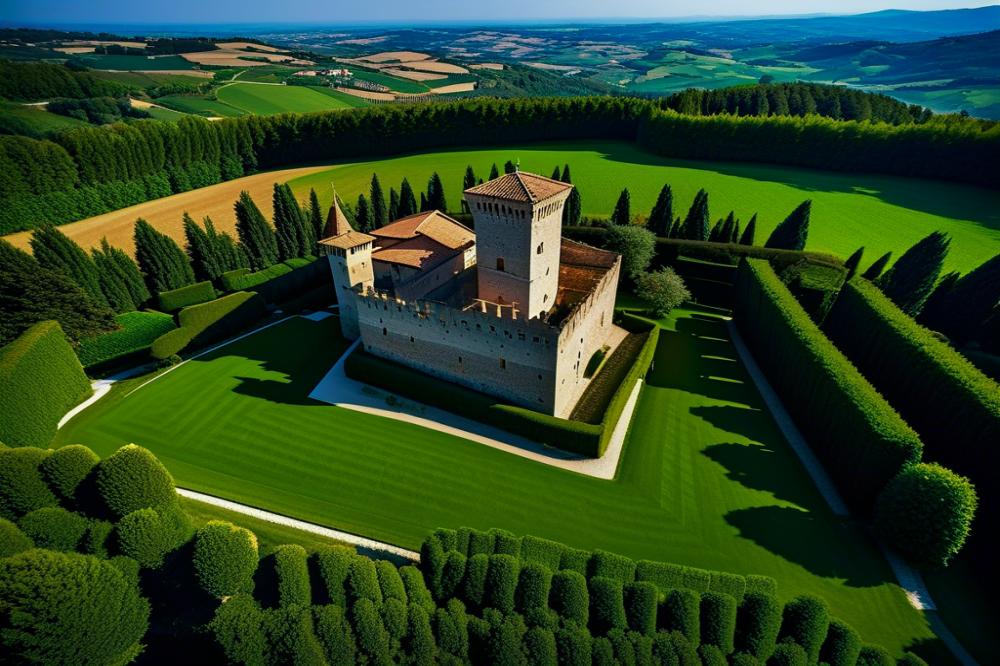
Castello di Gropparello, nestled in the heart of Emilia-Romagna, boasts a rich and fascinating past. It was originally built in the 11th century, marking its importance in medieval architecture. Over time, the castle became a stronghold, symbolizing power and protection for the local nobility. Its sturdy walls and impressive towers are testaments to the architectural styles of that era. The construction reflected not just military needs, but the cultural aspirations of the time.
This historic site plays an essential role in local heritage. Many visitors admire the castle for its beauty and the stories it holds. Tales of knights, battles, and noble families add intrigue to the site. Moreover, the castle’s gardens were designed in accordance with Italian aesthetics, enhancing its allure and providing serenity. These outdoor spaces were not just ornamental; they served practical purposes as well.
Landscape design in the region was undoubtedly influenced by the castle’s presence. The gardens showcased various plants that promoted biodiversity. Such historical gardens created a link between the past and the present, encouraging an appreciation for horticulture. The careful selection of flora included medicinal herbs and vibrant flowers, making the gardens both functional and visually stunning.
As one explores the castle’s history, it’s easy to see its significance. Structures like Castello di Gropparello shaped the identity of Emilia-Romagna. The combination of medieval architecture and strategic location reflects the strategic importance of castles during the Middle Ages. Each stone tells a story, carrying whispers of a bygone era.
Today, both locals and tourists find joy in exploring the castle and its gardens. They walk through pathways once traveled by nobles, feeling the connection to history. This beloved site serves as a reminder of the beauty and resilience of Italian gardens. It stands as a landmark of heritage that continues to inspire admiration across generations.
Design and Features of the Medieval Gardens
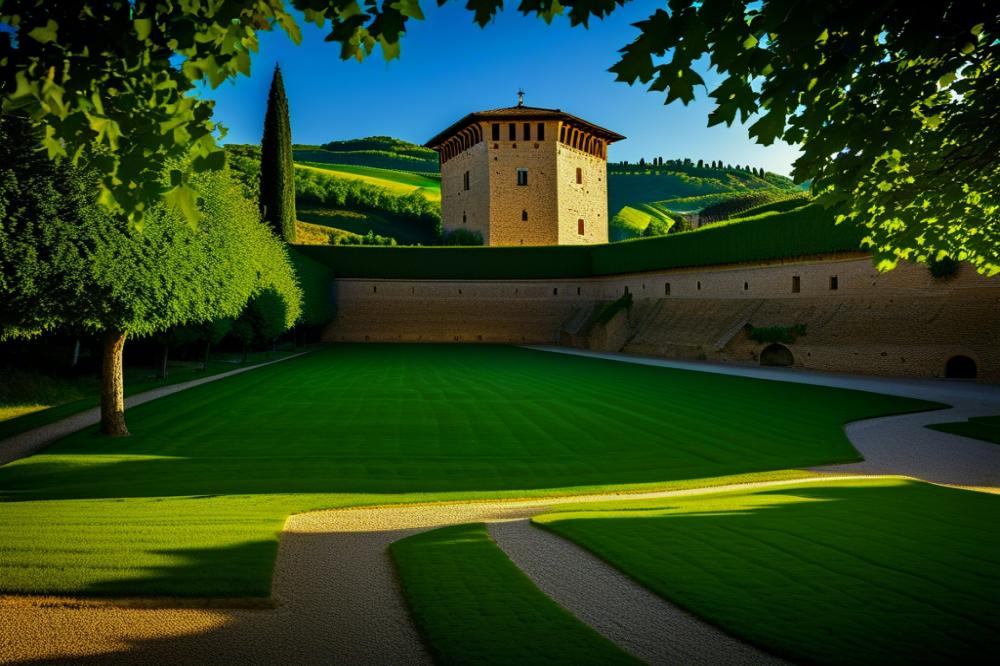
The gardens of Castello di Gropparello in Emilia-Romagna shine as examples of historical gardens that blend beauty and functionality. Pathways wind through the landscape, inviting visitors to explore its many secrets. These paths often feature cobblestones or packed earth, reflecting the medieval architecture of the castle itself.
Plant species in these gardens were carefully chosen. You could find herbs like lavender and sage. These served both culinary and medicinal purposes. Flowers, often vibrant, added color and fragrance. Roses, violets, and poppies were common choices, enriching the sensory experience.
Water features played a significant role in landscape design. Small fountains or ponds provided irrigation and attracted wildlife. The sound of flowing water created a peaceful atmosphere, enhancing the beauty of the outdoor spaces. These elements not only reflected comfort but also showcased the knowledge of horticulture at the time.
Medieval practices shaped how gardens developed. Monks, in particular, cultivated various plants. They shared knowledge about planting and harvesting, which promoted biodiversity. Crop rotation and companion planting were common techniques used to maximize yields. Such practices connected communities with nature and improved food security.
Castello di Gropparello’s gardens, in essence, tell a story. Each layout reflects the heritage of Italian gardens that thrived during the medieval period. Visitors experience moments of tranquility and reflection as they walk through these stunning areas. The integration of nature, architecture, and culture creates a unique experience.
Exploring the gardens offers insight into castle history as well. Features like terraced beds and shaded alcoves reveal how people adapted their landscapes to suit their needs. Understanding these designs helps us appreciate the significance of preserving such treasures. After all, they give a glimpse into a way of life long past.
Cultural and Historical Significance of the Gardens

The gardens of Castello di Gropparello in Emilia-Romagna are more than just beautiful outdoor spaces. They hold a deep cultural significance, revealing the values and aesthetics of the medieval era. Italian gardens often served multiple purposes, acting as places of leisure, reflection, and even practicality for the communities that surrounded them. In this context, the historical gardens at Gropparello exemplify this multifaceted role.
During the medieval period, landscape design was influenced by the need for both practical horticulture and spiritual symbolism. The layout of these gardens is a testament to the harmony of nature and architecture. Medieval architecture emphasized grandeur and stability, which resonates throughout the garden’s design elements. Pathways, flower beds, and seating areas were arranged to create a balanced environment, reflecting the values of beauty and order that were highly esteemed at the time.
Furthermore, these gardens contribute to the biodiversity of the region. They support various plant species, some of which may have been cultivated for medicinal or culinary use. This blend of nature and human endeavor showcases a commitment to cultivating a sustainable environment. The careful selection of plants also highlights the heritage of the area, as it mirrors the historical use and significance of flora in Italian culture.
Visitors can gain insight into the castle history through its outdoor settings. The gardens tell stories of the people who once walked their paths. They served as gathering places for important discussions, leisurely strolls, or even romantic encounters. Such settings were vital in developing the social fabric of the time.
Moreover, the gardens encourage an appreciation of horticulture. This practice was not merely an art form; it represented a dedication to nature and its benefits. By studying the plants and their arrangement, one can learn about the era’s agricultural practices and their relationship with the surrounding landscape. The commitment to preserving these historical gardens is crucial for future generations who wish to understand and connect with their culture.
Overall, the gardens at Castello di Gropparello embody a rich tapestry of medieval values. They reflect the principles of beauty, functionality, and sustainability that permeated Italian gardens. When exploring these spaces, visitors can truly experience the spirit of the past and the significance it holds today.
Present-day Conservations and Initiatives

Preservation Efforts
Ongoing efforts to preserve the gardens at Castello di Gropparello are vital. The approach includes restoring both the historical gardens and the castle’s medieval architecture. Groups of volunteers and preservationists work together to maintain these outdoor spaces. They strive to keep the landscape design true to its roots while adapting it for future generations. Using traditional horticulture methods helps protect the unique plants that thrive in this region.
Educational Programs
Educational programs make castle history accessible to the public. Visitors of all ages can learn about the art of historical gardens through guided tours and workshops. These initiatives not only enrich knowledge but also inspire a love for Italian gardens. Programs often include hands-on activities, allowing participants to engage directly with the landscape. Schools frequently organize trips, helping students appreciate their local heritage.
Tourism and Community Engagement
Tourism plays a crucial role in promoting both the castle and its gardens. Local businesses benefit from an increase in visitors who wish to experience this slice of Emilia-Romagna’s history. Community events, such as seasonal festivals, draw crowds and foster a connection to the area’s cultural identity. This involvement from locals strengthens the commitment to preserve the site.
Biodiversity and Sustainability
The gardens also contribute to biodiversity in this region. They serve as a habitat for various species, including birds, insects, and plants native to Emilia-Romagna. By promoting sustainable practices, the castle supports ecological balance. Visitors are encouraged to learn about these practices and their importance in modern life. Emphasizing the need for environmental stewardship can inspire others to adopt similar initiatives at home.
Impact on Heritage Conservation
Preserving the medieval gardens at Castello di Gropparello showcases the importance of heritage conservation. This site stands as a testament to the rich history of the region. By focusing on education and community efforts, it highlights the value of maintaining such historical sites. The combination of engagement, sustainability, and respect for nature aids in protecting this cultural gem for future visitors. It is essential to recognize how these initiatives uphold the legacy of the past while paving the way for a more sustainable future.
Visitor Experience
Exploring Castello di Gropparello in Emilia-Romagna is an unforgettable journey. Visitors are greeted by the charm of medieval architecture. Guided tours offer more than just a stroll through the grounds. Knowledgeable guides share captivating stories about the castle’s history and its surrounding landscape design.
Events that celebrate the heritage of Italian gardens are frequent. These gatherings provide a rich context for understanding horticulture in historical settings. Seasonal festivals often attract families. They create an inviting atmosphere filled with activities for all age groups. Special workshops might focus on biodiversity and how it benefits garden ecosystems.
Outdoor spaces play a crucial role in enhancing the enjoyment of the surroundings. Beautifully landscaped areas encourage visitors to pause and appreciate nature’s beauty. As you walk through the paths, take a moment to experience the scents and colors of various plants. Engaging with the gardens allows for a deeper understanding of the time and effort put into their creation.
Each step reveals elements of design that reflect medieval principles. Stone pathways, ancient trees, and carefully arranged flowers transport visitors back in time. These elements combine to create a sensory experience that educates as well as entertains. The combination of sounds, sights, and fragrances reinforces the connection to the past.
Every aspect of learning here fosters a deep respect for history. Knowledge gained about the gardens translates into appreciation for heritage sites everywhere. Visitors depart with memories and insights that linger well beyond their visit. Spending time at Castello di Gropparello offers a journey through not just the gardens, but also through Italian culture and its fascinating past.
Reflecting on the Significance of the Gardens
The medieval gardens of Castello di Gropparello serve as a gateway to the past. These landscapes are more than just beautiful spaces; they tell stories that reflect the rich history of Emilia-Romagna. Each plant, pathway, and architectural detail has cultural importance. They represent the connection between people and nature that has existed for centuries. Engaging with these gardens allows visitors to step back in time, appreciating the traditions and values of those who came before us.
Maintaining these historical gardens is crucial. Preservation efforts help to keep the heritage alive while giving people a glimpse into the art of landscape design from a bygone era. In our modern world, where technology often takes center stage, these gardens remind us of simpler times. Life once revolved around these natural spaces, where people gathered for relaxation and contemplation.
Moreover, the gardens play a significant role in promoting cultural heritage. They attract tourists, educate school groups, and inspire local communities. Visitors can experience the intertwining of history and nature, which promotes a deeper understanding of Italian culture. Nuts and berries, herbs and flowers, each plant choice speaks of ancient traditions and practical uses.
As we look toward the future, it is essential to recognize the importance of maintaining such gardens. They offer us a connection to our past while enriching our present. By preserving the medieval gardens, we contribute to a broader legacy. This commitment allows future generations to learn about landscape design and cultural practices. In doing so, the stories of the people who shaped these gardens will continue to be told. Let’s embrace our responsibility to maintain these treasures for years to come.

