
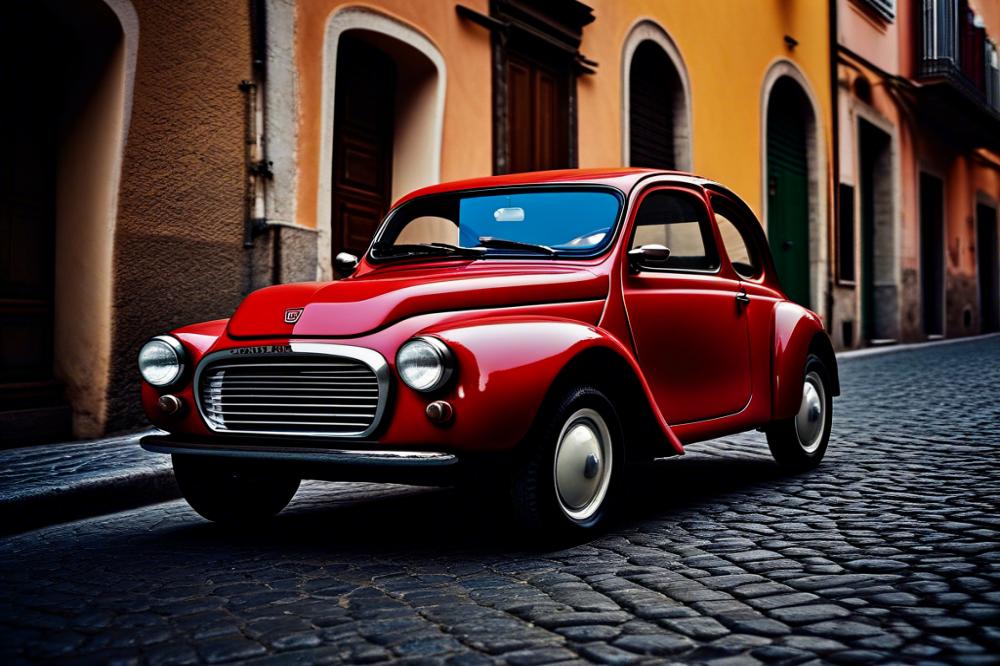
Overview of the Fiat Topolino‘s Significance in Automotive History
The Fiat Topolino stands as a landmark in automotive history, representing a turning point for compact cars. Launched in the 1930s, this small car captured the hearts of many. It was a symbol of innovation, efficiency, and Italian craftsmanship. The economic conditions of that time called for an affordable vehicle that could cater to the masses. The Topolino not only met this demand but also redefined what a compact car could be.
This vintage car laid the groundwork for future Fiat models. Its design evolution inspired later vehicles, especially the iconic Fiat 500. This newer model carried the spirit of the Topolino into the post-war era, showcasing how a small car could combine practicality and style. Classic Italian cars, known for their clever designs, owe much to the pioneering spirit of the Topolino.
Throughout its production, the Fiat Topolino became a beloved choice in Italy. Many families embraced this economy car for its affordability and ease of use. The influence of this Italian automobile can be seen in countless other designs that followed. As a symbol of ingenuity, it played a crucial role in shaping the landscape of 1930s cars and beyond.
The Fiat Topolino: A Compact Car Revolution
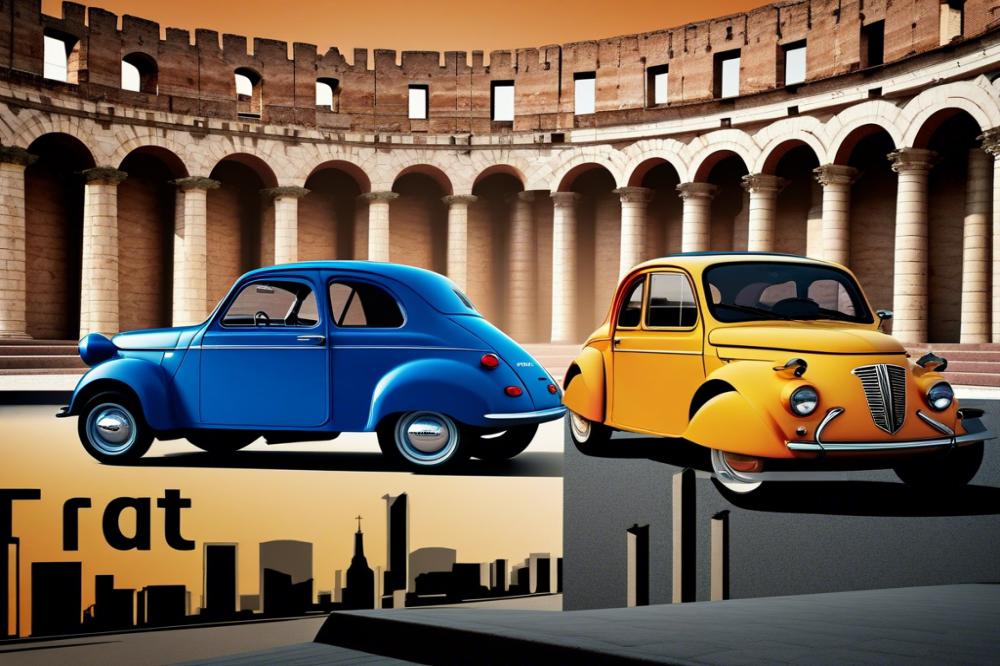
The Fiat Topolino stands as a remarkable icon in automotive history. Launched in 1936, this small car was designed with a focus on efficiency and affordability. As an Italian automobile, it perfectly captured the spirit of its time, combining style with practicality. Its compact dimensions made it a star among 1930s cars, appealing to the masses seeking reliable transportation.
A few key features set this vintage car apart from its contemporaries. Engineers crafted it with a lightweight body, allowing it to be both nimble and economical. The Topolino’s simple, yet elegant design showcased a streamlined silhouette, which was quite innovative for its era. It boasted a 2-cylinder engine, which offered decent power while maintaining low fuel consumption. Drivers appreciated that it was easy to maneuver in bustling city streets.
This classic car played a significant role in the evolution of economy cars. With a price point that was accessible, it was among the first vehicles to put car ownership within reach for average families. Many Fiat models followed in its footsteps, expanding on the concept of affordable mobility. At a time when automobiles were often seen as luxury items, the Topolino redefined what it meant to drive.
Over the years, this automotive gem has become a symbol of post-war optimism in Italy. Owning one represented not just a mode of transport, but a cherished lifestyle. Today, classic car enthusiasts celebrate the Topolino, praising its innovation and enduring legacy. Its contribution to the automotive landscape is irrefutable, inspiring future generations of compact cars to follow suit.
Design Evolution of the Topolino
The design of the Fiat Topolino stands as a landmark in the world of automotive history. This compact car, introduced in 1936, catered to the growing demand for vehicles that were both affordable and practical. At first glance, the rounded forms and compact dimensions captured the spirit of innovation during that time. It was a revolutionary shift from the bulky cars of the previous era.
Compared to other 1930s cars, the Topolino was remarkably smaller and lighter. While many contemporary automobiles were heavy and cumbersome, this vintage car showcased a different approach to design. Its simplicity was both charming and functional. The use of a minimalist style contributed to its appeal, making it easy to drive and park. It perfectly aligned with the needs of the everyday driver.
Its aerodynamic shape played a vital role in enhancing efficiency and performance. Drivers soon appreciated how the design reduced air resistance, contributing to better fuel economy. Looking at classic car designs of the same era, the Topolino was truly a standout. Other manufacturers focused more on luxury and power. In contrast, Fiat prioritized practicality above all.
This small car was more than just a pretty face. It became a symbol of post-war recovery, especially in Italy. The economic landscape was challenging, yet citizens embraced the Topolino as a reliable economy car. Its affordability opened up new avenues for mobility. People who had never owned a vehicle before could finally hit the road.
The Topolino’s influence on future Fiat models, particularly the Fiat 500, cannot be underestimated. Many elements from its design were carried forward into subsequent generations of small cars. Designers looked back at the Topolino’s charm and functionality when casting the vision for the new Fiat 500. Proportions, styling, and a focus on practicality were all shaped by this early Italian automobile.
In retrospect, the design evolution of the Topolino tells a compelling story. It reflects not only the aesthetics of the 1930s but also the changing expectations of consumers. As the automotive industry evolved, this classic car laid the groundwork for future designs. The legacy of the Topolino lives on, evident in small cars that continue to capture hearts and imaginations today.
The Topolino’s Cultural Impact
The Fiat Topolino holds a significant place in Italian culture and history. As one of the earliest compact cars, it became a symbol of affordability and practicality during its time. Launched in the 1930s, this small car was a response to the needs of everyday people. It was designed to be accessible to the masses, making it an essential part of Italy’s post-war recovery.
The Topolino in Post-War Italy
This vintage car quickly caught the attention of many. It offered an economical solution during a challenging era. Families could own a reliable vehicle without breaking the bank. The appeal of the Topolino lay not just in its price, but also in its clever design. Compact and efficient, it represented hope for a nation looking to rebuild. As more people got behind the wheel, the Topolino became a common sight on Italian roads.
Recognition as a Collector’s Item
Over the years, the Fiat Topolino has transcended its initial purpose. Today, it is celebrated in the world of classic cars. Vintage enthusiasts admire its place in automotive history. Collectors seek out this unique little automobile, appreciating its charm and significance. Restorations have become popular, allowing the design evolution of the 1930s cars to shine again. This small car tells a story of resilience, nostalgia, and style. It connects generations, reminding them of simpler times on the road.
Legacy of the Fiat Topolino
The Fiat Topolino holds a crucial place in automotive history as a precursor to the modern compact car. Compact cars today owe much of their design and concept to this charming little vehicle. Introduced in the 1930s, it was not just a car; it was a symbol of affordable mobility for the masses. Its innovative engineering provided a new standard in the realm of economy cars.
How the Fiat Topolino Paved the Way for Modern Compact Cars
This small car was among the first to prioritize fuel efficiency and space. The design allowed for maximum room while keeping the size minimal. As cities grew, the need for practical vehicles became evident. The Topolino’s compactness made it easy to navigate through crowded streets, influencing later Fiat models and other manufacturers.
Comparison with Other Classic Cars of Its Era
When looking at vintage cars from the same period, the Topolino stands out remarkably. While other automakers focused on larger vehicles, this Italian automobile showed a different path. Cars like the Ford Model T had already established a presence, but the Topolino offered something distinctly modern. Its lightweight frame and nimble handling set it apart from many 1930s cars, making it an early favorite among those seeking practicality.
Enduring Popularity Among Classic Car Enthusiasts
Final Thoughts on the Fiat Topolino
The Fiat Topolino played a crucial role in shaping automotive history. Many consider it one of the earliest examples of a compact car that catered to the masses. Launched in the 1930s, this small vehicle proved that cars could be both affordable and fun. Its innovative design influenced not only future Fiat models but also the entire automotive industry. The Topolino paved the way for the iconic Fiat 500, which became a symbol of Italian culture.
Throughout its production, the Topolino showcased the essence of Italian engineering and style. Drivers loved its charm, and collectors continue to admire it today. In the realm of classic Italian cars, this model holds a special place. It resonates with enthusiasts who appreciate vintage automobiles. The way it combined practicality with a sense of joy is remarkable.
When looking at the vintage car market, the Topolino stands out. Prices for well-preserved models have shown steady growth over the years. Its small size, playful demeanor, and nostalgic value make it appealing. Whether for shows or leisurely drives, many people seek this little gem. Collectors recognize its part in the rich tapestry of automotive history.
In summary, the Fiat Topolino’s legacy is undeniable. It not only laid the groundwork for future Fiat inventions but also created a lasting impact on generations of drivers. Its spirit lives on in the heart of car lovers. As interest in classic cars continues to rise, the Topolino will likely capture the attention of future enthusiasts. This model has proven its timeless appeal, making it a treasure in the world of automotive history.

