
Overview of Classic Italian Wines
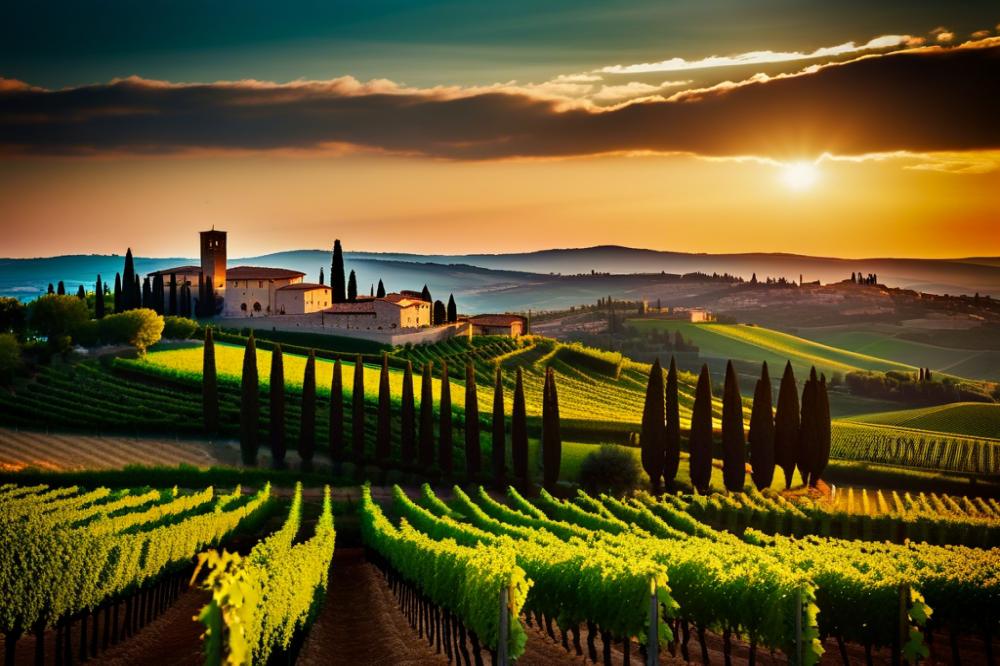
Italian wines have a storied reputation across the globe. Known for both their diversity and quality, they come from various regions. Each region contributes its own character, influenced by climate, soil, and traditions. Among these, Tuscany stands out. It is celebrated not only for its historical landmarks but also for its exceptional vino. This picturesque area is home to numerous grape varieties that thrive in its unique landscape.
Introduction to Vernaccia di San Gimignano
One notable wine from this region is a white wine produced in San Gimignano. Vernaccia di San Gimignano offers a refreshing taste that differs from many other Italian whites. Its origins trace back centuries, making it one of the oldest recognized grape varieties in Italy. People often enjoy its crispness and citrus notes during wine tasting events. Moreover, the wine pairs well with various dishes, enhancing the culinary experience.
Significance of Tuscany in Wine Production
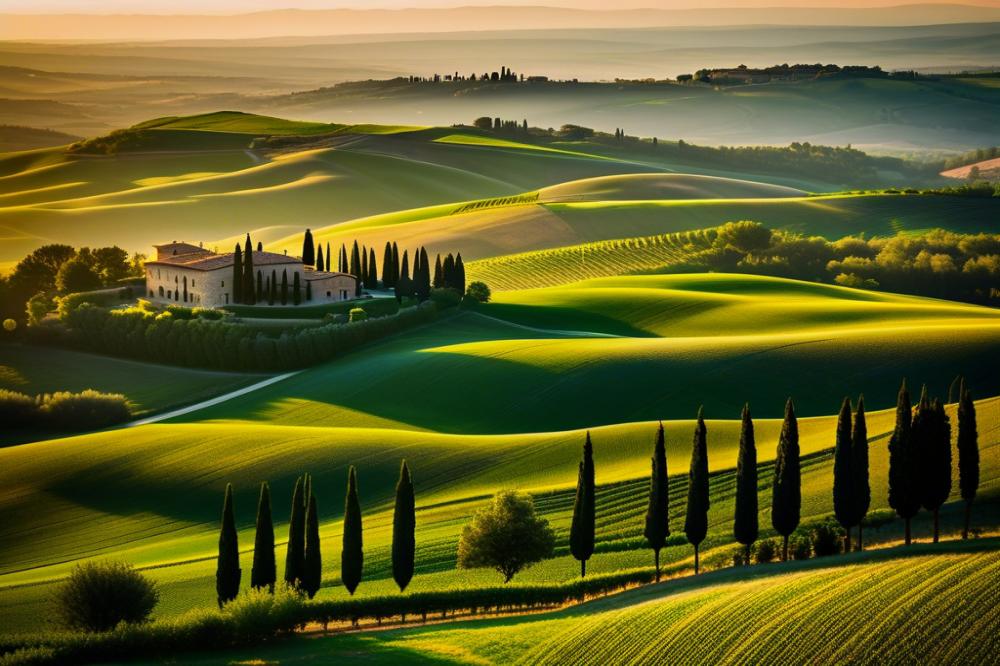
This region holds a special place in the heart of wine lovers. Tuscany’s rolling hills and favorable climate create the perfect environment for grape cultivation. Many winemakers here focus on traditional methods, honoring the past while experimenting with modern techniques. The emphasis on quality has put Tuscany at the forefront of Italian wine production. Exploring wines from this area offers a glimpse into Italy’s rich heritage and culinary artistry. Tuscany white wine is celebrated for its quality and consistency, making it a staple in restaurants and homes alike.
History of Vernaccia di San Gimignano
Origins of the Vernaccia Grape
The Vernaccia grape has deep roots that stretch back to ancient times. Some believe its origins date back to the Etruscans, who inhabited the region long before the Romans. This grape variety thrives particularly well in the sandy soils surrounding San Gimignano. It is known for producing crisp and aromatic white wine with a remarkable character. Over centuries, Vernaccia has gained a reputation and has become one of the prominent grape varieties in Tuscany. Its adaptability has drawn attention from winemakers who are passionate about quality.
Historical Significance of San Gimignano
San Gimignano has a rich history that reflects its importance in the medieval era. This hilltop town flourished in the 13th century as a trading center. Wealthy families built towers, showcasing their prosperity. Besides its architecture, the town’s location along trade routes facilitated the exchange of goods, including wine. As a result, San Gimignano became well-known for its wine, particularly the white wine made from Vernaccia grapes. In 1966, this wine was recognized as a Denominazione di Origine Controllata (DOC), a distinction that underscored its quality and heritage.
Evolution of Wine Production in the Region
Wine production in San Gimignano has evolved significantly over the years. Initially, small-scale farming dominated the landscape. Farmers produced wine mainly for personal consumption and local trade. As wine appreciation grew, producers began to refine their techniques. They focused on improving the quality of Vernaccia di San Gimignano. The introduction of modern vinification techniques has changed how wines are crafted. Today, the region not only celebrates tradition but also embraces innovation. Wine tastings in San Gimignano attract visitors eager to explore Tuscan flavors. Food pairing has become an art, matching Vernaccia with local cuisine, making each tasting an experience.
Characteristics of Vernaccia di San Gimignano
Description of the Vernaccia Grape Variety
Vernaccia is a grape variety that thrives in the sunny slopes of Tuscany. Found predominantly in the San Gimignano area, it has been cultivated for centuries. The grape prefers well-drained soils, which contributes to its vibrant character. Vineyards with rocky terrain often produce the best fruit. This variety is known for its resilience and can withstand different growing conditions, showcasing the adaptability of Tuscan wine production.
Flavor Profile and Aroma Characteristics
The flavor profile of this white wine is captivating. Wines crafted from Vernaccia display crisp acidity, making it refreshing. Notes of green apple and pear are common, complemented by subtle hints of almond and sage. Its aromas can range from floral to citrusy, providing a delightful experience during tasting. Many wine drinkers appreciate the balance between fruitiness and a slight minerality. That mineral quality often enhances its refreshing finish, offering a complexity that keeps enthusiasts coming back for more.
Differences Between Vernaccia and Other Tuscan White Wines
When comparing Vernaccia to other Tuscan whites, differences become apparent. For instance, Trebbiano and Malvasia often exhibit softer flavors. Vernaccia, however, brings a firmer structure to the table. It stands out with a more pronounced acidity, which pairs wonderfully with various dishes. Furthermore, while other wines in the region may embrace a more fruity profile, Vernaccia showcases a certain elegance that elevates it. This wine is often praised for its ability to age, giving it an edge over some of its peers in the world of Italian wine. In food pairing, it excels with local cuisine, particularly seafood and asparagus, harmonizing beautifully with the flavors of Tuscany.
Wine Production Process
Overview of Vineyard Practices in San Gimignano
In San Gimignano, vineyards flourish amid the rolling hills of Tuscany. Here, the climate plays a vital role. A mix of sunny days and cool nights helps grapes develop their rich flavors. Sustainable farming practices are common among local producers. Many growers use natural fertilizers and avoid harsh chemicals to maintain soil health. Selecting the right grape varieties is crucial. Vernaccia, the cornerstone of this region, thrives in the sandy soils found here. Vineyard layout is also important. Trellising systems support vine growth while allowing airflow, reducing disease risk.
Harvesting Techniques and Timing
Timing is everything when it comes to harvesting. Most producers begin picking in late September to early October. This period allows grapes to reach optimal ripeness. Handpicking is the preferred method in this area. Careful pickers select only the best clusters, leaving behind any that are not ideal. This attention ensures high-quality wine production. Some vineyards also use lightweight baskets to avoid damaging the grapes. Early morning is often when harvesting occurs. Cooler temperatures help preserve the grapes’ freshness.
Vinification and Aging Processes Specific to Vernaccia
Vinification is the next stage in the process. After harvesting, grapes undergo a gentle pressing. This step extracts the juice while keeping bitter seeds and skins separate. Fermentation often happens in stainless steel tanks. This method helps maintain the freshness and fruity characteristics of the wine. For aging, some winemakers opt for wooden barrels. Others continue fermentation in stainless steel for a crisper finish. Aging times vary. Some bottles are ready for wine tasting shortly after fermentation, while others mature for months. Producing a well-rounded flavor profile is the ultimate goal. Food pairing becomes essential once the wine is bottled. A chilled glass of Vernaccia pairs beautifully with seafood dishes or light pastas, highlighting its versatility.
Tasting Vernaccia di San Gimignano
Key sensory aspects to note in wine tasting
When tasting a glass of Vernaccia, several sensory aspects stand out. Attentive tasters will notice bright acidity and crispness. Floral notes emerge early, bringing to mind the fields of Tuscany. Citrus flavors often dominate the profile, with hints of lemon, grapefruit, and even a touch of green apple. A minerality can also be detected, reflective of the unique terroir of the San Gimignano region. This quality gives the wine a refreshing character that pairs beautifully with various dishes.
How to properly taste and evaluate Vernaccia
Start by observing the color. Pour the wine into a clear glass and tilt it slightly. A pale straw hue suggests youthfulness, while deeper shades hint at more complexity. Swirl the glass to aerate the wine, releasing its aromas. Take a deep sniff, allowing the scents to come forward. Then, take a small sip. Let the wine coat your palate, noticing its texture and flavor layers. Balance is crucial. A well-made Vernaccia will have a harmonious blend of acidity, fruit, and minerality.
Comparisons to other Italian white wines
Italian white wines come in many varieties, each showcasing different characteristics. Vernaccia often stands apart from other popular selections such as Pinot Grigio and Soave. While Pinot Grigio may lean toward more straightforward fruitiness, Vernaccia offers a more complex story, with its distinct earthy notes and fine acidity. Soave, on the other hand, might exhibit a softer profile with floral elements. The latter often uses Garganega grapes, which yield a rounder mouthfeel. Ultimately, each wine has its charm, but Vernaccia remains a classic choice within the Italian wine scene.
Food Pairing with Vernaccia di San Gimignano
Traditional Tuscan Dishes that Complement Vernaccia
Tuscany is known for its rich culinary traditions. Many classic dishes pair beautifully with white wine from San Gimignano. Consider ribollita, a hearty vegetable stew, and the refreshing simplicity of pappa al pomodoro. These comforting meals highlight the wine’s crisp acidity while bolstering its fruity notes. Moreover, a plate of pecorino cheese enhances the experience, creating a delightful balance.
Suggestions for Pairing with Seafood, Pasta, and Appetizers
Seafood shines alongside this Italian wine. Grilled octopus or fried calamari offers a delicious contrast to the wine’s fresh flavors. Pasta dishes also enjoy the company of Vernaccia. A light spaghetti with lemon and olive oil can elevate your dining experience. For appetizers, bruschetta topped with fresh tomatoes and basil matches perfectly. These pairings exemplify how a wine’s characteristics can elevate even simple foods.
The Role of Vernaccia in Local Culinary Traditions
Vernaccia di San Gimignano holds a special place in Tuscany’s heart. Throughout history, this wine has formed an integral part of local meals. Celebrations often feature it at the table. It symbolizes hospitality and togetherness, making it a staple in family gatherings. The presence of this wine at feasts and festivals showcases its importance in regional identity. It embodies the essence of Tuscan culture and enhances the enjoyment of traditional foods.
The Future of Vernaccia di San Gimignano
Tuscany’s wine production is undergoing exciting changes. Winemakers are embracing technology while staying true to traditional practices. This blend of the old and the new makes for a dynamic future. Sustainable methods have become a focus in many vineyards across the region. Organic farming, for instance, has gained traction among those producing white wine.
Innovations in Vernaccia grape cultivation are evident. Techniques like precision viticulture help growers monitor vineyards more closely. This allows for better management of grape varieties, resulting in higher quality wines. Many producers are also experimenting with fermentation processes. These new methods can enhance the flavor profiles of their wines and appeal to wine tasting enthusiasts.
Furthermore, sustainability is a key principle for many Tuscan winemakers today. Efforts to reduce water usage and energy consumption are becoming standard practices. Biodynamic farming is also being explored by some in the San Gimignano area. These steps not only promote environmental health but also improve the quality of the grapes.
The international recognition of this classic white wine is rapidly increasing. Consumers around the world are beginning to appreciate its distinctive characteristics. As demand grows, sales of Vernaccia will likely rise. Tasting events and festivals are showcasing this wine more frequently, attracting attention from a broader audience. Food pairing options with local dishes enhance its appeal, creating memorable experiences for those who try it.
In addition to its rising popularity, there is potential for meeting global demand. Export opportunities are expanding as markets in other countries become interested. Tuscany is known as one of the premier wine regions of Italy, and Vernaccia is emerging as a star. The unique qualities of this wine reflect both the terroir and the dedication of its producers.
Final Thoughts on a Tuscan Classic
Vernaccia di San Gimignano stands as a symbol of Tuscany’s rich viticultural history. This white wine not only reflects the region’s unique climate and terroir but also showcases the craftsmanship of its winemakers. With its crisp flavors and aromatic qualities, it holds a special place among Italian wines.
Exploring the world of Tuscan wines can be a delightful journey. Each bottle tells a story, from the vineyards to the glass. Visiting local wineries provides a firsthand experience of the passion and dedication behind every sip. Tasting various wines allows you to appreciate the diversity and character unique to this beautiful region.
Classic Italian wines, like the one in question, offer more than just enjoyment. They connect us to traditions that have endured through centuries. Each glass represents countless hours of work, family heritage, and a love for the land. Enjoying these wines is not merely a tasting experience—it’s a celebration of culture and history.

