
Dolcetto d’Alba: A Soft and Fruity Piedmont wine
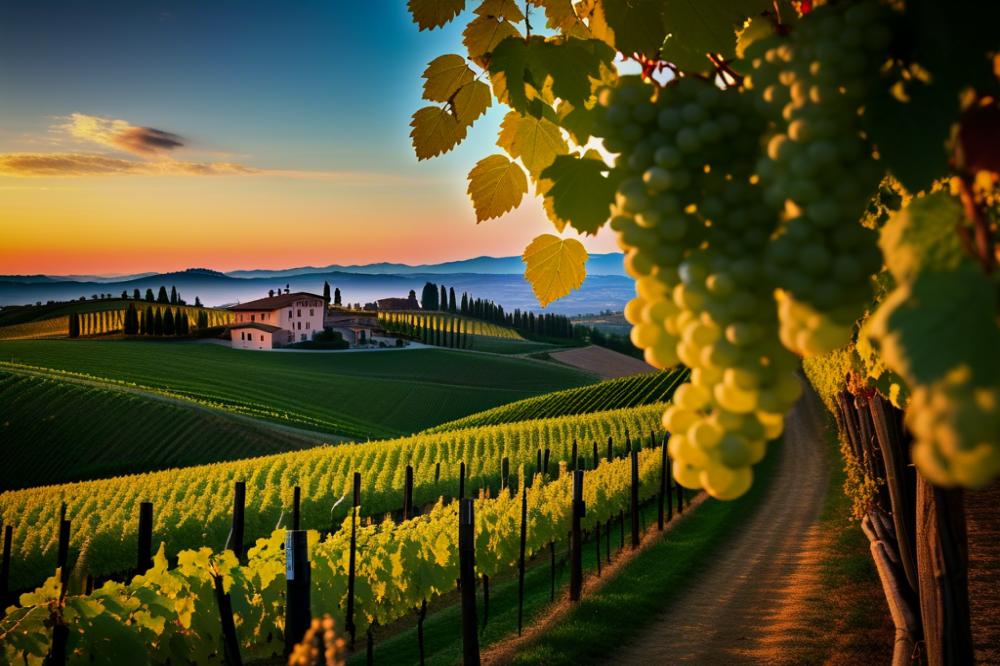
In the heart of Italy, one wine stands out for its approachable taste and vibrant flavor profile. Dolcetto d’Alba has become a classic choice among wine enthusiasts. Known for its soft and fruity characteristics, this red wine offers a delightful sip that invites casual enjoyment. Originating from the picturesque vineyards of Piedmont, it truly embodies the spirit of Italian winemaking.
The Piedmont region is renowned for its exceptional wine production. With its rolling hills and diverse climate, it’s home to a variety of grape varietals. This area benefits from the ideal conditions needed to grow renowned wines. Dolcetto d’Alba thrives in this rich soil, showcasing the region’s dedication to quality. Local winemakers employ traditional methods to craft wines that speak to the land’s unique terroir.
This particular wine captivates with its inviting aromas and flavors. Often described as fruity, it delivers notes of cherries, plums, and berries. Wine tasting events reveal its ability to delight both seasoned aficionados and newcomers. Unlike some heavier reds, this soft wine pairs exceptionally well with an array of food. From hearty pastas to light antipasti, the possibilities are endless.
Aging in oak barrels adds subtle complexity without overwhelming the wine’s core profile. This method enhances its character while maintaining the fruity essence that drinkers adore. Such careful craftsmanship brings forth a wine that feels both accessible and sophisticated. Wherever you find it, Dolcetto d’Alba is a gem from the great wine regions of Italy, truly deserving of a place in every wine lover’s collection.
Understanding Dolcetto d’Alba
Origin and History of Dolcetto Grape
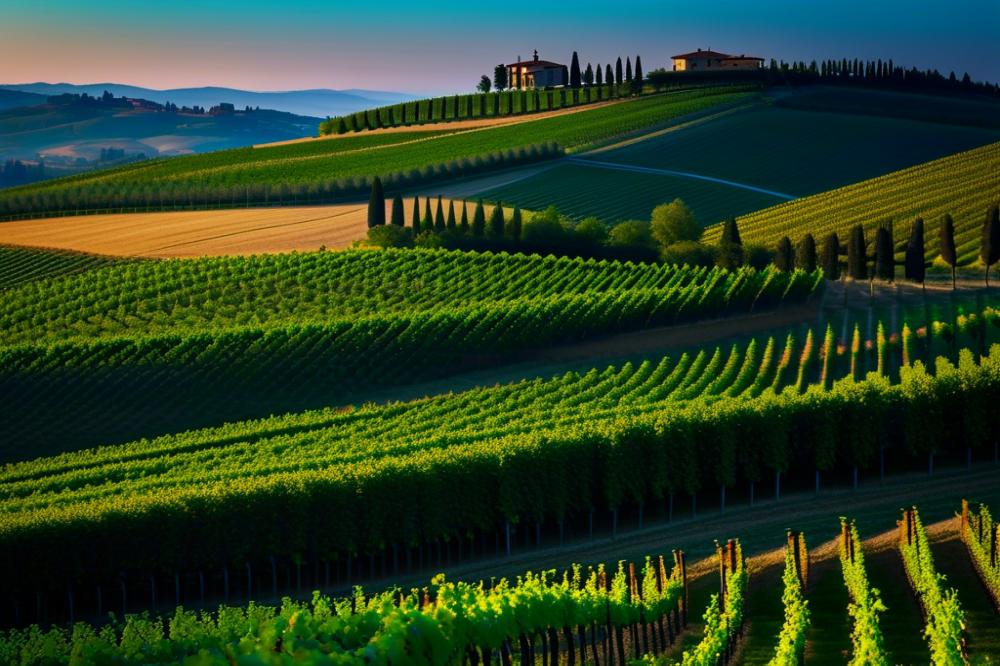
Dolcetto, an Italian grape varietal, has its roots in the Piedmont region of northern Italy. This part of the country has a rich wine-making tradition that spans centuries. The name “Dolcetto” translates to “little sweet one,” which reflects its early reputation as a light and easy-drinking wine. Some historians believe it dates back to the Middle Ages. Over time, this grape became a staple in local vineyards. Rolling hills and a favorable climate contribute to its vibrant growth. Many wine enthusiasts appreciate Dolcetto for its authenticity and regional charm.
Characteristics of Dolcetto d’Alba as a Soft and Fruity Red Wine
This soft wine stands out for its approachable nature. With flavors of ripe cherries and plums, it delivers a delightful experience at every sip. The tannins are gentle, making it easy to enjoy. Wine tasting often highlights its fruity aroma, which can include hints of blueberries and blackberries. Many appreciate its bright acidity, which balances the sweetness of the fruit. Unlike some other Italian red wines, this one is often enjoyed young. It is usually made without extensive oak aging, which preserves its fresh, fruity essence.
Comparison with Other Piedmont wines
Piedmont is home to many famous wines, including Barbera and Nebbiolo. Barbera, another popular red wine, tends to have a bolder profile. It often features higher acidity and tannins, which can lead to a more intense experience. In contrast, Dolcetto’s softer approach makes it a go-to for casual gatherings or lighter meals. Nebbiolo, known for its complexity, creates a more structured wine that can age beautifully. This variety often boasts flavors of rose, tar, and cherries, appealing to those seeking a deeper tasting experience. Each grape varietal brings something distinct to the table, making this region fascinating for wine lovers. Wine and food pairing becomes an enjoyable challenge, with Dolcetto complementing dishes like pasta and grilled meats perfectly.
Piedmont Vineyards and Terroir
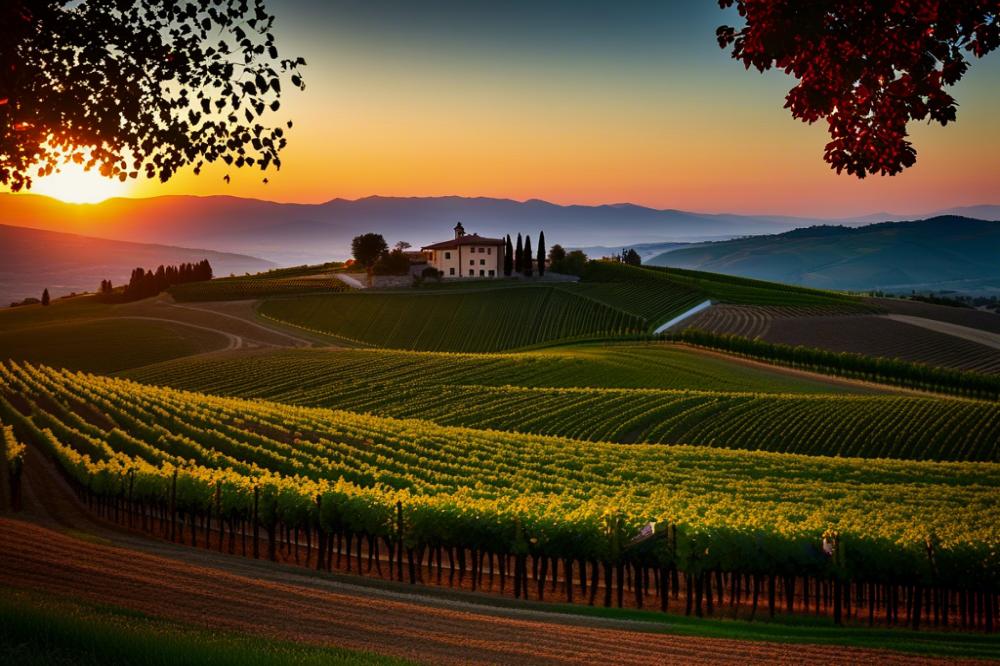
The Piedmont region is a gem in the landscape of Italian wine. Here, vineyards stretch across rolling hills, kissed by the sun. This environment plays a vital role in shaping the character of wines produced in the area. The region is known for its diverse terroir, which includes a mix of clay, limestone, and sandy soils. Each of these components contributes to the rich flavors found in the wines.
The climate in Piedmont presents a mix of warm days and cool nights. Such temperature variations help grapes develop their flavors more intensely. As the grapes ripen, they take on the characteristics that define them, making them suitable for crafting fruity wines. Oak aging also plays a role, enhancing the soft wine with complexity. This interaction between climate and soil is essential for achieving the balanced taste that many wine lovers appreciate.
Geographical Indications and Specific Growing Areas
In Piedmont, certain areas stand out for their wine production. Regions such as Alba, Barolo, and Asti are celebrated for their distinctive offerings. Each location has its own specific growing conditions that affect the grape varietals cultivated there. For instance, Dolcetto thrives in the warmer microclimates of the hills. This adaptability contributes significantly to its appeal as a red wine.
Wine and food pairing is a crucial aspect of enjoying Dolcetto d’Alba. Foods like grilled meats and rich pasta dishes complement this fruity wine beautifully. Understanding the specific qualities of Piedmont vineyards enhances the experience of wine tasting. These geographical distinctions not only define the flavors but also tell the story of the land and its history. Exploring each area unveils a deeper appreciation for Italian wine traditions.
Wine Tasting Notes
Tasting profile of Dolcetto d’Alba
The tasting profile of this soft and fruity Piedmont wine is inviting and vibrant. Bright cherries and plums often dominate the nose. Upon tasting, one might find hints of blueberries and dark chocolate, creating a delightful fruitiness. The flavor is not just bold, but also carries an air of gentleness. Many drinkers appreciate how it doesn’t overwhelm the palate, making it perfect for casual sipping.
Aromas and flavors: fruitiness and softness
In every glass, the aromas can transport you to the lush Piedmont vineyards. Each whiff draws out scents of ripe red fruits alongside floral notes. This Italian wine is known for its soft character. Prominent fruit flavors blend seamlessly with subtle hints of spice. One may catch a whiff of almonds or a faint earthiness as well. Each sip showcases a marriage of flavors, striking a gentle balance between sweetness and acidity.
Understanding the wine’s structure, acidity, and tannins
Dolcetto d’Alba typically presents a light to medium structure. Its acidity lends freshness, making it lively on the palate. Tannins are soft and approachable, allowing for an easy drinking experience. This characteristic distinguishes it from heavier red wines. As a result, many find it suitable for various occasions. The interplay of these elements contributes to its overall charm, making it a delightful choice for wine tasting.
Oak aging effects on the wine
Oak aging plays a subtle yet vital role in shaping this fruity wine. While not always aged in barrels, those that are often gain complexity. You might notice a softness from the wood that rounds out the fruit-forward flavors. In some cases, oak aging brings out earthy tones and spices, adding layers to the overall taste experience. This effect varies based on age and the type of oak used. Ultimately, it enriches the wine’s character, making it a fascinating option for exploration.
Wine and food pairing
When considering wine and food pairing, Dolcetto d’Alba shines with various dishes. It complements rich pastas, roasted meats, and even light cheeses. The wine’s acidity helps cut through heavier elements in a meal. Many find it exceptional with seasonal dishes that feature fresh vegetables and herbs. Casual gatherings become more enjoyable with a bottle of this Italian red by your side. Each pairing can enhance the moments shared around the table.
Wine and Food Pairing
Recommended food pairings for Dolcetto d’Alba
Soft and fruity wines like Dolcetto d’Alba complement a variety of dishes. Grilled meats, such as lamb or chicken, bring out the wine’s juicy flavors. Pasta dishes, especially those with tomato sauces, also work well. A classic choice is pasta al ragù, where the tomato’s acidity balances the wine’s sweetness. Pizza topped with fresh vegetables can enhance the fruitiness too. Light charcuterie boards with salami and cheese create an enjoyable contrast, making each sip feel richer.
Culinary traditions in Piedmont that complement the wine
Piedmont, a noted Italian wine region, is also known for its delectable cuisine. Traditions include hearty dishes like vitello tonnato, where veal is paired with a creamy tuna sauce. This dish’s richness beautifully matches the red wine’s profile. Moreover, the famous white truffles from Alba can elevate any meal, harmonizing seamlessly with the wine. Local specialties, like tajarin (a thin pasta), work well with mushroom sauces. It’s a reflection of how the land’s produce harmonizes with its wines.
Tips for enhancing the wine experience through pairing
For the best experience, consider different serving temperatures. A slightly cooler temperature can accentuate the fruity notes. While tasting, savor each sip with a bite of food. This interaction will deepen your appreciation for both the wine and the meal. Experimentation is key. Try various cheese varieties, as they can significantly alter perceptions of the wine’s flavor. Additionally, consider the aging process. Although some Dolcetto undergoes minimal oak aging, this aspect can influence how the wine pairs with richer dishes. Therefore, choosing a younger vintage may offer a fresher contrast, while older bottles might provide more complexity.
The Role of Dolcetto d’Alba in Italian Wine Culture
Piedmont is famous for its rich wine heritage. Among its offerings, Dolcetto d’Alba stands out for many reasons. This soft and fruity wine has earned a special place in both local and international markets. Many wine lovers appreciate this red wine for its easy drinkability and balanced flavors. In recent years, its popularity has surged, with more people discovering the charm of this grape varietal.
The wine’s significance goes beyond its taste. Local producers take great pride in their craft, often using traditional methods. The Piedmont vineyards where Dolcetto grapes thrive benefit from the region’s diverse climate. Wine and food pairing is a cultural ritual here. Many chefs and home cooks highlight its versatility with regional dishes, like pasta and charcuterie.
Dolcetto d’Alba not only charms local palates but also captures attention worldwide. International wine markets have been keen to embrace its appeal. As consumers increasingly seek wines that offer both quality and a sense of place, this fruity wine has found its niche. It brings the essence of Piedmont to every bottle, inviting enthusiasts to indulge in tasting experiences that showcase its vibrant character.
Cultural Impact and Traditions
Traditions surrounding wine consumption in Piedmont are deeply rooted. Locals celebrate various wine festivals, which feature Dolcetto prominently. These events allow people to gather, taste, and appreciate the region’s offerings together. Generations have passed down stories about winemaking techniques and the best combinations for wine and food pairing.
Social gatherings often include this soft wine, reflecting its role in everyday life. Family dinners frequently feature Dolcetto as the centerpiece. In this way, it fosters connection and conversation among friends and loved ones. It symbolizes more than just a beverage; it embodies hospitality and regional pride.
Recognition and Awards
Dolcetto d’Alba has also gained recognition in various wine competitions. It has received numerous accolades, highlighting its quality and appeal. Judging panels often note the harmonious balance and fruit-forward profile that define this red wine. Such awards serve as testament to the skill of winemakers in the region.
Competitions help elevate the status of Piedmont as one of Italy’s foremost wine regions. Vineyards continually push boundaries with oak aging techniques, enhancing the wine’s complexity. Winning awards not only attracts attention but also encourages innovation among producers. This ongoing development keeps the local wine culture vibrant and relevant.
Final Thoughts on Dolcetto d’Alba
Dolcetto d’Alba offers a range of appealing qualities that make it stand out among other Italian wines. Its soft, fruity character captivates the senses and invites wine lovers to enjoy its charm. Bright flavors of cherry and plum spring forward, creating an enjoyable drinking experience. The gentle tannins provide a smooth finish, making it approachable for both seasoned connoisseurs and newcomers alike.
In the realm of classic Italian wines, this varietal holds a special place. While many people gravitate towards big names like Barolo or Chianti, Dolcetto brings a unique charm that shouldn’t be overlooked. It showcases the elegance of Piedmont in a way that feels both familiar and fresh. This wine pairs well with a variety of foods, adding versatility to any meal.
Exploring this delightful varietal can open new doors to the rich world of Italian wines. If you’re in search of something different, consider adding it to your collection. The experience of savoring a delicious glass can be both satisfying and enlightening. Connecting with this soft wine not only enhances meals but can also spark a deeper appreciation for the vast diversity in vineyards across Italy. So, raise a glass, enjoy the fruitiness, and let the beauty of Dolcetto d’Alba inspire your next wine adventure.

